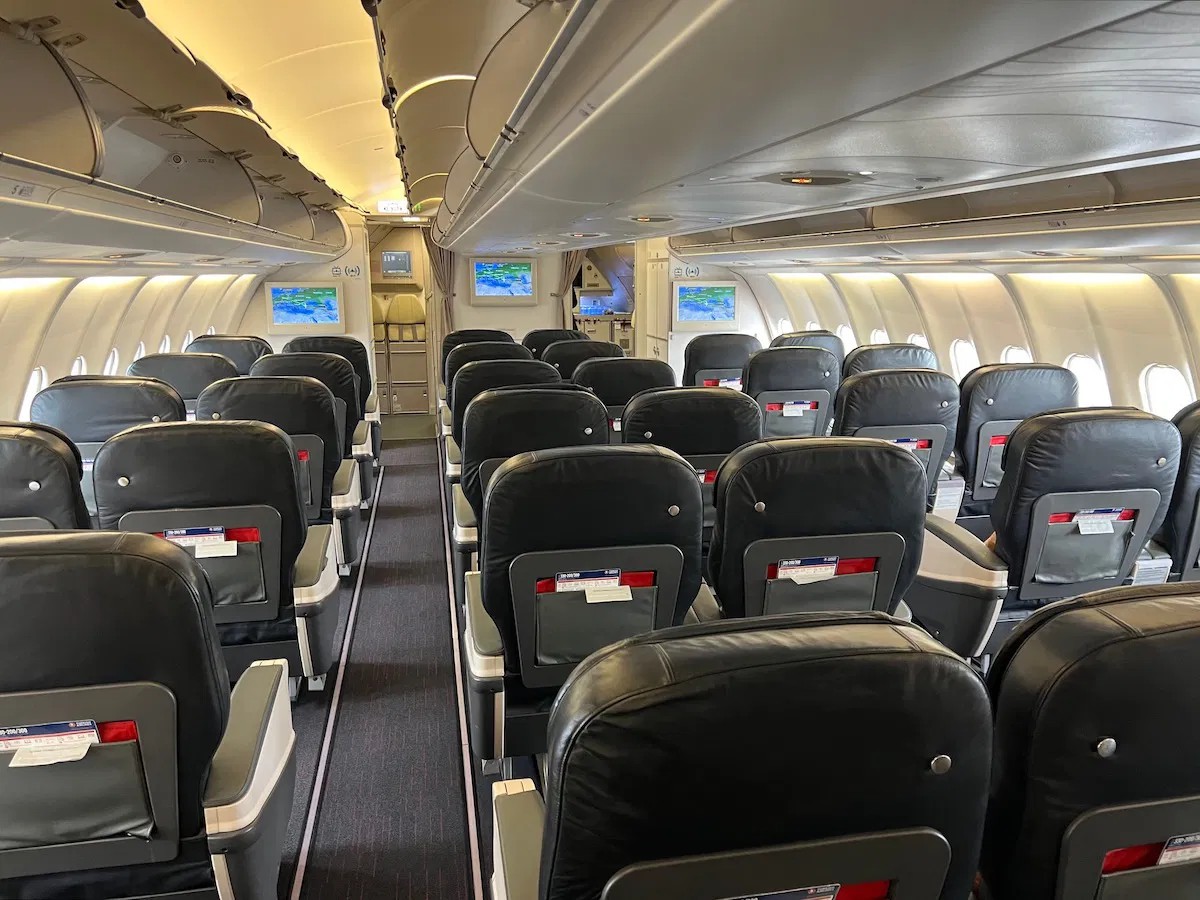
Southwest Airlines is rapidly growing its network through a series of low-commitment airline partnerships, the latest being an interline agreement with Turkish Airlines. This move marks Southwest’s sixth such collaboration in under a year, following partnerships with Icelandair, China Airlines, EVA Air, Philippine Airlines, and Condor.
What the Partnership Means
The interline agreement, set to begin in early 2026, will allow passengers to book connecting flights on both Southwest and Turkish Airlines through either airline’s website or travel agencies. Initially, the service will be available at 10 U.S. airports served by both carriers.
This is a basic level of cooperation: it enables seamless ticketing for combined itineraries but does not include codeshares, frequent flyer benefits, or other deeper integrations. Unlike more complex partnerships, it’s a simple way for both airlines to extend their reach without significant investment.
Why This Matters
Southwest’s shift towards partnerships is notable given its historical reluctance to cooperate with other airlines. While the initial Icelandair deal suggested potential for fuller integration, subsequent agreements have been strictly interline-based. This suggests Southwest is testing the waters with minimal risk.
“Both Southwest and Turkish Airlines are known for the warmth of our Employees, the authenticity of our Hospitality, and the reliability of our airline operations,” says Southwest COO Andrew Watterson.
The statement highlights a disconnect between the level of cooperation and the rhetoric around it. Interline agreements are transactional, not indicative of shared values.
What’s Next?
Turkish Airlines, a major Star Alliance member with an extensive global network, brings considerable reach to this partnership. However, Southwest’s approach to these deals seems increasingly casual. The airline is expanding access for its customers, but it’s unclear whether deeper cooperation is on the horizon.
The author of the original report has stated they will no longer cover these types of announcements, due to their repetitive and superficial nature. This signals that these partnerships are becoming standardized industry practice, with minimal newsworthy developments.
Southwest is clearly testing the waters with these interline agreements, and if they prove fruitful, it could lead to more substantial collaborations in the future. For now, the focus remains on basic connectivity.
The airline’s strategy appears to be maximizing exposure with minimal commitment; a pragmatic approach that allows them to gauge potential benefits without significant financial or operational risk.