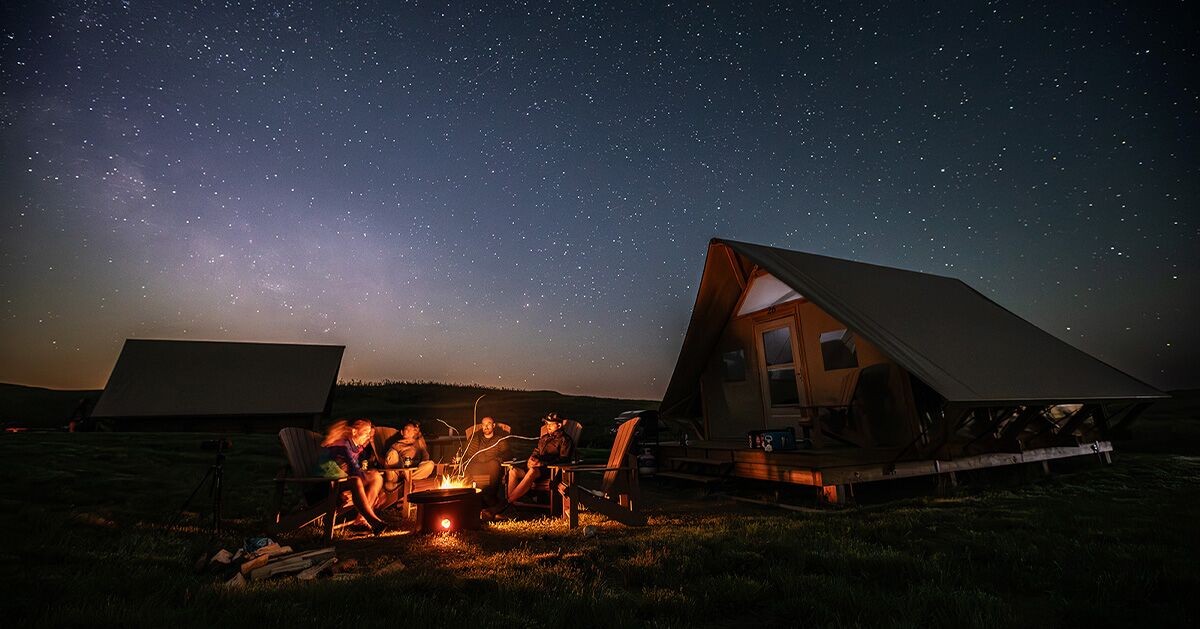
Saskatchewan’s vast prairie landscape offers some of North America’s best stargazing opportunities, but a successful trip requires adaptability. Clear skies aren’t guaranteed, and natural conditions can change rapidly, so preparation and flexibility are key to maximizing your experience.
Why Flexibility Matters
The allure of Saskatchewan’s night sky lies in its darkness and clarity. However, weather patterns shift, forecasts are imperfect, and even the best-laid plans can be disrupted by cloud cover or haze. Building in extra time, being prepared for all conditions, and accepting that a perfect view isn’t always possible will make your trip more enjoyable. This isn’t just about the stars; it’s about embracing the unpredictable beauty of the prairies.
Preparing for Any Conditions
Effective preparation is about anticipating change.
- Monitor weather forecasts: Track cloud cover, precipitation, and haze potential, as these directly impact visibility.
- Check moon phases: A bright moon can wash out fainter stars. Darker nights are best for optimal viewing.
- Extend your stay: If possible, stay for several days to increase your chances of clear skies. This also allows you to explore the surrounding landscapes at a relaxed pace.
- Pack for extremes: Saskatchewan winters offer the clearest skies but demand serious cold-weather gear. Strong winds can also impact observations, so be prepared for sudden shifts.
Top Stargazing Locations
Saskatchewan boasts dedicated observatories and national parks ideal for dark-sky viewing.
Wilkinson Memorial Observatory
Located in Eastend, this observatory is a cornerstone of Saskatchewan’s stargazing community. Founded in 1949 by local enthusiast Jack Wilkinson, it now features advanced Celestron telescopes capable of revealing fine details like Saturn’s rings. The observatory operates seasonally (May-September) and offers guided tours, workshops, and presentations.
Grasslands & Cypress Hills National Parks
Grasslands and Cypress Hills Interprovincial Park are renowned for their dark skies and diverse ecosystems.
- Grasslands National Park: Home to over 70 grass species, bison, prairie dogs, and a rich birdlife, it provides immersive sound bathing with calls from dozens of species.
- Cypress Hills Interprovincial Park: Once a glacial plateau, it offers mixed-forest hiking trails and some of the darkest skies in the region, especially in the West Block’s backcountry.
Beyond Stargazing
Saskatchewan’s beauty extends beyond the night sky.
- Great Sand Hills: Explore Canada’s largest sand dunes, perfect for hiking and birdwatching.
- Duck Mountain Provincial Park: Enjoy fishing, paddling, and wilderness exploration near Saskatchewan’s eastern border.
- Prince Albert National Park: Hike, bike, canoe, or camp in this northern wilderness.
Embracing the Unexpected
Ultimately, a successful stargazing trip in Saskatchewan hinges on adaptability. Cloud cover may disappoint, but the province’s diverse landscapes, wildlife, and quiet solitude offer ample rewards. Plan for flexibility, prioritize comfort, and remember that even under cloudy skies, Saskatchewan’s natural wonders await.