


Former President Donald Trump has issued a series of claims regarding aircraft certification, threatening to effectively ban Canadian-made planes from the United States if Canada doesn’t immediately certify Gulfstream jets. The move, initially announced via Trump’s Truth Social platform, has been walked back by White House officials, though the situation remains unclear.
The Initial Claim: A Sweeping Ban
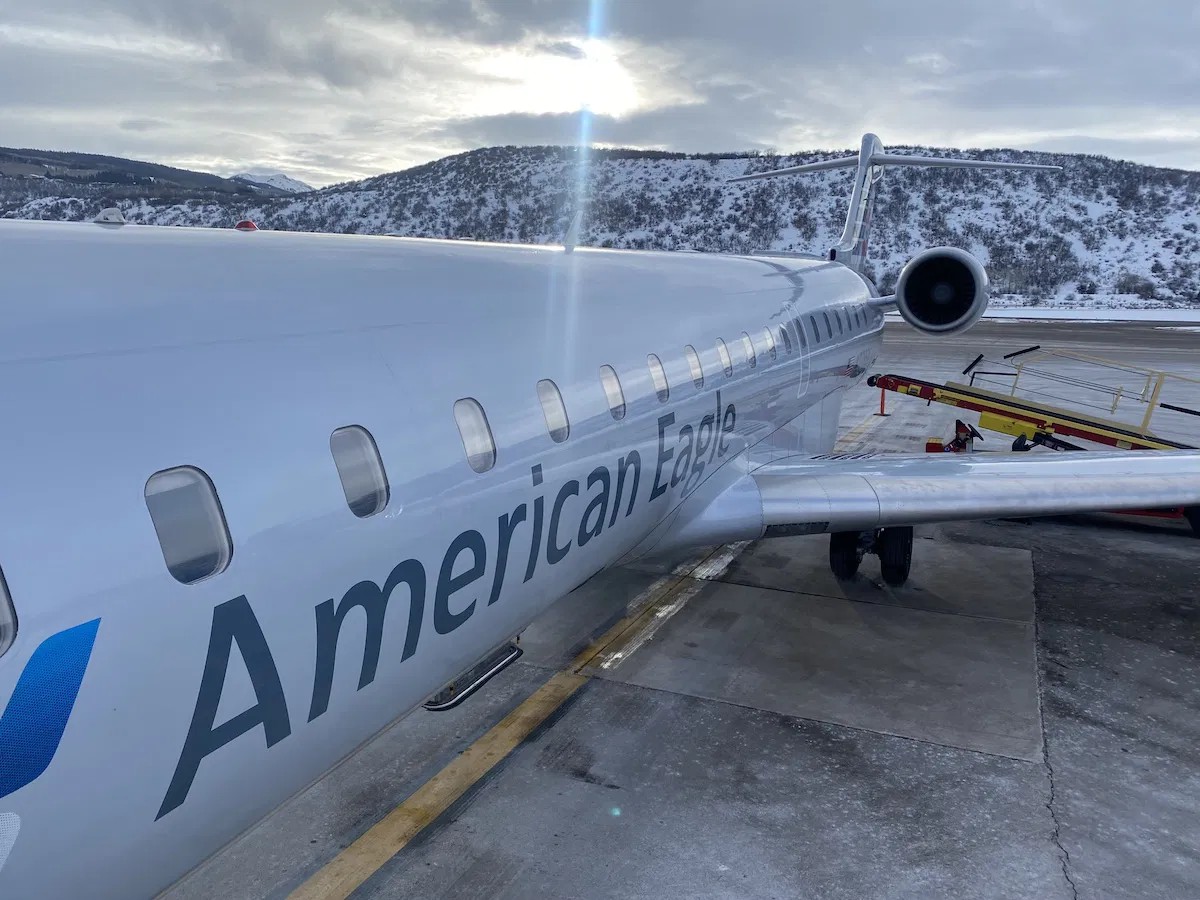
On January 29, 2026, Trump posted that all aircraft manufactured in Canada would be “decertified” until Gulfstream aircraft receive full certification within the country. He further threatened a 50% tariff on all Canadian aircraft sold to the U.S. if his demands weren’t met. The announcement sparked immediate confusion, given the significant number of Canadian-built aircraft operating in the U.S., including regional jets used by major airlines.
White House Clarification: A Limited Scope
Within hours, a White House official clarified that the “decertification” only applies to newly produced aircraft moving forward. This distinction is critical, as it avoids immediate disruption to existing fleets. However, the clarification raises questions about the logic and practicality of selectively decertifying planes based on their production date, rather than safety concerns.
The Certification Dispute: What’s at Stake
The core of the dispute lies in Canada’s slower pace of certifying certain Gulfstream aircraft models compared to the U.S. Federal Aviation Administration (FAA). While the FAA has granted exemptions for some issues, such as deicing systems on new Gulfstream planes, Canadian authorities are taking more time to reach a decision.
The situation highlights a broader trend : foreign regulators now have less trust in the FAA’s certification processes following the Boeing 737 MAX crisis. This means they’re less likely to automatically follow the U.S.’s lead, even if it leads to trade tensions.
Why This Matters: Trade and Safety Concerns
Aircraft certification is a serious matter, directly linked to safety. The FAA (and other governing bodies) only decertify aircraft due to safety-related issues, not as political leverage. Trump’s threat politicizes this process, turning it into a trade bargaining chip.
Further, the selective enforcement of this policy is questionable. Trump has previously made claims about capping credit card interest rates that went unfulfilled, raising doubts about whether the current aircraft threat will actually be enforced.
In conclusion, President Trump’s statements regarding Canadian aircraft certification have created unnecessary confusion and raise concerns about the politicization of aviation safety regulations. The situation underscores the growing distrust in U.S. aviation oversight and the potential for trade disputes to spill over into critical infrastructure like air travel.


