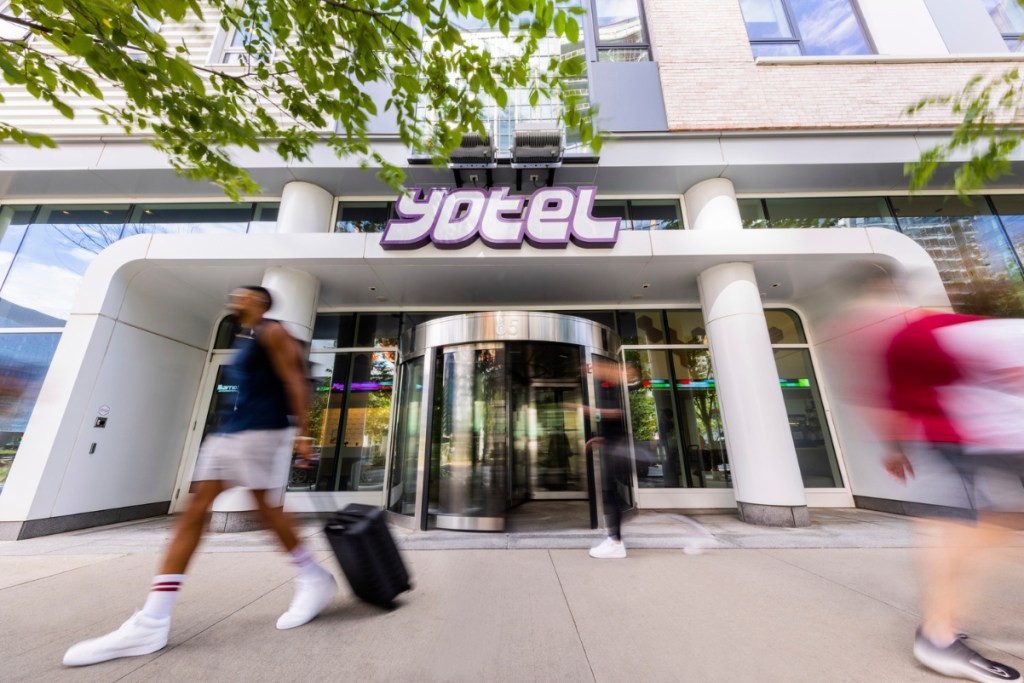
The travel sector is undergoing rapid change, driven by consolidation, technological innovation, and evolving consumer behavior. Recent developments highlight three key trends: the rise of platform-based franchising, the integration of artificial intelligence in sales, and the ongoing recovery of international tourism.
Franchising Evolution: Yotel and Hilton’s New Model
Hilton’s partnership with Yotel signals a shift towards more flexible franchise agreements. The new “platform” model allows for greater customization and scalability, potentially reshaping how hotel brands expand. This approach contrasts with traditional franchising, where standardization is often prioritized over adaptability. The move suggests that brands are increasingly willing to experiment with hybrid systems to meet diverse market demands.
AI-Powered Sales: Hyatt’s Customer Capture Strategy
Hyatt is leveraging artificial intelligence to streamline its sales process and boost productivity. By focusing on the “trip discovery” phase – where travelers actively research and decide on destinations – Hyatt aims to intercept potential customers earlier in the booking cycle. This strategy reflects a broader industry trend of using AI to personalize offers and drive direct bookings, reducing reliance on third-party platforms.
Macroeconomic Resilience: IHG’s Perspective on Volatility
International Hotels Group (IHG) believes that large, diversified hotel companies are well-positioned to weather global instability. The company’s view is that travel demand remains strong despite ongoing geopolitical and economic uncertainties. This suggests that hospitality giants see their scale and brand recognition as a hedge against external shocks. The strategy reinforces the importance of diversification and risk mitigation in a volatile world.
Tourism Recovery: New York City’s Uneven Progress
New York City’s tourism numbers exceeded expectations last year, but international visitor rates still lag behind pre-pandemic levels. This disparity highlights the challenges of attracting high-spending travelers from overseas. The city must address barriers – such as visa requirements or flight availability – to fully recover its international tourism market. The gap underscores the need for targeted strategies to attract diverse traveler segments.
In conclusion, the travel industry is responding to both short-term challenges and long-term shifts by embracing new technologies, flexible business models, and a data-driven approach to customer engagement. These changes are reshaping the competitive landscape and redefining how travel experiences are delivered and monetized.