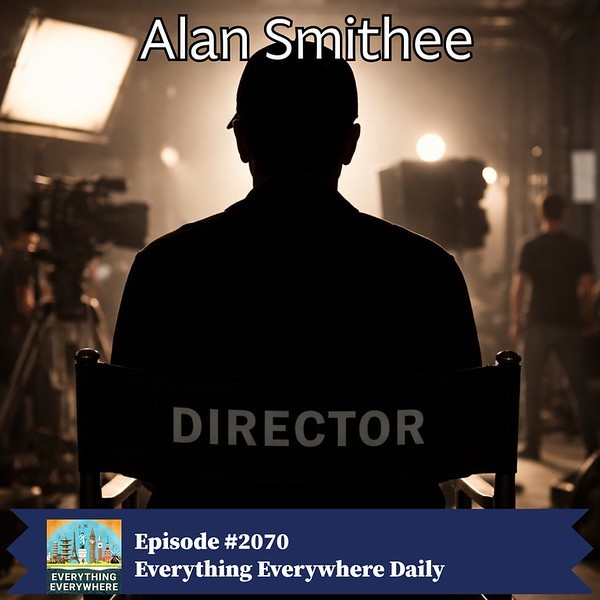
The Internet Movie Database (IMDb) lists a director named Alan Smithee as having helmed over 156 films, shorts, and music videos. Yet, Smithee has never graced a red carpet, accepted an award, or given a single interview. This is because Alan Smithee doesn’t exist—at least, not as a real person. The name is a carefully constructed pseudonym used by the Directors Guild of America (DGA) to protect filmmakers whose work has been irrevocably altered by studios.
The Rise of Hollywood Unions and Director Control
The story begins in the 1930s, when Hollywood’s studio system held ironclad control over its workers. Long hours, strict oversight, and limited creative input were the norm. The rise of labor unions, fueled by the New Deal, gave film workers the leverage to demand better conditions and protect their artistic vision. The Screen Directors Guild, later the DGA, emerged as a powerful force in this shift.
The DGA established rules governing director credit, working conditions, and final cut authority. The core principle? A single director should be credited for a film, reinforcing the idea that a film should have a single creative voice. This rule was born from a desire to ensure that filmmakers were not unfairly denied credit for their work.
The Birth of a Pseudonym: Death of a Gunfighter
By the 1960s, the rules were in place, but a loophole remained. What if a studio butchered a film so badly that the director refused to take responsibility for the final product? The DGA needed a solution. In 1969, during the making of the Western Death of a Gunfighter, the conflict came to a head. Director Robert Totten clashed with star Richard Widmark, leading to his dismissal mid-production. Don Siegel finished the film, resulting in a hybrid creation that neither director wanted to claim.
Both Totten and Siegel requested their names be removed. The DGA responded by inventing Alan Smithee, a name chosen because no one in the industry was known to have it. The pseudonym was born: a ghost director for compromised visions.
Alan Smithee’s Prolific Career
For decades, Alan Smithee quietly appeared on dozens of films, often retroactively applied to projects from the 1950s. Some notable cases included The Twilight Zone Movie, where the director removed his credit after a tragic on-set accident, and Dune, where David Lynch disowned the TV cut, even replacing his screenwriting credit with “Judas Booth.”
The pseudonym functioned as a last resort, a formal arbitration process ensuring a director could disavow a project without legal repercussions. The rule was simple: if a film no longer represented the director’s creative vision, they could use Alan Smithee instead.
The Satirical Exposure: Burn Hollywood Burn
Until 1997, Alan Smithee remained an industry secret. Then came An Alan Smithee Film: Burn Hollywood Burn, a self-aware satire about a director desperate to remove his name from a terrible movie. The twist? The film was directed by Arthur Hiller, who appealed to the DGA to use the pseudonym because the final cut had been butchered by producers. The DGA granted his request, resulting in the ironic meta-film being credited to Alan Smithee—a movie about a fictional director trying to erase his name, only for it to be credited to the pseudonym itself.
The film flopped, grossing just $40,000 on a $10 million budget. But it blew the lid off the secret, turning Alan Smithee into a cultural punchline.
The Legacy of a Ghost
In 2000, the DGA officially retired Alan Smithee, concluding that the pseudonym no longer worked as a secret. However, its legacy endures. The name appears in comics, television scripts, and video games as shorthand for disavowing a project.
Today, the DGA allows directors to request credit removal through the same process, but now offers several pseudonyms instead of just one. The spirit of Alan Smithee lives on, a reminder that even in the collaborative world of filmmaking, some visions are worth protecting—even if it means erasing a name from history.
The pseudonym’s story is not just a Hollywood quirk; it’s a testament to the struggles of creative control in a commercial industry. It raises questions about artistic integrity, studio interference, and the power dynamics that shape the films we see. The story of Alan Smithee is a reminder that sometimes, the best way to make a statement is to disappear completely.