United Airlines is rolling out “Relax Rows” – a new seating option designed to turn three economy seats into a couch-like space for long-haul flights. The airline announced the product on March 19, with plans to begin installations on Boeing 787 and 777 aircraft in 2027, aiming for over 200 widebody jets by 2030. This move represents a growing trend among airlines to monetize comfort that was previously only accessible through upgrades.
The Core Offering: Economy Redefined
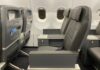
The Relax Row concept involves adjustable leg rests, bedding, and extra pillows to transform a standard three-seat row into a more comfortable lounging space. This is part of United’s larger “Elevated” interior strategy, which includes upgraded Polaris suites, Premium Plus cabins, and enhanced economy seating with 13-inch 4K OLED screens and Bluetooth connectivity. The first international routes featuring the new interiors will launch on April 22, starting with San Francisco to Singapore.
A Shift in Cabin Strategy
The introduction of Relax Rows is not isolated; it’s a direct result of airlines restructuring cabin layouts to maximize revenue. United’s 787-9 reconfigurations now feature fewer standard economy seats (84 compared to 149 on older models) to make way for premium options. This deliberate reduction in standard seating demonstrates the airline’s focus on extracting more value from each flight by offering tiered comfort levels.
What Remains Unclear
Several key details remain undisclosed, including the price of Relax Rows. United has not announced whether the surcharge will apply per passenger, per row, or if shared bookings will be allowed for couples or families. The airline also hasn’t yet addressed safety protocols for turbulence, specifically how passengers in a lie-flat configuration would secure themselves during sudden movements. The FAA mandates seat belts at all times, but how this applies to a reclining row remains undefined.
Industry Context: Following the Trend
United is not alone in this strategy. Airlines like Air New Zealand, Lufthansa, ANA, and Vietnam Airlines already offer similar sleeper-row or sofa-style products in economy and premium economy. This indicates a broader industry shift towards segmented comfort options, pushing travelers to pay extra for enhanced experiences.
In conclusion, United’s Relax Rows represent a calculated move to capture more revenue from passengers willing to pay for added comfort in economy. The success of this product will depend on transparent pricing, clear booking rules, and a well-defined safety protocol, none of which are currently available.