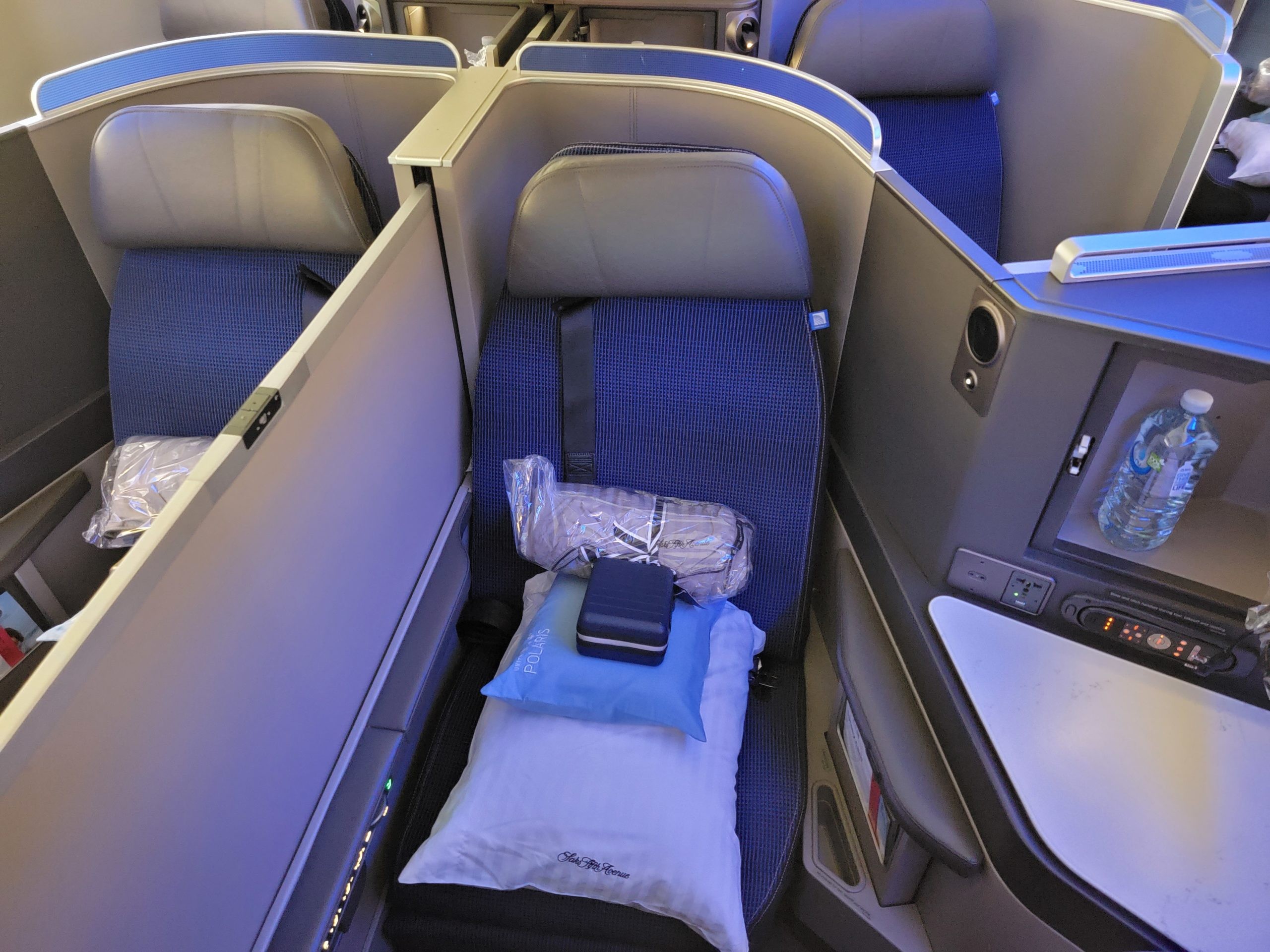
United Airlines is dramatically altering its MileagePlus rewards program, prioritizing customers with its co-branded credit cards over those who do not. New policies significantly reduce points-earning potential for non-cardholders, while incentivizing card usage with increased benefits. This shift reflects the airline’s aggressive goal to increase MileagePlus profitability by 50% within four years, a target previously unmet.
The New Economics of Loyalty
The changes effectively create a two-tiered system: cardholders earn more rewards, while others face diminished benefits. United is making it clear that customers without a Chase co-branded credit card are viewed as less valuable, with their spending treated as “not as green” as that of cardholders. This approach, while financially driven, carries risks.
Declining Brand Loyalty
Industry analyst Henry Harteveldt highlights the potential damage to brand loyalty. Recent research indicates a decline in airline loyalty from 13–14% to under 12%, with the trend likely to accelerate as airlines prioritize credit card spending over customer relationships. The shift from loyalty programs to “travel spend programs” risks alienating customers who cannot or choose not to obtain the airline’s credit card.
The Risk of Alienating Customers
United’s strategy may backfire, as it risks losing customers who would otherwise develop long-term loyalty. Many potential customers, including business travelers and those new to the U.S. credit system, may not have access to or interest in the card. Eliminating mileage earnings on basic economy fares further discourages engagement from newer travelers, who could become future cardholders.
Short-Term Gains vs. Long-Term Growth
The airline appears to be prioritizing immediate card acquisitions over cultivating future customers. By chasing away potential long-term members, United risks sacrificing growth in its card portfolio, as those customers may never convert. The question remains whether the short-term gains outweigh the potential loss of future revenue and loyalty.
United’s move to a card-driven rewards system represents a fundamental shift in how airlines view customer relationships. While financially strategic, the long-term consequences for brand loyalty remain uncertain.