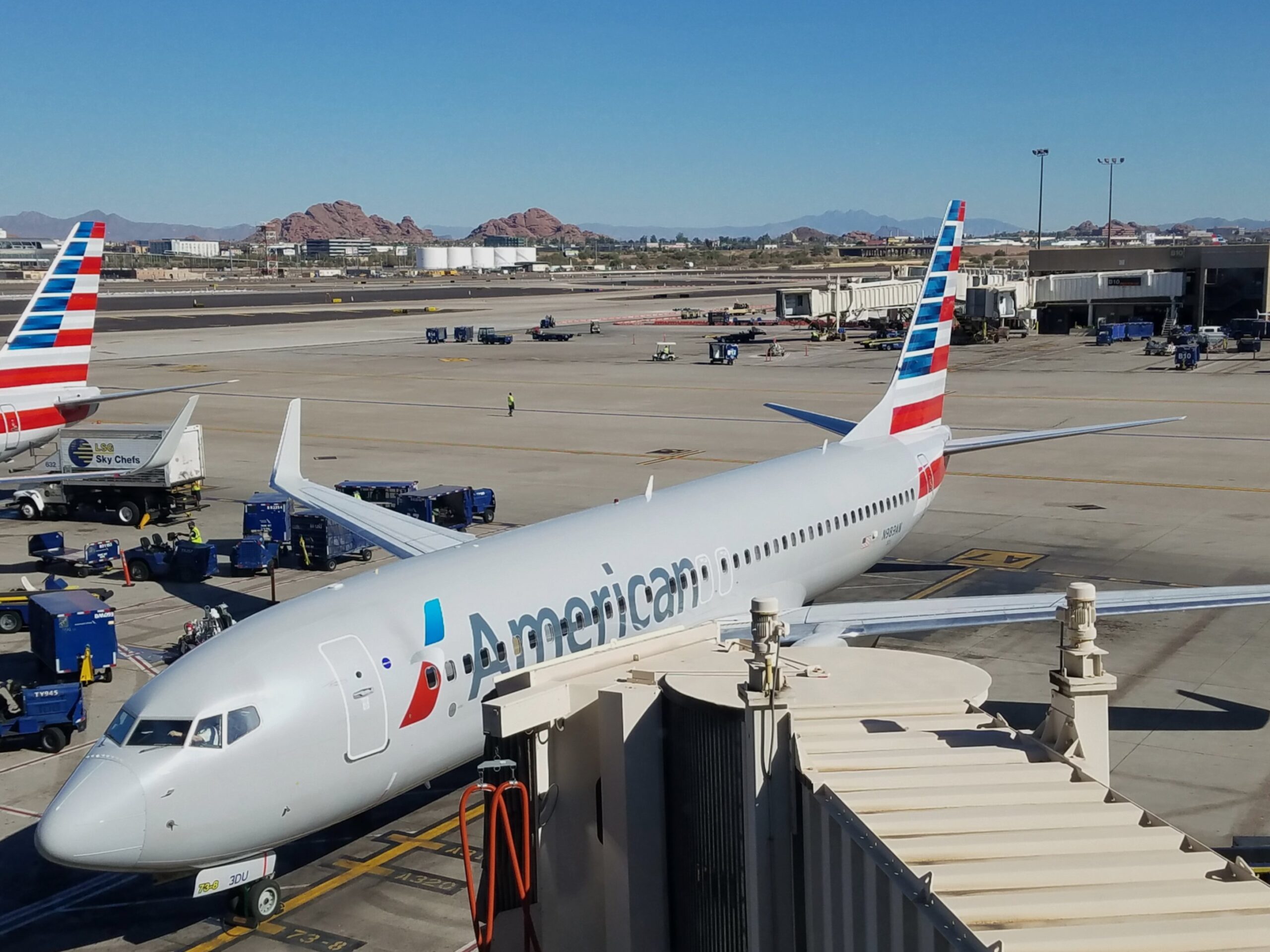
American Airlines is fundamentally shifting its relationship with its most loyal customers. In a series of recent policy changes, the carrier is moving away from rewarding status and toward a model where your benefits are dictated solely by your fare class.
By stripping elite perks from “Basic Economy” tickets, American is signaling that even long-term, high-value travelers will be treated as budget passengers if they choose the lowest price point.
The Erosion of Elite Status
Starting May 18, the traditional advantages of AAdvantage status will no longer apply to those flying on Basic Economy fares. The changes include:
- Loss of Perks: Elite members will no longer receive free seat assignments, complimentary domestic upgrades, or the ability to confirm systemwide upgrades on these fares.
- Increased Costs: Basic Economy passengers will face a $5 surcharge on checked bags compared to standard economy passengers.
- Reduced Priority: Boarding orders are being restructured to de-prioritize AAdvantage members. Later this year, elite travelers will be moved from Group 6 to Group 7 boarding, a move that jeopardizes their ability to secure overhead bin space.
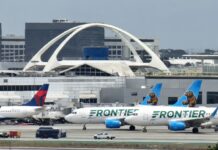
This shift is particularly striking because it moves American Airlines away from its competitors. While Delta and United maintain certain distinctions, American’s new policy actually puts it behind ultra-low-cost carriers like Spirit and Frontier, which generally honor elite benefits across all fare types.
The Risk to the “Business-Leisure” Connection
The decision to devalue status on low-cost fares ignores a critical psychological driver in the airline industry: the dual identity of the traveler.
Most business travelers are also leisure travelers. The person who flies on expensive corporate tickets during the week is often the same person booking family vacations on the weekend. Historically, airlines maintained loyalty by treating these individuals well on every trip.
“Loyalty to the person, not to the fare, is how you create a relationship that leads to irrational behavior.”
By making the relationship purely transactional, American risks breaking the emotional bond that keeps customers from switching to competitors when prices fluctuate. If a traveler feels “abused” by the airline while on a family vacation, they are far more likely to move their high-value business travel to a different carrier.
The Strategy Behind Basic Economy
To understand why American is doing this, one must look at the role of Basic Economy in modern aviation. It is not merely a low-cost option; it is a sophisticated tool for price discrimination.
- Competing with Low-Cost Carriers: Basic Economy allows American to compete with Spirit and Frontier for price-sensitive travelers without lowering the base fare for everyone else.
- Segmenting the Market: It allows the airline to be “two airlines at once”—a premium carrier for business travelers and a budget carrier for those paying out of pocket.
However, American’s approach has been inconsistent. Since 2017, the airline has frequently toggled between generous and restrictive rules regarding seat assignments, carry-on bags, and mileage earning. This “schizophrenic” approach creates confusion and erodes trust.
The Financial and Partnership Fallout
This pivot may also have unintended consequences for American’s massive $6 billion partnership with Citibank.
AAdvantage status is a primary driver for co-branded credit card usage. If the status itself becomes less valuable because its benefits are easily stripped away by fare choices, customers may see less incentive to hold or use the American Airlines credit card. By devaluing the “top of the funnel”—the very travelers who enter the ecosystem through these low-cost fares—American may be sacrificing long-term customer acquisition for short-term accounting gains.
Conclusion: By prioritizing fare-based restrictions over status-based rewards, American Airlines is transitioning from a loyalty-driven model to a purely transactional one. While this may boost immediate revenue, it risks alienating the high-value travelers who provide the airline’s most consistent profit.