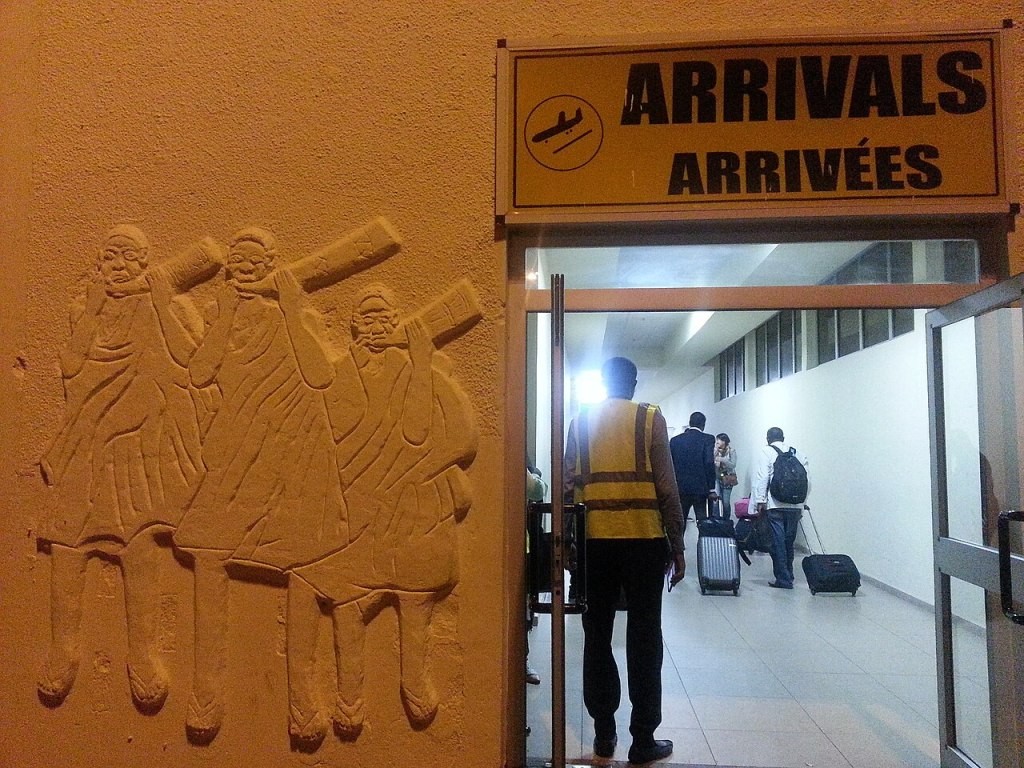
Across Africa, a quiet revolution is underway: governments are dismantling travel barriers to unlock tourism growth. Benin and Rwanda, in particular, are demonstrating how relaxed visa policies and digital systems can drive significant increases in visitor numbers. This isn’t just about convenience; it’s a strategic shift recognizing that easy access is essential for modern tourism.
From Visa Restrictions to Open Doors
Historically, African nations have faced the challenge of bureaucratic visa requirements, which often deter potential tourists. Benin changed course in 2017, opening its borders to all African passport holders without visas. This bold move was followed by a nationwide rollout of a 48-hour e-visa system for over 140 countries. The result? Tourist arrivals surged from 337,000 in 2019 to over 435,000 in 2025, with a goal of 2 million annual visitors by 2030.
Rwanda adopted a similar approach in 2018, introducing visa-on-arrival for all nationalities and pairing it with an efficient e-visa system. This hybrid model provides both flexibility for spontaneous travelers and the option for pre-planned trips.
Why This Matters
The shift towards open borders isn’t merely a matter of convenience; it’s a fundamental rethinking of tourism policy. Restrictive visa regimes often exclude budget travelers and those who make last-minute decisions. In an era where digital nomads, adventure tourists, and spontaneous travelers are driving growth, easy access is no longer a luxury but a necessity.
The success of Benin and Rwanda suggests that removing bureaucratic obstacles can yield tangible economic benefits, including increased revenue, job creation, and foreign investment. However, it also raises questions about infrastructure readiness, security protocols, and the need for sustainable tourism management to prevent overcrowding and environmental damage.
The Missing Piece: Affordable Flights
While easing visa restrictions is a critical step, another significant barrier remains: the high cost of air travel. Many African airlines operate with limited capacity and inflated prices, making the continent inaccessible to budget travelers.
Addressing this requires investment in low-cost carriers, regional airline partnerships, and the reduction of aviation taxes. Until then, even the most open borders won’t fully unlock Africa’s tourism potential.
In conclusion, Africa’s open-border experiments