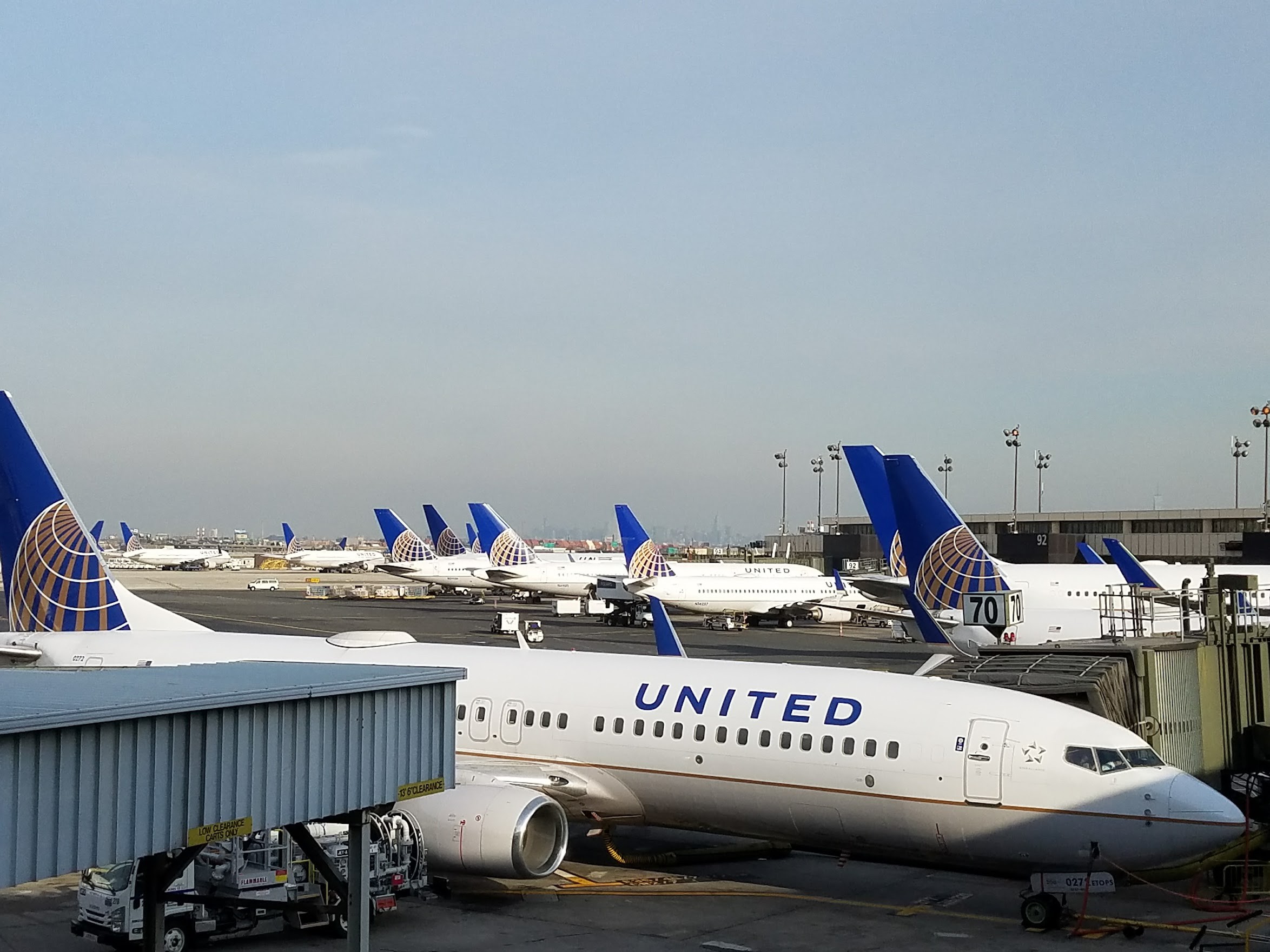
A United Airlines passenger is suing after a four-year-old child suffered severe burns from scalding tea served on a flight from Newark to Tel Aviv last year. The incident highlights a recurring issue: airlines face limited financial consequences for injuries sustained by passengers, even when those injuries are severe. This case, governed by the international Montreal Convention, demonstrates how legal frameworks can protect carriers while leaving injured parties with capped damages.
The Montreal Convention: A Safety Net for Airlines
The Montreal Convention dictates that airlines are liable for injuries occurring on board aircraft due to “unexpected or unusual events,” even if those events stem from routine procedures performed negligently. However, the convention sets strict financial limits on damages. As of December 2024, the cap stands at approximately $216,470 – a sum that may seem substantial but often falls short of covering long-term medical care, pain, and suffering for severe injuries.
This means an airline can be found at fault for causing catastrophic harm to a passenger, yet its financial exposure is capped, regardless of the extent of the damage.
The United Airlines Case: A Matter of Responsibility
In this specific instance, the airline handed a cup of uncovered, 200-degree tea to an eleven-year-old passenger, who then apparently passed it to the four-year-old. The key legal question isn’t necessarily whether United is liable (given the hot beverage was served on board), but how much liability it will face.
If the spill is attributed to mishandling by a passenger rather than negligence by crew, the airline could argue it followed standard procedures and is only responsible for a limited amount. The lack of punitive damages in Montreal Convention cases further restricts potential payouts.
The McDonald’s Coffee Case: A Contrast in Liability
The infamous McDonald’s coffee case offers a stark contrast. Stella Liebeck won a significant initial verdict (later reduced) after suffering severe burns from overly hot coffee. Unlike airline cases under the Montreal Convention, Liebeck’s suit was a domestic tort liability claim that included punitive damages designed to deter negligent behavior.
McDonald’s changed its coffee serving temperature in response, reducing burns by lowering the heat to 158°F. The airline industry, however, has not made similar widespread changes despite repeated scalding incidents.
A Pattern of Negligence
This isn’t an isolated incident. Past cases show United and other airlines have been involved in similar accidents, including one where scalding coffee forced a flight diversion and another involving a flight attendant spilling hot liquid on a passenger. Frontier Airlines even faced a disturbing incident involving burns to a passenger’s genitals due to scalding tea.
These recurring events suggest systemic issues within the industry, where cost-cutting or inadequate training may outweigh passenger safety.
The Question of Limits
The Montreal Convention was designed to streamline international aviation law. However, its liability caps raise ethical questions. Should airlines be shielded from full financial responsibility for severe injuries, even when negligence is clear? Some argue that eliminating these limits would incentivize airlines to prioritize passenger safety and adopt better practices.
The current system allows for a cost-benefit calculation where airlines can accept a certain level of risk and limited liability rather than investing in safer procedures. This is not just a legal issue; it’s a moral one.