Virgin Atlantic is bringing back spa treatments to its flagship London Heathrow Clubhouse lounge, but with a key limitation: the service will only be available until April 30, 2026. The airline has partnered with Secret Spa UK to offer express massages, facials, and nail treatments exclusively to Upper Class passengers. This move represents a short-term revival of a previously eliminated amenity, raising questions about Virgin Atlantic’s long-term strategy for passenger experience differentiation.
A Return to Luxury, With a Catch
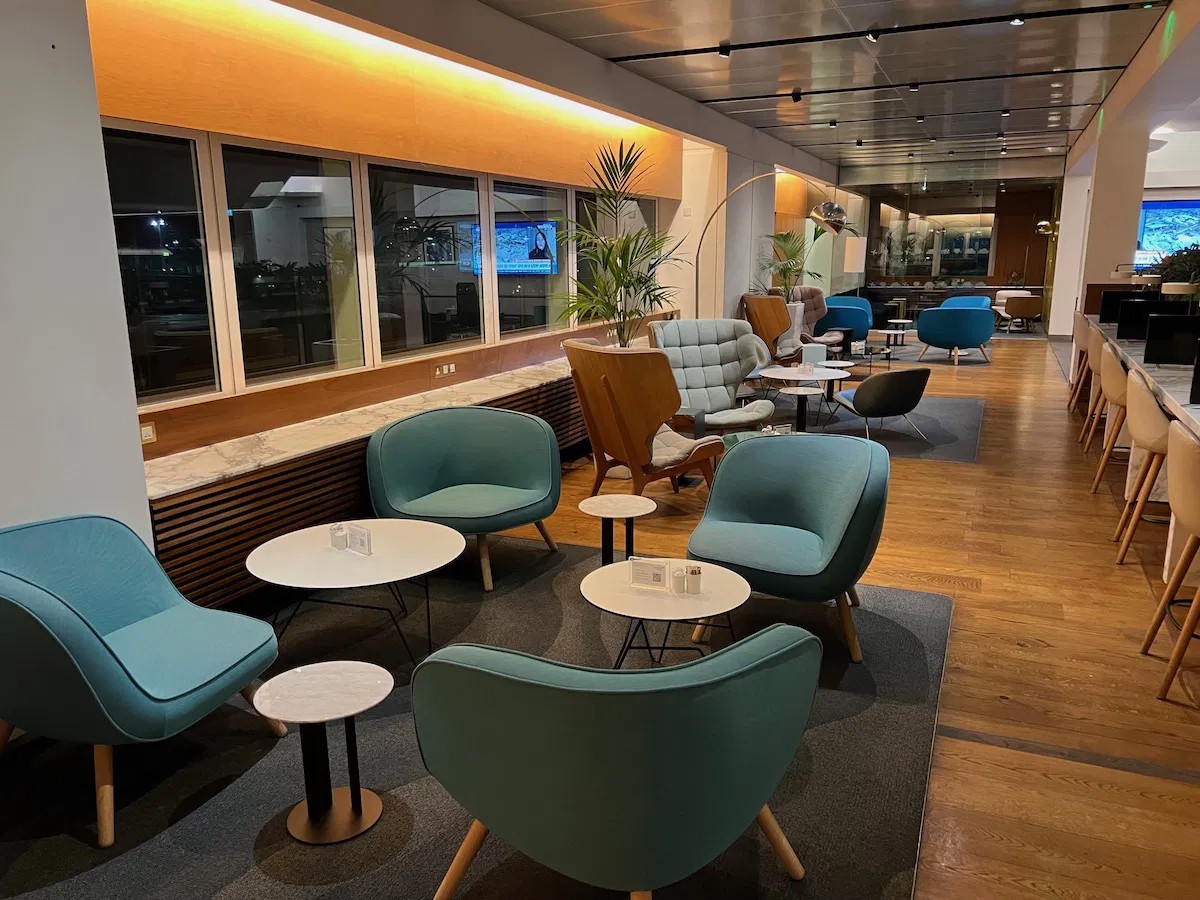
The Virgin Atlantic Clubhouse at Heathrow was once renowned for its full-service spa and salon, including massages, manicures, and even haircuts. However, those amenities were discontinued during the pandemic and the space repurposed. Now, the airline is testing the waters with a limited-time partnership with Secret Spa UK.
Upper Class passengers can book treatments directly within the Clubhouse, based on availability. This exclusivity underscores the airline’s focus on its premium clientele. The limited duration of the service suggests a trial period rather than a permanent reintroduction.
Why Now? Profitability and Differentiation
Virgin Atlantic has historically faced profitability challenges due to its long-haul focus and competitive position at Heathrow, where British Airways dominates. The airline has been streamlining its offerings in recent years, reducing some of the premium perks that once set it apart.
The reintroduction of spa services could be a calculated move to gauge passenger demand. It’s likely that Secret Spa UK is subsidizing the partnership to boost its brand awareness. The airline will likely analyze guest feedback to determine whether the spa adds enough value to justify a permanent return.
The Bigger Picture: Competition and Experience
The resurgence of the spa comes as other airlines also invest in premium lounge experiences. Virgin Atlantic may be responding to competitive pressures by temporarily reintroducing a service that once defined its luxury brand.
The airline’s history of offering onboard massages and chauffeur services demonstrates a past willingness to differentiate through premium amenities. However, it has struggled to consistently translate those perks into revenue premiums. This current trial could be a test of whether passengers are willing to pay—directly or indirectly—for a more indulgent experience.
Ultimately, Virgin Atlantic’s decision to reinstate spa services on a temporary basis is a strategic experiment. Whether the airline extends the partnership or lets the spa disappear again will depend on passenger demand, profitability, and the broader competitive landscape.