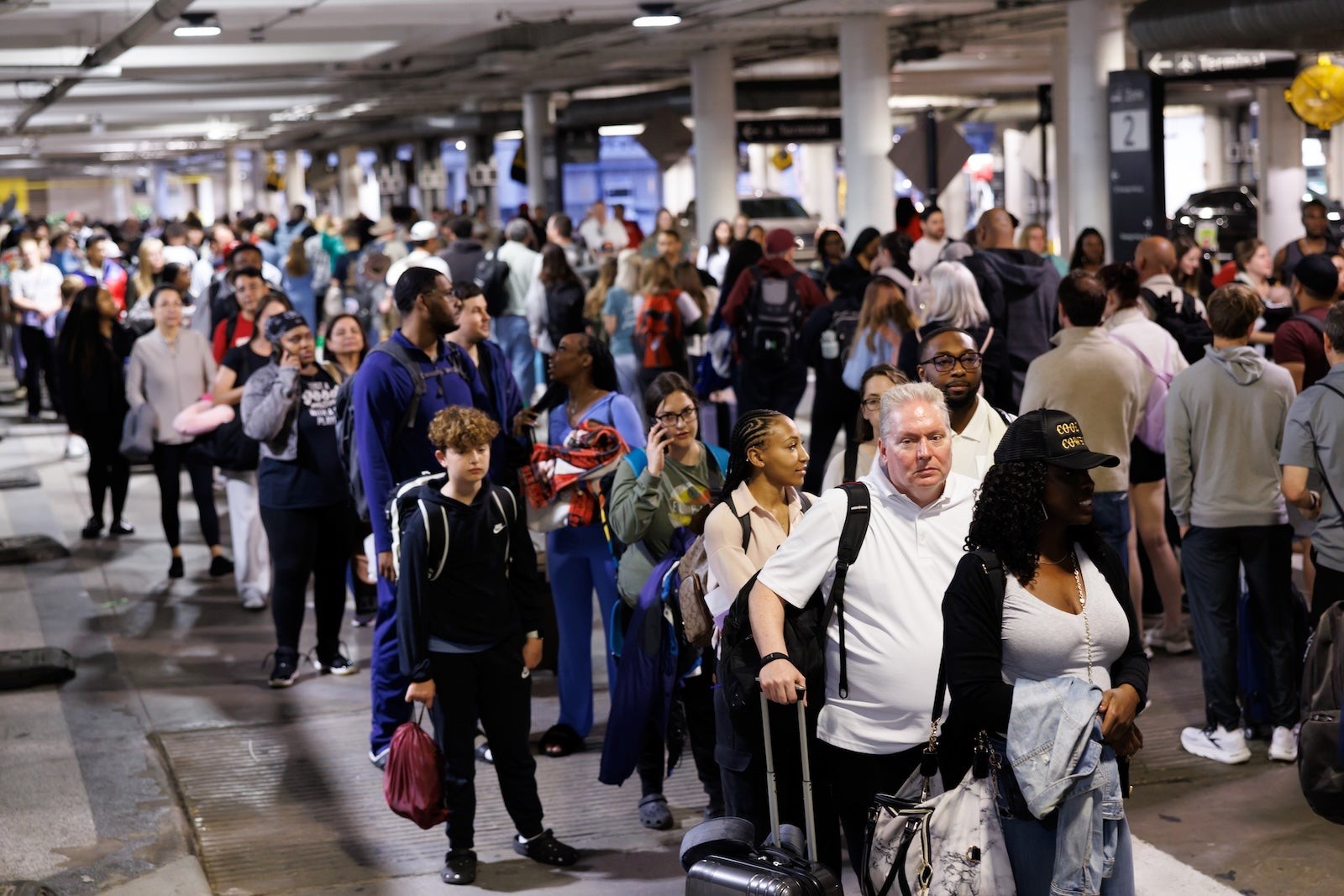
The partial government shutdown is now entering its seventh week, and the consequences are increasingly visible for air travelers. Unpredictable security checkpoint wait times, potential airport closures, and TSA staff shortages are becoming the new normal. Travelers should brace for significant disruptions if the shutdown persists.
Why the Shutdown Impacts Air Travel
The core issue is funding for the Department of Homeland Security (DHS), specifically the Transportation Security Administration (TSA). TSA screeners are working without paychecks, leading to rising absenteeism and resignations. As of January 31, over 360 screeners have quit, with call-out rates reaching as high as 10% on some days. This means fewer staff to handle the same volume of passengers, causing bottlenecks and longer wait times.
Which Airports Are Most Affected?
Several airports have already experienced severe delays. Atlanta (ATL), New York’s JFK, Houston Hobby (HOU), New Orleans (MSY), and Pittsburgh (PIT) have consistently reported high call-out rates. The situation is unpredictable, with wait times spiking on certain days and fluctuating rapidly.
Philadelphia International Airport (PHL) has already responded by closing several screening checkpoints to consolidate operations. This indicates a growing trend of airports taking drastic measures to cope with understaffing.
Real-Time Wait Times: A Moving Target
Normally, the MyTSA app would provide wait time estimates. However, during the shutdown, this data is unreliable. Travelers should rely on airport websites, social media, or third-party trackers like CNN’s to get the most up-to-date information. Atlanta (ATL) and Dallas Fort Worth (DFW) are among the airports still providing real-time updates.
Could Airports Close?
The most alarming possibility is the shutdown of smaller airports due to critical staff shortages. Acting Deputy TSA Administrator Adam Stahl has warned that complete closures are not out of the question if absenteeism rises further. The agency later clarified that closures would only occur if checkpoints cannot be staffed, but the threat remains real.
The End of the Shutdown: An Unknown
The resolution to the shutdown depends on political negotiations in Washington, which currently lack momentum. The longer the impasse continues, the more severe the impact on air travel will become. The upcoming World Cup events and summer travel season could be severely affected if the chaos persists.
How This Shutdown Differs from Past Ones
Previous shutdowns also affected air traffic controllers, adding stress to the system. However, this shutdown uniquely impacts TSA workers, creating a direct pain point that is already disrupting travel.
What Travelers Can Do
There is little immediate recourse for travelers beyond arriving at the airport significantly earlier than usual. Enrolling in TSA PreCheck can offer faster lanes, but even those lines may be affected if the situation worsens. The most effective solution may be to postpone non-essential travel until the shutdown ends.
The situation remains fluid and unpredictable. Air travelers must prepare for disruptions and stay informed about their specific airport’s conditions. The longer the shutdown lasts, the greater the risk of widespread chaos and potential airport closures.