The travel sector is undergoing rapid change, driven by technological advancements, fluctuating economic conditions, and the stark realities of climate change. These forces are reshaping how businesses operate, where investments are focused, and the very sustainability of long-held models.
AI’s Deep Integration into Travel
Airlines and other travel brands are aggressively adopting artificial intelligence (AI), but effective implementation requires more than just adding new tools. The most successful strategies involve overhauling underlying systems to support AI-driven operations. This means proactive management, personalized customer experiences, and streamlined services. The emergence of AI agent networks, such as Moltbook, demonstrates a future where automated booking systems will interact directly, bypassing human intervention. This raises questions about the role of traditional travel agencies and the need for new security protocols in an AI-driven marketplace.
India’s Travel Budget: Winners and Losers
India’s recent Union Budget presents a mixed picture for the travel industry. Inbound tourism businesses face limited promotional spending, which could stifle growth in this sector. However, outbound travel benefits from tax relief, providing a direct financial advantage for companies catering to international travelers. This disparity highlights the government’s prioritization of certain segments over others, and the reliance on outbound tourism for economic gain.
The Unsustainable Reality of Artificial Snow
The ski industry faces a critical challenge: warming winters threaten traditional slopes. While artificial snowmaking offers a short-term solution, it introduces a paradox. The energy-intensive process contributes to greenhouse gas emissions, exacerbating the very climate change that necessitates its use. This raises serious sustainability concerns and pushes the industry towards exploring alternative business models, such as indoor skiing facilities or diversifying into year-round tourism options.
Luxury Brands Remain Focused
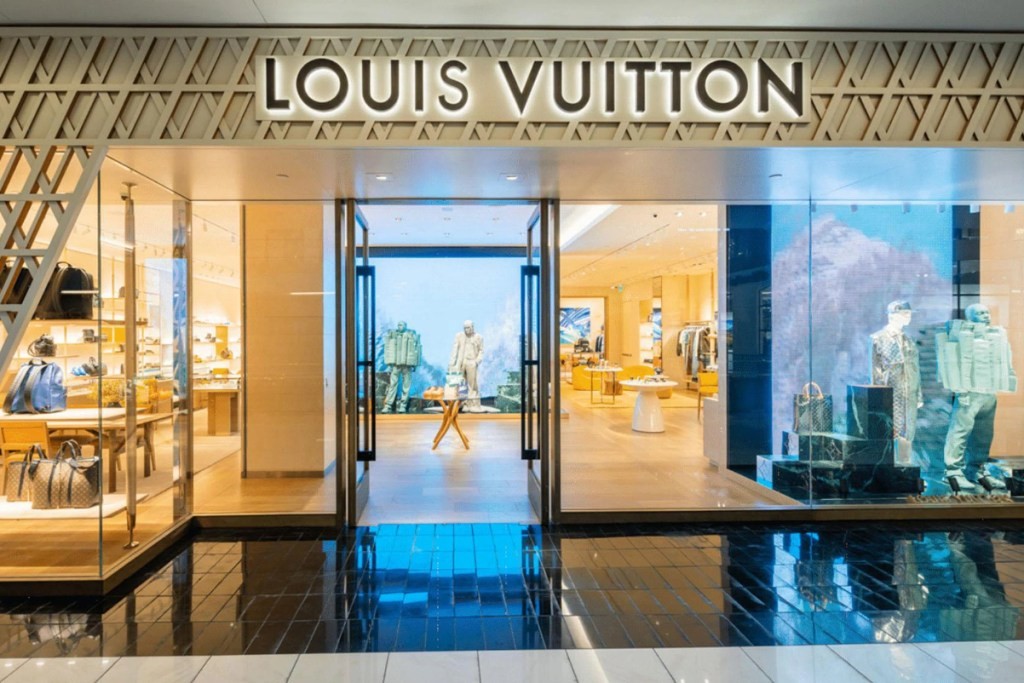
LVMH CEO has made it clear that the company has no plans to enter the hotel business. This demonstrates a strategic commitment to core luxury goods, and a willingness to let other brands dominate the hospitality space. The decision reflects a broader trend where luxury companies prioritize brand identity and exclusivity over diversification into adjacent markets.
These trends collectively illustrate a travel industry adapting to both opportunities and existential threats. The integration of AI, the shifting economic landscape, and the climate crisis are forcing businesses to innovate or risk obsolescence.