The travel sector is undergoing rapid changes, from airline fleet expansions to evolving data privacy strategies and shifts in international accessibility. Here’s a breakdown of key developments reshaping the industry.
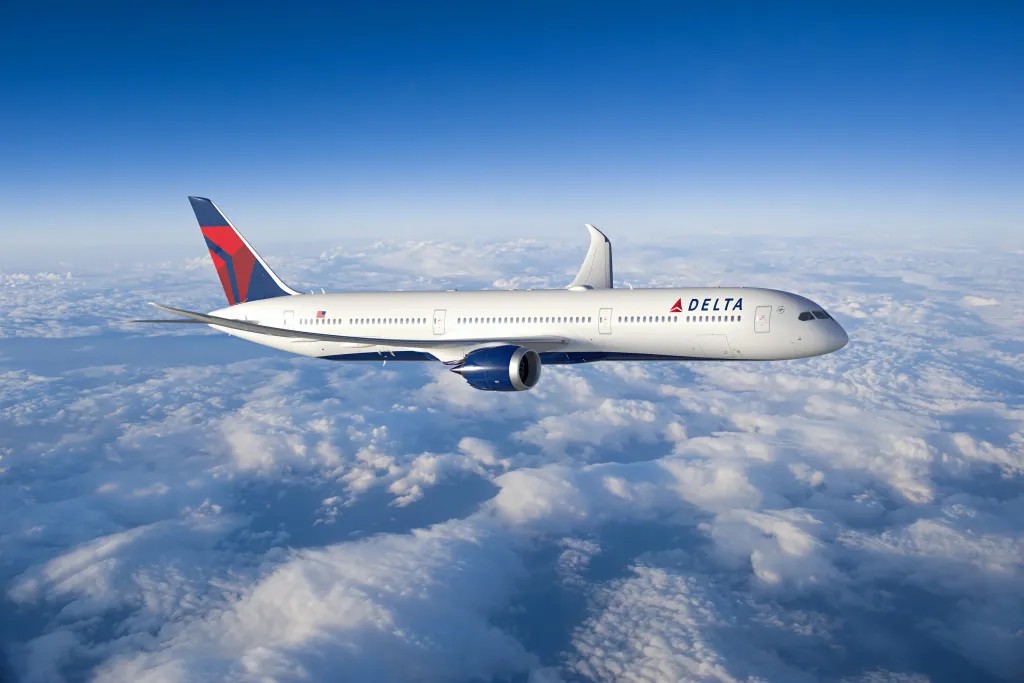
Delta Air Lines Expands Fleet with Boeing 787 Order
Delta Air Lines has committed to purchasing 30 Boeing 787 Dreamliners. This move signals confidence in long-term travel demand and a strategic investment in fuel-efficient, wide-body aircraft. The decision comes as airlines worldwide adjust fleets to meet post-pandemic recovery and anticipate future growth.
Data Privacy & Travel Marketing: The Rise of Identity Resolution
Digital privacy regulations are tightening, making traditional marketing methods less effective. Wunderkind’s Ronen Kadosh highlights the growing importance of identity resolution —accurately identifying customers across multiple touchpoints—for travel marketers. This allows brands to personalize direct bookings and foster customer loyalty despite increased privacy restrictions. This trend underscores the need for sophisticated data strategies as third-party tracking becomes more limited.
Google & Siri: The Battle for Travel Booking Control
Google’s integration of its Gemini AI into Siri represents a significant power play in the travel booking space. Google now has closer access to the “moment of intent” —when users actively search for travel options. However, Apple’s strong commitment to user privacy may limit how effectively Gemini can act on that intent. Travel is poised to become a key testing ground for these boundaries.
U.S. Passport Ranking: A Decline in Visa-Free Access
Despite remaining within the top-10 globally, the U.S. passport has lost visa-free access to seven destinations. This decline suggests a shift in the U.S.’s approach to international travel regulations, moving against the broader trend of increased global openness. The implications are that U.S. travelers may face more hurdles when visiting certain countries.
Trump’s Credit Card Cap Proposal: Industry Backlash
Former President Trump’s proposal to cap credit card interest rates at 10% has drawn sharp criticism from both airlines and financial institutions. Delta CEO Ed Bastian called the proposal “disruptive,” and Republican leaders have also expressed concerns. The industry fears the cap would destabilize credit markets and hinder consumer access to travel financing.
The travel sector is navigating a complex landscape of technological advancements, regulatory