Recent trends in air travel show a clear shift away from customer-focused service towards cost-cutting measures, impacting passengers across multiple levels. From cramped seating on Southwest to shrinking perks with Delta and American Express, travelers are facing a less comfortable and value-driven experience.
Southwest’s Packed Seating Policy
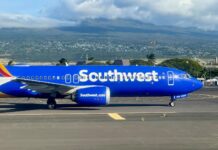
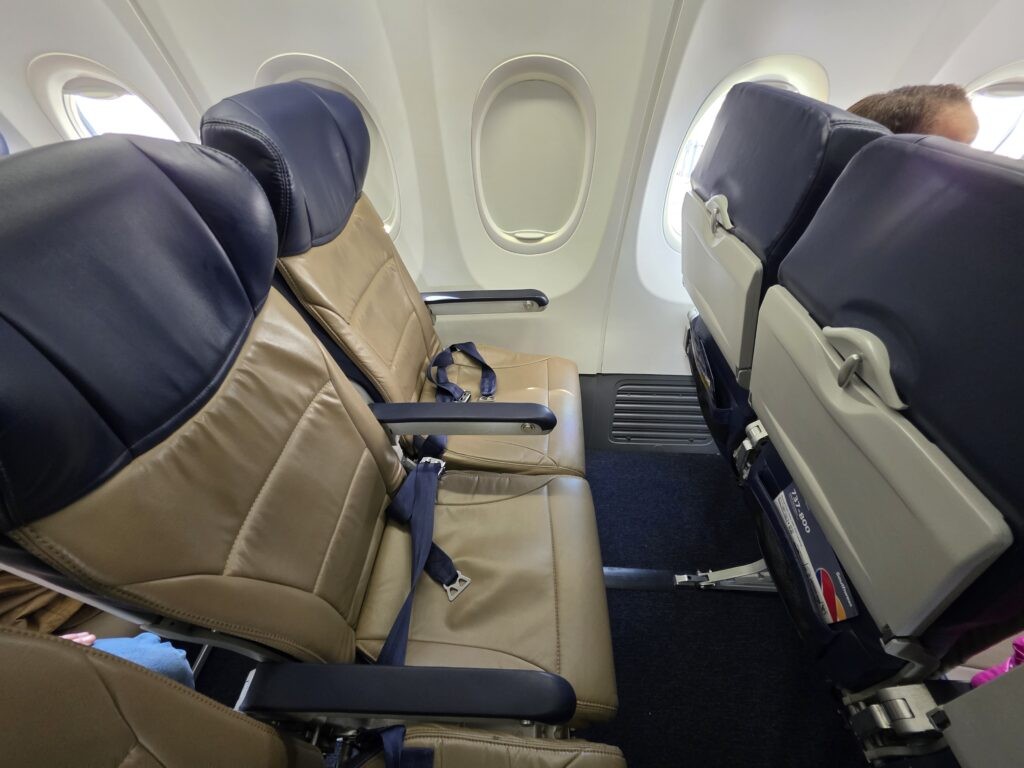
Southwest Airlines continues to enforce strict seating policies, forcing passengers into fully occupied rows even when adjacent, cheaper sections remain empty. This practice contrasts sharply with earlier brand positioning and suggests a move towards maximizing profit at the expense of passenger comfort. The policy has generated criticism for prioritizing revenue over customer well-being, especially in situations where passengers may be forced to share limited space with oversized carry-on bags or other travelers.
Cabin Condition Concerns on American Airlines
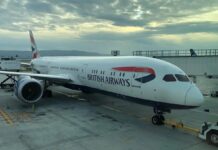
American Airlines faces scrutiny over the deteriorating condition of its aircraft cabins. Scuffed ceilings and visible wear-and-tear are becoming increasingly common, raising questions about maintenance standards. For an asset worth over $50 million, the condition of the cabin is unacceptable, reflecting a lack of respect for passengers and potentially signaling broader operational cost-cutting.
Shrinkflation and Benefit Reductions
The airline industry follows a pattern of “shrinkflation” where benefits are quietly reduced without significant price adjustments. Delta Air Lines and United Airlines have both reduced complimentary snack portions (like Biscoff cookies) to save money, while American Airlines has blamed pandemic supply chains for similar cuts. These incremental changes erode passenger value without transparent communication, contributing to a perception of declining service quality.
Amex Platinum Uber VIP Benefit Discontinued
American Express Platinum cardholders are losing access to the premium Uber VIP driver benefit in certain cities, replaced with “signature support” for issues instead. This change represents a shift away from tangible perks towards reactive customer service, weakening the card’s value proposition. The move underscores a broader trend where loyalty programs are being scaled back despite high membership fees.
The Erosion of Prioritization
A growing issue in airline and service industries is the dilution of priority systems. Passengers with high-tier status often find themselves in the same queues as general customers, diminishing the value of loyalty programs. When everyone is treated as a priority, the benefit becomes meaningless, highlighting a systemic failure to differentiate between customer tiers.
These changes collectively point to a broader trend: airlines and premium service providers are prioritizing short-term profit over long-term customer satisfaction. The industry is sacrificing comfort and value in favor of maximizing revenue, leading to a more frustrating and impersonal travel experience.