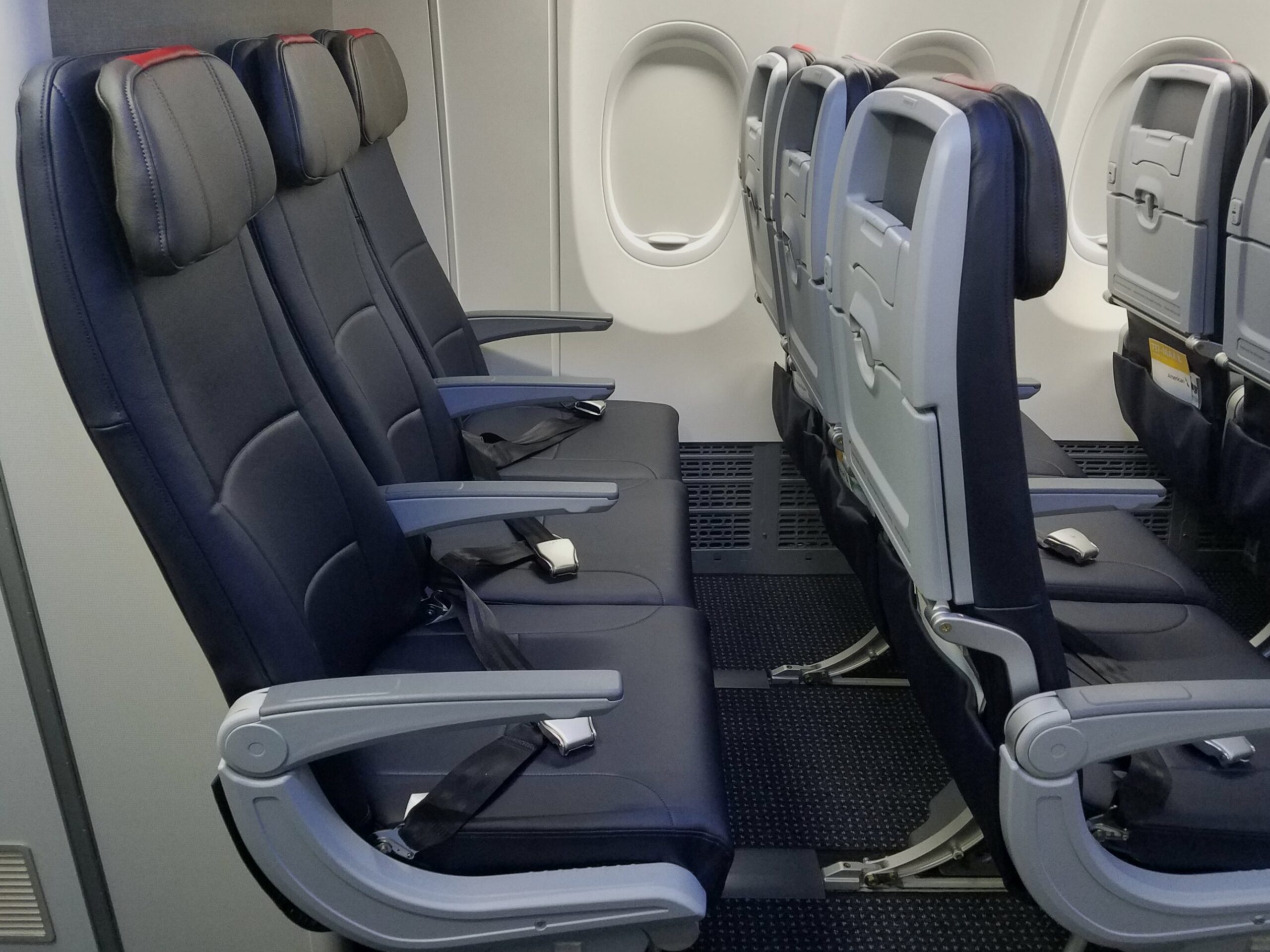
American Airlines has silently eliminated mileage accrual and elite status credit for its lowest-fare “basic economy” tickets, effective immediately. Passengers who purchased tickets before December 17th will still earn benefits under the previous rules, but new purchases will no longer contribute to frequent flyer accounts.
This change, first reported by aviation analyst JonNYC, follows a similar move by Delta and is more restrictive than United Airlines’ policy, which still awards some qualifying points. It represents yet another adjustment to basic economy fares since their introduction in 2017, with American consistently tweaking the rules without clear customer notification.
The Purpose of Basic Economy: Price Discrimination
Airlines utilize basic economy as a tool to compete with ultra-low-cost carriers like Spirit and Frontier without lowering prices for all passengers. By imposing significant restrictions, they offer cheaper seats to budget travelers while preserving higher fares for those willing to pay more. This strategy allows airlines to maintain revenue streams from business travelers and premium leisure passengers who are less price-sensitive.
The effectiveness of this approach relies on segmenting the market, offering low fares to those who care only about price and higher fares to those who value flexibility and benefits. American’s latest change appears to be a bet that frequent flyer program members will either upgrade to higher fare classes or remain loyal despite the devaluation. However, this could also push some passengers towards competitor airlines.
A History of Shifting Rules
American Airlines has a track record of frequent adjustments to basic economy rules. Since 2017, the airline has rolled out and reversed changes including carry-on bag allowances, seat assignments, and even temporary reinstatement of elite benefits during the pandemic. This constant flux suggests either a lack of long-term strategy or a willingness to experiment with customer behavior.
The airline has previously allowed passengers to retain some ticket value upon cancellation, even offering upgrades to basic economy fliers during certain periods. Now, by eliminating mileage accrual, American is signaling a stronger commitment to upselling passengers to higher fare classes.
Why This Change Could Backfire
American Airlines relies heavily on ancillary revenue, particularly from its co-branded credit card partnerships. Encouraging travelers to join AAdvantage is crucial for driving credit card applications, which contribute significantly to the airline’s profits. By removing the incentive to earn miles on basic economy fares, American risks deterring new customers from engaging with the program.
The airline’s financial model depends heavily on co-branded credit card revenue, with an estimated 50% profit margin. Reducing the appeal of AAdvantage could weaken this revenue stream, as fewer customers will be motivated to join or upgrade their accounts.
Ultimately, American Airlines’ decision to devalue basic economy fares may prioritize short-term ticket revenue over long-term customer loyalty and credit card partnerships, a trade-off that could prove costly in the future.