加济安泰普不仅仅是地图上的另一站。 这座城市几个世纪以来一直保持着生机,帝国、商人和叛乱分子都在这里留下了自己的印记。 它位于历史悠久的丝绸之路上,一直是一个商业中心。 但今天,吸引您的是美食。这座城市因其在独立战争中的激烈作用而获得了“加齐”的称号,但联合国教科文组织认可的“美食之城”使其成为值得计划旅行的目的地。
如果您正在寻找加济安泰普的旅行选择,您需要的不仅仅是一张清单。 您需要知道历史在哪里以及最好的果仁蜜饼实际上是在哪里制作的。 本指南消除了噪音。 以下是您需要参观的地方,以了解这座城市的灵魂。
1. Bakırcılar Çarşısı (Coppersmith Market)
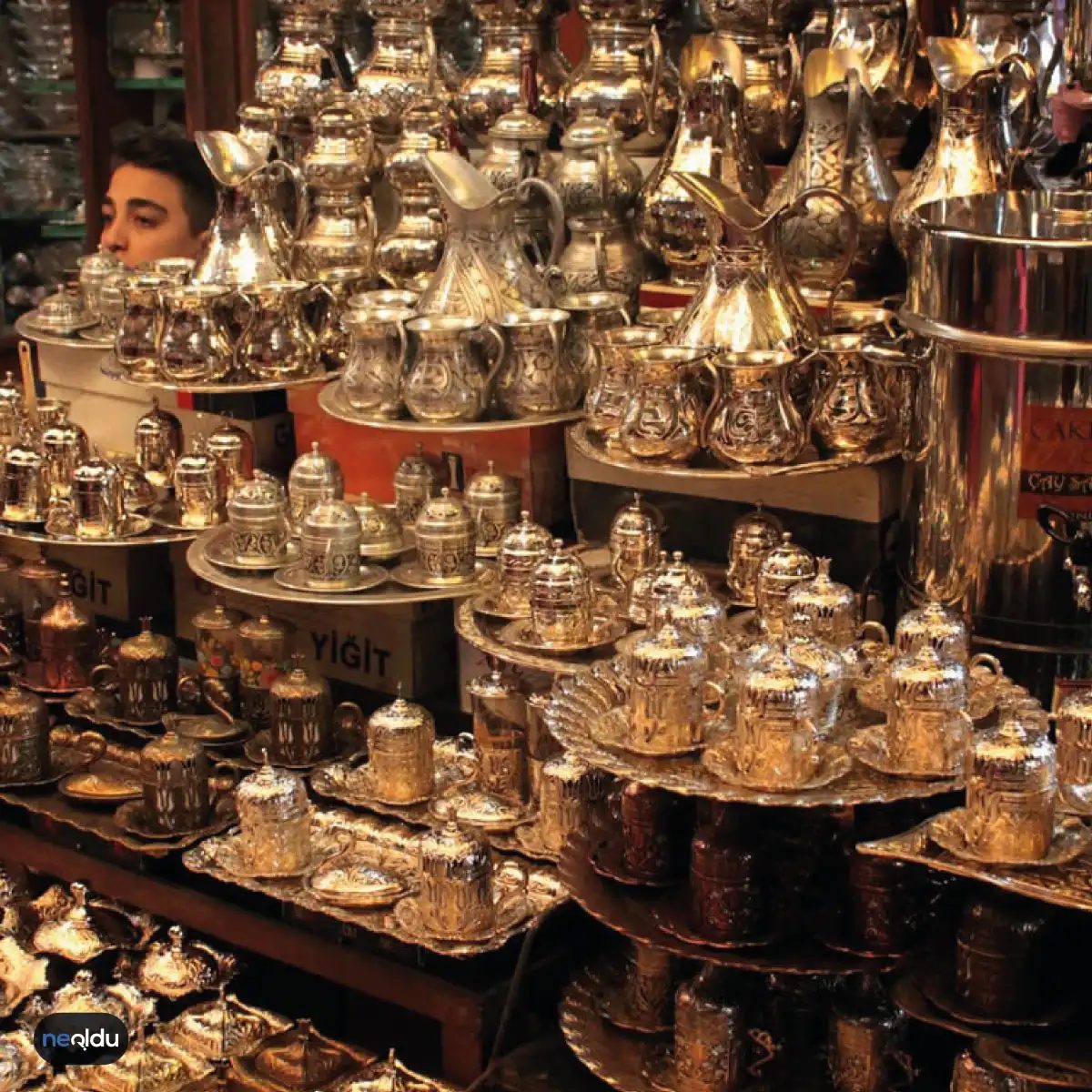
It is impossible to talk about Gaziantep without starting here. Coppersmiths Bazaar overloads your senses in the best possible way. Located in the heart of the old city, near the Great Mosque. When you walk in there, it feels like you’ve wandered into another time and space.
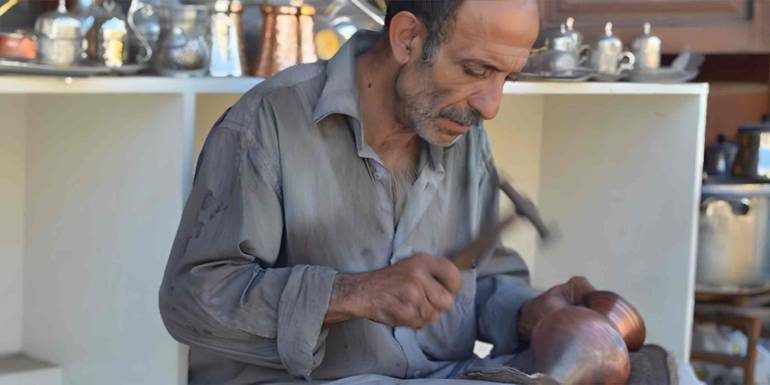
The air smelled of metal and spice. Craftsmen hammer copper into trays, jars and decorations. There are also shops that sell antiques. Some people create new things using traditional methods that have been passed down from generation to generation. This is more than just a market. This is a workshop.
**Why go? **
– Look at the work of the craftsmen.
– Buy genuine copper products as souvenirs.
– Experience the beating heart of the old town.
The bazaar is part of a larger complex. There are also other shops selling spices, textiles and sweets nearby. It’s easy to get lost. That’s part of the fun. Walk until you find a small courtyard. Sit. Drink tea. Watch the world go by.
This is not a museum exhibit. It is a lively and vibrant district. I leave only the memory of a copper plate or the sound of a hammer. Both are worth it.
If you’re planning a trip to southeastern Turkey, it would be a mistake to miss Bakırcılar Çarşısı (Coppersmiths’ Market). This is not just a souvenir shop. It is the center of Gaziantep’s artisanal history. The complex has a dense network of workshops and shops, where copper is still worked by hand and the loud hammers echoes against the stone walls.
For travelers looking for authentic local culture, this market offer a tangible link to the past. The intricate copper goods have long been a major attraction for tourists. You can see trays, tea sets and decorative plates made with techniques passed down from generation to generation. These are not mass produced products. They are heavy, polished and undeniably authentic.
The market has existed since the 16th century. That is over four hundred years of continuous operation. This is a testament to the resilience of Gaziantep’s trading traditions. Although the main focus is on copper, the market is far more diverse. The stalls are full of spices, and the air is filled with the scent of cumin, sumac and dried mint. Known for their softness and resilience, Yemeni fabrics are also widely used.
Visit during the day to watch artisans at work. You can see sparks flying as the metal is being molded. Here you can negotiate prices, ask questions and see the craft up close. The atmosphere is chaotic but controlled. It’s an experience that stays with you long after you leave.
Navigating the Market’s Offerings
準備ができていないと、Bakırcılar Çarşısıのレイアウトに圧倒されてしまうかもしれません。 道は狭く日陰があり、夏の暑さを和らげてくれます。 そのため、午後遅くに探索するのに理想的なスポットです。 より大きなバザール内に銅の販売者が集まって専用のエリアを作っているのがわかります。
注目すべき主要な領域と項目は次のとおりです。
- 銅工房: 職人たちが活発に働いているオープンフロントを探してください。 多くの場合、完成品を購入するよりも、作品が形になっていく様子を見るほうが魅力的です。
- Spice Stalls: The scent is immediate. ここではスパイスを大量に購入でき、多くの場合スーパーマーケットよりも安く、種類も豊富です。
- **Textile Vendors:Yemeni fabrics are a highlight. 衣類や家の装飾によく使用されます。 色は明るく、素材は高品質です。
- Historical Context: 建物自体の歴史は数世紀前に遡ります。 アーキテクチャに注目してください。 アーチと石造物は、それぞれ独自の物語を語ります。
なぜ観光客がここに集まるのでしょうか? これが本物です。 工場生産品の世界では、手作業で鍛造された銅が際立っています。 重みがあります。 歴史があります。 それは、誰かが何時間も、あるいは何日もかけてそれを作成したことを示しています。
Practical Tips for Your Visit
Getting there is straightforward. The market is located in the historical center of Gaziantep. You can walk to it from most central hotels. It is part of the larger Grand Bazaar (Ulu Cami Çarşısı). If you use public transport, the trolley cars stops nearby.
Bring cash. Some large shops may accept credit cards, but smaller artisans prefer cash. Small bills are helpful for bargaining
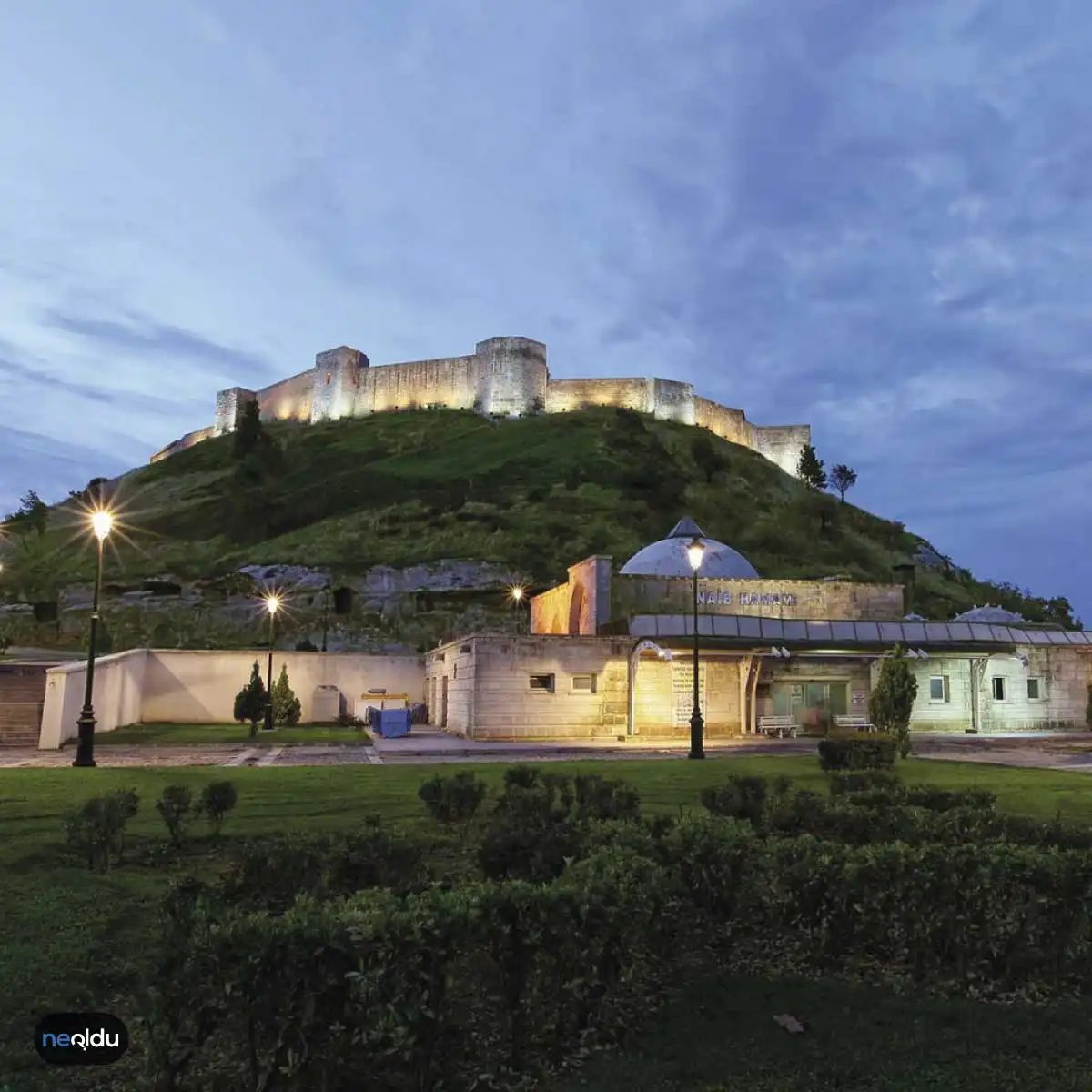
Gaziantep Castle: History and Views
The exact founding date of Gaziantep Castle is still a historical mystery, but its role as a symbol of the city is undeniable. A fortress built during the Roman period was not just an ornamental structure; It was a functional barrier to monitor and control access to the city. Despite its age, the preservation rate is remarkably high.
Visitors with a student or teacher ID have free access. This makes it a cost-effective way to enjoy panoramic views of Gaziantep from above. Located in the Şahinbey district, the climb provides context for the city’s layout, although the real history lies within these ancient stones.
Zeugma: Home of the Beloved
You can’t talk about the archaeological importance of Gaziantep without mentioning Zeugma. While the castle guards the present, Zeugma guards the past. It is an ancient Greek city founded around 300 BC.
was founded and is often called the “Pearl of the Euphrates”.
The place is best known for its floor mosaics.
When the Birecik dam project threatened to flood the area, archaeologists and art conservators worked tirelessly to save these artifacts.
The result is the Gaziantep Museum, which has the world’s largest collection of Roman mosaics.
Which mosaics are a must-see?
– Gypsy girl: A young woman with a slight smile and a flower in her hair. It is the most iconic image in the museum, although older guides may refer to her as “the black woman”.
– Orpheus: A dynamic piece showing a musician playing his lyre and captivating the animals around him. The details of feathers and fur are amazingly realistic.
– Dionysus and Ariadne: These works depict mythological scenes in bright colors that have been preserved underground for thousands of years.
“Zeugma was a trading center where East met West. Mosaics are not just art, they are snapshots of everyday life, mythology and power.”
Where can you see them?
Although some of the original mosaics still exist at the archaeological site, the best collection is housed in the Gaziantep Archaeological Museum. This museum is basically a UNESCO World Heritage Site in itself. Plan to spend at least two hours here. The lighting is controlled and the captions are detailed, but it’s easy to get lost in the huge amount of artwork.
Logistics:
– Price: There is an entrance fee to the museum (prices change, so check current prices). It is one of the best museums in Turkey, so the price is justified.
– Schedule: Visit in the early morning or late afternoon to avoid the tour groups that often cluster around the “Gypsy Girl”.
– Transportation: The museum is centrally located. If you are staying in the city center, you can walk or take a short dolmuş taxi ride.
Why are these mosaics important? They survived the flood. They survived neglect. They survived being dismantled piece by piece and rebuilt into a modern building. When you see them, you get a tangible sense of what was lost and what was saved.
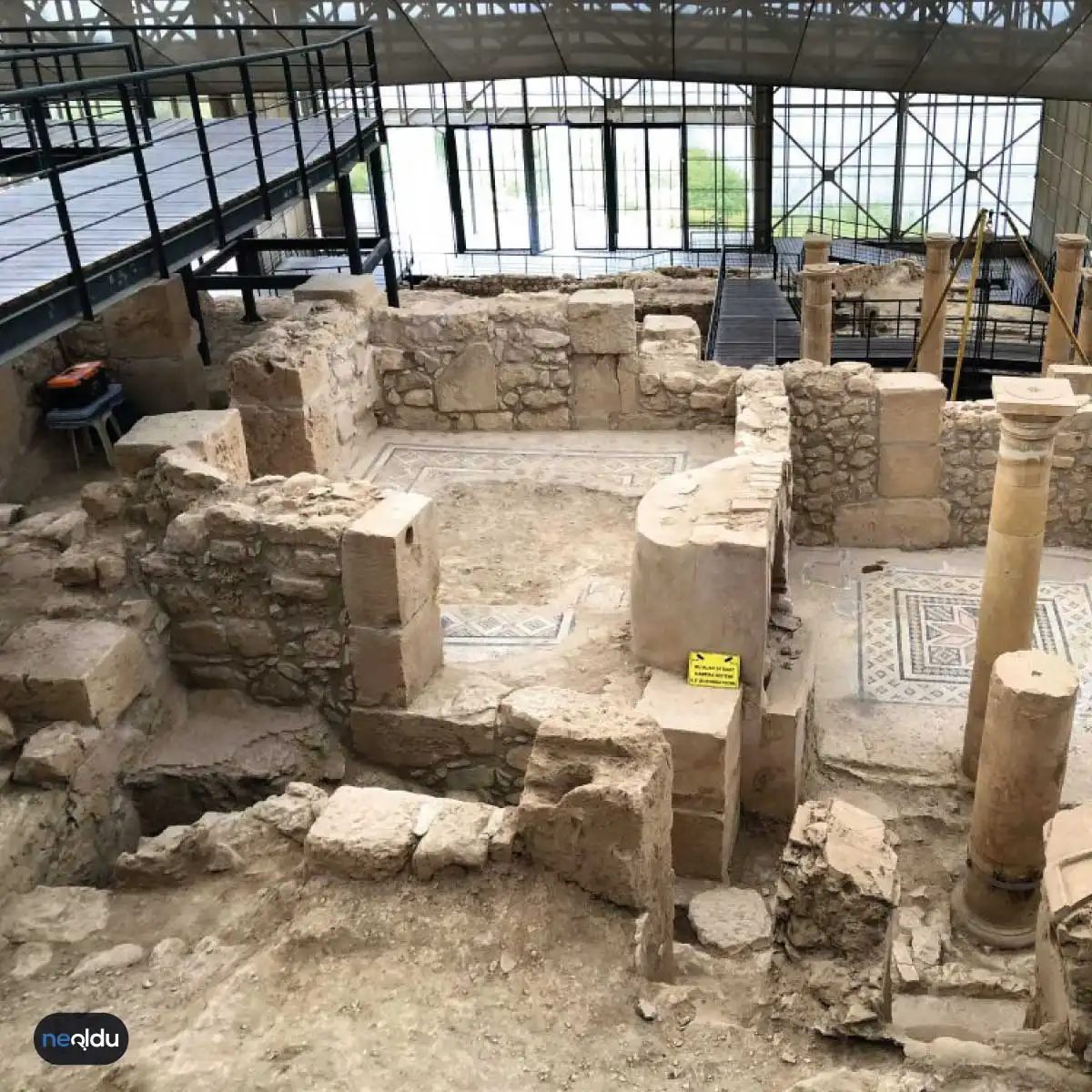
If you are hunting for the famous mosaic of the Gypsy Girl, you need to look beyond Gaziantep’s city center. The artifact that put this region on the global map was unearthed in the ancient city of Zeugma, located about 60 kilometers away in the Nizip district.
The Origin of a Roman Bridgehead
Zeugma wasn’t always called that. It was originally founded by Seleucus I Nicator, one of Alexander the Great’s most capable generals, after the Battle of Ipsus around 300 BC. For a time, the settlement bore Seleucus’s name. But once it fell under the control of the Roman Empire, it became Zeugma, Greek for “bridge” or “crossing.”
The name stuck because of its strategic geography. Perched on the eastern bank of the Euphrates River, the city served as a critical military and trade nexus between the Roman East and Parthia (later Persia). It was a wealthy, cosmopolitan hub where Latin, Greek, and local Semitic cultures collided.
Why the ‘Gypsy Girl’ Mosaic Matters
The site’s fame rests on one specific mosaic, now housed in the Gaziantep Archaeological Museum. Often referred to internationally as the “Gypsy Girl,” scholars prefer the term “Young Woman from Zeugma.” Her haunting, realistic gaze—painted with encaustic wax techniques rare for Roman mosaics—has made her an icon of antiquity.
Seeing the original is difficult. The mosaic was removed from the site in the 1980s and 90s to protect it from rising waters as the Birecik Dam project expanded downstream. Without removal, it would have been submerged under the Euphrates reservoir. If you visit the site today, you’ll see copies or fragments in situ, but the masterpiece itself resides in Gaziantep.
Visiting the Ruins of Zeugma
Zeugma is less of a polished tourist attraction and more of a raw archaeological landscape. The ruins sprawl across a vast area, including residential quarters, baths, and parts of the city wall. The terrain is flat and exposed to the sun.
- Logistics : You can reach Nizip by bus or private car from Gaziantep. The drive takes roughly an hour.
- What to See : Look for the remnants of the Roman bridge foundations in the riverbed during dry seasons. The archaeological park includes reconstructed sections of houses and public buildings, giving you a sense of the city’s scale.
- Timing : Go early in the morning or late afternoon. Midday heat offers little shade.
From Ancient Stones to Modern Play
After absorbing the weight of Roman history in Nizip, return to Gaziantep to shift gears completely. The city’s cultural identity is deeply tied to its crafts, and nowhere is this more playful than at the Gaziantep Toy and Game Museum.
4. Gaziantep Toy and Game Museum
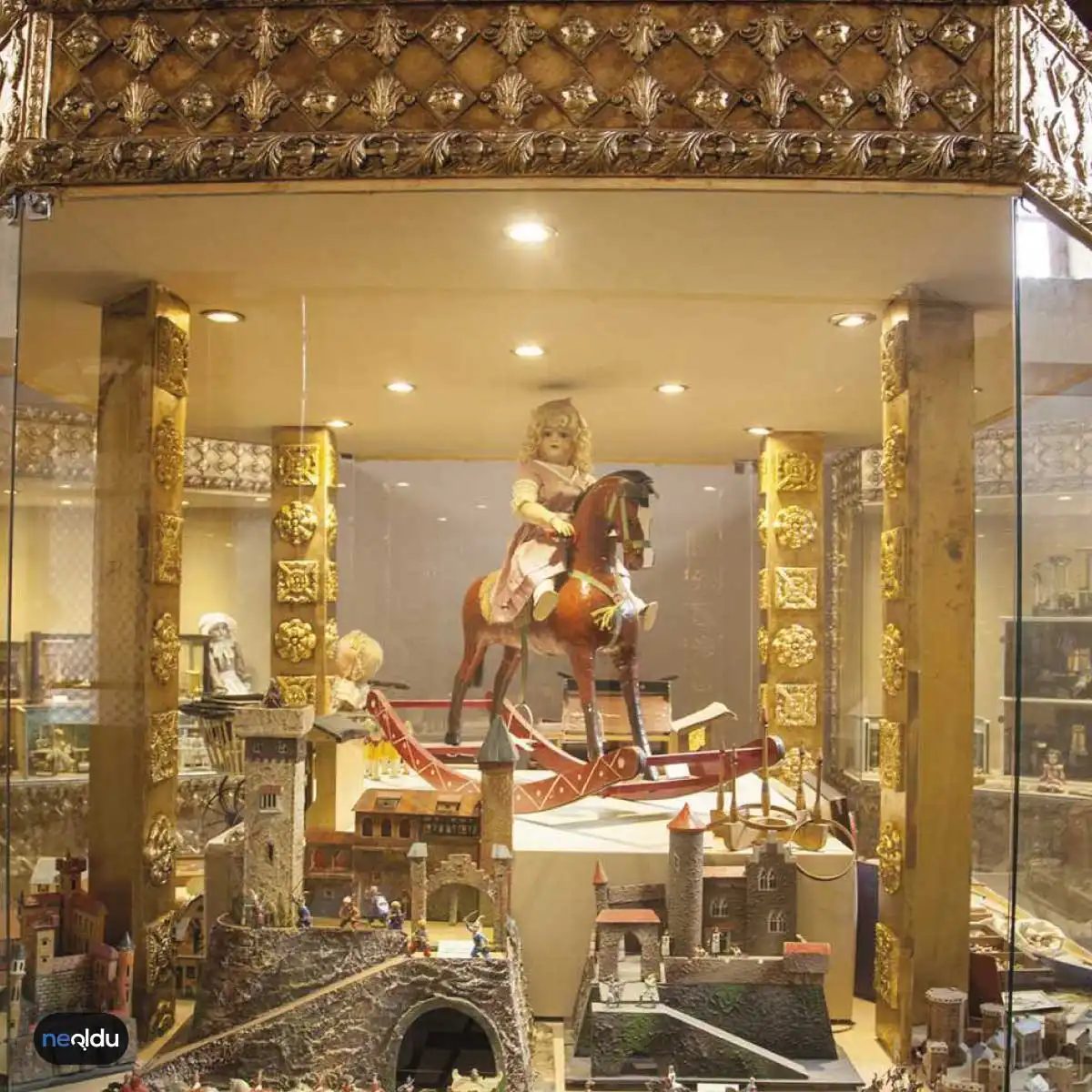
This isn’t a dusty archive of obsolete plastic. It’s a vibrant celebration of the city’s renowned craft tradition. Gaziantep has been a center for toy manufacturing for centuries, producing everything from
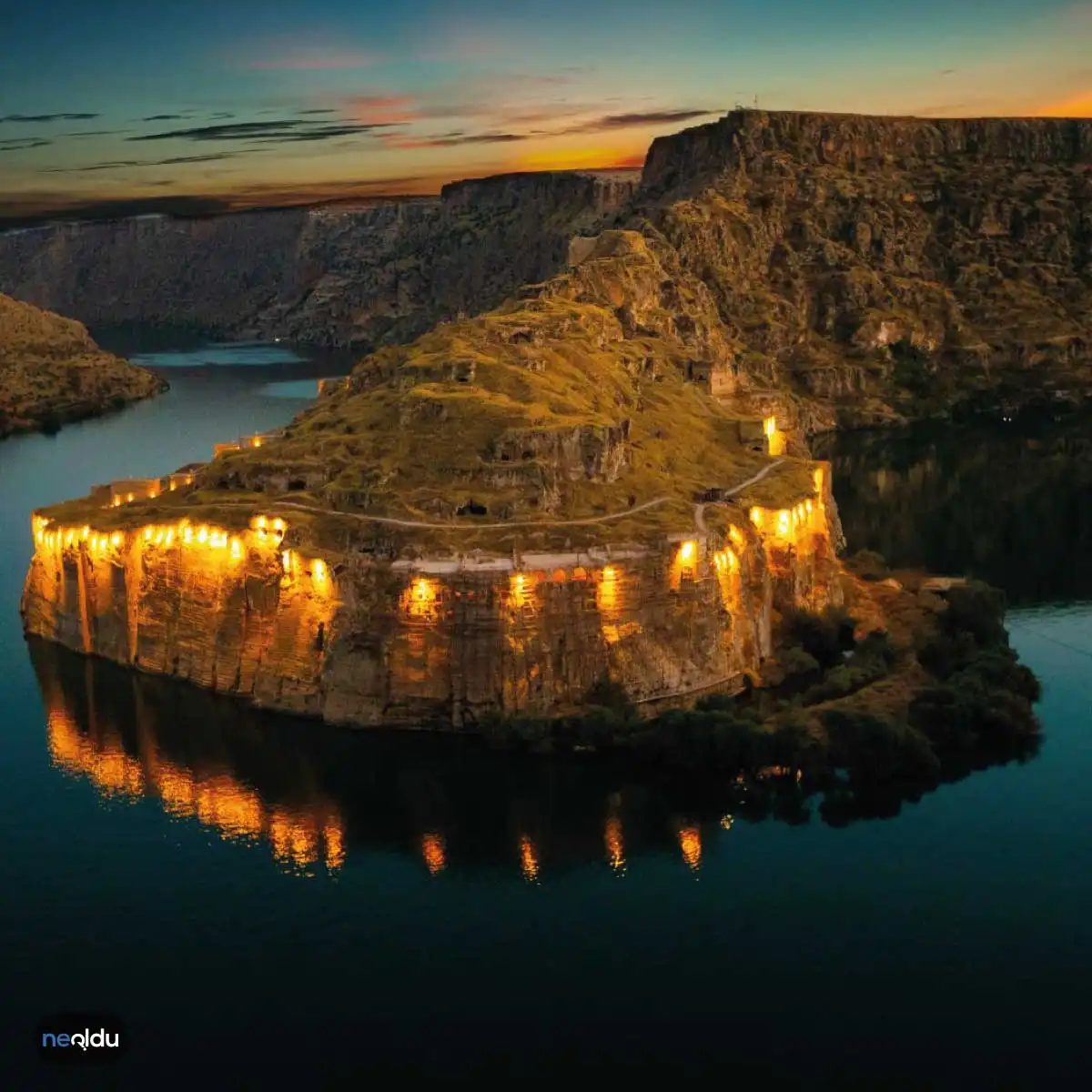
5. Rumkale
The Toy Museum has carefully curated retrospectives, and in Rumkale you can peek right through the fog. It’s not so much a destination as a destination that you have to work hard to reach.
This castle is located near the city of Mardin and is located on a cliff overlooking the Euphrates River. You don’t drive to the door. you hike The road is steep and dusty, lined with olive trees that drop their fruit as we pass. The climb takes about 45 minutes. Even longer if you stop to catch your breath. Or take a picture of the river below, which looks like a ribbon of mercury winding through the canyon.
The site is old. It was a Hittite fortress, a Byzantine fortress and a Crusader outpost. The name “Rumkale” is derived from the Arabic word Qal’at al-Rum which means “Castle of the Romans”. The label “Roman” is a bit loose. It refers to the Byzantines who ruled the river for centuries. But the name stuck.
Why go? Because the silence here is heavy.
There are no ticket points. There were no tour guides shouting over the loudspeakers. A crumbling stone wall that witnessed the rise and fall of empires. Part of the main castle has collapsed, but the view from the upper terrace is beautiful. You can see the Turkish border across the river from Syria. On a clear day, you might be able to see the silhouette of Mount Cilo.
It is sturdy. Unpolished. This is not a theme park. The stairs are uneven. The shadow is deep. Sturdy shoes are required. Water also helps, especially in summer when the heat radiates from the limestone.
Many tourists combine their visit with a trip to the city of Mardin, which is a 15-minute drive from the mountain. Mardin is made entirely of white stone, with arched roofs and a maze of winding narrow alleys. But Rumkale is different. It feels more abandoned by time than preserved by it.
If you go in spring, the slopes are full of wildflowers. In autumn, the air clears and the light turns golden. Avoid winter as it can be wet and slippery. It’s hot in the summer, but if you go early you’ll be fine.
There is no entrance fee. Just respect. Don’t carve your name into a thousand-year-old mortar. Do not climb where the rock appears loose. Take your trash home with you.
The return hike is just as steep. Your legs will burn. But when you reach the bottom, the river continues to flow despite your efforts. That’s the point.
6. Şahinbey Milli Mücadele Müzesi
Just a short drive from the estuaries and ancient ruins, the air has a completely different gravity. Şahinbey National Struggle Museum is not a place you visit to see beautiful things. It is here to remember. Located in the heart of the city, this museum documents the fierce resistance against French occupation during the Turkish War of Independence.
French troops occupied Gaziantep in 1920 with the support of British troops. They stayed for three years. The story of their expulsion is carved into this building. The museum itself is located in a former French military headquarters, which adds a certain irony to the exhibits. You walk through rooms that were once command centers for the occupying forces and are now filled with artifacts from the local resistance.
Why visit this museum?
It provides a concrete overview of the Turkish War of Independence in Gaziantep, specifically the Battle of Gaziantep in 1922. This was not a distant historical event. It was close, brutal and decisive. The exhibition includes personal diaries, weapons, photos and documents depicting the daily lives of soldiers and civilians alike.
What to see:
* The French Headquarters Rooms: Stand in the actual offices where French commanders planned their operations. The walls still bear the scars of the conflict.
* Resistance Artifacts: View young fighters’ homemade weapons and letters. The raw emotion in these documents is palpable.
* The Courtyard: The central Courtyard contains statues and Monuments dedicated to the Martyrs of the battle. It is a peaceful place to reflect.
Practical details:
* Location: Şehitkamil district, near the city center.
* Price: Admission is very affordable, usually around 20-30 Turkish lira for adults (prices may change).
* Schedule: Allow 1-2 hours for a thorough visit.
* Best time to visit: Early morning or late afternoon to avoid the heat and crowds.
This museum is not just about history. It’s about identity. For travelers interested in the Turkish War of Independence, this site provides important contextual information. Gaziantep’s resistance was one of the earliest and most determined. The French eventually withdrew, but the spirit of this resistance remained.
You might wonder why such a specific local history is important to a global traveler. It is important because it shapes the city today. The people of Gaziantep are proud of their role in the founding of the nation. A visit to this museum is one way to understand this pride. It’s not a soft history. It is difficult, real and necessary.
The exhibitions are well organized, but they can be emotionally heavy. Take your time. Read the plaques. Look at the faces in the pictures. These were real people. Their struggle led to the modern Republic of Turkey. Without their efforts, the map of the region would look completely different.
Directions:
Take a dolmuş (shared minibus) from the city center. Tell the driver that you are going to Şahinbey Museum. It’s a short ride. The museum is well signposted.
What to bring:
Notebook
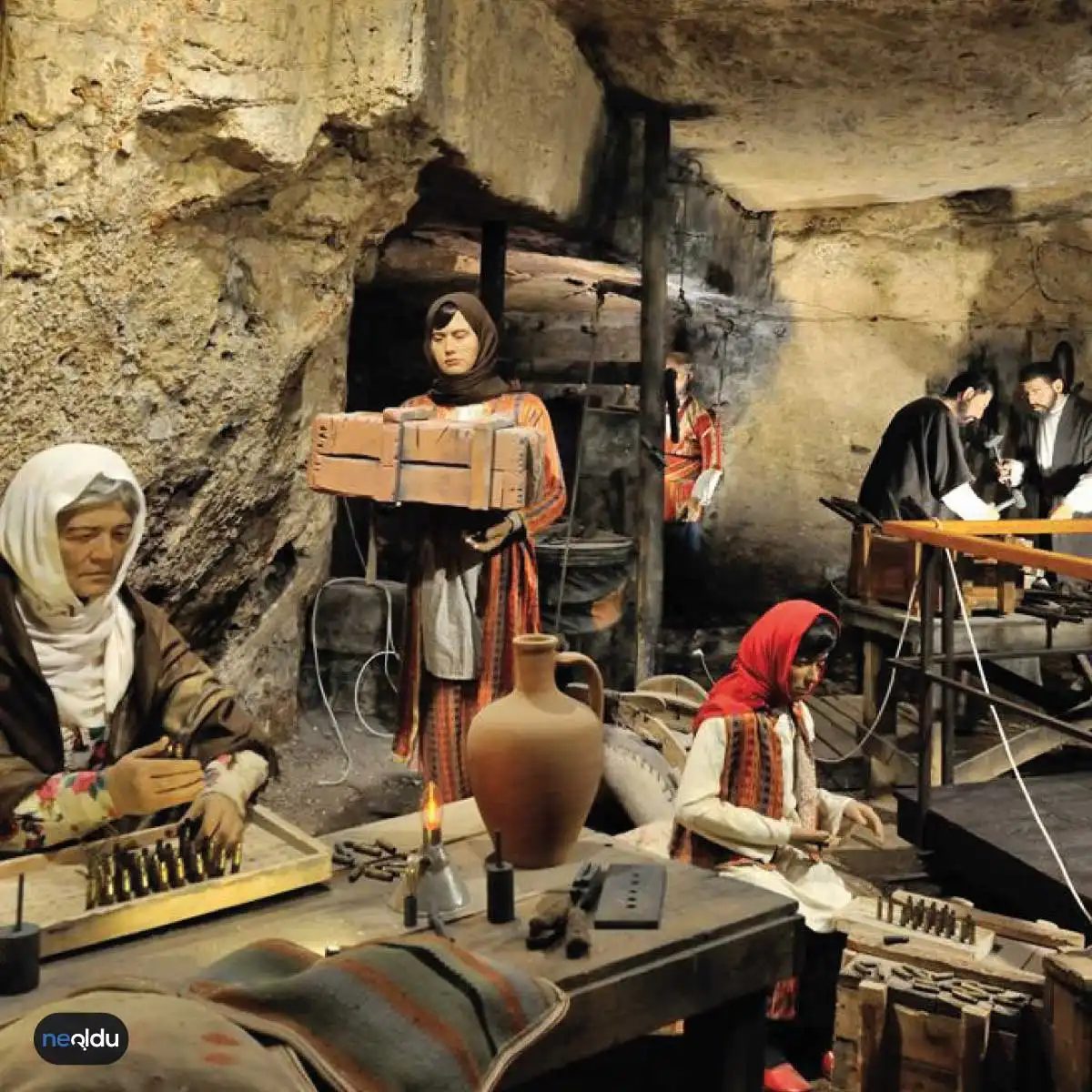
Of course we go to Gaziantep for kebabs. Everyone does it. But stick to the story, which rests firmly on the ground. This has a special gravity.
First you need to check out the Şahinbey National Struggle Museum in Şehremini. It’s not just a place for dusty things. It is a reminder of how hard people fought during the war years. The museum is divided into two buildings, one of which has a cave. Inside, wax figures bring the resistance to life. They don’t just sit there. They recreate the daily struggle. It feels immediate. Raw. You go through it and understand the weight of that time in a way that a textbook never could.
7. Karkamış Ancient City
Then there is Karkamış.
It’s right on the border. You can look across the Euphrates and see Syria. The site itself is located kilometers from the city center, near the town of Nizip. It takes time to get there. The road is long. If you come here in the summer, the heat can be brutal. But for archeology lovers, it’s non-negotiable.
This was the capital of the kingdom of Carchemish. At its peak, around the 13th and 12th centuries BCE, it was a great power. It competed with Egypt. It fought against the Hittites. The ruins are huge. You won’t see a few scattered rocks here. You are looking at city gates. Temple foundations. Royal Courts. The scale is intimidating.
The best time to travel is early morning or late afternoon. Light changes the way you see limestone. It’s getting warm. The shadows grow longer. This makes the silence feel louder. Bring water. There is nothing but dust and history. No cafes. No shade.
Why is it important? Because Carchemish changed the map of the ancient world. The Battle of Carchemish in 605 BC marked the end of Assyrian supremacy and the rise of the Neo-Babylonian Empire. You can stand where this change has taken place. It’s abstract until you get there. Then it’s concrete.
Look for relief. Some are still there. Others are in museums in Gaziantep or Ankara. But do you see the original stonework here? This is different. The craftsmanship is precise. The stories carved into the rock are scattered, but powerful. A king who stands tall. A lion attacks its prey. Deity watching.
It’s remote. It’s hot. It’s exhausting. And it is one of the most important archaeological sites in the Middle East. If you’re in the area, don’t miss it. Just check the road conditions first. Sometimes the border tension affects access. Always verify before you drive.
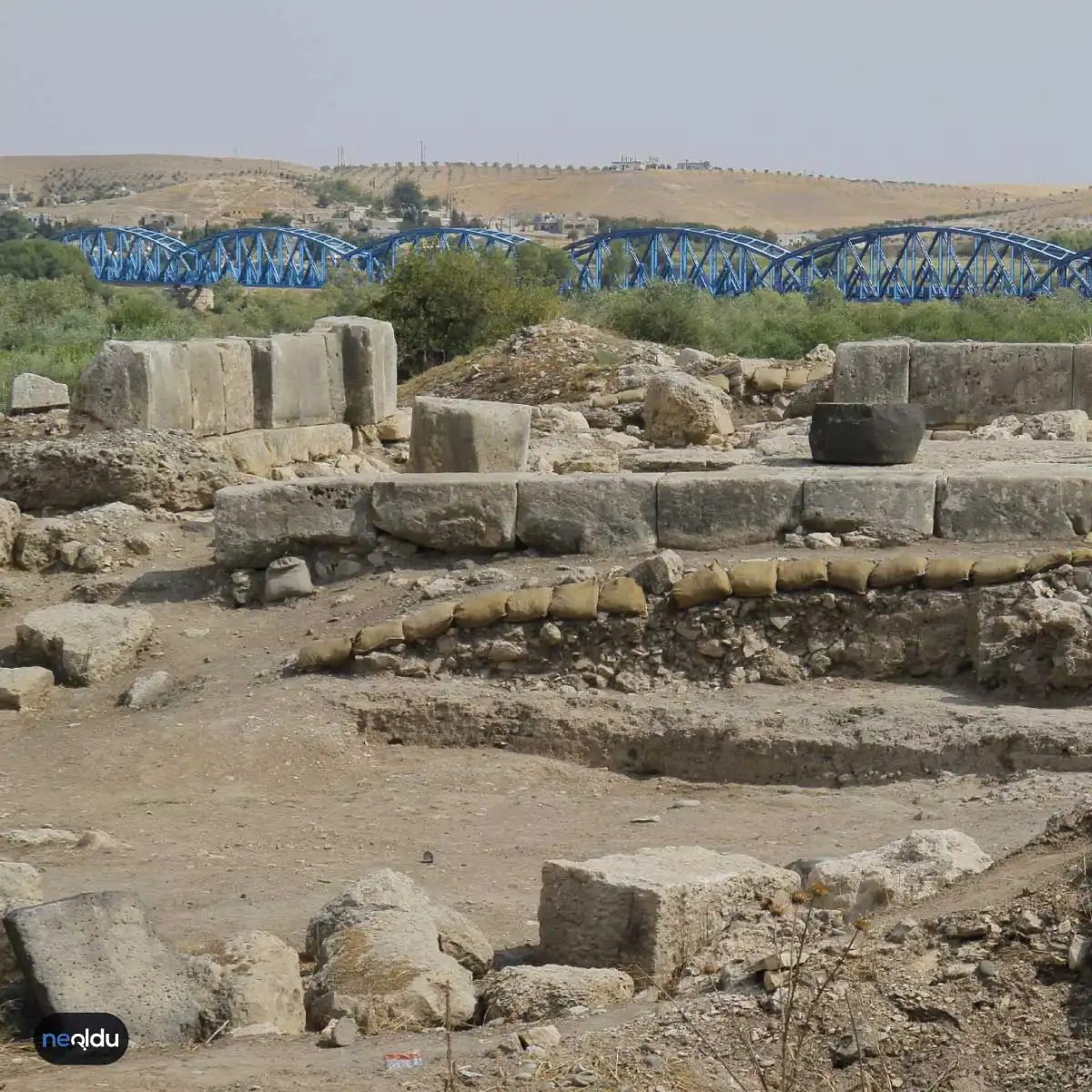
The Euphrates has shifted its course over millennia, swallowing parts of history along the way. But where the water receded, the ancient city of Karkamış remains. It is a place where the river forms the border between Turkey and Syria, a strategic choke point that has watched empires rise and crumble for thousands of years.
Beyond the obvious: Gaziantep’s archaeological frontier
If you are asking yourself where to go in Gaziantep beyond the food and the carpet museums, Karkamış demands to be on your list. It is not just another ruin; it is a window into the Early Bronze Age, dating back to around 1000 BC. The site sits roughly 70 kilometers from the heart of Gaziantep city. That is about an hour and a half drive north, away from the urban bustle and into a landscape that feels suspended in time.
Archaeologists have pulled more than just pottery from the dust here. The artifacts unearthed at Karkamış are significant enough to be displayed in major institutions. You can see the tangible proof of this civilization in Ankara at the Museum of Anatolian Civilizations, or closer to home at the Gaziantep Archaeology Museum. Seeing those shards in a glass case makes the 70-kilometer trip feel less like a detour and more like a pilgrimage.
The logistical reality of visiting Karkamış
Getting there is straightforward but requires planning. The site is remote. You will need your own transport, as public transit options are sparse in this direction. Once you arrive, the scale of the excavation is what hits you. It is not a manicured park with signage every ten meters. It is an active dig site that operates under the shadow of a modern international border.
The heat can be intense, especially if you visit between June and August. Bring water. Bring a hat. The lack of shade is real. But the silence here is heavy. You are standing on ground where the Hittites, the Egyptians, and the Assyrians once clashed for control of the trade routes. It is a stark, dusty reminder of how geography dictates history. The river doesn’t care about your itinerary, and neither did the armies of old.
Karkamış Antik Kenti: A closer look
The name itself, Karkamış, has roots that stretch back through Aramaic and Hittite languages. It was a major administrative and religious center. The temple complexes here were once adorned with reliefs that depicted gods and kings. Many of these were removed during earlier, less ethical excavation phases, which is why you see so many fragments in museums rather than standing columns in the ground.
Still, walking through the main gate gives you a sense of the city’s layout. The acropolis rises on one side, the lower city spreads out below. It is easy to imagine the caravans moving along the Euphrates, bringing silk, spices, and conflict. The proximity to the Syrian border adds a layer of tension to the visit. You can see the checkpoint, the fences, the watchtowers. It grounds the ancient in the present. This is not a isolated historical bubble. It is living on the edge of current geopolitics.
Why this site matters for the modern traveler
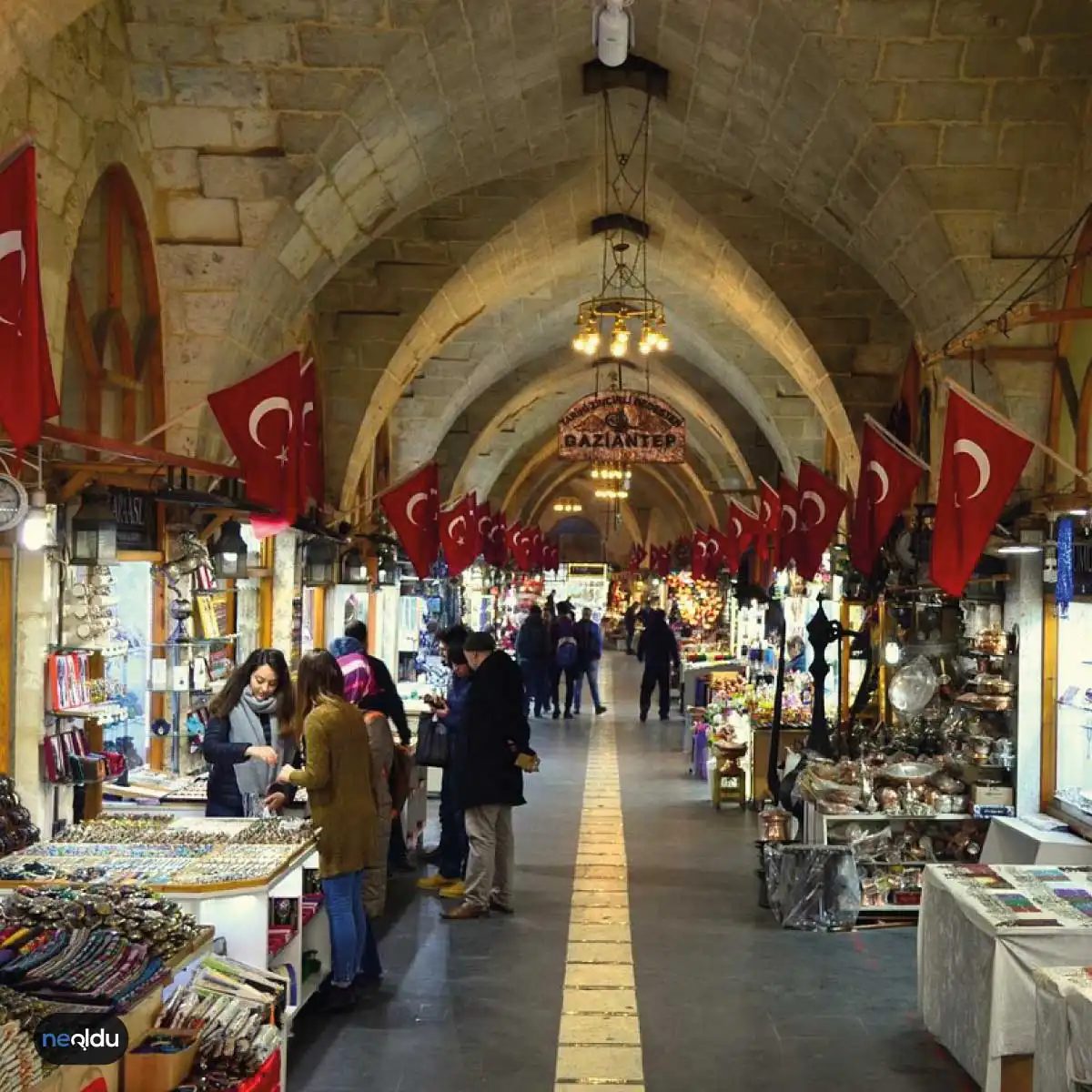
The Zincirli Bedesten isn’t just another souvenir shop. It’s one of the few caravanserais in Gaziantep that has survived since the 18th century. Locals call it the Kara Basamak Bedesteni —the Black Staircase Bazaar—for good reason. You climb up stone steps into a dim, cool interior that smells of cumin, dried apricots, and leather. It’s a working market. Real ones. You’ll find spices weighed on brass scales, handmade copper trays, and local delicacies that you won’t see in tourist traps. The air is thick. The prices are fair if you haggle gently. It’s the heart of old Gaziantep commerce.
The Zeugma Mosaic Museum: A Roman Time Capsule
If the bazaar is the soul of the city, the Zeugma Mosaic Museum is its memory.
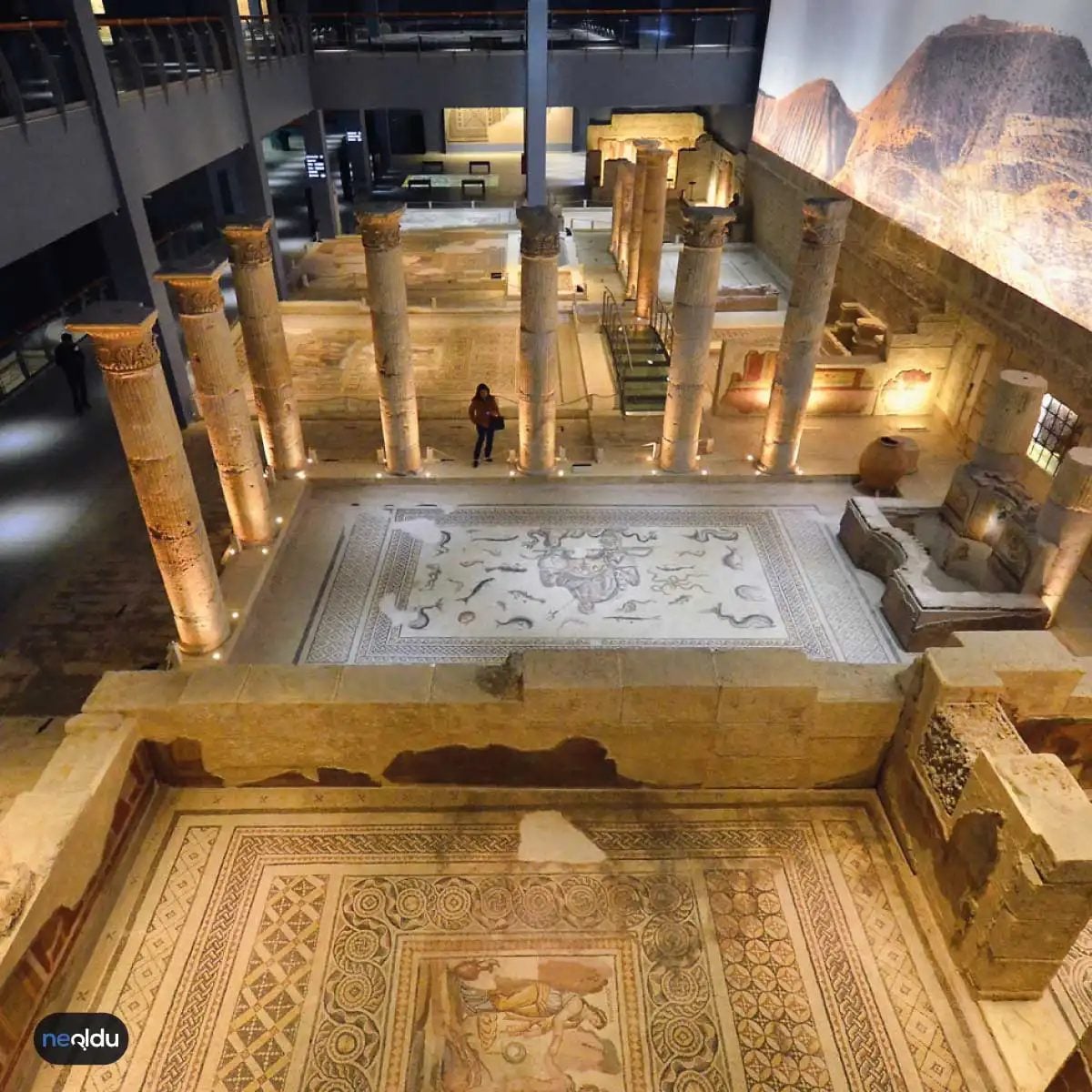
Located on a hill overlooking the city, this museum houses the largest collection of ancient mosaics in Turkey. The site itself was once the Roman city of Gerasa, later renamed Zeugma. It sat at a strategic crossroads between the East and West, which meant it was wealthy. Wealthy people have nice floors.
The museum is built over the original excavation site. You don’t just look at art; you walk through history.
Why Zeugma Matters
You might wonder: Why go to a mosaic museum?
Because these aren’t just tiles. They’re windows into the 2nd century AD. The craftsmanship is startling. Colors like ochre, deep red, and black have remained vibrant for nearly two millennia. The scenes depict daily life, mythology, and war. There’s a famous mosaic of a woman’s face—often called “The Kiss” or “The Gypsy Woman”—that captures an emotion so raw it feels modern. It’s haunting. It’s beautiful. It’s why people fly across the world to see it.
Logistics: Getting There and What to See
Location: The museum is about 6 km west of Gaziantep’s city center. It’s a short drive or a 20-minute walk if you’re fit and don’t mind the heat.
Best Time to Visit: Mornings are best. The light is softer, and the crowds are thinner. After 2 PM, tour buses arrive, and the main halls get noisy.
Cost: The entrance fee is around 150 Turkish Lira (prices change, so check current rates). It’s worth every lira.
Must-See Sections:
– The Main Hall: Features the largest mosaics, including the Orpheus Taming Animals and the Gypsy Woman.
– The Amphora Room: Smaller, more intimate mosaics.
– The Terrace: Offers a panoramic view of the city and the Euphrates valley.
How to Plan Your Visit
Don’t rush. Give yourself at least two hours. The museum is large, and the mosaics are spread across multiple floors. Bring water. The AC is strong, but the walk up can be tiring. Hire a guide if you’re interested in the historical context—without explanation, you’re just looking at pretty pictures. With one, you
10. Yesemek Open-Air Museum
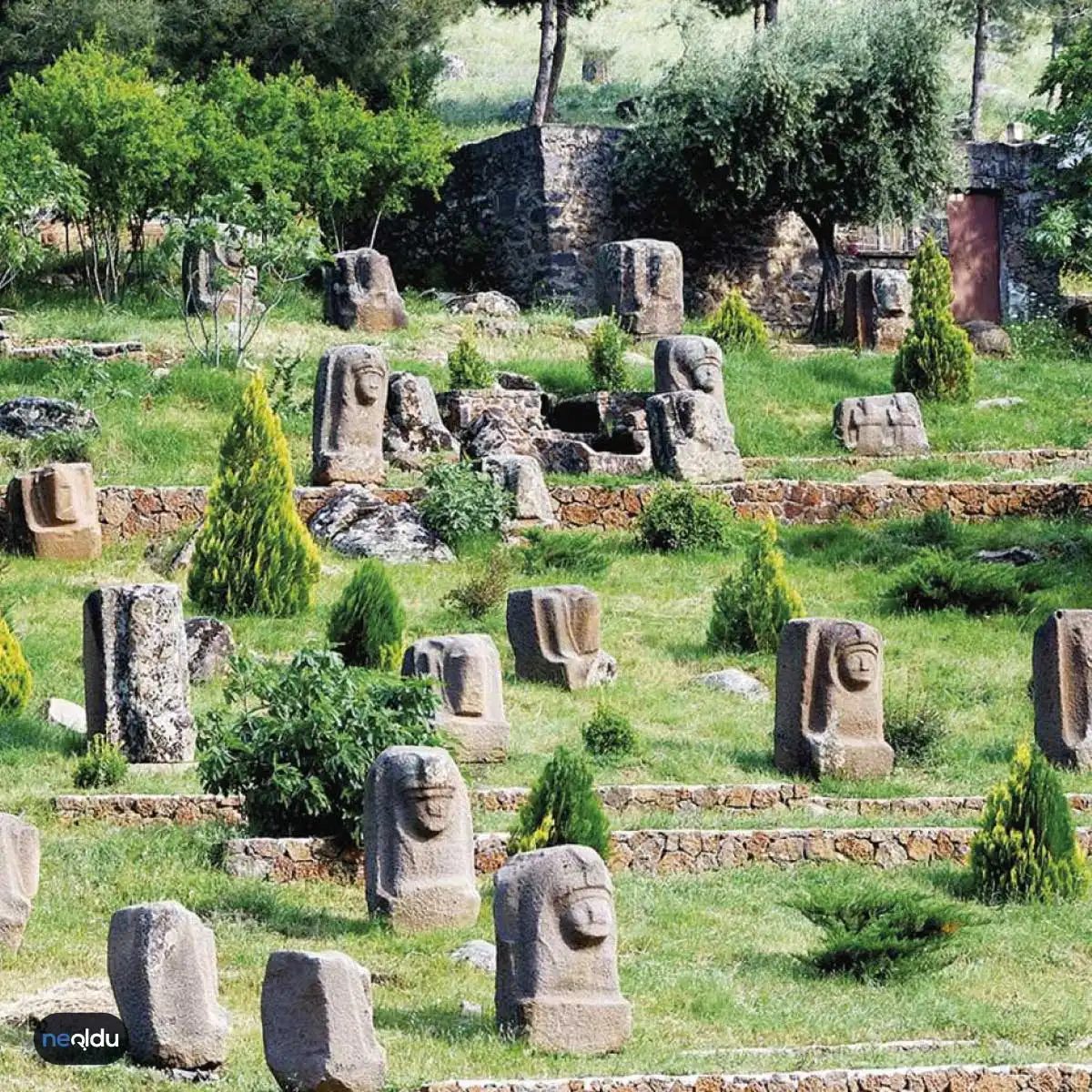
While Gaziantep’s Zeugma Museum draws the crowds with its famous “Gypsy Girl,” the story of the region’s ancient artistic legacy doesn’t end there. For travelers willing to venture slightly off the beaten path, the Yesemek Open-Air Museum offers a raw, atmospheric look into the Hittite Empire’s stone-carving workshops.
Located in the Kilis province, just across the border from Gaziantep, Yesemek is often overlooked by standard itinerary planners. Yet, for anyone interested in how ancient artifacts were actually made, it is a revelation. This isn’t a polished gallery with glass cases and climate control. It’s an excavation site where the production process itself is laid bare.
The site is best known as a “carvers’ graveyard” of sorts. Thousands of unfinished statues, sphinxes, and lion figures lie scattered across the landscape. Many are broken, some are half-buried, and all tell a story of interrupted labor. The sheer scale of the debris is startling. You walk among towering stone guardians that were never meant to see the light of day, abandoned in the dust of antiquity.
Why visit?
Because it answers a specific question that most museums fail to address: how were these colossal figures created? At Yesemek, you see the chisel marks, the rough-hewn bases, and the tools left behind. It connects the final product to the human hands that shaped it. The experience is visceral. The wind blows through the stone lions. The sun hits the unfinished faces of the sphinxes. There’s a haunting quality to the place that Zeugma, with its carefully curated mosaics, simply cannot replicate.
Practical details for travelers:
- Location: Near the town of Yesemek, Kilis Province. It’s a short drive from the Gaziantep border.
- Logistics: The site is open-air and largely unstructured. Wear sturdy shoes. The terrain is uneven, with loose gravel and stone fragments.
- Timing: Visit in the morning to avoid the midday heat. The shadows are long, which helps highlight the texture of the stone carvings.
- Cost: Entry is typically very low, making it a budget-friendly addition to a southern Turkey tour.
Many travelers skip this spot, assuming it’s just “old rocks.” They miss the narrative. Yesemek forces you to think about time, labor, and the fragility of history. A statue left unfinished for 3,000 years is a more powerful testament to the passage of time than one that was never destroyed.
The contrast between the two sites is stark. Zeugma is about preservation and beauty. Yesemek is about process and entropy. Together, they offer a fuller picture of the region’s artistic heritage. If you are in the area, don’t let the lack of fame deter you. The silence here is loud. The stones speak, if you know how to listen.
But the journey doesn’t stop at stone. The next layer of history involves the living communities that have shaped the region’s culture.
Beyond the Stone Giants: What to see after Yesemek
If you’re already in love with Yesemek’s unfinished statue, don’t pack your bags just yet. The area around Gaziantep, especially the town of Islahiye, has more than just ancient quarries. It is located in a landscape where Hittite history blends with Ottoman architecture, and here there is a tranquility filled with stories spanning centuries.
### Pişirici Mescidi and Kasteli
A short drive from the open-air museum is a place that is more of a quiet discovery than a tourist attraction. Pişirici Mescidi and the neighboring Kasteli.
These two buildings in İslahiye are a stark contrast to the massive, chaotic energy of Yesemek Quarry. Here, history is smaller, more intimate and surprisingly well preserved.
Pişirici Mescidi (Pişirici Mosque) is a small and modest prayer room. Although the scale is not large, the location is important. This is the answer to travelers looking for “a way to experience the authentic local heritage of Gaziantep”. This is not a museum piece behind glass. It is a functional part of the fabric of the city, often overlooked by tourist guides, but deeply embedded in the daily life of the community.
Next to the mosque is Kasteli. Although its name may suggest a castle, it is actually a water castle or cistern structure, a common feature of Ottoman-era cities where water supply was important. The stone work here is durable, functional and quiet. Here you can stand alone and listen to the wind blowing through the vaults, separate from the tour group.
Why This Stop Matters for Your Itinerary
ほとんどの観光客は、イスラヒエをアンタキヤに向かう途中、またはガズィアンテプの市内中心部に戻る途中の休憩所として見ています。 これは間違いです。 このエリアはゆっくりとした旅行がおすすめです。
- Timing: Visit in the late afternoon. The light hitting the stone of the Kasteli is softer, and you’ll likely have the space to yourself.
- 物流: イスラヒエの中心部から簡単にアクセスできます。 歴史地区を示す標識を探してください。 通常、路上に駐車スペースがあります。
- 料金: どちらの場所でも入場料はかかりません。 これらは、地元の遺産への取り組みによって、または単に町の一部であるという理由によって維持されている公共スペースです。
Practical details for travelers
Don’t expect signs in English. The sign is in Turkish. This is not an obstacle. This is an invitation to take a closer look. Pişirici Mescidi is small enough to explore in just 15 minutes. Understanding the structure of Kasteli can take another 10 minutes.
Is it worth the detour? For travelers who want to know how water and faith have shaped these cities, yes. The combination of the mosque and the cistern tells a complete story of the everyday life of the Ottomans in this area. You can see your spiritual needs (prayer) and your physical needs (water) at a glance.
If you are planning a trip to Southeast Turkey, this is one of those hidden gems that will be remembered longer than the big monuments. It is very quiet. It’s real
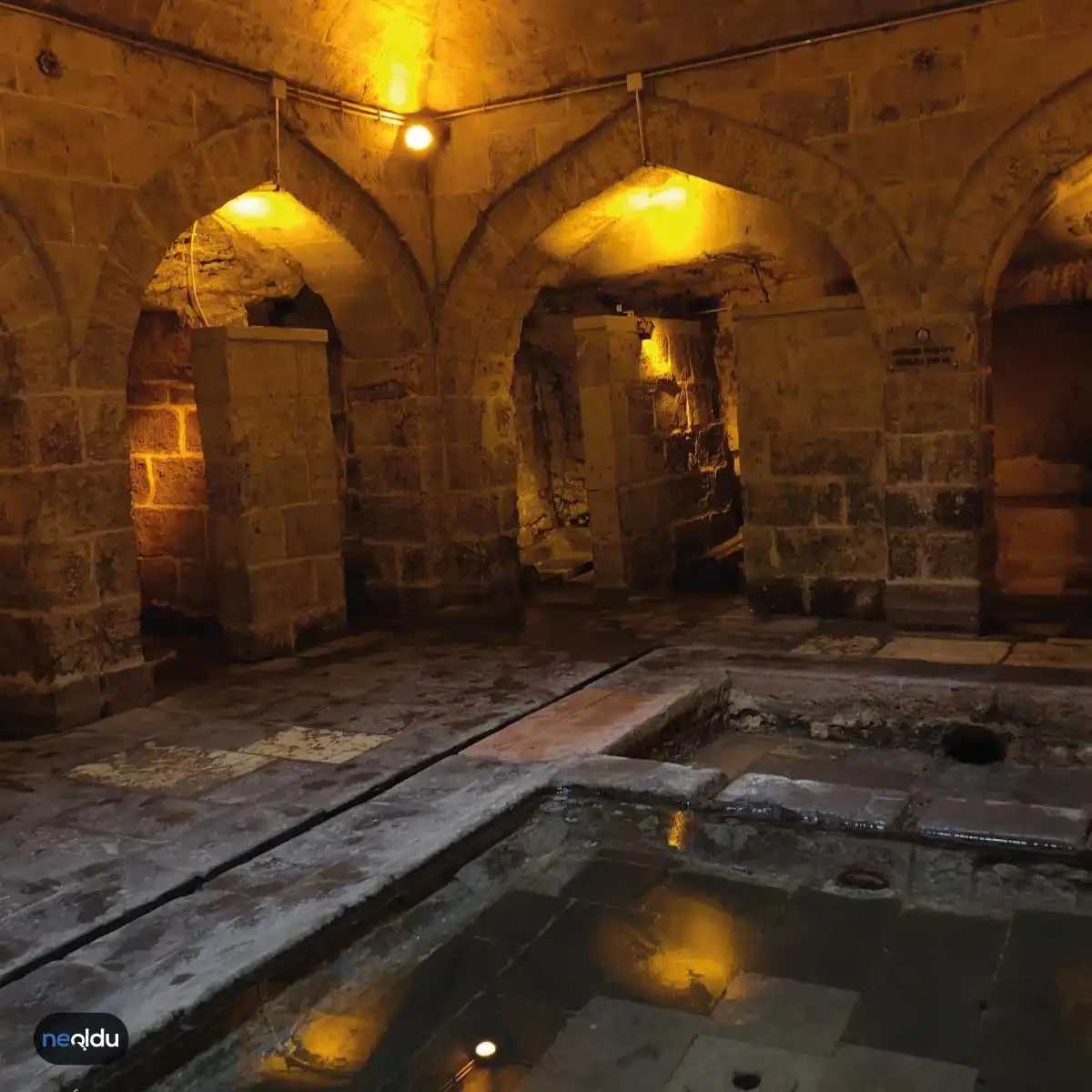
The Pişirici Mescidi and Kasteli isn’t just another historical site; it is a functional relic of Seljuk-era engineering that you will not find anywhere else in the world. Located in Gaziantep, this complex is a testament to how the city managed its most vital resource: water.
The Engineering of Distribution
The term “kastel” literally refers to the place where water was distributed. During the Seljuk period, these structures were not mere decorative ponds. They were sophisticated hydraulic systems designed to capture rainwater and spring flows, storing them for the entire population.
Walking through the Pişirici Mescidi feels like stepping into a dimly lit corridor of time. The architecture is stark, the light is low, and the atmosphere is heavy with history. It is a place that demands you slow down. The intricate stonework and the quiet hum of the past make it an essential stop for anyone looking to understand the city’s deeper layers beyond its famous culinary reputation.
Gaziantep Zoo: A Different Kind of Wildlife Experience
If the Kasteli offers a look into historical survival, the Gaziantep Hayvanat Bahçesi (Gaziantep Zoo) provides a modern contrast. Situated within the city limits, it serves as a green lung for the urban environment and a sanctuary for animals.
Travelers often overlook the zoo in favor of museums or food tours, but it offers a unique opportunity to observe local and exotic species in a setting that blends nature with urban life. The park is well-maintained, with pathways that wind through wooded areas, providing shade and a cool respite from the Anatolian heat.
While it may not be as massive as the zoos in Istanbul or Ankara, the Gaziantep Zoo has its own charm. It is compact enough to explore in a few hours, making it an ideal half-day activity. You can see African lions, bears, and various bird species, all within a landscaped environment that respects the natural habitat as much as possible.
Why Visit Both?
Visiting the Pişirici Mescidi and Kasteli and the zoo in the same trip creates a narrative of the city. One shows how the people of the past survived and thrived through cooperation and engineering. The other shows how modern Gaziantep balances urban development with conservation.
“The kastel is a silent teacher of water management; the zoo is a loud reminder of our connection to the natural world.”
For the traveler, the logistics are simple. Both sites are accessible by public transport or a short taxi ride from the city center. The Kasteli is best visited in the late afternoon when the light begins to fade, enhancing the mystical quality of the stone structures. The zoo is best visited in the morning when the animals are most active.
There is no grand finale to this part of the journey. You walk away with a wet stone in your memory and the roar of a lion in your ears. The city does not give all its secrets at once. You have to keep looking.
Why Gaziantep Zoo is worth a detour
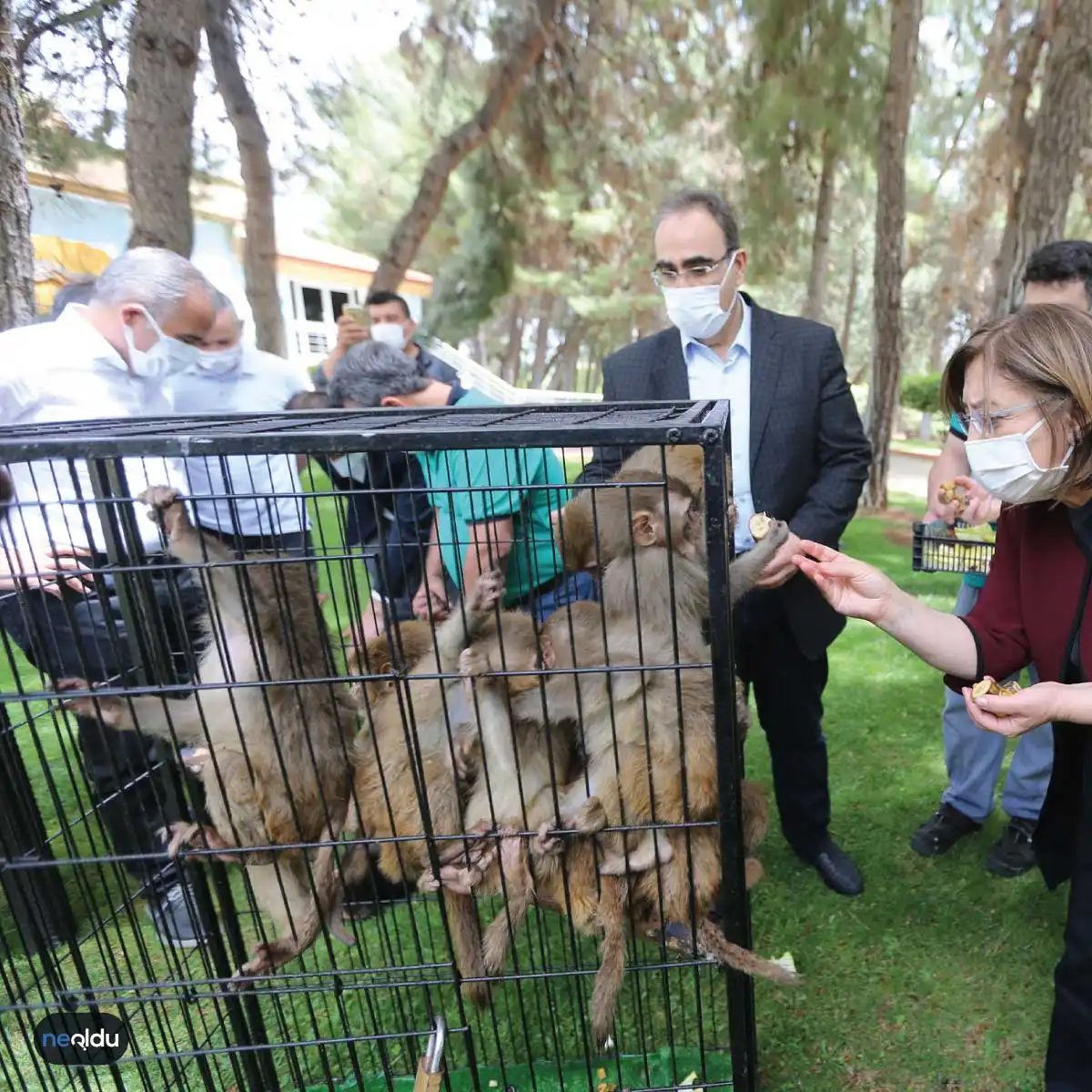
If you’re planning a route through southeastern Turkey, skipping the Gaziantep Zoo means missing out on the country’s largest facility. Open to the public since 2002, it has spent nearly two decades honing exhibits and attracting tourists who want more than just the city’s ruins.
This place is remarkable for its size. We are talking about a huge 1000 donem enclosure – which is about 250 acres or 100 hectares. That is a lot of ground to cover. You will find around 4,000 animals in this vast landscape.
However, it is not just about the number of animals. The biodiversity is striking. Species from 250 different families live in the zoo. For nature lovers, this diversity offers an opportunity to see animals that may be more difficult to spot in smaller urban zoos. Whether you’re traveling with curious kids or a solo traveler interested in wildlife, the abundance of life here can be overwhelming in the best possible way.
Navigating the 1000-Dönem Grounds
Moving in such a large area requires planning. You’ll probably want to wear comfortable shoes. The terrain varies and although the trails are generally in good condition, the distance between exhibits can grow quickly.
The design of the zoo is designed to mimic natural habitats as much as possible. This means you’re not just looking at cages. You walk through biomes that try to recreate the animals’ natural environment. This approach transforms the experience from a simple viewing activity to an immersive activity.
For families, size can be both an advantage and a disadvantage. It offers children plenty of freedom of movement without restrictions. However, it also means that you have to plan your time. A leisurely walk can take half a day. A more detailed tour, stopping to learn about each species and observe feeding times, can easily take all day.
250 species you will encounter
What exactly are you looking at? The 250 species range from native Anatolian wildlife to exotic animals from around the world. You can see reptiles basking in the artificial sun, mammals roaming the open meadows and birds flying in large aviaries.
The variety is the main selling point here. Unlike smaller zoos that might focus on a few popular animals like lions or bears, this facility casts a wider net. This diversity appeals to a wider audience. It intrigues returning visitors because they never know which corner of the 250-acre site might yield a new discovery.
If you’re interested in conservation, this is a good place to start. The zoo plays a role in breeding programs and education. While the main attraction is the animals, a secondary benefit is learning more about the efforts to protect these 250 different species.
Tips for your visit
Timing is important. Summer in Gaziantep can be hot. If you’re visiting during the day, bring water and sunscreen. Shade trees offer some relief, but open spaces offer little protection from the midday sun. Early morning or late afternoon visits are often more pleasant for you and the animals, who may be more active during cooler times.
In terms of logistics, the zoo is easily accessible from the city
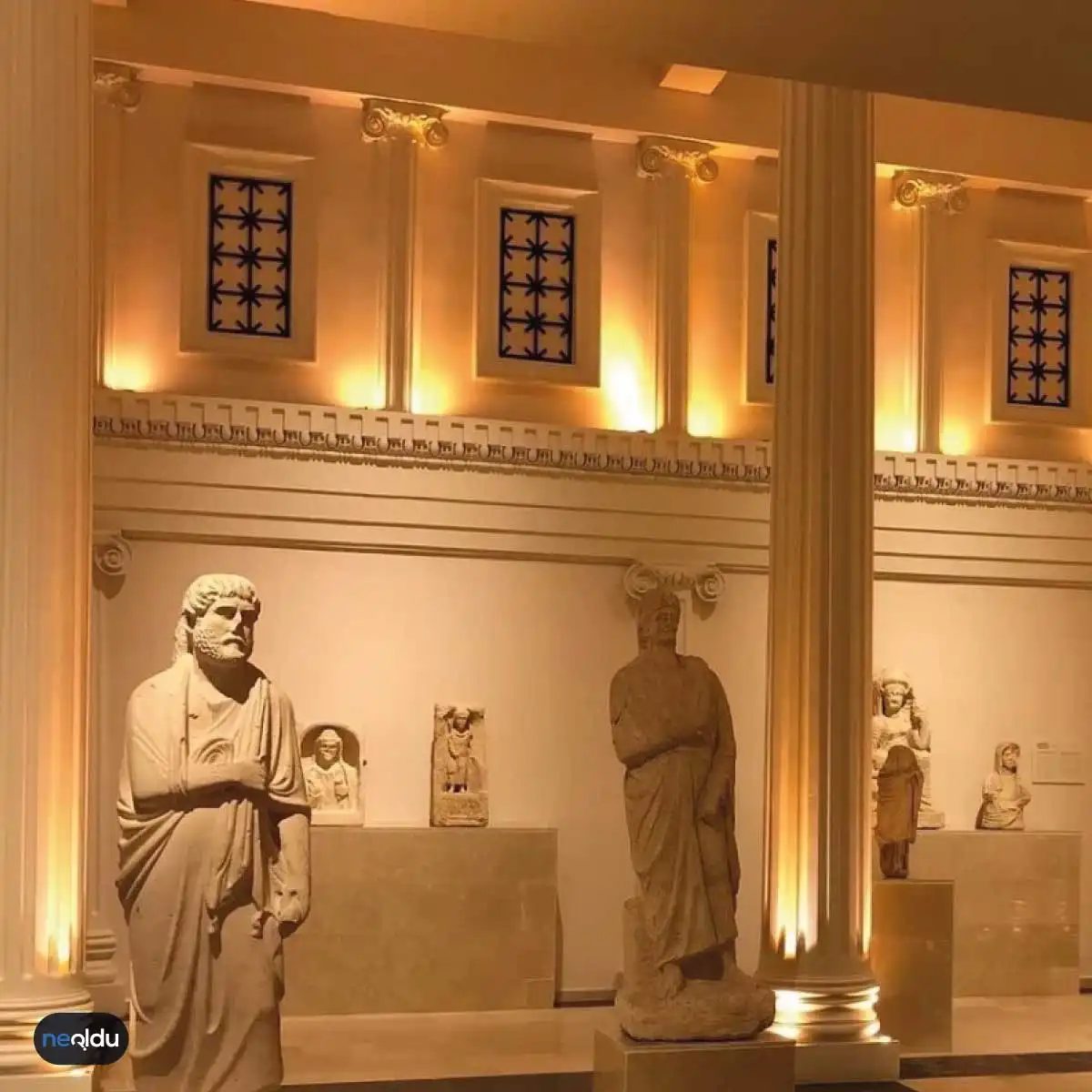
The story behind Kurtuluş Camii
When you walk through the historical area of Gaziantep, you can spot it near the old city wall. This is not just another place to pray. It is a monument to survival. Locals call it Kurtuluş Camiiii (Mosque of Liberation), a name that sticks in your mind when you learn why it was built.
The building is a direct response to the consequences of the First World War. During the occupation, the French troops used the area as a stable for their horses. When the Turkish War of Independence displaced the occupying forces, the local community didn’t just earn the land back. They changed it. They wanted a structure that screamed resilience. The mosque was completed in 1921, a quick construction job that served as physical evidence of Gaziantep’s liberation history.
Why visit this mosque?
Most travelers go directly to the Citadel or the Zeugma mosaics. They miss the emotional weight of this place. The architecture is straightforward. Ottoman style. No excessive gold leaf or dizzying complexity. The main focus is on the narrative. Inside you will find artifacts and information about how the city survived the siege. It is a quiet place, but the silence is full of memories.
You can visit the mosque at any time during the opening hours, which usually coincide with prayer times. There is no ticket office. No guided tours that look like lectures. Just you, stone walls and the history written into the mortar.
What you should pay attention to
Pay attention to masonry. It is roughly hewn in places, a testament to the urgency of its creation. The mihrab points towards Mecca, but the direction of the building also seems to recognize the scars surrounding the city. Look for plaques marking the dates of occupation and liberation. They are small and often overlooked, but they anchor the whole experience.
Is it the most photogenic place in Gaziantep? Probably not. The citadel offers better sunset photos. But if you want to understand why this city is so proud, you have to stand here. You must feel the contrast between the chaos of war and the peace of this restored sanctuary.
Practical tips for your visit
- Schedule : Go in the late afternoon. The light hits the stone facade in a way that emphasizes its texture. It’s also cooler, which is important if you’re walking around the old town.
- Clothes : Modest clothing is required. Shoulders and knees covered. Women may need a headscarf, but enforcement varies. Better to be safe than sorry. Carry a light scarf in your bag.
- Location : It is just a few minutes walk from the main bazaar. You don’t need a taxi. Just follow the crowds towards the old town.
- Price : free. It is a community heritage site, not a commercial museum.
There is a small courtyard at the back. It is often empty. You can sit on a bench there. Look at the pigeons. Listen to the call to prayer echoing from nearby minarets. It anchors you to the rhythm of the city.
Some people find it disappointing compared to the great mosques of Istanbul. They want domes that touch the sky. But Religious Landmarks of Gaziantep like this one tell a different story. It is about
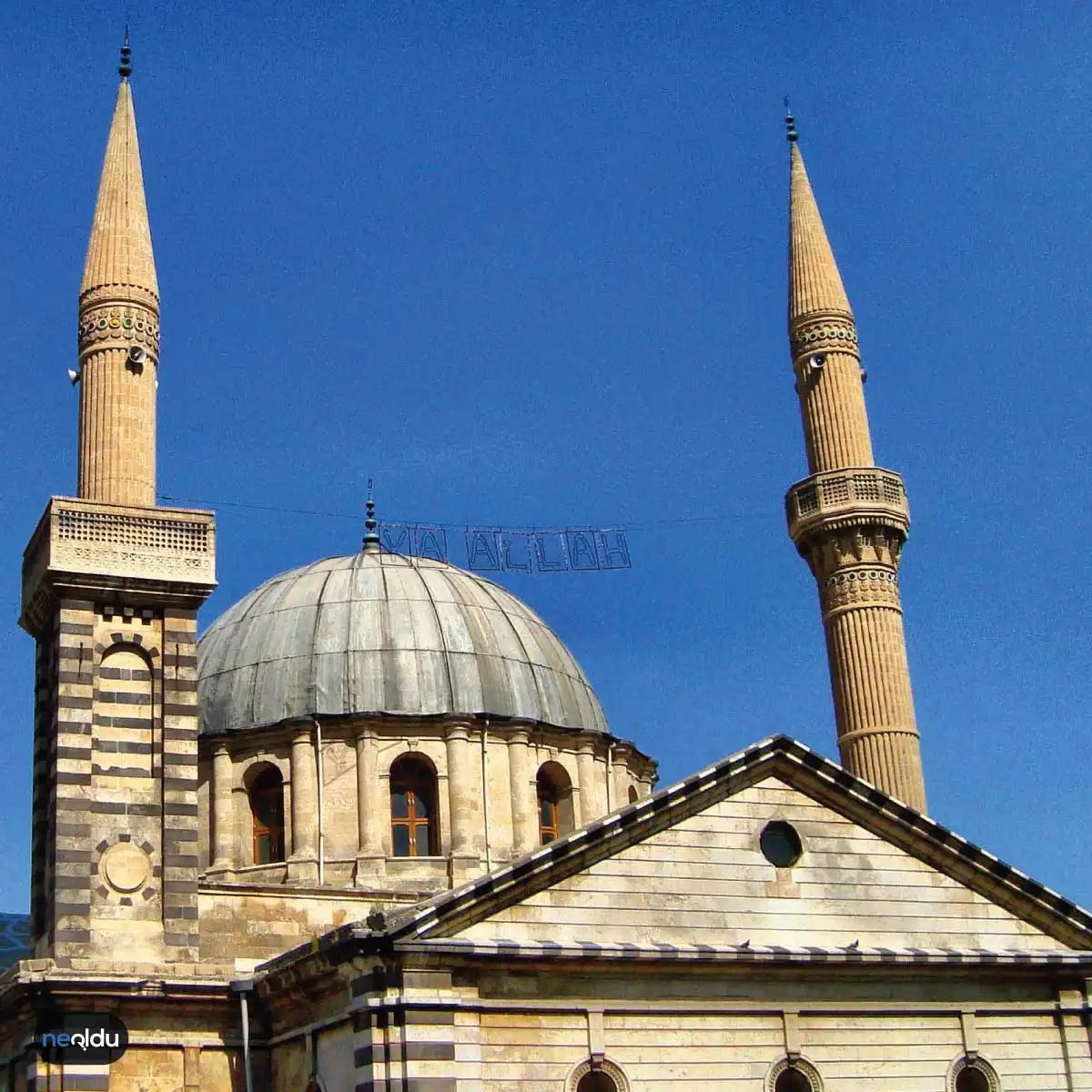
15. Emine Göğüş Mutfak Müzesi
The building that now houses the Emine Göğüş Kitchen Museum is a visual paradox in Gaziantep. It started life in 1892 as the Valide Meryem Kilisesi (Mother Mary Church). For decades, it didn’t ring with bells or chant prayers. It held prisoners. It was a correctional facility, a stark contrast to the grace of its original religious design.
Then came the 1980s. The structure underwent a radical transformation. The bell towers were demolished halfway down. In their place, minarets rose up. The result is a hybrid silhouette—part church, part prison, fully mosque. It draws attention for its architectural whiplash. Is it a spiritual site? A historical artifact? It’s all three. And it sits right in the path of anyone exploring Gaziantep’s historic core.
But the real draw isn’t the exterior. It’s what happens inside.
A Culinary Time Capsule
Stepping into the Emine Göğüş Mutfak Museum feels like slipping into a different century. This isn’t a sterile museum with glass cases and placards. It’s a lived-in kitchen. A preserved domestic space. The museum is named after Emine Göğüş, a woman whose life and home became a monument to Antep cuisine.
The collection is extensive. You will see tools that have been used for generations. Copper pots. Heavy irons. Wooden mortars. The air in your mind might even smell of roasted lamb and sumac, even if the room is dry and cool. The exhibits focus on the preparation of lahmacun, künefe, and the various breads that define the region. It is a tribute to the women who kept these traditions alive through sheer force of habit and love.
Why Visit?
Most travelers rush through Gaziantep for the food and leave. They eat the kebabs, they buy the baklava, and they move on. This museum offers context. It explains the how and the why of the flavors you just tasted.
- Authenticity: The artifacts are not replicas. They are the actual tools used by the Göğüş family.
- Cultural Depth: You gain insight into the social role of the kitchen in Ottoman and early Republican Turkish society. It was the heart of the home.
- Photography: The lighting is often dim, but the textures are rich. Copper glows. Wood grain is visible. It’s a photographer’s dream if you respect the quiet atmosphere.
Logistics and Tips
The museum is located in the Şahinbey district, near the historic bazaar area. It is usually open daily, but hours can vary. It is wise to check ahead, especially during religious holidays.
There is no grand entrance. Don’t expect a ticket booth with a line. You walk in, you look around. It is intimate. Small groups are preferred. If you arrive with a tour bus of thirty people, you’ll block the flow. Go in the late afternoon. The light hitting the copperware is softer then, and the crowds are thinner.
The Bigger Picture
Gaziantep is often called the capital of cuisine in Turkey. This museum validates that claim. It shows that the food is
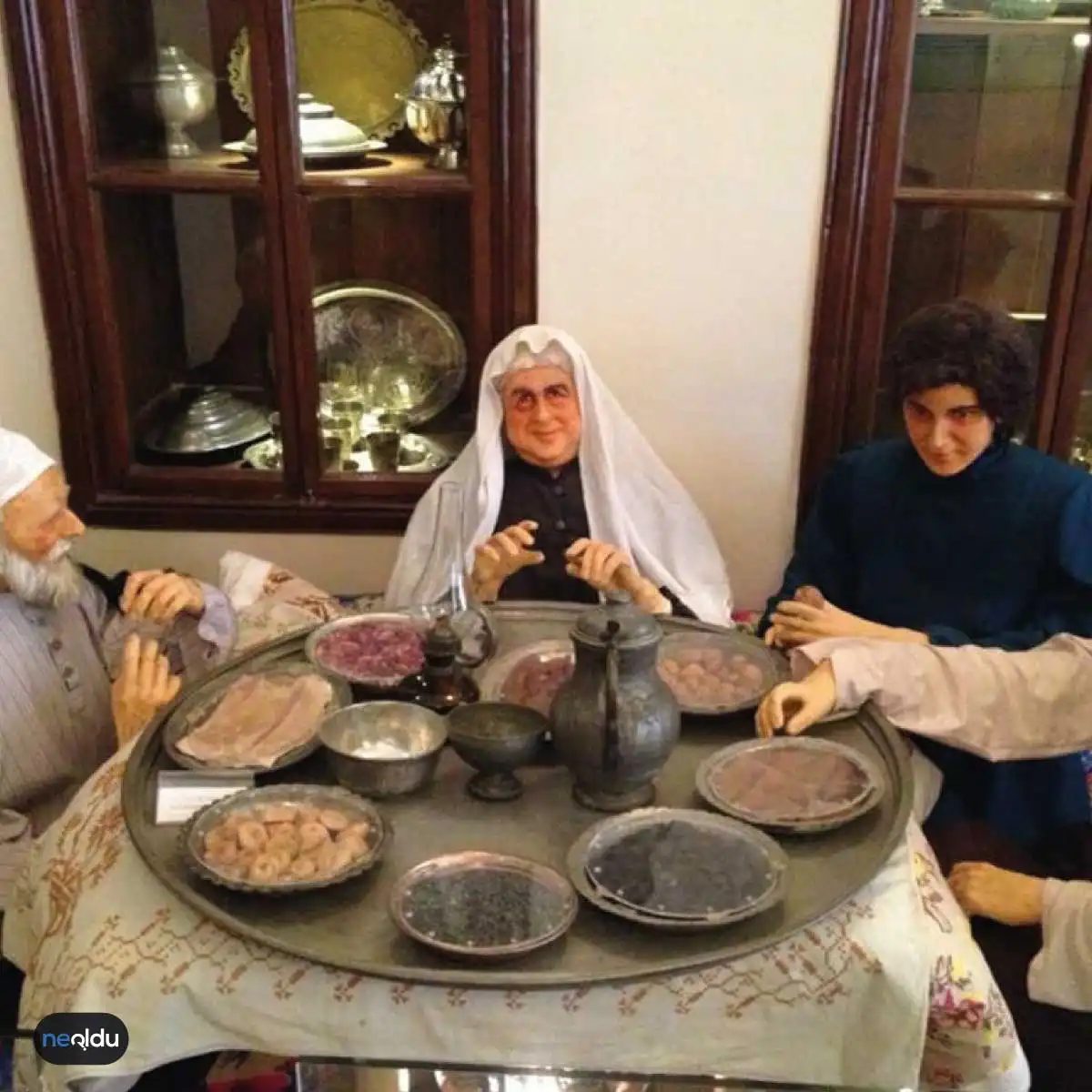
Gaziantep doesn’t just serve food. It lives it. The city’s culinary reputation is no accident. It is built on centuries of trade, spice routes, and a relentless dedication to flavor. For anyone planning a trip, the experience starts long before you take a bite. It starts with the context. And nowhere is that context more preserved than in the Emine Göğüş Mutfak Müzesi.
This is not a museum of dusty relics. It is the first professional kitchen museum in Turkey. It is located in a restored Ottoman-era mansion in the heart of the city. The walls hold the history of Turkish domestic life. The displays show how bread was baked, how spices were stored, and how coffee rituals defined social gatherings. If you care about where your food comes from, this is mandatory.
The museum offers a tangible link to the past. You can see the old copper pots. You can read the handwritten recipes. It grounds the modern gastronomy boom in real history.
16. Kaleoğlu Cave
After the museum, you need to move. The city is dense. The air smells of cumin and roasted nuts. But just outside the urban core, the landscape shifts.
The Kaleoğlu Cave offers a stark contrast to the bustling markets of Gaziantep. Located in the Şehitkamil district, this natural formation is often overlooked by tourists rushing to the main sights. That is a mistake.
The cave is a geological curiosity. It features stalactites and stalagmites that have formed over millennia. The air inside is cool, even in the heat of July. This makes it a practical stop for travelers seeking relief from the summer sun.
Access is straightforward. The site is accessible by car from the main highway. There is basic infrastructure to guide visitors through the main chambers. You do not need special equipment. You do not need a guide, though one can add depth to the experience.
The journey inside is short. The main passages are wide enough for most visitors. The lighting is dim, relying on natural light where possible and artificial lights where necessary. The echoes of footsteps give the space a solemn feel.
Why visit when there are so many other attractions?
The Kaleoğlu Cave provides a moment of stillness. It reminds you that Gaziantep is not just a culinary capital. It is part of a larger geological and historical tapestry. The cave has been used for shelter and storage throughout history. The walls bear the marks of previous occupants.
For the traveler, it is a quick detour. It takes about thirty minutes to explore the accessible areas. It fits easily into a day itinerary. Combine it with a visit to the nearby antique bazaars. Or use it as a break between museum visits.
The cave is not grand. It is not spectacular in the way of some European karst systems. But it is authentic. It is raw. In a city obsessed with refinement, it offers something different.
You leave with dust on your shoes and a sense of scale. The city above you continues to cook, trade, and live. The cave below remains silent. Both are part of the same story.
The next stop on your list might be farther west. Or north. But the taste of Gaziantep stays with you
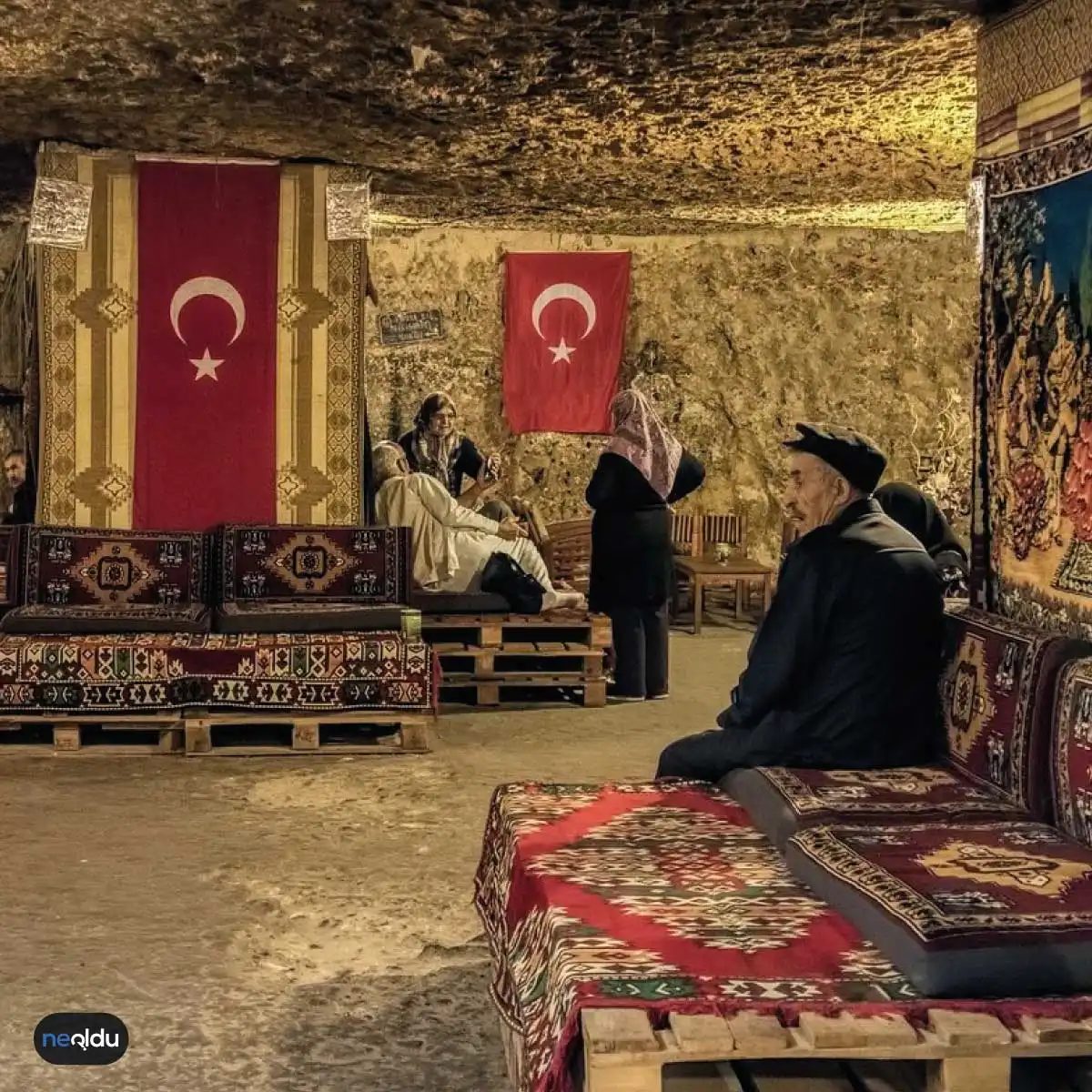
Kaleoğlu Cave, which started as a limestone quarry and a donkey stable, is now one of Gaziantep’s most visited destinations. The change is complete. Roughly hewn rock surfaces are still visible, but the atmosphere has changed from industrial work to historical immersion.
It’s not just a cave. It’s a time machine.
Inside, you can see replicas of Ottoman-era caravanserais. Wooden beams support the roofs, which once provided shelter for merchants and their goods. Now they accommodate guests. The air smells faintly of damp earth and old stone. But the real attraction doesn’t lie in the geology. It’s food.
Local chefs serve Gaziantep specialties right in the cave. Baklava. Lahmacun. Kebab. The flavors are hot, spicy and authentic. You eat surrounded by history. This combination is hard to beat.
17. Gaziantep Atatürk Anı Müzesi
Along the street, the atmosphere changes again. The Atatürk Memorial Museum is not a big palace. It is a modest house. A wooden structure with whitewashed walls and a tiled roof. From the outside, it looks inconspicuous. Inside it is a shrine of memory.
Mustafa Kemal Atatürk stayed here during his visit to the region. The house preserves the room where he rested. The furniture is original or period-accurate. The books are on the shelf. The simple bed remains exactly as it was left.
Why is this important? Because it establishes a national myth in physical space. You can touch the wood of the table. You can stand at the door where he probably stopped to look out. It’s intimate.
Visitors often spend 45 minutes to an hour here. There’s no rush. The museum staff is calm and respectful. They let the space speak for itself.
When planning your trip, consider the walking distance from Kaleoğlu Cave. It’s short. Maybe ten minutes. The contrast is intentional. The place celebrates local culture and food. The other honors the founder of modern Turkey. Both are necessary.
Finally, don’t miss the gift shop. Small souvenirs. Postcards. Local crafts. They are cheap. Useful souvenirs.
The house is open daily. Opening hours vary depending on the season. Check online before you go. It closes earlier in the winter. In summer, it is open until late at night.
Crowds peak in the morning. Go after lunch if you want peace and quiet. Or go early on weekdays. Either way, you’ll feel the weight of history. Not as a lecture. As a presence.
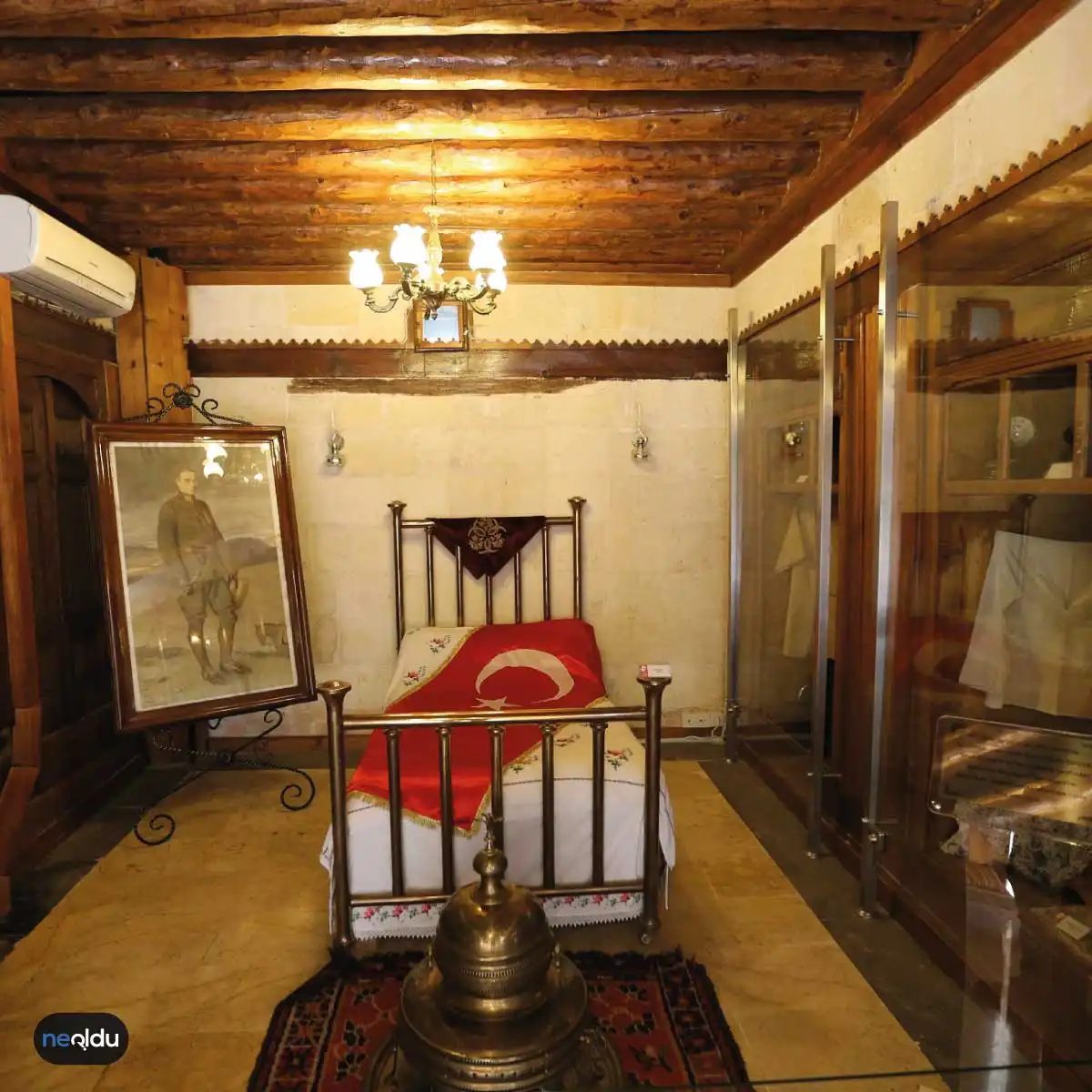
The house where Mustafa Kemal Atatürk lived in 1933 has been preserved exactly as it was. You walk in and the past hits you immediately.
This is the Atatürk House Museum in the Bey district of Gaziantep. The collection is straightforward. All items used by Atatürk during his visit are on display. It was no accident. This museum exists as a thank you. As a gesture of gratitude, the residents of Bey registered their population records under Atatürk’s name. The state has turned this gratitude into a museum.
18. Hamam Museum
Next door is a different story. The Hamam Museum is located in a renovated Ottoman bathhouse. It’s not just about architecture. It tells about people’s lives when the empire was still together.
The room has preserved the original steam rooms and marble slabs. You can still smell the stone. It’s humid. Old. The restoration was meticulous. They didn’t make it a sterile gallery. They have kept the bath’s soul intact.
Visitors often confuse the two sites. They are close. They are different.
- Atatürk’s house: personal. Domestic. The beginning of the 20th century.
- Hamam Museum: Communal. architectural. Ottoman era.
Both are necessary. You’re missing out if you skip either.
The way there is easy. Bey’s area is central. Go. Or take a short taxi ride. The streets are narrow. Parking is tight. Don’t bother driving through.
Best time to visit? Morning. The light hits the courtyard just right. Afternoon brings crowds. And heat.
Admission is cheap. A few dollars. Maybe less. Check local prices. It’s not expensive. It’s worth it.
Why go? Because Gaziantep is not just kebabs and baklava. It’s all about layers. People lived here. Leaders visited here. Bathhouses steamed here.
The Hamam Museum does not scream. It whispers. You have to listen.
Stand in the central dome. Look up. The Oculus lets in a single pillar of light. There is dust in it.
That’s the point.
History is not just dates. It’s light. It’s a stone. It is a memory of room.
You leave feeling heavier. Or lighter. Hard to say.
Anyway, you’ll think about it later. Maybe while eating lunch.
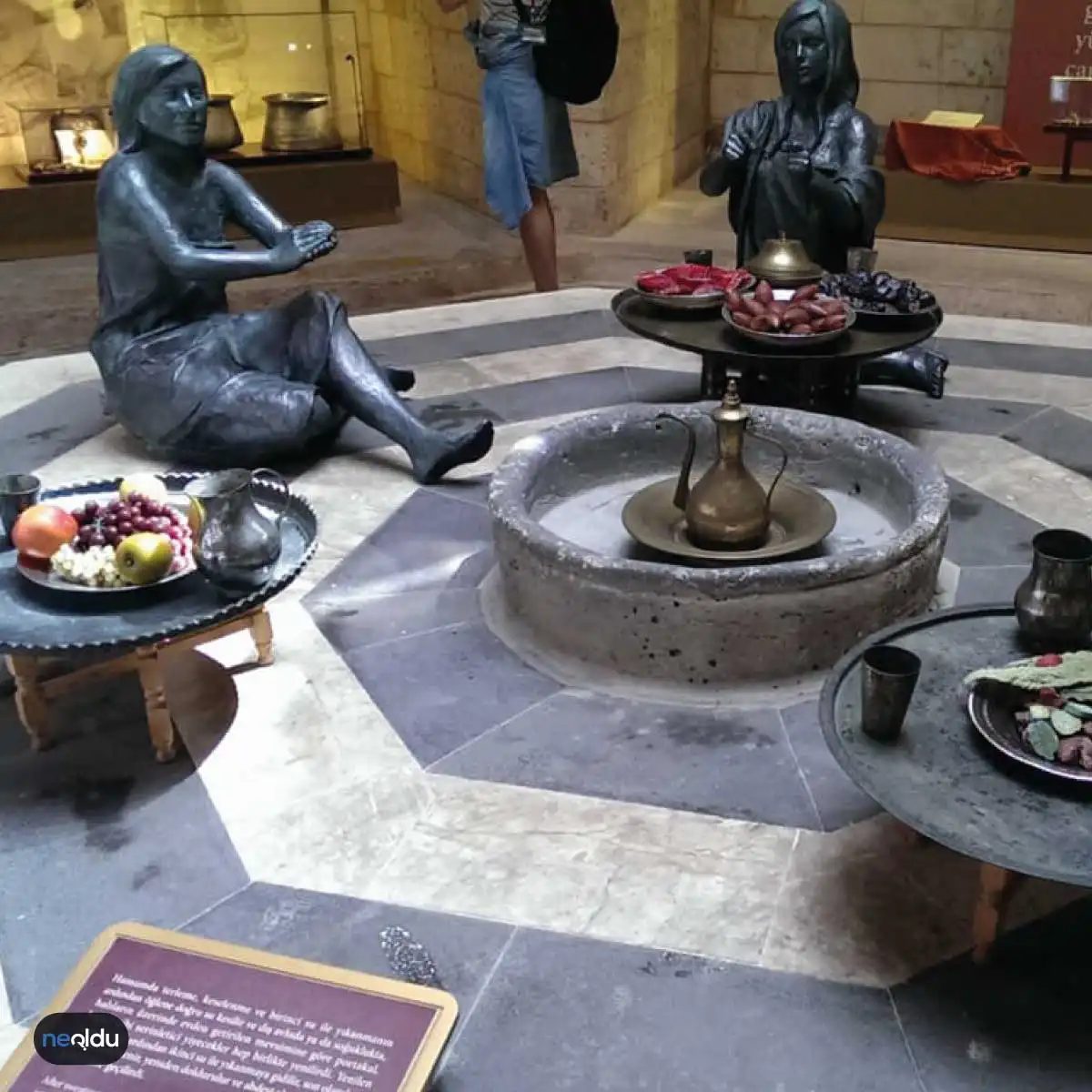
Paşa the Hamamı is not just a relic. Built in 1577, it is a time capsule of Ottoman architecture and bath culture. By 2015, it had been converted into a museum, though not in the expected dusty and static way. Instead, scenes from the era are recreated with wax figures. These living dioramas emphasize the traditions and everyday rhythms of the time.
19. Gaziantep Panorama Museum of Defense and Heroism
Gaziantep did not earn the title of “hero city” for nothing. The siege here was brutal and lasted from January 1920 to March 1921. The museum dedicated to this defense not only displays artifacts; it immerses you in suspense.
The focal point is the panorama itself. It is a 360-degree mural spanning hundreds of meters, depicting a fierce battle on the city streets. But the real story is in the details. You can see replicas of the weapons, uniforms and personal items worn by the defenders. These are not just props. They are a testament to a population that refused to surrender.
Logistically, the museum is located in the heart of the city, so it is easy to combine it with a visit to thezeugma mosaic museum. The entrance fee is reasonable and reflects Turkey’s commitment to preserving its recent history. For a traveler, timing is less important than atmosphere. Go early to beat the tour groups or go late when the light hits the very edges of the panorama.
The narrative here is specific. The focus is on coordination between civilian volunteers and military units. You will learn how the city survived for months without electricity or running water. The exhibits are arranged chronologically and take you through the escalation of the siege to the final victory. It’s a heavy topic, handled with respect.
Why visit the Panorama Museum?
It’s not just about war. It’s about resilience. The museum combines the Ottoman past seen in the Hamamı with the modern Republic of Turkey. The transition from the spa to the war museum shows how the city’s identity was shaped by both culture and conflicts.
The wax figures of Paşa Hamam show how people lived. The panorama of the Defense Museum shows how they died for their country. Both are essential.
The visit requires some physical endurance. The panoramic path is long. There’s no rush. Take your time. Read the plaques. Look at the faces in the paintings. They are not distant historical figures. They are neighbors.
The museum also has a library of rare documents from the War of Independence. If you’re interested in primary sources, check out the tour schedule. They often provide deeper context than text panels alone.
For those planning a trip to Southeastern Anatolia, this stop is non-negotiable. This is where the abstract idea of ”national independence” becomes concrete. You can see the mud on the uniforms. You can see the worn grips on the rifles. You feel the weight of the stone walls.
It leaves the question lingering in the mind. What would we do? The answer is never easy. But when you stand in this room, you realize the cost of the answer.
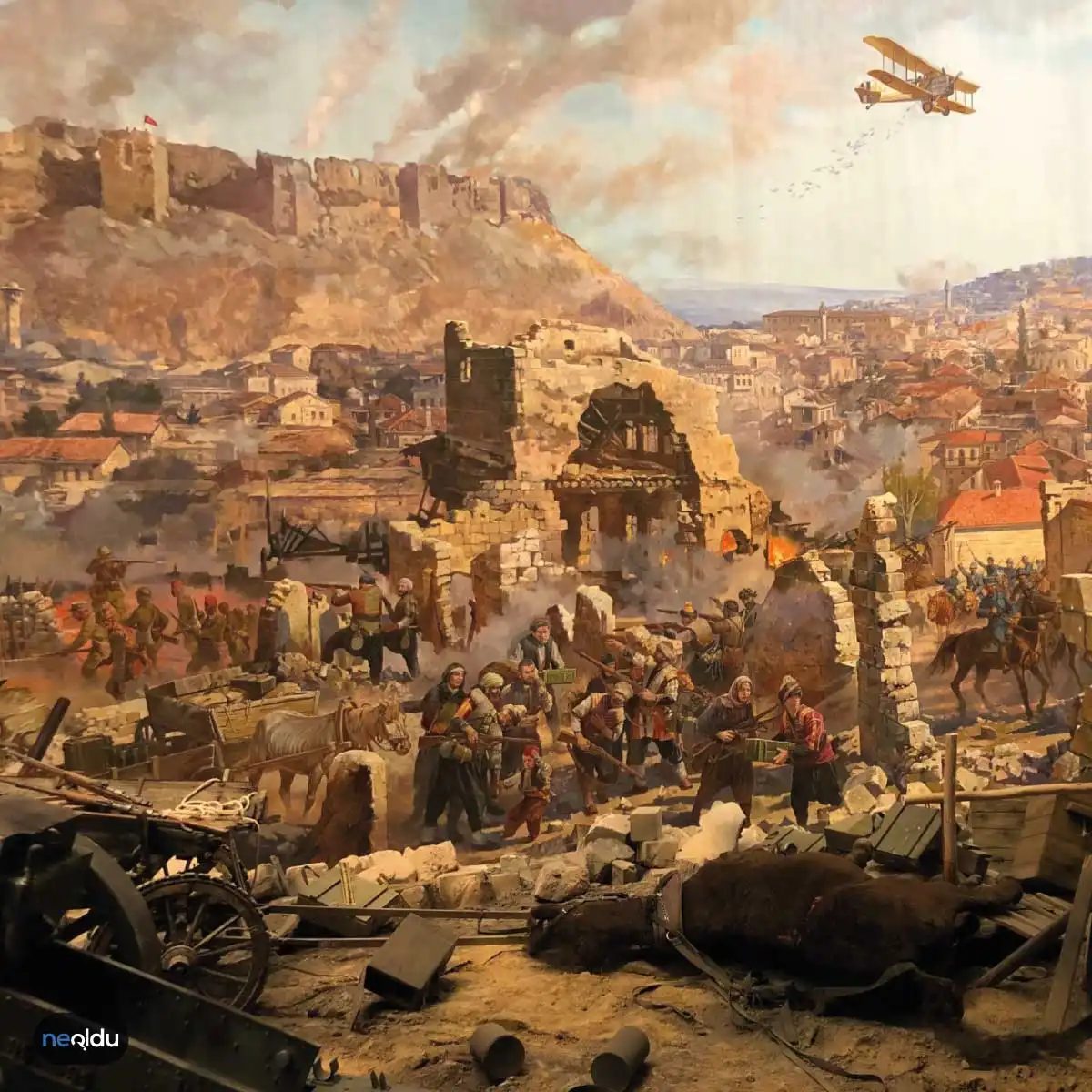
Gaziantep Defense and Heroism Panorama Museum
If you want to understand why this city’s official name is “Kahraman” (Heroic), start here. The Panorama Museum of Gaziantep Defense and Heroism is not just a gallery; It is immersion in a certain kind of roughness. It documents the civil struggle during the War of Independence, focusing on the people of Antep. You will see the hardships experienced both on the front lines and within the besieged city walls. It’s visceral. For history buffs, it’s non-negotiable. If you skip it, you’ll miss the emotions that make Gaziantep what it is today.
Historic Customs Han
Just a stone’s throw away from the modern reflections of the war, you will find something straight from the Ottoman era: the Historic Customs Han. This is not a renovated theme park. It is a caravanserai, a roadside inn built for 18th century traders and their pack animals.
Why is it important? Because it was the logistical heartbeat of the Silk Road. Merchants didn’t just sleep here; They stored goods, negotiated contracts and changed horses. The architecture tells the story of the trade routes that once connected Europe to Asia. Thick stone walls kept out bandits and the scorching sun. The central courtyard was where the action happened.
Today it is a center of culture. You will find:
- Traditional Workshops: Watch artisans weave kilims or make copper. It’s not a show; it’s real work that happens in real time.
- Cafes and restaurants: Sit under the arched colonnades. Order lamb stew or freshly baked pide. Food tastes better when you eat where caravans once ate.
- Exhibition spaces: Small galleries often revolve around local history and art.
The layout is simple. A central square surrounded by two-story rooms. The upper floors were used for sleeping, the lower floor as storage and stables. It is efficient. It’s beautiful in a sturdy, practical way.
Practical details of your visit:
* Location: It is centrally located, about a 10-minute walk from the main bazaar. Can easily be combined with a shopping trip.
* Price: Admission is often free or available at a very low price. The real price is the food and souvenirs you will inevitably buy.
* Time: Go in the late afternoon. The light hits the stone walls in such a way that the texture is emphasized. Shops are open late into the night. It’s livelier when the heat breaks.
Don’t just look at the facade. Go inside. Touch the worn stone steps. Hear the echo of footsteps that have been there for centuries. This place anchors the city’s past to the present. You leave understanding that Gaziantep was never just a stopover. It was a destination. A place where values are created, traded and stored.
The contrast between the trauma documented in the Panorama Museum and the ongoing Han trade is stark. One remembers survival. The other celebrates continuity. Both are necessary for a complete picture.
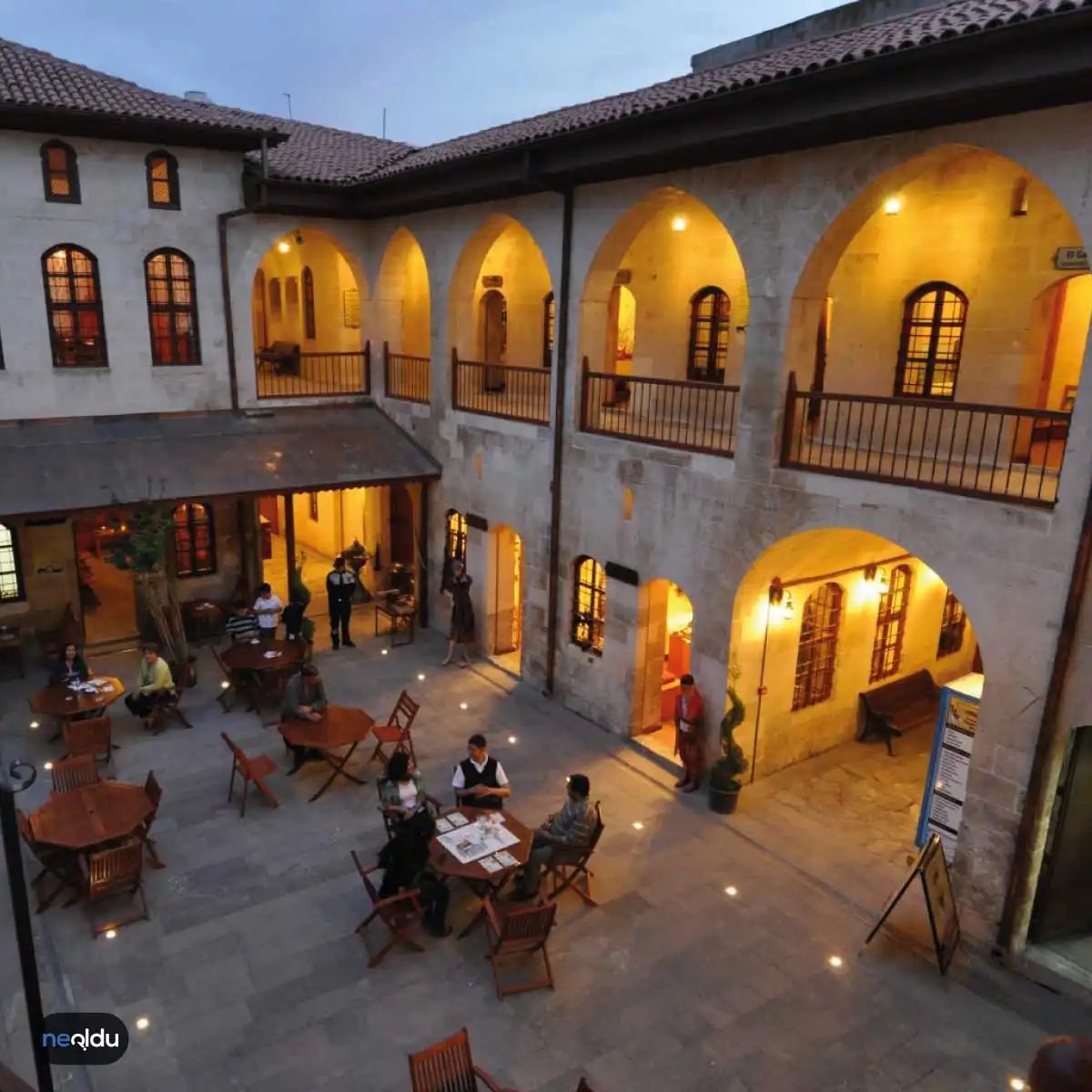
Built back in 1878, the Gümrük Hanı isn’t just old; it’s a time capsule wrapped in stone. Originally designed as a caravanserai for Ottoman travelers, it offered rest and shelter to those moving through the empire. Today, the function has shifted. The single courtyard and two-story structure now serve as a “Living Museum.”
Instead of sleeping quarters for weary merchants, you’ll find local artisans displaying traditional crafts. It’s a tangible piece of history that breathes.
What to See in the Gümrük Hanı
Walking through the main gate feels like stepping back into the 19th century. The architecture is straightforward but imposing. Two levels of rooms surround the central open-air courtyard. In Ottoman times, these rooms housed travelers and their goods.
Now, the ground floor and parts of the upper level showcase handmade items. Look for:
- Ceramics : Hand-painted tiles and pottery reflect regional styles.
- Textiles : Woven rugs and fabrics often feature intricate, centuries-old patterns.
- Jewelry : Traditional pieces that mirror the craftsmanship of the era.
The space operates as a museum that stays active. Artisans may be present, working on their crafts. This isn’t a silent gallery. It’s a place where the production of these items is still visible.
Why It Matters for Travelers
The Gümrük Hanı offers a direct link to Istanbul’s trade history. Caravanserais like this were the hubs of commerce and communication. They connected distant parts of the empire. Visiting provides context for how goods and ideas moved across regions.
For a traveler, it’s an opportunity to see history not as a static exhibit but as a continuing practice. The crafts on display are not replicas. They are made using methods passed down through generations. This continuity gives the site weight.
Practical Details
- Location : Situated in the Fatih district, near the Golden Horn.
- Entry : Generally free or a small donation.
- Best Time to Visit : Morning light fills the courtyard, highlighting the textures of the stone and the colors of the crafts.
The building’s preservation is notable. It survived centuries of urban change. Its current use as a museum dedicated to living crafts ensures it remains relevant.
Beyond the Han
The area around Gümrük Hanı has its own rhythm. Streets nearby hold smaller shops and cafes. The proximity to the Golden Horn adds another layer. Water traffic once fed into the caravanserai’s economy. Today, the view across the water is quieter but no less striking.
Visiting this site answers questions about Ottoman daily life. It shows how infrastructure supported travel and trade. The han is more than a building. It’s a record of movement and exchange.
As you leave, the contrast between the old stone and the modern city outside is sharp. The crafts inside remain. They offer a tangible connection to the past. The han stands as a testament to endurance.
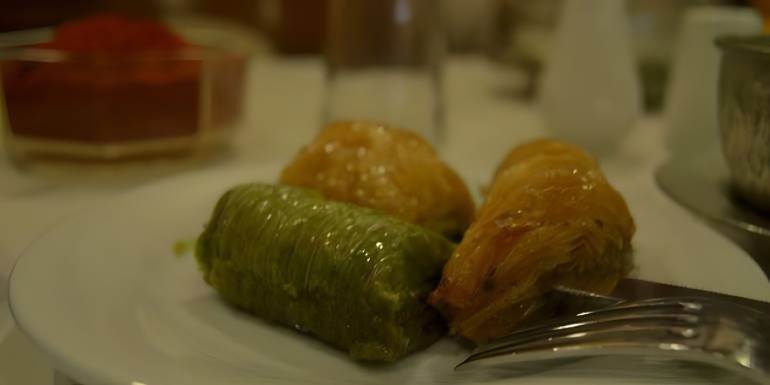

この街ではナッツを食べるだけで 3 日過ごせるでしょう。 ガズィアンテプではバクラヴァだけを提供しているわけではありません。 宗教書のように扱っています。 シンプルなデザートを期待して来ると、驚きが待っています。 これらの層は紙よりも薄いです。 ピスタチオは緑色で明るく豊かです。 シロップは甘いけどしつこくない。 それは感覚過負荷です。
しかし、一体どこへ行くのでしょうか? 市内には バクラヴァチュ のショップが点在しており、それぞれが「本物の」アンテップ バクラヴァの王冠を主張しています。 ノイズを遮断しましょう。
The Heavyweights: Historic Institutions
Some places have been there for generations. You don’t need flashy interiors or Instagrammable corners. They need time. And patience.
Karakök Baklavacıları is a common name. As it is located in the historic center, it is often crowded. Waiting times can be long, especially in the afternoon. But Fıstıklı Baklava (pistachio baklava) is legendary. The texture is crispy and crumbles to the touch. The syrup penetrates each layer without becoming sticky. This is a technical achievement.
Then there is Hafiz Mustafa. Yes, the famous Istanbul chain started here. The Gaziantep store is a place of pilgrimage for dessert lovers. It’s much cooler than the back alley shops. It also has air conditioning. The quality is stable and the precision almost industrial. If you’re concerned about “local authenticity”, this is a safe bet. But purists might argue that the store lacks the rustic soul of the old store.
Ali Usta is another candidate. less. Reduce tourist traps. The baklava here is very rich. Lots of pistachios. You pay a premium, but you pay for the quality of the nuts. Green pistachios are expensive in Gaziantep. You can taste the difference.
Hidden gems and local hotspots
Not everyone likes big names. Some locals go to Bakırcılar Çarşısı (Coppersmith’s Bazaar). Here, small shops operate in small spaces. The smell of caramel and freshly baked dough hangs in the air. Dundar is a place worth seeking out. Not famous on the internet. Follow the scent and you will find it. The Kadayıf (shredded puff pastry) here is especially delicious. Sweet, crunchy and full of nuts.
Nuri is also a local legend. It has been run by the same family for decades. Baklava is simpler. Not too flashy. But the taste is very clean. Nothing extra. Just add layers of dough, butter and nuts. This is a restaurant where you can eat with your hands. Messy. delicious.
What to order (and what to avoid)
You don’t have to try everything. Select a lane.
Fıstıklı Baklava : The King. pistachio. Always pistachios. Look for bright green colors. If it’s brown, it’s either old nuts or cheap nuts mixed in. Avoid it.
Künefe : Yes, it’s not baklava. But you can’t leave Gaziantep without trying it