


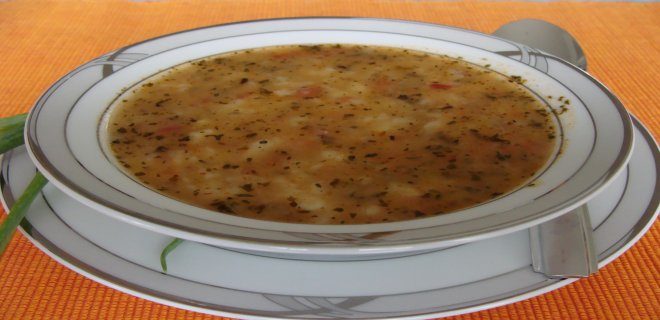
Zonguldak is not the typical Turkish tourist destination. It is a coal mining region with a gritty history, but its tables are set with some of the most distinct local flavors in the country. The city’s culinary identity has shifted over time due to migration, blending original local traditions with influences from other regions. If you are planning a trip there, skip the generic chain restaurants. You want the home-style cooking. The local diet leans heavily on vegetables and grains, offering hearty, budget-friendly meals that taste like they were made for a long winter night.
What is Uğmaç Soup and why is it a local staple?
Uğmaç Soup is the dish you need to try first. It is famous for being inexpensive and deeply satisfying. Local families make it often because the ingredients are simple: flour, milk, and water. That is it. No meat, no complex spice blends. Yet, the result is a thick, creamy, and nutritious bowl that sustains you.
It is a humble dish. You will not find it on many tourist menus in major cities like Istanbul or Ankara. In Zonguldak, however, it is a standard. The texture is smooth, almost like a savory porridge. It is the kind of food that feels warm inside when the air is cold.
Practical details for dining in Zonguldak
- Cost: Expect to pay very little for Uğmaç Soup compared to meat-based stews. It is one of the cheapest substantial meals in the region.
- Timing: It is served year-round, but it shines during colder months.
- Where to go: Look for local lokantas (traditional eateries) or ask a resident for their family recipe. Hotel restaurants may serve a version, but the taste is often diluted.
The migration history of Zonguldak means that the local palate is adaptable. While the core remains vegetable and grain-heavy, you will notice subtle shifts in flavors as you explore different neighborhoods. This is not a museum of food. It is a living, changing table.
Do not expect elaborate plating. The beauty here is in the substance.

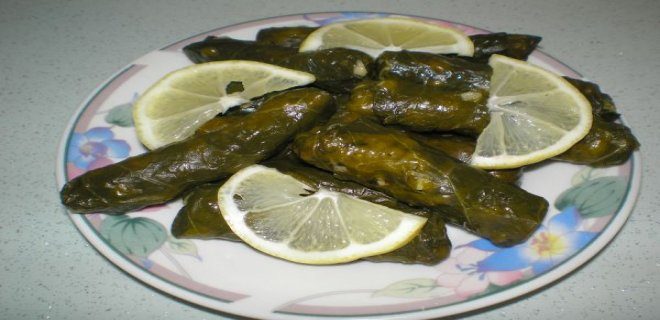
Mancar sarması: Zonguldak’ın kara pancarlı lezzeti
Sarma genellikle asma yaprağıyla akla gelir. Hemen herkesin mutfağında, her şehirde bulunur. Ama Zonguldak’ta durum farklı. Burada mancar sarması diye bir şey var. Kara pancar yaprağından sarılan, bölgenin en karakteristik yemeklerinden biri.
Tarif basit ama malzeme seçimi kritik. Karadut yaprağı değil, tam anlamıyla kara pancar yaprağı kullanılır. O koyu, neredeyse siyaha çalan yeşillik. Yaprakları ince ince doğranır, içine pirinç, soğan ve baharatlar eklenir. Sarılır. Pişirilir.
Farkı yaratan bitirmede gizli. Çoğu sarma tereyağı ve yoğurtla gelir. Mancar sarması ise üzerine dökülen salçalı sos ile tanınır. O kızgın, kırmızı, hafif baharatlı sos, yemeğin kuru yaprağını ıslatır. Lezzeti derinleştirir.
Bu yemeği neden denemelisiniz? Sadece bir yöresel tat değil, Zonguldak’ın toprağıyla, iklimiyle doğrudan bağlantılı bir ürün. Karadeniz ikliminin o nemli havasında yetişen kara pancarın yaprağı, başka yerlerde bulunmaz.
Nerede bulabilirsiniz?
Zonguldak merkez ve çevre köylerdeki yerel restoranlarda, hatta bazı ev restoranlarında karşınıza çıkar. Büyük şehirlerdeki Karadeniz temalı lokantalarda da menüde “Zonguldak usulü sarma” ya da doğrudan “mancar sarması” olarak listelenir.
Mevsimsel bir yemektir. Kara pancar yaprağı en taze halini bahar aylarında verir. O dönemde piyasa ve yerel pazarlarda taze yaprak bulmak daha kolay. Kışın konserveleri de satılır ama taze olanda o keskin, topraksı aroma daha baskın.
Yanında ne gider? Soğuk bir ayran, taze yeşillikler ya da basit bir bulgur pilavı. Ağırlığını dengelemek için hafif, ferah bir eşlikçi şart.
Bir sonraki Karadeniz gezinizde standart sarmayı bırakıp mancar sarmasına yer açın. Farkı ilk ısırıkta anlarsınız. O salçalı sosun yaprağa nüfuz etmesi, yemeğe tamamen başka bir boyut katıyor.
The secret behind Zonguldak’s most iconic dish: Malay
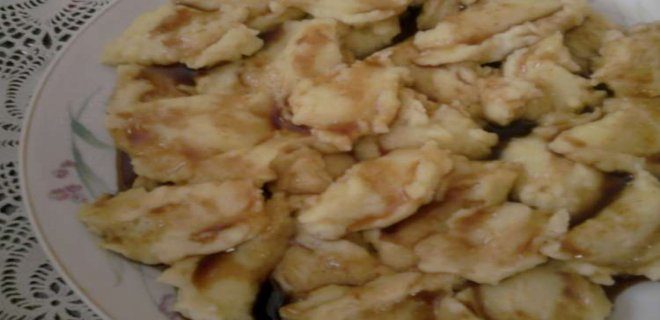
You need few ingredients to make Malay, but the technique is where things get tricky. This isn’t just another pastry; it is a test of patience and skill. In Zonguldak, this dish sits at the top of the local culinary hierarchy.
It appears frequently, not just on special occasions, but as a staple in the regional diet. The process requires a specific kind of craftsmanship. You are not just baking; you are executing a precise method that separates a good Malay from an ordinary one. The result is a flavor profile that relies on simplicity to achieve complexity.
Why Zonguldak homes boil tirit during religious holidays
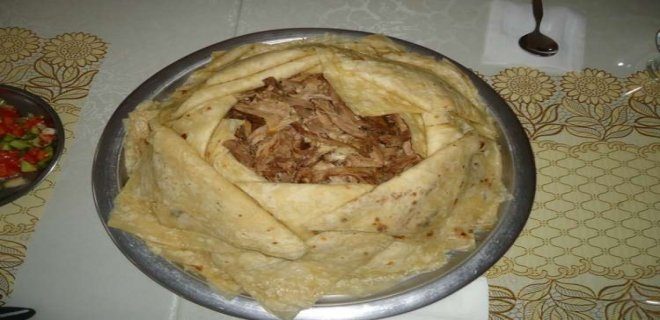
You won’t find this specific regional dish in every corner of Turkey, but in Zonguldak, it is the centerpiece of every Bayram table. Tirit is not just food here; it is a ritual.
The word comes from a local tradition where families gather to prepare this comforting meal together. The logistics are simple, but the effort is communal. You need a large pot. You need bread, which gets torn, not cut. You need meat broth, vegetables, and a generous amount of oil.
In the Black Sea region, the climate demands warm, hearty meals, and tirit fits that bill perfectly. It is dense. It is savory. It stretches a simple loaf of bread into a communal feast.
“Tirit is not cooked; it is prepared by hand.”
When you visit Zonguldak during a holiday, do not just walk past the neighborhood kitchens. The smell of simmering broth and toasted bread will be your best guide. This is where the real tourism lies, not in the museums, but in the pots bubbling in private homes. The cost is negligible compared to a restaurant meal, but the value is in the togetherness.
If you are traveling in a group, ask a local family if you can help make tirit. The answer is almost always yes. You will learn how the bread is torn into pieces that just fit the mouth. You will taste the difference between store-bought soup and slow-simmered meat stock. It is a tactile experience. Your hands get oily. Your hair might get singed from the steam. That is the point.
This dish survives because it is accessible. It uses ingredients any household has. It requires no exotic spices. It relies on technique and time. That is why it remains a staple, even as other traditional foods fade into obscurity.
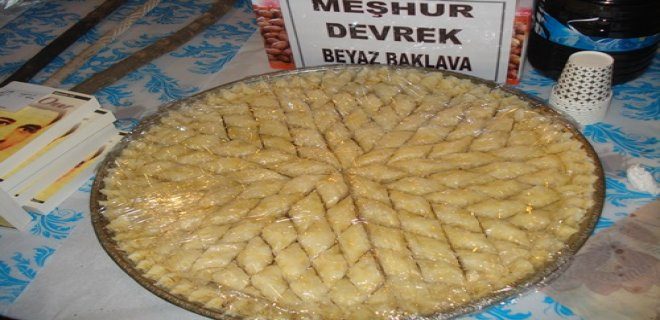
The White Baklava Difference
Zonguldak baklava is not just another pastry. It’s the local pride. People here make it the same way everyone else does, with layers of dough and sweet syrup, but there is one specific trick. They pull it out of the oven before it gets deeply browned. Most baklava turns golden brown or even dark. This version stays pale. Almost white. Hence the name, Beyaz Baklava or White Baklava.
This is not a minor detail. It changes the texture. It stays softer. The crust is delicate, not crunchy or brittle. If you visit Zonguldak, this is the first thing you need to order. It is the signature dish of the region.
Why Local Bakeries Matter
You can find this in several traditional bakeries around the city center. Look for places that have been open for decades. The locals know which shops serve the best quality. The price is reasonable compared to tourist-heavy cities like Istanbul or Izmir. You are paying for technique, not just a brand name.
The process is slow. The dough is rolled thin. The syrup is light. Because it is not fried or baked to a deep brown, it relies entirely on the quality of the ingredients. If the butter is low grade, you will taste it immediately. Freshness is key. Go in the morning or early afternoon. By evening, the trays might be empty or the texture might have changed.
Practical Tips for Your Trip
- Where to eat: Stick to established bakeries in the city center. Ask your hotel concierge or a local taxi driver for their recommendation. They will often tell you which shop has the freshest batch that day.
- Cost: Expect to pay a fair price for a portion. It is not cheap, but it is not luxury priced either. It is a standard meal item for locals.
- Timing: Go when it is freshly made. The syrup should be hot, and the pastry should be soft.
- Pairing: Serve it with strong, black tea. The bitterness of the tea cuts through the sweetness of the syrup. This is the traditional way to eat it.
It is a simple food. But in Zonguldak, it is treated with serious respect. Do not skip it. Find a spot, sit down, and eat it warm. The difference between this and standard baklava is subtle, but once you taste both, you will never go back to the dark, crispy version. At least not while you are in this part of Turkey.
Where Zonguldak’s bean culture actually lives
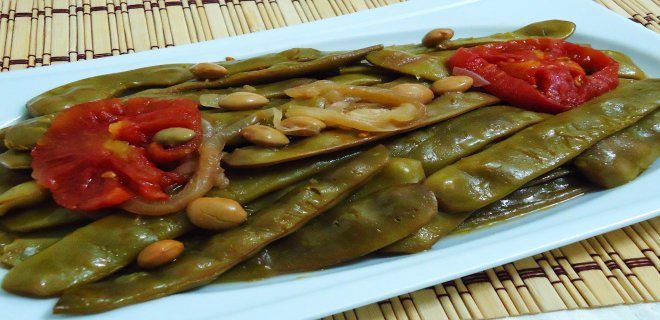
Zonguldak doesn’t rely on heavy meats. The regional table leans on vegetables, and Kabuklu Fasulye sits at the top of that list.
You know how to cook beans. Most people do. But here, the method shifts. Corn kernels go in. That’s it. No secret spice blend, no rare local root. Just corn, cooked alongside the beans until they meld.
If your route takes you to Zonguldak and you sit down to a plate of beans, don’t blink at the yellow grains. It isn’t a mistake. It isn’t a substitute for rice. It’s the standard. The “Zonguldak way” of preparing legumes.
Local identity isn’t always in the rare ingredient. Sometimes it’s in the obvious one, handled differently.
What to expect at the table
Expect a simple, savory dish. The corn sweetens the broth slightly. The beans hold their shape but soften in the same liquid. It’s a comfort food with a specific local fingerprint.
- Main ingredient: Dried beans
- Added element: Sweet corn kernels
- Preparation: Boiled together, standard style
- Dietary profile: Vegetarian, vegetable-forward
You might ask, why corn? Why not peas? Why not rice on the side? The answer isn’t documented in a grand culinary text. It’s just how it’s done here. When you eat the dish, you participate in a regional habit that defines the area’s home cooking.
Practical details for your trip
If you’re planning a trip to the Zonguldak region, look for local eateries that advertise regional specialties. Don’t just order “fasulye.” Ask for the local style. The difference is subtle but distinct.
Timing matters less than location here. This is a year-round dish, dependent on dried stock rather than fresh harvest. But summer and autumn see more outdoor dining, which might make the meal more atmospheric.
Cost is low. It’s a humble dish. You won’t pay premium prices for a plate. It’s the kind of food you eat when you’re hungry, not just when you’re hungry for luxury.
- Budget: Low to moderate
- Where to find it: Local restaurants, home-style cafes, regional food stalls
- What to order: Kabuklu Fasulye, specifically requesting the corn-included version
Why this matters for your itinerary
Travel isn’t just about monuments. It’s about what people eat when they’re not performing for tourists. Zonguldak’s bean dish is a small window into that. It shows a region that values vegetable-based meals, that incorporates available crops into staple proteins, and that doesn’t shy away from simplicity.
You’ll likely find other vegetable dishes nearby. The meat-heavy stereotype of Turkish cuisine doesn’t apply uniformly. This part of the Black Sea coast has its own rhythm.
If you’re already in the area, extend your search. Look for other legumes, local greens, and seafood that might pair well. The bean dish is a starting point, not the end.
There’s no need to overthink it. Just eat the beans. Notice the corn. Let it be what it is: a local tradition, quietly maintained, waiting for someone to notice.
Keşkek: Ereğli’s stubbornly delicious legacy
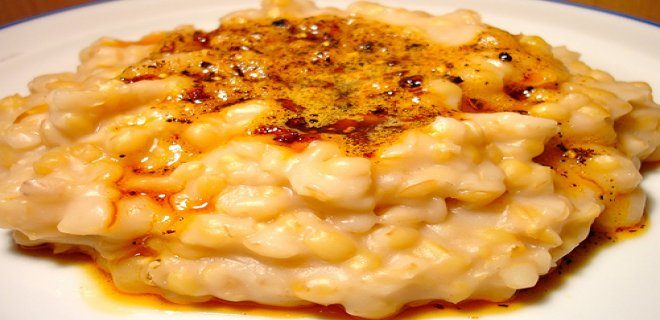
You won’t find much tourism marketing for Keşkek, a village tucked into the Ereğli district of Zonguldak. It’s not a resort. It’s a place named after a food. Specifically, a thick, slow-simmered dish of wheat, meat, and vegetables that defines the local calendar. The name stuck because the dish was so abundant, and the cooking so constant, that “Keşkek” became the only identifier that mattered.
It is labor-intensive. That is the reality of making it right. You are not grabbing a container from the freezer. You are stirring. For hours. The process involves mixing wheat grains with lamb or beef, onions, and spices, allowing the starch to break down and thicken the pot into a dense, porridge-like consistency. It tastes slightly smoky, deeply savory, and unapologetically filling.
Why does a village take its name from a stew? Because in Ereğli, Keşkek is not just dinner. It is the social contract. If you are visiting during a holiday, a wedding, or a communal gathering, you will see it. It is the dish that signals seriousness. You do not serve Keşkek for a quick lunch. You serve it when the occasion demands respect and time.
Is it worth the trip?
If you are chasing panoramic views or nightlife, no. If you want to understand how food anchors a community in the Black Sea region, yes. The logistics are simple: drive into Ereğli, ask locals for the village, and arrive when the pot is being stirred. The cost is minimal, usually just the price of a home-cooked meal, but the texture of the experience is unique.
“Keşkek is the dish you eat when you have nothing to do but cook.”
The texture is key. It should not be watery. It should be dense enough to hold a spoon upright. If you ask for it at a local canteen in Ereğli, they will know exactly what to serve. It is the regional answer to “what do you eat here that you can’t get in Istanbul?” The answer is Keşkek. The village keeps the name alive because the pot never truly stops.
Cizleme: The Soft, Yeasted Bread That Defines Zonguldak
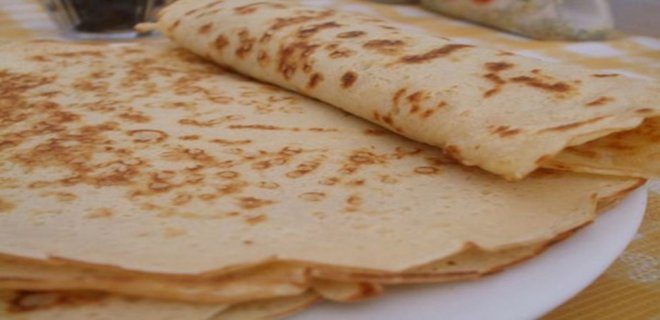
If you ask locals in Zonguldak what they miss most when they travel, the answer is rarely a specific restaurant. It’s cizleme. This isn’t just a side dish; it’s the centerpiece. The city is famous for dough-based and vegetable-heavy meals, and cizleme sits at the top of that hierarchy. It’s simple. Yeast, flour, water. That’s the entire ingredient list before baking.
How to Eat Cizleme Right
The bread comes out of the oven soft, dense, and slightly sweet. You don’t just eat it dry. That’s where the tradition kicks in. Locals spread tahini (sesame paste), honey, or sometimes even butter over the warm slices. The contrast between the dense crumb and the sticky, sweet topping is what makes it stick in your memory.
Why This Bread Stands Out
Most regional breads are hard or dry. Cizleme is different. It’s a soft, fluffy loaf that holds up to heavy toppings without falling apart. If you’re planning a trip to Zonguldak, skip the generic bakery items. Find a traditional fırın (bakery) in the morning. The bread is best when it’s still warm. You can find it at street stalls, but the dedicated bakeries offer the highest quality.
Cost: A standard loaf is affordable, usually under 50 TL depending on size. It’s a cheap, filling breakfast or late-night snack.
Logistics:
– When to eat: Morning for breakfast, or late afternoon.
– Where: Look for signs reading “Cizleme” or ask for “taze cizleme” (fresh cizleme).
– Pairing: Strong black tea (çay ) balances the sweetness of the honey-topped bread.
Don’t overthink it. Just find the smell of yeast and warm bread, follow it to the door, and buy a piece. It’s not fancy. It’s just better than anything else you’ll eat in that region.
Getting Around Without Wasting Money
Transport costs vary wildly depending on where you stand. Renting a car for a week in rural areas hits around $350, plus fuel. That’s cheaper than a tour bus if you’re flexible, but you’re losing sleep to driving time. Public transit in major cities runs on prepaid cards. Buy them at any kiosk or convenience store. A day pass costs roughly $8. Cheap. Effective. No stress.
If you’re staying near the coast, ferries connect the main islands. Fares start at $12 one way. Book online if you can. Peak season gets chaotic, and boats sell out by noon. Show up early. Wear shoes you can take off easily. You’ll be stepping onto wet decks.
Taxis exist, but they’re pricey and inconsistent. Use ride-share apps instead. Prices fluctuate, but you’ll see the fare before you commit. No haggling required. The apps also handle tipping, so you don’t have to calculate change in a foreign currency.
Where to Eat Without Breaking the Bank
Food is the best part. You don’t need fancy restaurants to eat well. Look for places with handwritten menus and locals eating at the counter. That’s the signal. A bowl of soup, grilled fish, and rice runs about $12. Fresh. Tasty. No tourist markup.
Street food works if you watch what’s being cooked. High heat kills bacteria. Avoid raw vegetables if you have a sensitive stomach. Hydrate constantly. Tap water is generally safe in urban centers, but bottled water is cheap enough not to risk it. Buy it at supermarkets, not gas stations.
Breakfast is a ritual here. Eat it slowly. Coffee, pastry, maybe a fruit salad. Under $10. It sets the tone for the day. Don’t skip it just because you’re in a rush. You’ll regret it by lunch.
Timing Your Visit for the Best Experience
Weather matters. The rainy season brings mud, cancellations, and closed trails. The dry season is crowded, but everything operates. Plan your trip between April and October for reliability. Book flights three months ahead. Prices spike two weeks before departure.
Holiday weeks are a nightmare. Airfares double. Hotels triple. If you can’t avoid them, book lodging six months in advance. You’ll secure better rates and more availability. Flexibility saves money. If a flight gets delayed, you’ll need buffer days. Build them in. Don’t pack your schedule tight.
What’s Actually Worth Seeing
Skip the generic tourist traps. They’re expensive and underwhelming. Go to the old town squares, the local markets, the quiet beaches with no umbrellas. These places offer the real texture of daily life. You’ll see people doing laundry, kids playing soccer, vendors calling out prices. That’s the trip.
Museums vary in quality. Check reviews before buying tickets. Some are small, sparse, and overpriced. Others are compact, well-curated, and worth the hour. Look for ones with interactive exhibits or local artifacts. Avoid anything labeled “experience” or “immersive” unless it has strong ratings. Those tend to be gimmicks.
Staying Connected and Safe
Wi-Fi is available in hotels and cafes, but speeds are slow. Download maps before you leave. Offline maps save you when cell coverage


