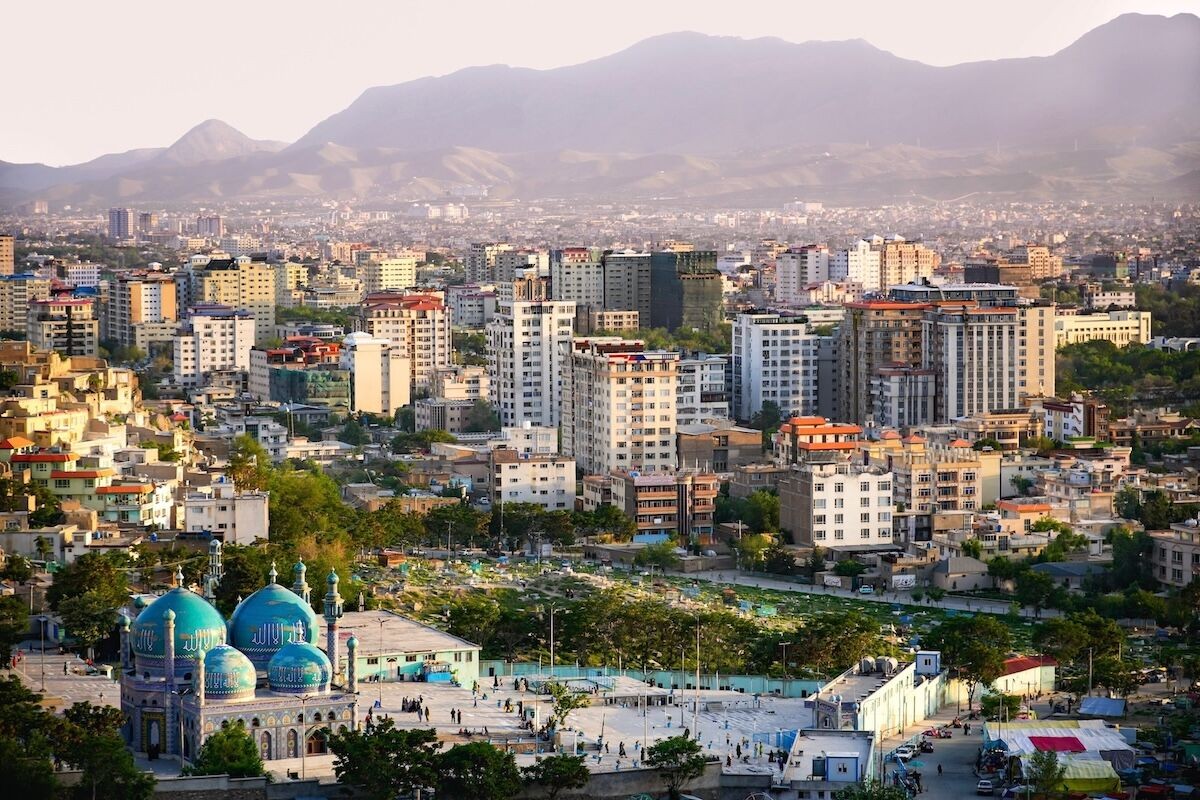
For decades, Afghanistan has been defined in global media by conflict, extremism, and humanitarian crises. But behind the headlines lies a nation rich in history, culture, and resilience. Now, with the Taliban back in power and opportunities for women severely restricted, one Afghan woman is finding new ways to share her country with the world: through virtual tours.
Fatima, Afghanistan’s first female tour guide, now conducts these tours remotely from Italy, where she studies international politics and journalism after a harrowing evacuation from Kabul in 2021. Her story illustrates not just the struggles of women under Taliban rule but also the enduring spirit of Afghans determined to preserve their identity and connect with the outside world.
The Promise of the 2010s: A Brief Window of Reform
Before the Taliban’s resurgence, Afghanistan experienced a period of democratic reform beginning in 2004. A new constitution, approved through a Loya Jirga (traditional assembly), enabled direct presidential elections and the establishment of a bicameral parliament. For the first time, women had the right to vote and participate in political life – a concept once considered revolutionary in the country. This era, though fragile, offered a glimpse of progress before the return of strict religious rule.
From Facebook Activism to Professional Guiding
Fatima’s journey began with a simple act of defiance: challenging negative stereotypes about Afghanistan through social media. In the early 2010s, she created a Facebook page showcasing the country’s beauty, food, and culture. This effort soon led to her first unofficial tour, guiding two Ukrainian travelers around her hometown. She realized then that tourism could be a powerful tool for reshaping perceptions.
“I was thinking maybe Afghanistan, from another side, needs to be seen positively by the world,” Fatima told Matador. This realization led her to work with Untamed Borders, a tour company specializing in unconventional destinations. Despite facing harassment and societal pressure, she persevered, becoming a symbol of female empowerment in a deeply conservative society.
Tourism’s Growth and Setbacks
Between the mid-2010s and 2021, Afghanistan saw a modest increase in tourism. Visitors flocked to sites like the ruins of the Bamiyan Buddhas, the Band-e-Amir National Park, and the historic city of Herat. Fatima and Untamed Borders developed itineraries that combined cultural immersion with adventure. However, this progress was always fragile, dependent on relative security and the willingness of travelers to venture into a volatile region.
The Taliban’s Return and the Scramble to Escape
The withdrawal of US and NATO forces in August 2021 triggered a swift collapse of the Afghan government and the return of the Taliban. For Fatima, this meant the immediate end of her livelihood and a desperate fight for survival. As a visible advocate for women’s rights, she knew she was in danger.
The evacuation was chaotic and brutal. Fatima described terrifying scenes at Kabul airport, where crowds were pushed back with gunfire. She ultimately secured passage to Italy with the help of international donors and activists. The experience left her with severe trauma, including panic attacks and depression.
Virtual Tours: A New Form of Resistance
Now living in Italy, Fatima has adapted by offering virtual tours of Afghanistan. These tours provide a unique window into the country’s hidden gems, from the ruins of the DarulAman Palace to the ancient Minaret of Jam. She shares stories, historical context, and personal anecdotes that humanize a nation often reduced to conflict zones in Western media.
“It’s very hard for me to accept I am never able to go back to my country,” she says. “But I believe that we, as Afghan people, we always love to have tourists visiting our country… we love the interaction between tourists and us.”
The Complexities of Tourism Under Taliban Rule
Fatima acknowledges the ethical dilemma of tourism under the Taliban. Critics argue that any spending within Afghanistan could indirectly support the regime. However, she points out that most money flows directly to local businesses, communities, and families. The Taliban controls only a small fraction of tourism revenue through airport taxes and other fees.
She also warns against romanticizing the Taliban or its ideology. Visitors should avoid posting images that normalize its presence or glorify its violence. Instead, Fatima urges travelers to focus on the people, the culture, and the places that make Afghanistan special.
“If Afghanistan is isolated, the Taliban can do far worse things than if it isn’t.”
Fatima’s story is a reminder that even in the darkest of times, resilience and hope can endure. By sharing her country with the world, she not only keeps Afghanistan visible but also challenges the dominant narratives that define it. Her virtual tours are more than just sightseeing; they are an act of defiance, a testament to the enduring spirit of Afghan women, and a plea for the world not to forget.