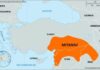
Afyonkarahisar sits right in that weird, wonderful overlap zone between the Aegean and Central Anatolia. It is not just a stopover. It is a destination with its own gravity. Covering 14,237 square kilometers, the province holds about 706,000 people. If you are driving in, you will see the 03 license plate. The area code for calls is 0272. Simple logistics. Important for planning.
The economy runs on agriculture and livestock. This isn’t just a stat. It shapes the landscape. You see rolling fields. You see herds moving across dusty plains. But look closer. Beneath the farming, there are heavy historical layers and physical geography that demand attention. Most tourists miss the depth here. They grab a coffee and leave.
There are seventeen districts in total. You need to know the map if you are serious about exploring. Here is the full list of municipalities you might encounter:
- Başmakçı
- Bayat
- Bolvadin
- Çay
- Çobanlar
- Dazkırı
- Dinar
- Emirdağ
- Evciler
- Hocalar
- İhsaniye
- İscehisar
- Kızılören
- Sandıklı
- Sinanpaşa
- Sultandağ
- Şuhut
Knowing these names matters. Dinar, for instance, is famous for its marble and tulips in spring. Sandıklı has those eerie underground cities carved into the rock. Emirdağ is known for its wind energy and horse culture. If you are planning a trip, don’t just target the city center. The real story is in these peripheral towns.
Why does this matter for your itinerary? Because Afyonkarahisar is often treated as a gateway to Pamukkale or Konya. It is neither. It stands on its own. It has thermal springs that rival the famous ones to the south. It has ruins that are less crowded, more authentic. The food is heavier, heartier. Think pastırma and Lahmacun. The air is dry. The light is sharp.
Are you ready for the slow pace? Or will you rush through to the next highlight? The choice is yours. But if you stay, you will find something real. Something not packaged for Instagram. Just stone, earth, and history.
Keep reading. We are just getting started.

Unearthing Afyon’s Ancient Layers: A Guide for the Curious Traveler
Afyonkarahisar isn’t just a stopover. It’s a layered archive. The first inhabitants here? The Hittites. Their footprint is deep. Then came the Phrygians. They took over. You can see both civilizations in the same town. In the same landscape.
Why Visit Afyonkarahisar for Ancient History?
Most travelers head to Cappadocia or Ephesus. Afyon sits in the middle. It’s quieter. Less crowded. But the historical density is high. If you want to see Hittite and Phrygian artifacts side-by-side, this is one of the best places to do it.
Where to Look for Hittite and Phrygian Remains
You don’t need a guide to start noticing things. But a guide helps connect the dots.
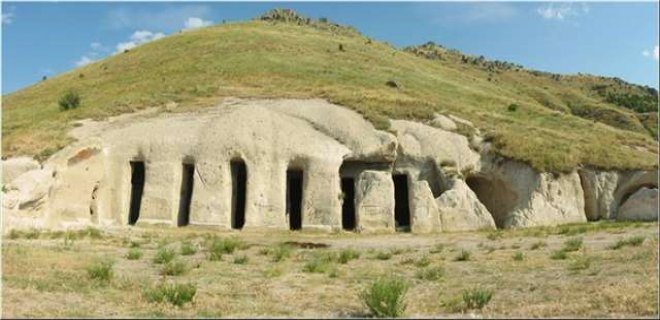
- Yazılıözü : This is a key Phrygian site. Look for rock-cut tombs. The rock reliefs are distinct. They show the transition from Hittite to Phrygian styles.
- Dorylaion (Eskişehir border) : Not quite Afyon, but close. The Phrygian capital. Worth the detour if you’re mapping out a week-long trip.
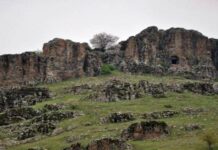
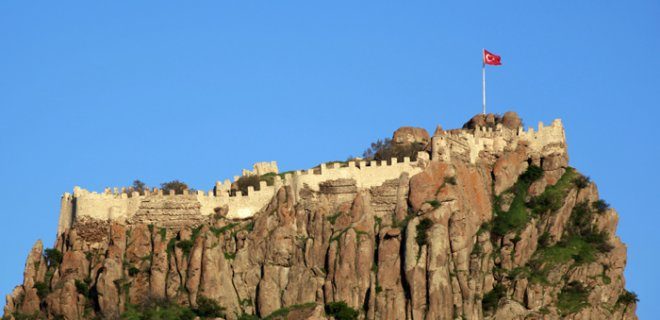
- Afyon Castle (Afyon Kalesi) : The name says it all. But look lower. Look at the foundations. Hittite masonry is visible in the older sections of the wall.
How to Plan Your Visit for Maximum Impact
Timing matters. Spring (April-May) and Autumn (September-October) are best. Summers get hot. Winters get cold. The rock sites are exposed. No shade.
Logistics:
– Rent a car. Public transport between minor archaeological sites is spotty.
– Hire a local historian or certified guide for Yazılıözü. The inscriptions are cryptic. Context makes them readable.
– Budget: Entry fees are low. A guide runs roughly 500-1000 TRY depending on negotiation. Car rental adds cost but saves time.
What’s Genuinely Worth Seeing?
Not everything is marked on maps. Some sites are unmarked. They’re just ruins in a field.
- The rock tombs at Yazılıözü. They’re dramatic. The carvings are weathered but still legible.
- The castle itself. Climb to the top. The view of the city is stark. The rock formation is unusual. It’s not just a castle. It’s a geological anomaly.
- The Afyon Archaeological Museum. It’s small. But it holds the best collection of Hittite seals and Phrygian gold artifacts in the region. Don’t skip it.
Which Sites Are Most Accessible?
Afyon Castle is right in the city center. Walkable. The museum is nearby. Yazılıözü is about 30km out. Requires a vehicle. Plan half a day minimum.
Why This Matters for Your Itinerary
Afyon isn’t a distraction. It’s a deep dive. Most tours skim the surface here. If you stop, you get the full picture. Hittite foundations. Phrygian superstructures. It’s a timeline in stone.
Stop by
Yitirilen ve Geri Alinan Bir Miras
Afyon’un toprakları asla tek bir eldede kalmadı. Önce Lidyalılar aldı. Sonra Persler. Ardından Makedonyalı İskender geldi. Bergama Krallığı. Roma İmparatorluğu. Bizans. Arablar. Sasaniler. Sıralama bitmiyor. Her yeni hükümdar, şehrin ova düzlüklerinde izlerini bıraktı.
Anadolu’ya açılan kapılardan biriydi burası. Bu yüzden de el değiştirdi. Haçlı Seferleri döneminde kısa süreli bir kopma yaşandı. Ama geri alındı. Her seferinde.
- Yıldırım Beyazıt Afyon’u Osmanlı topraklarına kattı. Zafer görünüyor. Ama 1402’de Ankara Ovası’nda Timur’la karşılaştılar. Kaybettiler. Afyon bir kez daha elden çıktı.
Çelişkili bir son. Timur, şehri Germiyanoğulları’na iade etti. Geri verdi. Ama Germiyanoğlu Yakub Bey vefat ettiğinde, miras yoluyla tekrar Osmanlı’ya döndü. Bu kadar karmaşık bir geçmişi olan bir şehir, bugün hala o dengesizliğin izlerini sürüyor.
Modern Dönem ve Tarım Gerçeği
- Kütahya’dan ayrılıyor. Afyonkarahisar adıyla il statüsü kazanıyor. Adı artık daha uzun. Daha resmi. Ama ekonomi aynı.
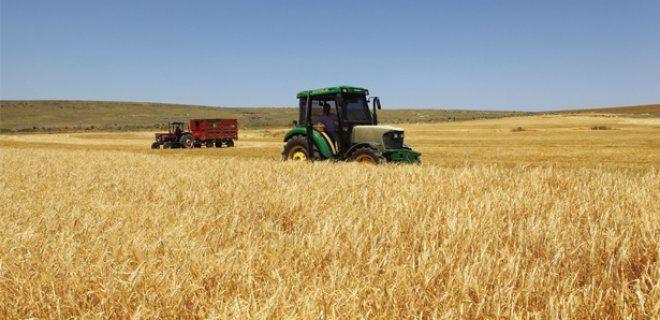
Bugün Afyon’un nabzı tarımda atıyor. Hayvancılık da yan yana yürüyor. Arpa. Buğday. Ayçiçeği. Bu üçlü, şehrin ekonomisinin omurgasını oluşturuyor.
Neden bu kadar tarım yoğun? Coğrafya cevaplıyor. Ova. Verimli toprak. Ve stratejik konumun getirdiği ulaşım kolaylığı.
Afyonkarahisar’da gezmek isteyenler için bu tarımsal gerçeklik de bir deneyim parçası. Ziraat alanlarının arasında kalan antik kentler. Kaya mezarları. Ve o büyük kaya kalesi. Tarih, verimli toprakların gölgesinde yaşandı.
Bugün, o topraklarda üretilen ürünlerin çoğu ihraç ediliyor. Buğdayın kalitesi meşhur. Ayçiçeği yağı, şehrin ekonomik haritasında büyük bir nokta.
Bu geçmişi ve mevcut ekonomiyi anlamadan Afyonkarahisar’ı anlamak imkansız.
Afyon’un iç kesimlerinde toprak biraz daha kuru ve sert. Burada sulama lüksü her zaman yok. Ama toprak inatçı bitkileri sever. Haşhaş. Fasulye. Şeker pancarı. Nohut. Mercimek. Patates.
Bu liste rastgele değil. Kuraklığa dayanıklı. Düşük maliyetli. Geleneksel. Afyonlular yüz yıl önce de böyle yetiştiriyordu. Şimdi de öyle. Şeker pancarı fabrikaları için. Mercimek ihracatı için. Patates ise yerel tüketim için. Haşhaş tabii ki ilaç değil. Endüstriyel ve geleneksel amaçlı. Bu ayrımı anlamadan bölgeyi anlamak zor.
Su meselesi farklı.
Güney Ege’ye inince hava değişiyor. Nem artıyor. Su bol. Toprak yumuşak. Burada meyve bahçeleri cennete dönüşüyor. Şeftali. Dut. Armut. Elma. Erik.
Karpuz ve kavun da buraya ait. Yazın güneşi altın rengine döndürüyor kabuklarını. Tat seviyesi rakamlarla ölçülmez. Dile konan bir şey.
Hangi bölgeler hangi ürünleri üretiyor?
Afyon’da su kıtlığı var. Bu yüzden su tutan bitkiler öne çıkıyor. Mercimek kuraklığa dayanır. Nohut da. Fasulye ise sezonluk. Şeker pancarı ağır. Ama getirisi iyi. Patates seralarda veya açıkta büyür. İkisi de olur.
Güney Ege’de su sorunu yaşamayan yerler şeftali ve dut için ideal. Dut özellikle sahil şeridine yakın. Nemli. Sıcak. Armut ve elma bir miktar daha iç kesimlerde. Erik de aynı. Karpuz ve kavun ise açık alanda. Sıcaklık yüksek. Nem dengeli. Tat dengesi de yüksek.
Neden Afyon’da mercimek, Güney Ege’de şeftali?
Su. Sadece su.
Afyon’da yağış az. Dereler kurak. Yeraltı suyu derinde. Bu yüzden su tüketimi düşük bitkiler yetiştirilir. Mercimek. Nohut. Şeker pancarı az su ister. Fazlasını istemez. Afyon’da aşırı sulama tarımın düşmanı.
Güney Ege’de su bol. Dereler akarsın. Yeraltı suyu yakın. Bu lüksü meyveler kullanır. Şeftali su ister. Dut su ister. Elma ve armut da. Ama en çok karpuz ve kavun. Bunlar suyu toplar. Tadını buna borçlu. Güney Ege’de karpuzun suyu daha berrak. Daha tatlı.
Zamanlama ve tedarik
Afyon’da mercimek hasadı sonbaharda. Eylül-Ekim. Nohut da aynı dönemde. Fas
Livestock and Minerals: The Hidden Economy of Afyonkarahisar
Afyonkarahisar’s economy doesn’t just rest on tourism. It’s rooted in the soil and the herds.
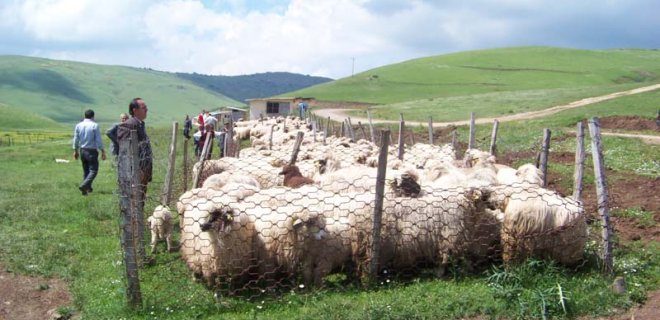
Locals take livestock seriously. It’s not a hobby. It’s a way of life. Sheep farming dominates the landscape. You’ll see flocks across the plains. But that’s not the whole story. Cattle are also raised. So are hair goats and mohair goats. The variety matters. It shows a diversified approach to agriculture. This isn’t industrial farming. It’s traditional. It’s tied to the land.
Then there’s what lies beneath. Afyonkarahisar is rich in mineral resources. The earth here is packed with deposits. You can find sulfur. Iron is there. Tin, lead, and manganese too. Mercury and lignite are extracted as well. These aren’t just random rocks. They’re valuable commodities. They drive local industry. They fuel energy production.
Why does this matter to you? Because it shapes the region’s character. The air smells of earth and animals. The economy isn’t monolithic. It’s layered. Agriculture and mining coexist. They’re part of the same fabric.
If you’re visiting, look beyond the hot springs. Watch how people work. Notice the balance. It’s not just about relaxation. It’s about survival. Adaptation. Tradition.
This isn’t a museum piece. It’s a living region. One that feeds itself. One that mines its own future.
Afyon’s industrial backbone
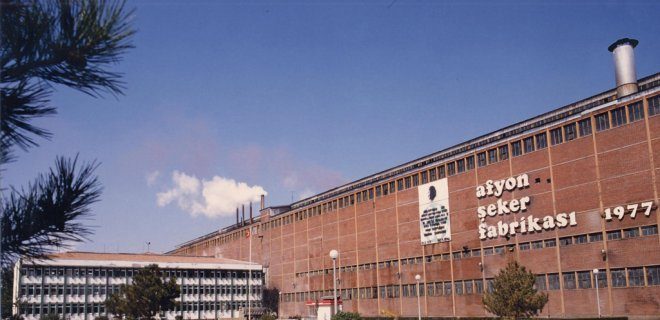
Look past the statues and the thermal baths for a moment. Afyonkarahisar isn’t just a postcard. It’s a working city. You will see it in the skyline. Cement factories loom on the edges of town. Paper mills hum nearby. The air carries the weight of heavy industry.
It’s not exactly “romantic.” But it’s real.
If you are planning a trip here, knowing what the city does matters. It shapes the schedule. It shapes the budget. And it explains why you might smell sugar in the air while walking near the river.
- Cement production : Huge facilities dominate the industrial zones.
- Meat processing : Large-scale operations for livestock products.
- Sugar refining : Factories that process local cane and beet.
- Paper mills : Manufacturing plants that supply the region.
This isn’t obscure trivia. It’s context.
Why does this matter to you? Because these industries drive the local economy. They create jobs. They keep the streets busy during the day. They mean you’re not walking through a ghost town in the off-season.
The scent of roasted coffee mixes with something sharper. Maybe it’s the chemical tang from the paper mill. Or the sweetness from the sugar plant when the wind shifts. It’s complex. It’s gritty.
Don’t let the industrial reputation scare you off. It’s part of the texture.
“Afyon is a city of contrasts. The ancient rock castle watches over modern factories.”
Visit in the morning. The light hits the limestone cliffs differently. The shadows are long. The factories are just starting up. It feels alive.
Stay for lunch. Eat something heavy. The meat processing plants supply a lot of the local diet. You’ll taste it. Rich. Salty. Real.
Then walk to the castle. Look down. See the smoke stacks. See the people moving between the old and the new.
It’s not a typical tourist spot. It’s better. It’s honest.
The next part of your trip will involve movement. Packing. Planning. But before you go, take this in. Afyon doesn’t hide its labor. It wears it openly.
Keep your eyes open. The details are in the smoke. In the smell. In the noise.