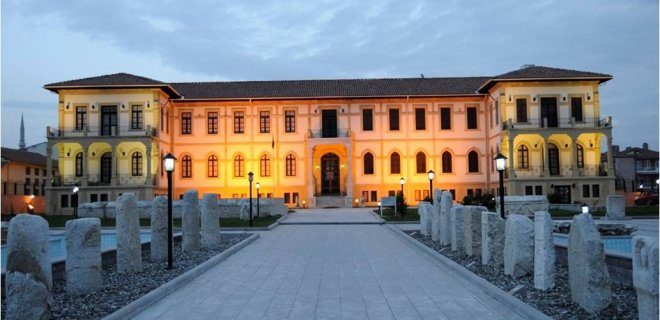
Most people rush through Çorum to somewhere else. They grab a simit and headed to the Black Sea or Ankara. This is wrong. If you want to know why this city has stood the test of time, you have to stop and take a look. You have to go through the door of Çorum Müzesi (Çorum Müzesi ).
It’s not just a building. This is a memory of this city.
The objects here did not fall from the sky. They were pulled out of the ground during excavations at historical sites in the area. Each piece has been carefully excavated and placed here. You can see that thousands of years of dust have stuck to the stone. You can see the hands of craftsmen who lived here thousands of years ago.
Why you should visit Corum Museum
This is not just a museum with dry plaques and glass cases. It’s a story told in stone, metal and fabric. The collection covers different eras that shaped Anatolia’s identity.
You will walk through early civilizations. Then you will see the deep influence of Rome. Then came the time of Byzantium. The collection doesn’t end there. It reaches into the Ottoman era. You will also find handmade crafts from that time. Every object has a specific origin. Each item tells a different part of the same story.
The museum reflects Çorum’s geographical past. This is the best place to see it.
What are we actually seeing?
Don’t expect highlights. The value is in the progression.
First, you can see the early roots. The artifacts of the first civilizations are often simple but profound. They show how people lived, worked and worshipped.
Next, the Roman and Byzantine pieces arrive. These are even bigger. More elaborate. We see a shift in power and culture. The craftsmanship becomes more complicated.
Finally, the Ottoman era. The focus now shifts to everyday life. handmade products. tool. religious crafts. It grounds the grand history in human reality.
This combination is rare. Many museums specialize in certain eras. This shows continuity. It shows how each era builds on the previous one. That is the real draw.
Plan your visit
Logistics is important. You don’t want to get lost in the city center. You want to know exactly where you are going.
Address:
Cengiz Topel CAD. No/3
Merkez/Çorum
Located in a central area. It is very easy to find. Parking is easy if you have a car. If you use public transport, you can reach this place by most major routes.
Contact us:
For opening hours or special inquiries, call us at:
(0364) 213 15 68
Call before you go. Especially during the holidays. Or if you have specific questions about the exhibition. The staff is generally helpful. A simple phone call can save you an hour of waiting time.
How long should I stay?
Two hours is a good baseline. If you read all the labels, it’s probably three. Maybe one if you just glance. But there’s no need to rush.
The museum is not big. But it is dense. There’s something around every corner. If you hurry, you miss the connection between the pieces. The value is in the context
Tracing Hittite Roots in Alacahöyük
If you’re planning a trip to Corum, you can’t just treat it as a transit state. The province is home to some of the oldest continuous settlements in Anatolia, and the weight of history is most evident in Alacahöyük. Located in the village of Höyük, about 18 kilometers from the center of Alaca, this village is more than just a piece of land with a few stones. It is a historical national park where layers of civilization dating back thousands of years have been preserved along the remote roads of Ephesus and Pergamon.
Thousands of tourists make the pilgrimage here every year, but the experience can still be very lonely if you know how to look. The ruins aren’t the only ones you’ll see. You will walk through the foundations of the spiritual center of the Hittite Empire.
Behind the obelisk: what really defines this place
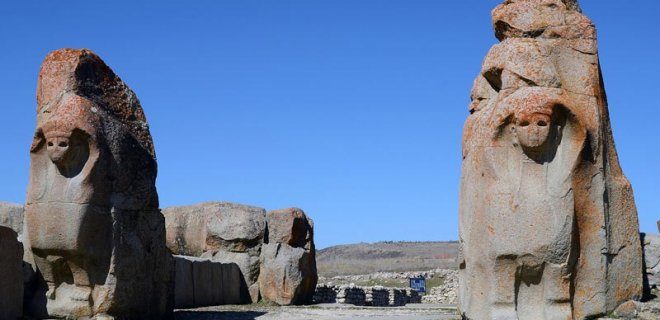
Most guidebooks direct you to the two giant obelisks that guard the entrance. They are certainly impressive, but it would be a mistake to stop there. The real charm of Alacahöyük National Historic Park lies in the complexity of the stratigraphy beneath your feet.
This place was a religious center of the Hittites during the Late Bronze Age (around 1400-1200 BC). It wasn’t a city for living; This is a sanctuary. Here, the air feels heavier and denser, and the rituals performed in the outdoor courtyards remain in memory. As you walk through the park, you’ll explore the physical remains of a society that once had an influence comparable to Egypt and Babylon.
The preservation here is striking. Built with a unique combination of large and small stones, the Hittite walls withstand the winds of Central Anatolia. It forces you to confront the logistics of ancient engineering. How did they move 50 tons of stone without modern machinery? The answer lies in the purely physical reality of the site itself.
Practical Logistics for Your Visit
Planning a trip requires local knowledge. The park is open every day, but timing is critical. Arrive early in the morning, especially between June and August, when the midday sun turns the plain into an oven. Shade is scarce and can be deceptive radiating from the ancient stones.
“Alacahöyük’s silence is not empty, it waits.”
Costs are minimal compared to other major sites in Turkey. Entrance fees are affordable and often include entry to a small on-site museum with some of the finest artifacts. If you miss the museum, you’ve missed half the story. The statues of lions and gods found here are too fragile for the elements, so the museum holds the delicate work of art that defined their mythology.
Transportation is easy. If you rent a car in Corum town, follow the signs to Alaca. Driving time is short, about 20 minutes on paved roads. Public buses run regularly from the Corum bus station to the center of Alaca. From there it is a short dolmuş or taxi ride to the village. Don’t try to hike it from the city; The further you go, the more tired you are and the less you can appreciate the ruins.
Which Artifacts Are Actually Worth Stopping For?
When you enter the museum section, ignore the
Defending the Gates of the Lost Empire
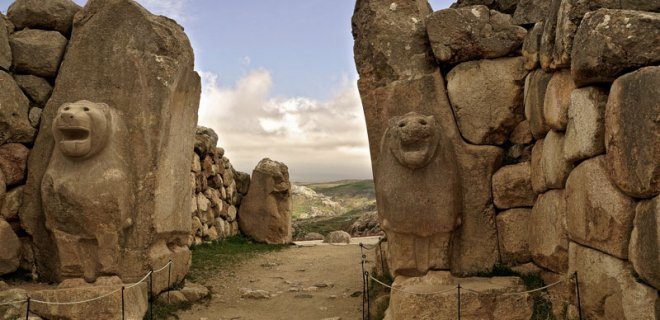
Standing in front of the Lion Gate feels less like looking at a rock and more like staring into space. That weight is physical. You stand in the shadow of Hattusha, the ancient capital of the Hittites, buried deep in the red hills of Çorum.
This is more than just an archaeological site worth mentioning. Here, history is no longer just a chapter in a textbook, but comes alive.
The city was the center of the Hittite kingdom 1700-1300 BC. Think about that timeline. When Rome was still a collection of huts, Hattusha was a vast, heavily fortified metropolis. This is not just a local force. This is a superpower. Excavations here rewrite the entire story of the ancient world, showing that Anatolia was a key player in the geopolitical chess game of the Bronze Age.
Why Hattusha is important for modern travelers
Most people fly over Ankara, maybe staying overnight in the town of Çorum, and miss the reality that it’s three hours to the northeast. But if you’re planning a trip to Turkey, it would be a mistake to ignore Hattusha. It offers a serenity and scale that you can’t get in Istanbul or Ephesus.
First of all, you will be surprised by the enormous size of the ruins. The walls are huge. The gates is majestic. What you are looking at is not a delicate piece. Rather, we can see the skeleton of a civilization comparable to Egypt and Babylon.
“Hattusha is more than just a ruin. It’s a declaration. It teaches us that no matter how good absolute power is, it eventually crumbles to the ground.”
What You Should Really See (And How to See It)
Don’t wander around aimlessly. The site is huge. You need a strategy.
Let’s start at the Lion Gate. This is the main entrance to lower city. Although the lions has faded, its gaze is still awe-inspiring. Behind them awaits the sphinxes Gate. This one is more mysterious. The sphinxes has a unique Hittite style that combines Egyptian elegance with Anatolian strength.
Go to the **Temple of the Storm God. This is a religious center. The acoustics here are wild. When you speak to the ruins, the stone carries your voice as a strange, hollow echo. It reminds us that this is a ceremonial place with priestly shouts, smoke and fire.
Next up is the Avenue of the sphinxes. It is very long. It’s straight. Today it leads nowhere, but in 1200 BC it was connected to the center of imperial power. Walking this path feels like walking through a ghost story.
The actual situation of the visit
Let’s be honest about the logistics. This is not a cozy tourist trap. There is no fancy cafe on the premises. There is no air conditioning at the museum entrance. You bring water. You bring a hat. You bring patience.
It is a winding road from Çorum town and takes about 45 minutes to 1 hour. If you drive from Ankara, the journey takes at least 3 hours each way. Road conditions are good, but isolation is severe
Why Jorm Castle defines the town’s identity
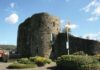
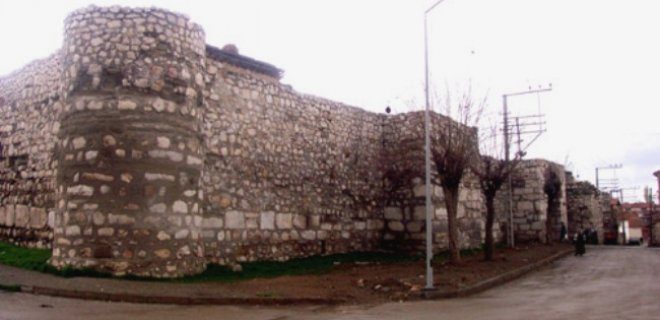
You don’t have to look far to find your horizon anchor point. Corum Castle is located in the city center. It’s not just a ruin hidden in the mountains. It is the symbol of this prefecture. It can be viewed from almost any angle. It controls the field of vision. The architecture screams Seljuk. Walking along the ancient roads, you can feel the weight of history. I feel like every stone has a story. You might want to take pictures of each block to prove you’re there.
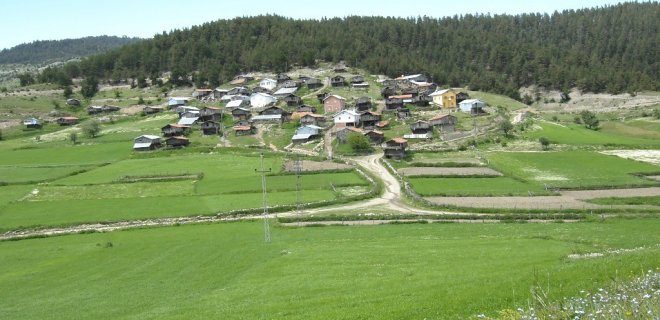
Çorum’un doğa listesinde üst sıralara oturmuş bir nokta var. Adı Kargı Yaylası. İlçenin kalbinde değil, tepelerin arasında. Burası sadece bir coğrafi konum değil. Bir kaçış rotası.
Özellikle Temmuz ve Ağustos ayında durum değişiyor. Şehirdeki gürültü, yaz sıcağının yapışkanlığı ve günlük stres, bu yükseltide neredeyse unutuluyor. Kargı Yaylası, Çorumluların bile şehri terk ettiği bir sığınağa dönüşüyor. Neden mi? Çünkü manzera yargılamıyor.
Seyahat planınızı yapıyorsanız, bu yaylayı göz ardı etmek hata olur. Doğal güzelliği, görsel şöleni ve sunduğu huzur, bir sonraki Çorum gezinizde öncelikli durak olmalı.
Neden Kargı Yaylası Seçilmeli?
İnsanlar genellikle “nerede kamp yapılabilir” diye sorar. Cevap basit. Kargı Yaylası, Çorum’un en erişilebilir ve etkileyici yüksekova alanlarından biri. Zorlu tırmanışlar gerektirmez. Ulaşım nispeten kolaydır, ancak varınca hissettiğiniz şey farklıdır.
Buraya gelmenin temel nedeni huzur. Ve huzur, Kargı’da somutlaşır.
- Doğal Güzellik: Yeşilin her tonu, bulutlarla buluşur.
- İklim: Yazın serinliği, kışın kar manzarası.
- Erişim: Çorum merkeze yakınlığı, uzun yolculuk yorgunluğunu ortadan kaldırır.
Zamanlama ve Lojistik
En iyi dönem? Yaz ayları. Özellikle akşam saatleri.
Gündüz güneşin ışığı yaylanın her detayını vurgular. Çimenler, ağaçlar, uzakta kalan dağ silüetleri… Her şey net. Ama akşamüstü, güneş batarken, hava değişir. Sıcaklık düşer. Rüzgar hafifler. O anı kaçırmayın.
Logistik kısmı basit. Çorum’a vardınız. Kargı ilçesine geçiyorsunuz. Yaylaya giden yollar, bazı bölümlerde engebeli olabilir. Dikkatli sürün. Araç tipiniz önemli değil; bir SUV veya normal bir binek araç yeterli. Yollar kapalıysa, yürüyüş mesafesi kısa.
Ne Zaman Gidilir?
Temmuz-Ağustos zirve sezonu. Kalabalık olabilir. Ama kalabalık, doğanın önünde küçük kalır.
İlkbahar da güzel. Çiçekler açar. Daha az insan. Ama hava değişkendir. Mont yanınızda olsun.
Kış da ayrı bir deneyim. Kar manzarası,
Why Çatak Tabiat Parkı is Çorum’s greenest secret
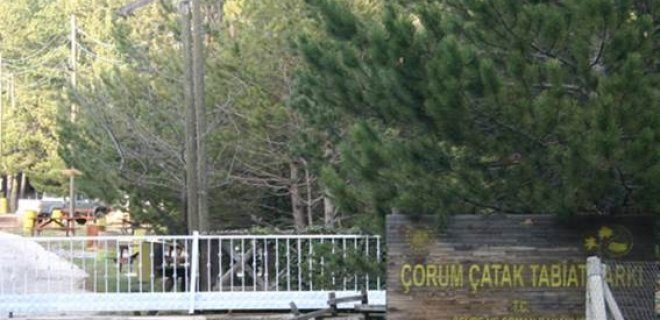
A short drive from the center of Çatak Tabiat Parkı is more than just a stop on the map. It is arguably the region’s most beloved natural escape. If you are planning a trip to Central Anatolia, skip this tourist attraction and miss out on local leisure attractions.
The park attracts many visitors not because of its remoteness, but because it is both accessible and wild. Visitors flock here to observe the diverse flora and fauna that flourish in the protected valley. You can hear the birds before you see them. The canopy above the tree creates a cool microclimate that stands out from the dry heat of the surrounding plain.
For the locals, this is more than just a tourist attraction. It is the primary lung of the region. People come here to breathe. Escape the hustle and bustle. Do you want to spend a relaxing moment in the hills?
If you want to see how the people of Corum really spend their free time, include this in your itinerary. It’s not just sightseeing. It’s all about immersion.
Why the Ulu Mosque in Çorum is a treasure of Seljuk architecture
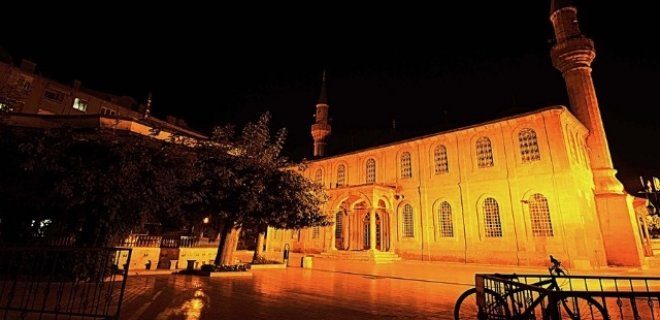
If you are planning a cultural route through Central Anatolia, skipping Çorum is a mistake. The crown jewel of the city, Çorum Ulu Camii, is more than just a place of worship. It’s a master class in 13th century engineering and has survived the passage of centuries.
Located in the city center, logistics is very convenient. You don’t have to drive or spend hours hiking to find it. Located in the center of Corum, it is the perfect anchor for a half-day stay. For travelers wondering how to plan a visit, try to include it in your afternoon schedule. It is easily accessible, centrally located and definitely impressive.
The history of the mosque dates back to the Seljuk era. Architecture at that time focused more on bold structures than decoration. The design reflects Seljuk characteristics such as stone craftsmanship, intricate woodwork and a monumental scale that feels out of place in a modern urban setting. Every year, thousands of visitors leave with a special respect for a place that has stood the test of time.
But here’s the thing: the building you see today isn’t exactly what was built eight hundred years ago the buildings you see today are not exactly the same as those built 800 years ago. The Ulu Camii has undergone several restorations. This does not diminish its value. It highlights the ongoing efforts to preserve these fragile historical narratives.
“This structure is a testament to the resilience of Seljuk architecture, which has stood the test of centuries through careful and repeated restoration.”
When planning your trip, remember that this is one of those places where the journey is as important as the destination. Easy access means you can spend more time looking at the ceiling details and stonework and less time worrying about logistics. This is a rare combination of historical depth and tourist-friendly location.
For anyone asking which historical sites to prioritize in central Turkey, this should be at the top of the list. It is more than just a mosque. It is a piece of living history that still serves as a museum of the evolution of architecture.
Last push: Stay crazy and go home
You did it. The travel plan has been decided. Photos are backed up. But now you have to face the most stressful part of your trip: departure formalities. Most guides skip this. You are at the door of the airport, your stomach is half empty and your hand luggage is somehow more than three kilos heavier. Don’t let leaving spoil your memories.
The key to a smooth start is to think of it as the final leg of your journey, not an afterthought. Let’s start with transportation. If you are at a major airport, book your transport or train tickets in advance. A last-minute taxi ride in a foreign city often results in high charges, or drivers take scenic routes to justify the meter. Check your local transit app. Look for real-time updates. If possible, avoid peak pricing during peak times.
Next, solve the packaging reverse engineering problem. You left with a different weight than when you arrived. The number of souvenirs will increase. The temptation to tax exemption is stronger than you think. Weigh your luggage before leaving the hotel. Most airlines have a very strict 7 kg limit for hand luggage on budget airlines. This is not advice. This rule led to high entry fees. If you are approaching the border, transfer liquids to your checked baggage. Wear your heaviest jacket. This is an old trick, but it works.
What to leave behind (and what to leave behind)
Do not take trash home with you. Seriously. Those cheap magnets and key chains clutter your home and serve no purpose. Focus on meaningful experiences and small, quality items. When buying food, check your country’s customs regulations. Some fruits, meats and cheeses are prohibited. The punishment is not worth it.
Save the digital receipt. Flight confirmed. Hotel reservations. Rental car agreement. Put them in a folder on your phone. Paper copies will be lost. Your phone doesn’t have it. If you’re using a travel app, take a screenshot of the confirmation page. Mobile phone service at airport checkpoints can be unclear.
The last meal
Where you eat before you go is important. Do not enter the dining hall after security. It’s too expensive and generic. Enjoy a meal at a well-known local restaurant outside the secured area near the terminal. It’s a bit more expensive than street food, but you get a decent meal. Moisturize. The inside of the plane is dry. Dehydration can worsen the delay. Drink water before riding. It’s not soda. It’s not alcohol. water.
Country on purpose
Once you’ve landed, make a plan. If you have limited transit time, don’t wander around aimlessly at baggage claim. Stand on the carousel. Pay attention to the label. If your bag is damaged, report it immediately. photo. Get your reference number. Do not leave the airport without solving the problem.
When you go out, take your time. Breathe. The journey is over, but it doesn’t have to leave an impression. Think about what has changed. You might have learned a new phrase. You might find an unexpectedly quiet park. Maybe you’ve found that you can handle more than you think.
Pack your bags. Write down the name of the place to stay. Just don’t keep it in a file. Let them tell you where to go next. The world is vast. We have only scratched the surface.