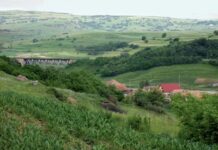
San Luis is not on most tourist routes. It is located in a quiet location on the northern slopes of the Sierra Maestra, away from the crowds of the coast. For travelers looking for something a little different from the usual resorts, this small town offers a slice of authentic Cuban industry and agriculture. Located about 12 miles (20 km) north of Santiago de Cuba, it is separated by the rugged terrain of the mountain range that defines the landscape of eastern Cuba.
Why San Luis is important to the curious traveler
This city is more than just a dot on the map. It serves as an important railway junction and trade center for the surrounding agricultural hinterland. If you are planning a trip to eastern Cuba, understanding the local economy will help you better understand the rhythm of the area. The area is famous for growing sugarcane, coffee and various fruits. These are not just exports; They are the lifeblood of the local community.
You can feel the impact of this production directly in and around the city. Coffee roasters and sugar refineries operate here. They give the air a distinct, earthy scent that cannot be found in the capital. Nearby there are manganese deposits that indicate the geological richness of the area, although the mining operations are less visible to the casual visitor.
How to get there and where to go
Getting to San Luis is simple if you are already in eastern Cuba. The city has good connections both by highway and railway. You can get there easily from two key nearby towns:
- Guantanamo: Located 50 miles (80 km) east.
- Palma Soriano: Just 13 miles (21 km) to the west.
The train connection is particularly noteworthy. San Luis serves as a hub, which is why trains often pass through. If you like scenic train journeys, this route offers views of the Sierra Maestra, which moves from the coast to the mountains. The infrastructure supports both passengers and cargo and keeps the city connected to the wider Cuban network.
Who visits San Luis?
The population has fluctuated slightly in recent years. In 2002, the city had approximately 33,717 inhabitants. According to the 2011 estimate, the number had dropped to around 31,700. This decline reflects broader demographic trends in rural Cuba, but also means that San Luis maintains a manageable, non-tourist feel. You won’t find crowds here. Here you will find the locals living their daily lives focusing on the coffee and sugar industry.
For the passenger, this means privacy. You can walk the streets in peace. You can talk to shop owners about their coffee roasting processes. You can follow the arrival and departure of trains, observing the rhythm of a city focused on transport and trade.
What to see and do
Don’t expect big museums or historical monuments. Instead, look for industrial heritage. Visit a local market selling inland fruits. Try the freshly roasted coffee – probably grown in the surrounding hills and processed here. The sugar factories are not open for tours, but their presence shapes the city’s skyline and economy.
Proximity to the Sierra Maestra is a bonus. The mountains to the south offer hiking trails and cooler temperatures. Separation of Santiago de Cuba