



Pets aren’t just animals anymore. They are family. The American Veterinary Medical Association says US households with pets outnumber those with children by a factor of two. We spoil them. We talk about them constantly. Leaving them behind when you pack for a getaway feels wrong. So, you don’t leave them behind.
In 2007, twenty-nine million Americans took trips with their furry dependents. The infrastructure is catching up. Hotels let them in. Restaurants let them on the patio. Websites flag pet-friendly spots. AAA publishes guides specifically for dog and cat owners. But the world isn’t entirely open. Cruise ships? No. Art museums? No. Some doors are locked tight while others swing wide open.
This guide covers destinations that welcome both you and your pet. From horses to house cats, here is how to navigate the wild.
10: Into the Wild
If you like dirt under your fingernails and your dog likes dirt under its paws, hiking is the answer. Most states have public lands that allow leashed dogs and cats to explore. Wisconsin has 99 state parks and forests. Arkansas calls itself “The Natural State.” It offers 1,500 miles of trails across 2.9 million acres of national forest. The options are vast.
For the serious hiker, the Appalachian Trail stretches 2,170 miles from Maine to Georgia. It’s a grind. It’s beautiful. It’s not simple. Every venue has its own rules. Some limit the number of pets. Some ban them entirely. You need to check with the state’s Department of Natural Resources before you go. Don’t assume. Verify.
Protected Areas
National parks are tricky. In most US national parks, pets are restricted to developed areas. You can camp with them. You can drive past them. You cannot take them on the trails. You cannot take them to the beach. You cannot leave them alone at the campsite. They are too valuable. You are too responsible.
Historic sites often ban pets completely. Most buildings on federal and state lands do the same. The reasoning is usually preservation or safety. The result is frustration for travelers who want to bring their best friend. Read the fine print.
9: Camping Excursions
Camping offers a middle ground. It’s outdoors, but it’s controlled. Many campgrounds welcome pets. Some require leashes at all times. Others have quiet hours that pets might violate. If your dog barks at squirrels, you’re in for a long night.
Check the specific campground policies. Some rural spots are lenient. Popular national park campgrounds are strict. Bring waste bags. Bring a long leash. Bring patience. The view is worth the extra cleanup.


If you are thinking beyond the typical day hike, consider the overnight option. A growing number of campgrounds and state parks welcome leashed dogs and cats. Your pet can nap by the fire pit while you swap tales under the stars. But rules vary wildly. Call ahead. Verify leash requirements, noise ordinances, and specific pet policies. Compliance keeps your spot secure.
Pack smart. If your furry friend isn’t sleeping in your main tent, get a small, separate shelter with their bedding. Essential gear includes:
- Leash and collar
- Sufficient food and water
- Vaccination records
- First-aid kit for both humans and animals
- Grooming supplies
- Flea and tick repellent
Don’t skip the repellent. Bringing pests home ruins the trip’s legacy.
Hooved Adventures on Trail
Hooves change the logistics. You need different gear, different stamina, and often, rental logistics.
Watson Mill Bridge State Park, northeast Georgia, is a prime example. It spans over 1,000 acres of forest. The centerpiece is an 1885 covered bridge. It stretches 229 feet across the South Fork River. It holds the title of Georgia’s longest historic covered bridge. The park offers rental stalls for horses. You can camp with tents, trailers, or RVs. Log cabins are available too.
Travel north to the Big South Fork National River and Recreational Area. It spans the Tennessee-Kentucky border. The landscape is vast—125,000 acres. It boasts 180 miles of trails. Accommodation ranges from standard campsites to the Charit Creek Lodge. You can only reach the lodge by horseback. It offers a secluded, high-end experience in the wilderness.
For expansive, unspoiled terrain, look to the Bureau of Land Management (BLM). The agency manages over 245 million acres, mostly in the West. Many areas allow primitive camping and horseback travel.
Consider the Palen/McCoy Wilderness in California. It covers 236,488 acres. The terrain shifts from mountain ranges to dunes and ironwood forests. There are no roads here. You ride in.
Wildlife Management Areas (WMAs) across the U.S. also cater to equestrians. Most provide basic camping and equestrian trails. Note the hunting seasons. Avoid those dates if you want a quiet ride.
Keeping Venues Pet-Friendly
The landscape for pet owners is shifting. Some beaches and parks have tightened restrictions due to irresponsible behavior. One owner’s negligence can close a venue for everyone.
Protect access for your pet by being exemplary.
- Obey all posted rules.
- Keep pets on leash or under strict voice control.
- Clean up immediately. Always.
- Respect other visitors and the environment.
Courtesy is the price of admission. If you want to keep these doors open, act like you’re the guest who deserves to return.
Wanderlust With Pets
If you and your animal companion prefer speed over hoofbeats, look to the road. The next phase of your journey involves mobility. Whether it’s a cross-country trek or a coastal drive, the right vehicle and preparation turn miles into memories. Keep an eye out for activities that blend high-speed travel with stops that welcome both you and your four-legged co-pilot. The open road is waiting.

If your idea of a perfect getaway involves four paws and a passport, the open road has a surprising amount to offer. You don’t need to leave your dog at home to enjoy the journey. Communities across the country have recognized this, turning local parks into hubs for canine socialization. Look for events like “Bark in the Park,” which pop up from San Jose, California, to Greenville, South Carolina. These aren’t just pet drop-offs. They are community gatherings featuring fun-runs, agility obstacle courses, Frisbee competitions, and even demonstrations by police K-9 units. Food and festivities usually follow.
Some towns have infused their pet events with local history or humor. Take Newport, Oregon, for example. Each May, the Annual Brewer’s Memorial Ale Fest draws beer lovers and their dogs to the Rogue Ales headquarters. It’s a tribute to Brewer, a black Labrador who was the companion of brewmaster John Maier and even appeared in local TV commercials until he died in 2006. In Hollywood, Florida, the Super Bowl brings the Dog Bowl. Owners dress their pets in team colors, and the animals participate in games and citizenship tests. It’s chaotic, colorful, and undeniably fun.
Competing on the Road: Agility and Shows
If your dog has more energy than sense, agility training might be the outlet they need. The United States Dog Agility Association (USDAA) is one of the main bodies organizing these events. Think of it as a sport where the course is the challenge. Dogs swivel across seesaws, race up and down ramps, soar over hurdles, burst through tunnels, and zigzag through poles. It’s high-energy stuff for both the animal and the handler.
For road-trippers, these competitions can dictate your itinerary. In April alone, major events have been scheduled in Camarillo, California; Palmyra, Pennsylvania; and Albuquerque, New Mexico. That’s a long drive, but for a dog that thrives on focus, it’s worth the mileage.
“Some people don’t just travel with their pets; they travel because of them, following the circuit of dog and cat shows.”
If your pet is less about speed and more about pedigree, the show ring might be your destination. The American Kennel Club (AKC) processes 3 million applications annually. Through 4,500 affiliated community clubs nationwide, you can enter single-breed shows, obedience trials, and hunting tests. It’s not just for the top dogs; it’s a way to connect with breed-specific communities across state lines.
Cats aren’t left out of the equation either. The Cat Fancier’s Association (CFA) hosts 400 competitions globally each year. They recognize 40 distinct pedigree breeds, but also offer a “Household Pet Class” for those of us whose cats are simply charming rather than champion-worthy.
Navigating International Borders
Planning to cross an international border with your furry companion? Do not wait until you’re at the checkpoint to figure it out. Requirements vary wildly. Some countries impose strict quarantine periods. Others demand paperwork filed months in advance. The USDA-APHIS website offers guidelines, but you must check the specific entry requirements for your destination well before departure. One missing stamp can turn a dream vacation into a stranded nightmare.
Pet-Friendly Lodging and Leisure
Not every destination needs to be explicitly “pet-centric” to be welcoming. Many vineyards in California, Virginia, Missouri, Michigan, Florida, and Oregon accept dogs. Some even name their wines after them. At the Mutt Lynch Winery in Sonoma County, California, you can sip and buy a bottle of Merlot called “Over and Play Dead.” It’s a clever touch that signals the venue is relaxed about canine presence.
For those seeking adrenaline, theme parks often provide on-site boarding facilities. Fees vary, and facilities differ, but the general rule is you must provide your own food and check in periodically. Most RV parks also welcome well-behaved, leashed pets. Some even offer dedicated recreation areas or pet-sitting services if you want to sneak into a restaurant or attraction that doesn’t allow tails.
“Most RV parks accept well-behaved, leash-controlled pets, with some offering pet recreation areas and sitting services.”
When the long hours of driving start to wear you down, consider switching gears. The road doesn’t always have to end at a hotel. Sometimes, the best place to unwind is right in the water.


Urban Pet Escapes
Big cities have quietly become some of the most welcoming environments for four-legged travelers. This isn’t just about tolerance anymore. Luxury hotels in Atlanta, New York, Beverly Hills, and Nashville have moved past basic acceptance. They now offer dedicated programs that treat animals like VIP guests. Imagine your dog enjoying a massage, slipping into a plush bathrobe, or even attending a canine cocktail hour. Some establishments go so far as to offer voice coaching lessons for pets. It sounds absurd until you realize it’s part of a broader trend of extreme pet pampering.
You don’t need a five-star budget to join the fun. Many mid-range urban hotels now welcome furry guests with open arms and treat bags. Check-in packages often include curated lists of nearby pet-friendly restaurants, local attractions, and emergency veterinary contacts. The goal is simple: remove the friction so you can focus on the vacation.
Once you’re settled, the dining logistics solve themselves. Most major cities boast an abundance of outdoor cafes and patio-style restaurants. You and your dog can share the air, if not the plate, without feeling out of place. But what about the dog? The city offers its own brand of entertainment. Guided and self-directed canine walking tours highlight urban landmarks in a way standard tours miss. These tours often weave through shopping districts like Second Street in Long Beach, California. There, store owners routinely provide fresh water and treats for their pawsome customers. It’s a small gesture that builds a community around pet ownership.
For off-leash energy release, dog parks are essential infrastructure. These fenced green spaces provide acres of free-range excitement. Your dog can socialize, play Frisbee, navigate agility courses, and hydrate at dedicated stations. Some parks even feature swimming ponds. You can join the action or lounge on a bench, watching the chaos unfold. Keep an eye on local calendars for special events. Santa Maria, California’s Woof Pac Park hosts “Dog Days of Summer,” which includes working-dog demonstrations and a human barking competition. It’s quirky, local, and worth checking before you visit.
If your ideal vacation leans toward relaxation rather than adrenaline, look for spas or resorts that cater to both quadrupeds and their people. These destinations understand that a stressed owner makes for a stressed pet, and vice versa.
Top Destinations for Pet-Friendly Stays
Where should you book? Data can help guide the decision. In 2006, the American Automobile Association (AAA) ranked cities based on the volume of AAA-approved and rated pet-friendly hotels. While the hospitality landscape has shifted dramatically since then, this list highlights cities with a deep-rooted infrastructure for traveling pets.
- Houston, Texas
- San Antonio, Texas
- Austin, Texas
- Albuquerque, New Mexico
- Phoenix, Arizona
- Dallas, Texas
- New York, New York
- Orlando, Florida
- Nashville, Tennessee
- Tucson, Arizona
These cities have consistently demonstrated a commitment to accommodating animals. Whether you’re planning a weekend getaway or a month-long stay, the availability of pet-centric amenities is rarely an afterthought here. The question isn’t whether they’ll let your dog in, but what special treatment you can expect once you do.
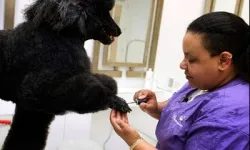
While dogs dominate the statistics—comprising a staggering 78% of travelers who bring pets along, according to the U.S. Travel Association—cats are far from left out at the high-end end of the market. Feline-focused resorts have evolved into sanctuaries where pampering is less a novelty and more an expectation. You won’t find chaotic ball-throwing here. Instead, you’ll find custom pet beds, premium food and water bowls, scratching posts, and litter boxes that don’t look out of place in a five-star suite.
The amenities are designed to mirror human luxury. At the FireSky Resort and Spa in Scottsdale, Arizona, the focus is on shared relaxation. They offer in-room spa packages that cater to both the owner and their cat, ensuring neither feels like an afterthought. Meanwhile, the W Hotels in New Orleans lean into the theatricality of cat culture with catnip toys, professional massages for the animals, and even birthday cakes. Need to tote your cat around town? The Ritz-Carlton in New York provides “fashionable carry bags” specifically for sightseeing excursions, turning a transit chore into a style statement.
The Active Alternative for Dogs
Dogs get a different kind of treatment. The amenities are similar—room-service menus, fenced play areas, and pet-sitting services are standard fare—but the programming is more rigorous. It’s less about lounging and more about doing.
Take the Dog House Resort in Jefferson, North Carolina. The experience starts with an active adventure: canoeing down the New River. Once the adrenaline fades, guests retreat to suites named after famous movie dogs, a whimsical touch that adds character to the stay. Over in Montecito, California, the San Ysidro Ranch offers 17 miles of trails winding through its gardens. That’s over 27 kilometers of walking for both you and your dog, ending with in-room massages for both species. It’s a structured way to bond, ensuring your pet burns off energy while you unwind.
Planning a trip that includes a pet requires more than just booking a room. You need to understand the specific needs of your companion. Are they a high-energy explorer or a couch potato? Does your cat prefer the quiet isolation of a spa or the bustle of a city like New Orleans? The difference in offerings between dog-centric and cat-centric resorts is stark. One offers trails and canoeing; the other offers custom beds and birthday cakes. Knowing which environment suits your pet’s temperament is the first step.
The industry is clearly segmenting these experiences. You aren’t just looking for a place that allows pets anymore. You’re looking for a place that gets them. The links on the next page will help you navigate these options, but the real work happens before you book. Decide what kind of vacation you want to have. Do you want to conquer a mountain trail with your dog, or sip tea in Scottsdale while your cat naps on a silk pillow? The choice defines the trip.


