


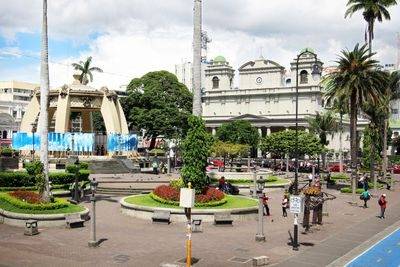
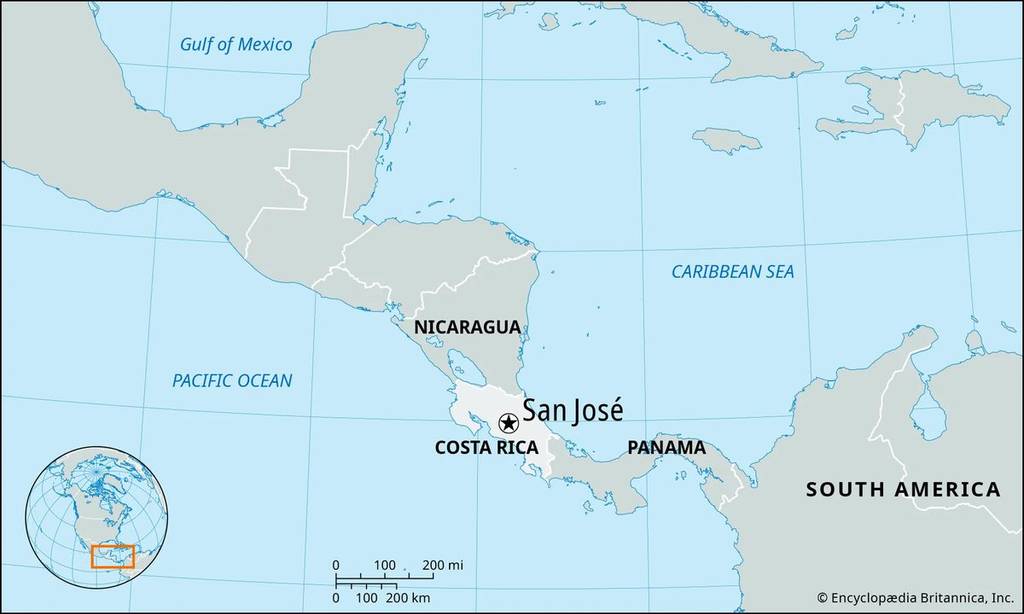
If you are planning a trip to Costa Rica, you will likely land in San José, the country’s beating heart. It sits high in the Valley of the Central, roughly 3,800 feet above sea level. The air is cooler here than on the coast. This is where the story began in 1736. Back then, it was just Villa Nueva. A quiet settlement. Mostly tobacco.
For decades, San José grew slowly. It was a colonial outpost. Then, in 1823, everything shifted. The national capital moved from nearby Cartago to here. The town woke up. By the 1840s, the coffee boom arrived. It became a major production hub. Coffee powered the economy for the next century. It remains central to the country’s identity today.
Why San José is the Logical Starting Point
Most travelers treat San José as a transit zone. They grab their bags and head straight for the beaches. That is a mistake. You need to know how to experience San José before you leave it behind. The city exploded in size during the 20th century. Population grew. Area expanded. Most neighborhoods follow a strict grid pattern. It is easy to navigate if you know the layout.
The city is the political, social, and economic center of Costa Rica.
It is not just a stopover. It is a destination. After 1950, industry flourished. Factories popped up. The city became a transportation hub. If you are driving, you are on the Inter-American Highway. You can branch off toward the Atlantic coast or the Pacific. Both routes start here.
The Airport and Modern Logistics
The international airport sits just west of the city. Traffic can be heavy. Plan for that. Passenger numbers surged after the Contra war in Nicaragua ended in 1990. The stability brought travelers back. Tourism boomed. It continues to grow.
San José offers a mix of old and new. You see colonial architecture next to modern concrete. The climate is mild. It never gets too hot. This makes walking around feasible even in summer.
- Altitude: 3,800 feet
- Founded: 1736 as Villa Nueva
- Capital Status: Since 1823
- Key Industry: Coffee (historically), Tourism (currently)
Which part of the city should you prioritize? The central districts hold the museums. The National Museum is a must-see. It tells the story of the coffee era. The Gold Museum is also nearby. Both are worth the detour.
Getting Your Bearings
The city is a junction. Express highways connect to the coasts. But the roads are busy. Traffic moves slowly. Do not underestimate the time it takes to cross the city. Use a taxi or a ride-share app. They are reliable. Buses are cheaper but confusing if you are new to the system.
San José is not a beach town. It is a real city. It has noise. It has energy. It has history. The coffee culture is deep here. Visit a local café. Order a tinto. It is sweet. It is strong. It grounds you.
The grid pattern helps. Most streets are numbered.

The Academic Hub of San José
San José isn’t just a transit point. It’s a destination with serious intellectual heft, anchored by the University of Costa Rica. Founded in 1940, it’s the oldest and most diverse of the capital’s four public universities. You can feel that history in its sprawling campuses and the mix of students from every corner of the country.
But the public system is only half the story. The city’s reputation for stability and democracy acts as a magnet. Foreign students flood in, drawn by the safety and the quality of education. They join the throngs attending the numerous private universities scattered throughout the urban sprawl. If you’re looking for a cultural immersion that doesn’t involve hiking volcanos, this is where the action is. The streets hum with young energy, debate, and the distinct rhythm of a city that values its academic institutions. It’s a quiet kind of prestige. One that doesn’t shout, but lingers.

Walking the Plaza of Democracy
You can trace Costa Rica’s political soul by stepping off the main boulevards in downtown San José. The grid here isn’t just for traffic; it’s a museum of civic pride. Look for the Plaza de la Democracia, the Plaza de la Cultura, and the Plaza de las Garantías Sociales. They aren’t just open spaces. They are physical reminders of the country’s progressive, democratic traditions. It’s rare to find a city center so explicitly dedicated to its own history of self-governance.
Nearby, a small park holds a quieter, heavier weight. You’ll find the Plaza Juan Pablo II or rather, the park named for John F. Kennedy. It memorializes his 1963 visit. A young president meeting a Central American neighbor. The grass is kept short. The statues are weathered. It’s a specific moment in time preserved in concrete and soil.
The Cathedral and the Opera House
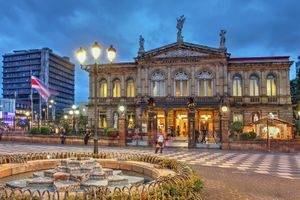
If you look up, the skyline tells a different story. The Cathedral of San José looms over the scene. It’s 19th-century stone, solid and imposing. Just down the street stands the National Theatre of Costa Rica. The architects modeled it after the Paris Opéra. It’s not a copy, exactly. It’s an interpretation of French grandeur dropped into a tropical capital. The gold leaf inside catches the light from the high windows. You can hear the echo of opera even when the stage is empty.
Gold, Guns, and Museums
For the pre-Columbian history buff, the city offers more than just views. There are collections of goldwork that date back centuries. These aren’t just trinkets. They are artifacts of power and belief. You’ll also find binational cultural centers that bridge the gap between Costa Rica and its neighbors.
But the heavy hitter is the National Museum. It’s housed in a former army garrison. The building itself is a relic of a militaristic past, now repurposed to showcase the country’s archaeological and historical exhibits. The contrast is stark. Walls that once held soldiers now hold pottery, tools, and stories from before the Spanish arrived. It’s a fascinating pivot.
Knowing the Numbers
Demographics in San José shift. The city population dipped from roughly 309,000 in 2000 to about 288,000 in 2011. The urban agglomeration, however, grew. From 1.07 million to nearly 1.19 million over that same period. The city center thins out. The suburbs and surrounding areas swell. This matters for logistics. Traffic in the core might be lighter than the metro-wide numbers suggest. But the energy radiates outward.
Where do you go from here? The museums close at 5 PM. The theaters have matinees. The plazas are open all night. The choice depends on what you want to see first.


