


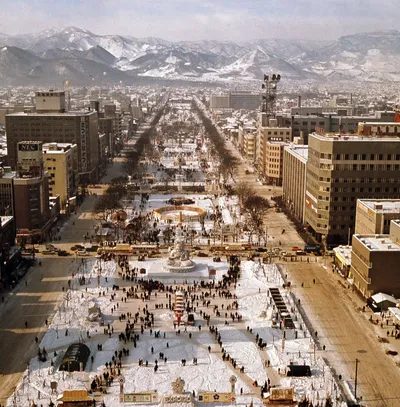
Sapporo isn’t just a city. It is a grid of wide, tree-lined boulevards that cut through the heart of Hokkaido, Japan’s northernmost main island. If you look at a map, it looks like a chessboard. That’s by design. The layout was established in 1871 by the government’s colonization bureau. They wanted order. They wanted control. They wanted a capital that could withstand the cold.
By 1886, Sapporo officially became the prefectural capital. It grew from that bureaucratic seed into a major commercial hub. But the real reason you’re reading this isn’t for sawmills or printing presses. It’s for the snow.
Why Sapporo is the ultimate winter destination
You might be asking, which Japanese city offers the best ski access from an urban center? The answer is almost always Sapporo. It’s not just a transit point. It’s a destination. The city hosted the Winter Olympics in 1972. That event put it on the global map for winter sports. But the Olympics were just the beginning.
Every February, the city transforms. The Sapporo Snow Festival brings millions of visitors. Giant sculptures rise from packed snow and ice. They are massive. Some are buildings the size of apartment blocks. Others are detailed replicas of historic landmarks. The scale is hard to grasp until you’re standing in front of them. It’s not a parade. It’s an architectural sculpture exhibition on a scale that feels almost absurd.
Logistics: Getting there and around
Sapporo is a center for national railways. That means the JR network connects you to the rest of Hokkaido easily. If you’re flying in, you use New Chitose Airport. It handles domestic flights and many international routes. The airport is about an hour from the city center by train. The journey is straightforward. You don’t need a rental car to navigate the grid.
The city’s outport is Otaru. It sits on the Sea of Japan. About 40 minutes by train west of Sapporo, Otaru offers a different vibe. Canals. Old warehouses. Glassblowing shops. It’s a day trip you shouldn’t miss. But Sapporo itself has its own rhythm. It’s slower than Tokyo. Quieter. The air is crisper.
Beyond the slopes: Culture and greenery
Sapporo is the seat of Hokkaido University, founded in 1876. That history shows in the architecture. You’ll see brick buildings mixed with modern structures. The Hokkaido University Botanical Garden is a hidden gem. Even in winter, the grounds are striking. In summer, they are lush. The garden covers a large area. It’s worth half a day.
The city’s population has hovered around 1.9 million for years. That size means you have choices. You have options for food. Sapporo is famous for ramen. Specifically, miso ramen. The broth is rich. Heavy. It warms you up after a day on the slopes. You’ll find shops in every district. Some are old. Some are new. All are worth trying.
When to go
Winter


