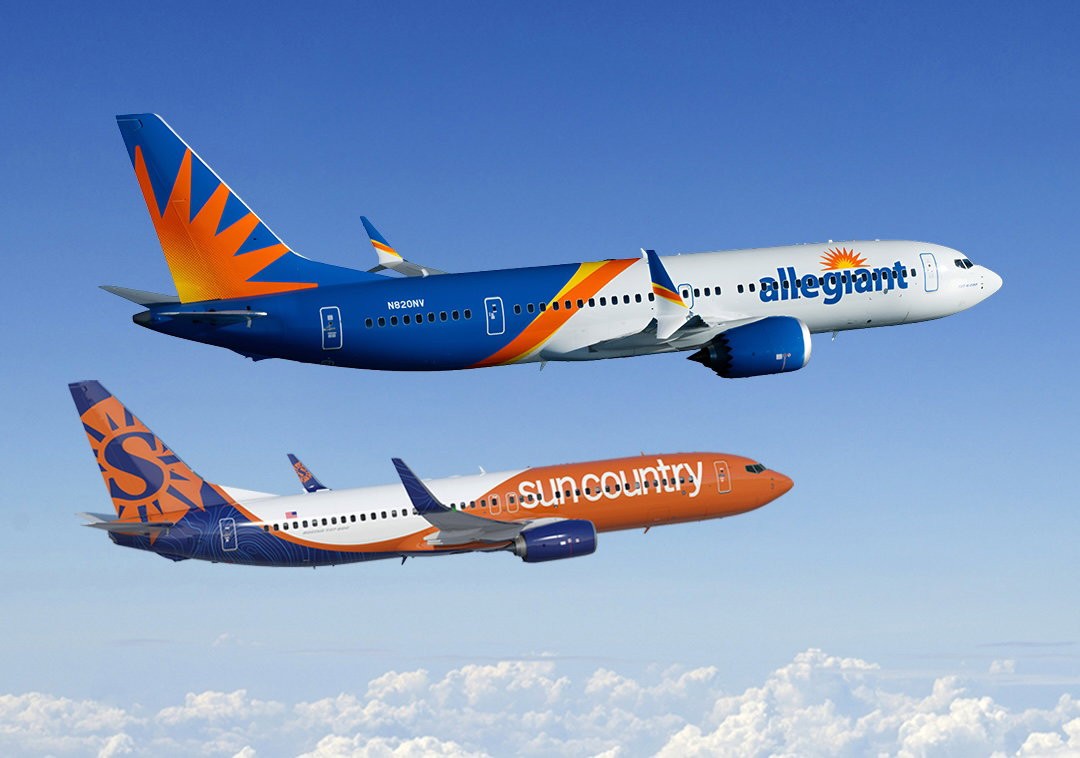
Allegiant Air has officially completed its acquisition of Sun Country Airlines, marking the latest consolidation in the U.S. aviation sector. The deal, valued at approximately $1.1 billion in equity (excluding assumed debt), creates a new entity focused exclusively on leisure travel. While the merger is now finalized, passengers can expect little to no immediate change in their travel experience, as both brands will continue to operate independently for the foreseeable future.
The Financial Structure of the Deal
The transaction was structured as a combination of cash and stock. Allegiant acquired Sun Country for a total enterprise value of $1.5 billion, which includes taking on $400 million of Sun Country’s net debt.
For shareholders, the breakdown is as follows:
* Ownership Split: Allegiant shareholders now own approximately 67% of the combined company, while former Sun Country shareholders hold 33%.
* Shareholder Premium: Sun Country shareholders received $4.10 in cash and 0.1557 shares of Allegiant stock for each share owned. This equated to an implied value of $18.89 per share, representing a 19.8% premium over Sun Country’s closing price on January 9, 2026.
“Today marks a defining moment in Allegiant’s history… We are creating a more differentiated and durable airline – one well positioned to deliver lasting value for our customers, team members, and shareholders.”
— Gregory Anderson, CEO of Allegiant
What This Means for Travelers
Despite the corporate merger, the operational landscape for customers remains largely unchanged in the short term. The companies have emphasized a “thoughtful and disciplined integration process,” meaning:
- No Immediate Disruption: Current reservations, flight schedules, and travel plans remain untouched.
- Separate Loyalty Programs: Allegiant’s Allways Rewards and Sun Country’s Rewards programs will continue to operate independently for now.
- Booking Channels: Customers will continue to book and manage trips through their respective airline websites and customer service lines.
In the long run, the Allegiant brand is expected to survive, while the Sun Country brand will likely be phased out. However, before full integration, the company plans to introduce benefits that allow customers easier access to the combined network of nearly 175 cities served by a fleet of 195 aircraft.
Why This Merger Makes Strategic Sense
The aviation industry has seen significant consolidation over the years, leaving fewer viable candidates for merger. Among the remaining carriers, Allegiant and Sun Country represented a logical pairing for several reasons:
- Complementary Networks: The two airlines had virtually no overlapping routes. Allegiant specializes in point-to-point leisure routes from secondary airports, while Sun Country is heavily anchored in Minneapolis (MSP) with a focus on seasonal leisure travel to major hubs.
- Proven Business Models: Unlike ultra-low-cost carriers that struggled by competing directly with legacy airlines (such as Spirit or Frontier), both Allegiant and Sun Country carved out successful niches in the leisure market.
- Operational Synergies: The combined entity expects to achieve $140 million in annual cost synergies within three years. Additionally, Sun Country’s seasonal fluctuations can be better managed with Allegiant’s more stable year-round operations.
- Fleet Compatibility: Allegiant is already in the process of transitioning its fleet from Airbus A320s to Boeing 737s, aligning well with Sun Country’s existing Boeing 737 fleet (which includes 20 cargo planes operated for Amazon Air).
Regulatory hurdles were minimal, as the two carriers did not directly compete in the same markets, reducing antitrust concerns.
The Bottom Line
The merger of Allegiant and Sun Country represents a strategic move to consolidate strength in the leisure travel sector. By combining two financially stable carriers with complementary networks, the new entity aims to offer broader reach and improved resource allocation.
For consumers, the immediate impact is negligible, but the long-term integration will likely streamline services under the Allegiant brand. As this deal closes, the question remains: which other struggling carriers, such as Frontier or JetBlue, will be next to seek a merger partner or face financial restructuring?