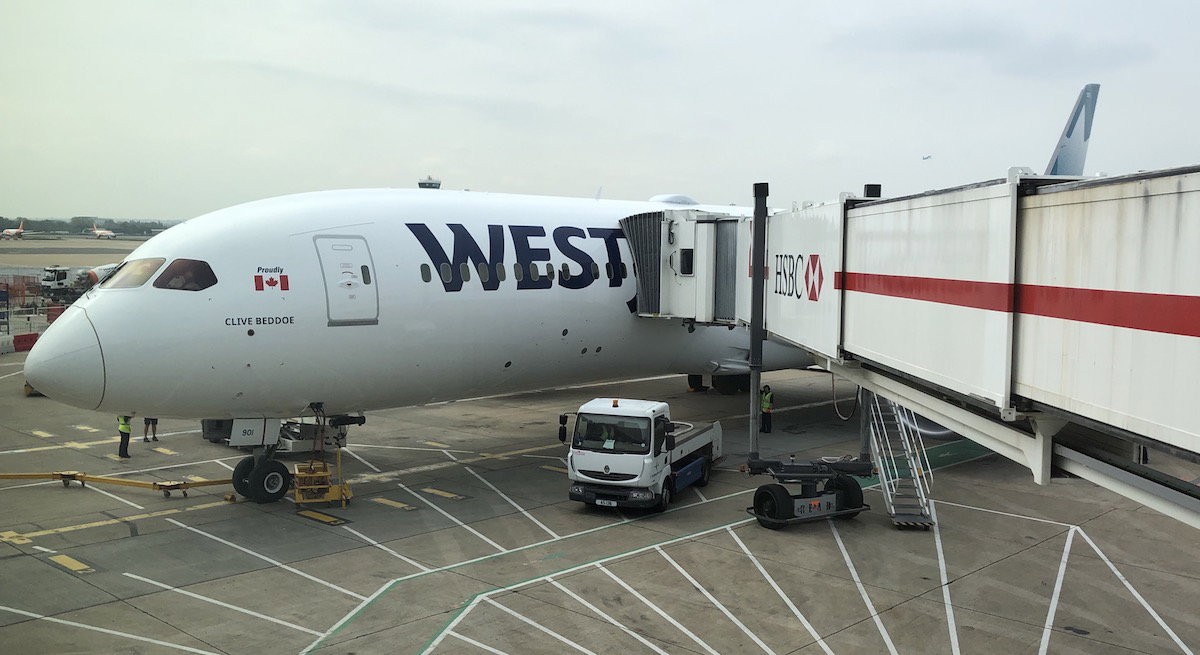
A recent investigation by CBC News has uncovered a systematic practice by WestJet that appears designed to circumvent Canada’s air passenger protection laws. By swapping flight assignments to aircraft undergoing maintenance at the last minute, the airline has been able to classify cancellations as “unforeseen maintenance issues,” thereby avoiding mandatory cash compensation for affected passengers.
This revelation highlights a significant loophole in the Air Passenger Protection Regulations (APPR), which came into effect in 2019. While these regulations were intended to enhance consumer rights, they explicitly exclude disruptions caused by unforeseen maintenance from compensation eligibility. Critics argue that this exemption has incentivized airlines to manipulate operational data to qualify for the waiver, raising serious questions about regulatory oversight and corporate transparency.
The Mechanism of the Loophole
The core issue lies in how “unforeseen maintenance” is defined and applied. Under the APPR, if a flight is canceled due to a mechanical issue that could not have been predicted, the airline is not required to pay compensation. However, if the cancellation is within the airline’s control—such as staffing shortages or operational inefficiencies—passengers are entitled to cash payouts.
CBC News identified a pattern where WestJet would reassign a flight to a different aircraft tail number minutes before cancellation. The new aircraft assigned was often one that had already been grounded for days due to known maintenance issues.
Key Evidence from the Investigation:
* The Case Study: On March 2, 2026, a couple returning from Los Cabos (SJD) to Calgary (YYC) had their flight canceled last minute.
* The Swap: Data from FlightStats showed that at 8:11 PM the evening prior, the flight’s aircraft was changed from tail number C-FAJA to C-GUDH.
* The Contradiction:
* C-FAJA (the original plane) flew to Cancun and remained in active service, proving it was airworthy.
* C-GUDH (the swapped plane) had not flown since February 28 due to maintenance and was grounded for approximately a week.
* The Result: WestJet denied the couple’s compensation claim, citing “unforeseen maintenance.” However, the data suggests the maintenance issue was known days in advance, and the swap was executed specifically to create a legal pretext for non-payment.
A Pattern of Behavior
This incident was not isolated. CBC News analyzed 34 additional cases where identical tactics were employed. In each instance, a tail number was swapped to an aircraft with known maintenance issues, followed immediately by a flight cancellation. The timing—often within the same minute—suggests a coordinated operational strategy rather than random mechanical failures.
When contacted for comment, WestJet did not directly address the allegations of data manipulation. Instead, the airline stated that “planes are sometimes reassigned to minimize the impact of disruptions.” While aircraft reassignment is a standard operational tool, this explanation fails to address why the reassignment consistently involved grounded aircraft immediately preceding cancellations used to deny compensation.
Why This Matters
The implications of this practice extend beyond individual financial losses for passengers. It undermines the integrity of consumer protection laws and creates an uneven playing field.
- Erosion of Trust: When airlines appear to game the system, public confidence in regulatory frameworks diminishes. Passengers are left feeling powerless against corporate maneuvering.
- Regulatory Gaps: The APPR’s exclusion of maintenance issues was meant to prevent airlines from being penalized for genuine mechanical failures. However, without strict oversight, this clause has become a shield for operational choices that are arguably within the airline’s control.
- Precedent for Other Carriers: As noted by industry observers, this behavior is not unique to WestJet. Similar disputes have arisen with other major carriers, including American Airlines, where internal notes have contradicted official reasons for cancellation. This suggests a broader industry trend of exploiting regulatory ambiguities.
Conclusion
The WestJet case serves as a stark reminder that consumer protection laws are only as effective as their enforcement. If airlines can simply swap tail numbers to reclassify controllable cancellations as “unforeseen maintenance,” the spirit of the regulation is defeated. Canadian regulators must scrutinize these practices closely to ensure that the APPR achieves its original goal: holding airlines accountable for disruptions within their control.