A Dubai-based aviation security company is attempting to seize $15.3 million in unpaid debts owed by the former Afghan government, targeting funds held by the International Air Transport Association (IATA). The case highlights the complex financial aftermath of the Taliban’s takeover and the ongoing struggle to enforce international arbitration awards against non-state actors and their assets.
The Dispute: A Contract Gone Wrong
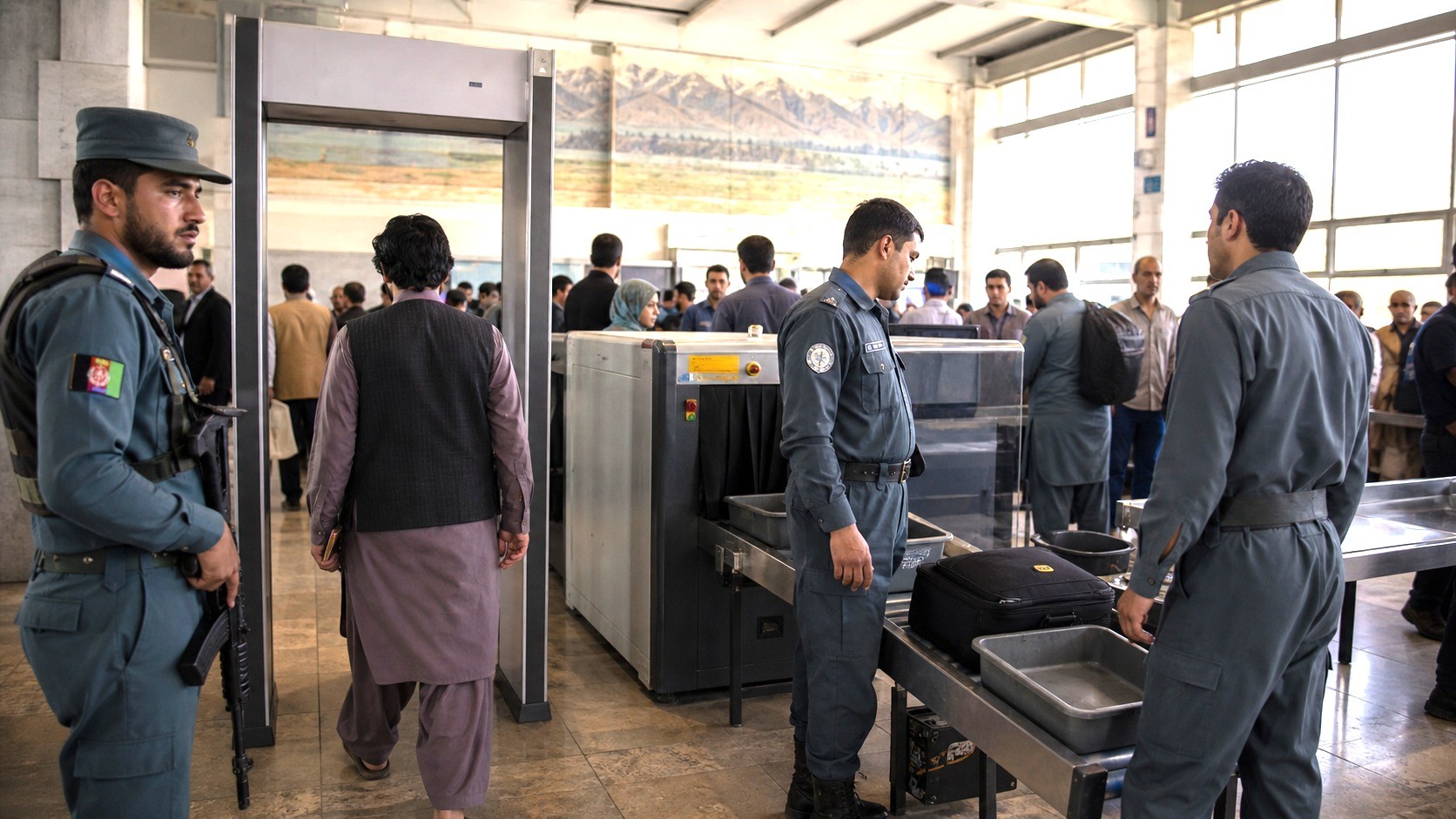
The conflict dates back to 2018, when Olive Group, a Dubai-based firm, secured a contract with the Afghanistan Civil Aviation Authority (ACAA) to provide security services at four international airports. The agreement was valued at approximately $38 million.
However, the partnership deteriorated rapidly. Olive Group accused the ACAA of breaching the contract through several actions:
* Withholding Funds: The regulator retained 10% of monthly revenue without clear justification.
* Administrative Hurdles: Visa and personnel issues forced Olive to lose a lucrative security contract with the Canadian Embassy.
* Wrongful Termination: In 2020, the ACAA terminated Olive’s contract without a bidding process, awarding the work to a different company at a higher price. Critics suggest this decision was influenced by political interference from then-President Ashraf Ghani, raising questions about graft and favoritism.
The Arbitration Victory
Olive Group initiated arbitration in Dubai in 2021. In November 2023, an arbitration tribunal ruled in Olive’s favor, ordering the payment of $15.3 million plus 3% post-award interest.
The ACAA attempted to evade the ruling, arguing that the Taliban’s seizure of power prevented them from securing legal representation or foreign consultants. The tribunal dismissed these claims, noting that the ACAA’s failure to appear in subsequent U.S. proceedings resulted in a default judgment.
The Jurisdictional Hurdle
With the award secured, Olive Group turned to the U.S. legal system to collect the debt. They identified a potential source of funds: overflight fees collected by IATA for airlines flying through Afghan airspace. These fees were held in a Swiss bank account on behalf of the Afghan state prior to the Taliban takeover.
Olive filed a garnishment action in Washington, D.C., where IATA maintains a significant lobbying presence. The company argued that IATA was subject to jurisdiction in D.C. due to its long-standing office, employees, and regulatory activities there.
However, the federal court in D.C. ruled against Olive Group on jurisdictional grounds:
1. No General Jurisdiction: IATA is incorporated in Canada, and its North American headquarters are in Miami, not D.C.
2. No Specific Jurisdiction: The dispute arose from fee collections in Switzerland and Afghanistan, not from IATA’s lobbying activities or office costs in Washington.
Consequently, the court lacked the authority to garnish the funds held by IATA, despite the fact that the account contains approximately $3.1 million.
The Next Steps
Undeterred, Olive Group has filed a nearly identical lawsuit in the Southern District of Florida, where IATA’s North American headquarters are located. This move aims to establish proper jurisdiction over the international aviation body.
Meanwhile, the financial landscape of Afghan aviation has shifted dramatically. Since taking power, the Taliban has turned overflight fees into a critical revenue stream. With airlines avoiding Russian airspace due to sanctions, flights through Afghanistan have increased, with the Taliban charging $700 per flight. This makes the airspace rights a valuable commodity, complicating any attempt by creditors to claim historical debts from funds generated under the new regime.
Conclusion: The Olive Group’s legal battle underscores the difficulty of enforcing financial judgments in post-conflict zones. While international arbitration provides a mechanism for resolving disputes, collecting assets from entities like IATA or non-recognized governments remains a complex legal challenge, further complicated by geopolitical shifts and changing revenue models.