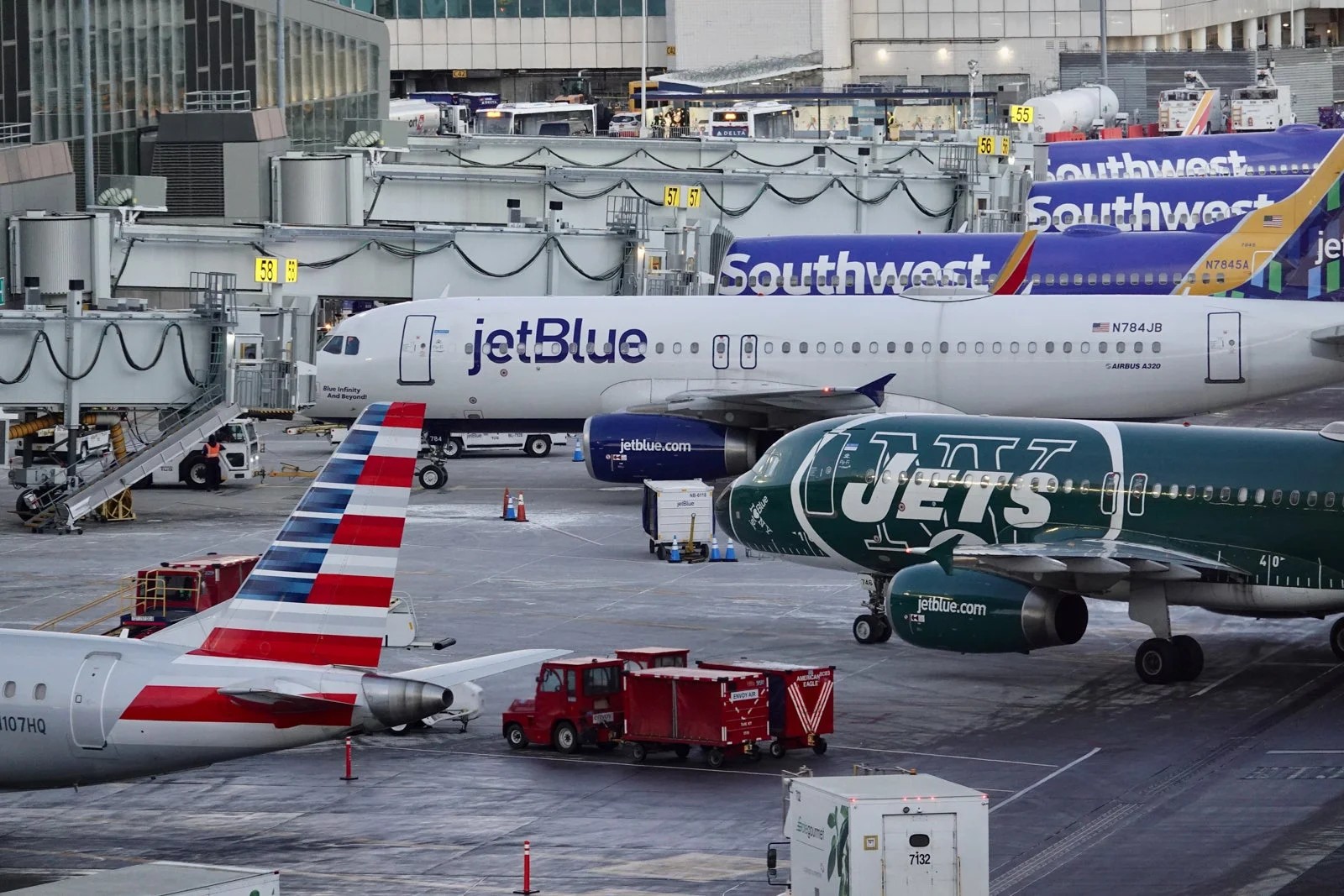
The U.S. aviation industry is buzzing with rumors of a potential “merger mania” resurgence. Recent reports suggesting that United Airlines CEO Scott Kirby may have floated a massive merger proposal with American Airlines to federal officials have reignited a debate that has been dormant for years: Is the era of the “Big Four” about to expand?
While a merger between two giants like United and American would face unprecedented regulatory hurdles, the conversation signals a shift in the industry’s landscape, driven by economic pressures and a changing political climate.
The Drivers: Why Mergers Happen
History shows that airline consolidation is rarely a random occurrence; it is usually a survival mechanism.
- Fuel Volatility: Delta Air Lines CEO Ed Bastian recently noted that skyrocketing oil prices have historically acted as a primary catalyst for industry consolidation. High fuel costs squeeze margins, forcing airlines to seek scale to remain profitable.
- Economic Pressure: Many carriers are currently struggling financially. For example, Spirit Airlines is currently operating under Chapter 11 bankruptcy protection, making it a prime candidate for acquisition.
- Changing Regulatory Winds: Under the previous administration, major mergers (like JetBlue and Spirit) were blocked on antitrust grounds. However, recent signals from U.S. Secretary of Transportation Sean Duffy suggest a more permissive environment, noting there is “room” for consolidation, provided larger carriers divest certain assets to maintain competition.
Looking Back: How the “Big Four” Emerged
To understand where the industry is going, we must look at how it reached its current state. Between 2005 and 2016, a wave of massive mergers fundamentally restructured American skies.
The consolidation process saw nine major airlines dwindle into just four dominant players: American, Delta, United, and Southwest. This transition swallowed legendary brands like Northwest, Continental, and US Airways, leaving the “Big Four” to control approximately 80% of the U.S. market.
The Current Landscape: Who is Next?
While a United-American tie-up remains a “long shot” due to its sheer size, several other moves are already in motion or being actively discussed:
1. The Mid-Tier Shifts
We are already seeing consolidation at different scales. Alaska Airlines recently completed its acquisition of Hawaiian Airlines, creating a new major player. Meanwhile, leisure carrier Allegiant is moving forward with a merger involving Sun Country.
2. The Battle for JetBlue and Spirit
Two of the industry’s most discussed “targets” are JetBlue and Spirit. Analysts are weighing several possibilities:
* Frontier + Spirit: This would combine two ultra-low-cost carriers with complementary networks, creating the fifth-largest domestic player (roughly 7% market share).
* Alaska + JetBlue: This would create a powerful coast-to-coast carrier, though experts question if Alaska can manage this while still integrating Hawaiian Airlines.
* Southwest + JetBlue: Some analysts view this as the “Goldilocks” deal—offering significant strategic benefits (like JetBlue’s international routes and lounges) while having a higher likelihood of regulatory approval.
Summary of Potential Outcomes
| Potential Merger | Strategic Logic | Primary Challenge |
|---|---|---|
| United + American | Unprecedented scale | Extreme regulatory scrutiny |
| Frontier + Spirit | Dominant low-cost model | Managing highly competitive pricing |
| Southwest + JetBlue | Network expansion & lounges | Integrating different aircraft fleets (Boeing vs. Airbus) |
The Bottom Line: High fuel costs and a more open regulatory stance are creating a “perfect storm” for airline consolidation. Whether through massive industry shifts or smaller, strategic acquisitions, the U.S. aviation map is likely to look very different by the end of the decade.