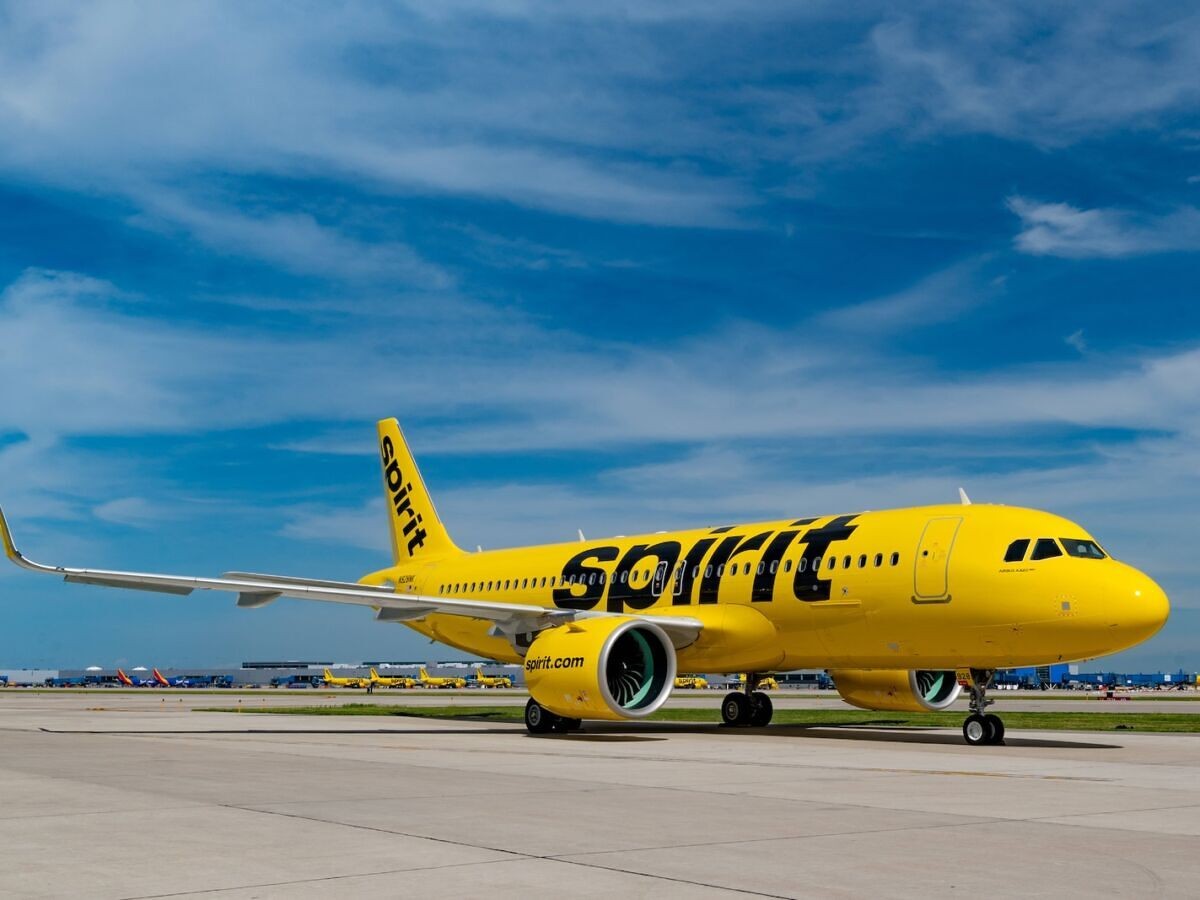
In a result that has caught many travelers by surprise, Spirit Airlines has been named the best airline in the United States according to a new 2026 study by personal finance site WalletHub. The ranking is unexpected, as Spirit is an ultra-low-cost carrier (ULCC) typically associated with minimal amenities and strict fee structures, rather than the premium service associated with major industry leaders.
How Spirit Won the Top Spot
The WalletHub study evaluated 11 major US carriers using 16 distinct metrics. While legacy carriers like Delta and American Airlines often dominate discussions regarding quality, Spirit secured the highest overall score by excelling in two critical categories: reliability and affordability.
According to data from the U.S. Department of Transportation (DOT), Spirit demonstrated strong operational performance in 2025, maintaining some of the lowest rates for:
– Flight cancellations
– Delays
– Mishandled baggage
– Denied boardings
Beyond pure logistics, Spirit also benefited from technical advantages. The airline maintains a relatively young, fuel-efficient fleet and holds perfect safety ratings regarding fatal and non-fatal aviation accidents. While full-service airlines often score higher on passenger comfort, their overall rankings were weighed down by higher ticket prices and more frequent operational delays.
The “Best” vs. “Good” Debate
The ranking highlights a significant divide between how an airline is perceived by the public and how it performs on paper. Spirit’s business model is “unbundled,” meaning passengers pay a base fare for the seat and must pay extra for everything else—from carry-on bags to seat selection.
This model has made Spirit a polarizing figure in the industry:
– The Pros: It offers the lowest entry-level prices in the US market, making air travel accessible to budget-conscious consumers.
– The Cons: It has faced intense criticism on passenger forums and holds a low 2/10 rating on SkyTrax, with many travelers frustrated by “hidden” fees and a lack of amenities.
This discrepancy suggests that “best” in this context refers to mathematical efficiency—price versus reliability—rather than the luxury or comfort of the passenger experience.
A Low Bar for the Industry
It is important to note that even with Spirit at the top, the scores across the entire industry were relatively low. Using a standard academic grading scale, the results suggest a lack of excellence across the board:
- Spirit Airlines: 74.33/100
- Southwest Airlines: 64.44/100
- Alaska Airlines: 59.48/100
The fact that the top-ranked airline received a score that would be considered a “C” in a US school implies that the US aviation market currently struggles to balance cost, reliability, and service simultaneously.
Conclusion
The ranking suggests that for modern travelers, the definition of a “best” airline is shifting from luxury and service toward cost-effectiveness and operational consistency. Ultimately, Spirit’s victory reflects a market where reliability and low prices are currently outperforming premium passenger comfort.