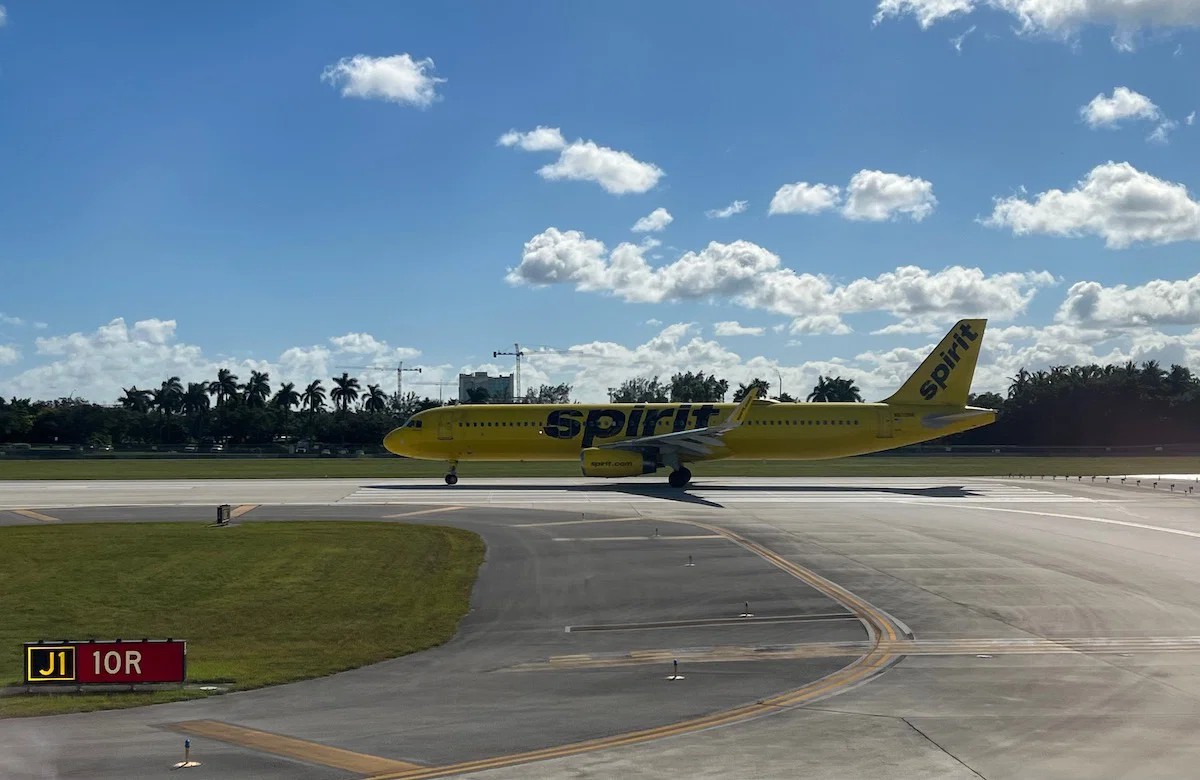
Spirit Airlines is facing a critical turning point. After entering Chapter 11 bankruptcy for the second time in two years, the carrier is reportedly seeking hundreds of millions of dollars in emergency funding from the Trump administration to avoid total liquidation.
The request comes as the airline struggles to navigate a volatile economic landscape, specifically driven by the surging costs of jet fuel.
A Desperate Plea for Survival
According to sources familiar with the discussions, Spirit’s request for government intervention is an attempt to offset the massive increase in operational costs. While the airline had hoped to emerge from its current bankruptcy restructuring by early summer, rising fuel prices have likely derailed those projections, pushing the company closer to the brink of collapse.
This situation highlights a broader tension within the aviation industry: the struggle of low-cost carriers (LCCs) to maintain thin profit margins in an era of high energy costs. Unlike legacy carriers, which often have more diversified revenue streams and premium services, budget airlines like Spirit are hyper-sensitive to fluctuations in oil prices.
The DOT Steps In to Assess Industry Stability
The crisis at Spirit appears to be triggering a wider investigation by federal regulators. The Department of Transportation (DOT) has reportedly requested a meeting with Transportation Secretary Sean Duffy and executives from several low-cost carriers.
The goal of this meeting is to gauge the financial health of smaller airlines across the board. This suggests that the government is concerned that Spirit’s predicament may not be an isolated incident, but rather a symptom of a systemic issue affecting the entire budget travel sector.
The Bailout Debate: Precedent vs. Sustainability
The request for taxpayer-funded support raises significant questions about the role of government in the private aviation market.
- The Precedent: During the COVID-19 pandemic, the CARES Act provided over $50 billion to airlines to prevent a total collapse of the industry when demand vanished overnight.
- The Current Dilemma: Unlike the pandemic, where the crisis was a sudden, external shock, Spirit’s struggles are rooted in long-term structural issues, including poor margins and high debt.
Critics argue that providing emergency funds to a single struggling carrier might only serve to “delay the inevitable,” essentially using public money to subsidize low-cost airfares for a short period without fixing the underlying business model.
Geopolitics and the Fuel Factor
The fate of the airline industry is increasingly tied to global political stability. The current volatility in jet fuel prices is deeply linked to ongoing geopolitical conflicts, particularly in the Middle East.
The long-term outlook for airlines depends heavily on two factors:
1. Oil Price Stability: If geopolitical tensions ease and fuel prices stabilize, many airlines may find their footing.
2. Sustained High Costs: If high energy prices persist due to prolonged conflict, the industry could face a radical and permanent transformation, potentially forcing many smaller players out of the market entirely.
The stability of the aviation sector is no longer just about passenger demand; it is now inextricably linked to global energy markets and geopolitical volatility.
Conclusion
Spirit Airlines is fighting for its survival through a request for emergency federal funding, but the decision to intervene will set a precedent for how the government handles struggling low-cost carriers. Whether this is a necessary lifeline or a temporary fix depends on whether global energy prices stabilize or continue to climb.