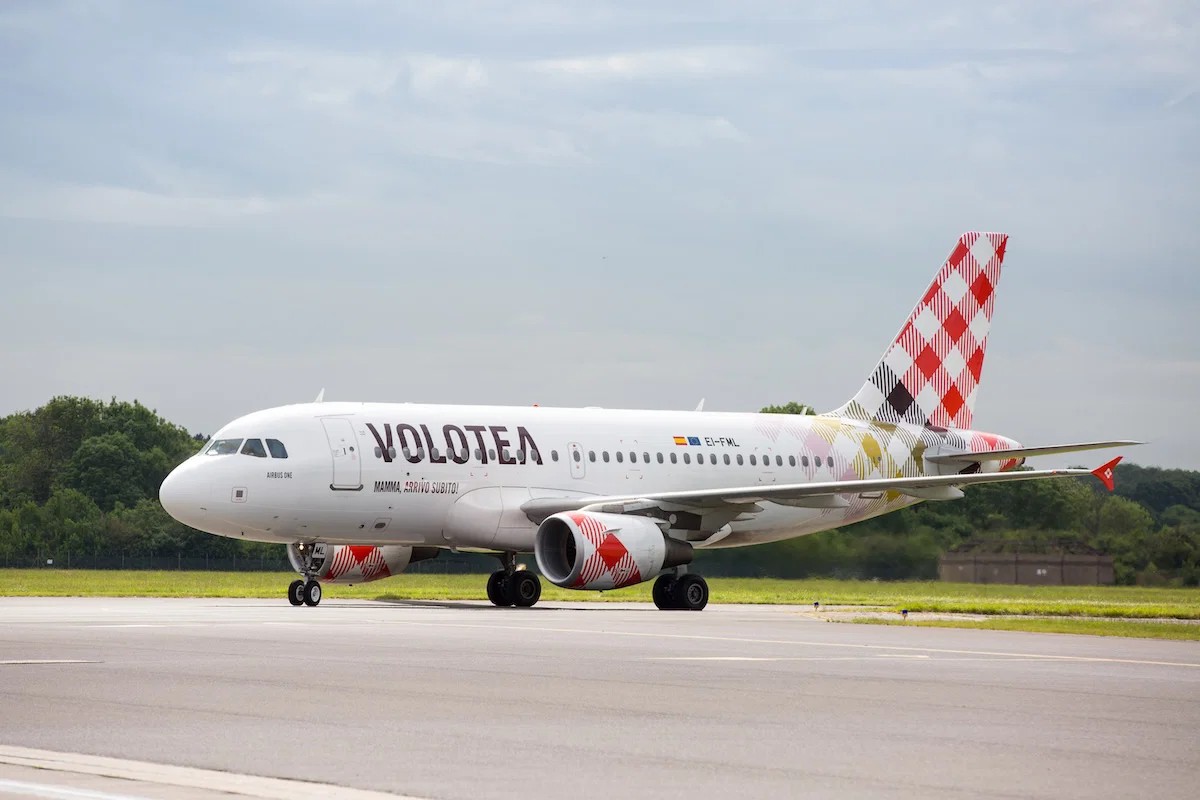
Spanish low-cost carrier Volotea has introduced an unconventional pricing model that shifts the volatility of energy markets directly onto the consumer. Under a policy branded as the “Fair Travel Promise,” the airline reserves the right to adjust ticket prices up to seven days before departure based on fluctuating oil costs.
How the Policy Works
Unlike traditional airlines that bake fuel estimates into a fixed ticket price, Volotea separates the base fare from the cost of fuel. According to the airline’s terms:
- Price Adjustments: Seven days before a flight, Volotea reviews current market fuel prices.
- The Cap: If fuel costs have risen, passengers may be charged an additional fee of up to €9 per flight.
- Potential Refunds: In a rare move for the industry, the airline claims that if fuel prices decrease, they will refund the difference to the passenger.
- Flexibility: To offset this uncertainty, Volotea offers free flight changes or cancellations (with refunds issued as Volotea credit) up to four hours before departure.
Why This Matters: Shifting the Risk
To understand why Volotea is taking this step, one must look at the current economic landscape of the aviation industry. Typically, airlines face a massive financial gamble: they must set ticket prices months in advance, but the cost of jet fuel can swing wildly due to geopolitical instability or shifts in global supply.
In the standard airline model, if oil prices spike, the airline absorbs the loss, often selling seats at a deficit to remain competitive. Volotea is attempting to bypass this risk by treating fuel as a variable cost rather than a fixed one.
By decoupling the ticket price from the fuel cost, Volotea is essentially asking passengers to participate in the volatility of the energy market.
Questions of Transparency and Implementation
While the airline frames this as “total transparency,” the policy raises several practical and logical questions for travelers:
- The Baseline Problem: If the airline can charge up to €9 based on market changes, what is the “standard” oil price used to calculate the initial fare? Without a publicly disclosed baseline, it is difficult for consumers to judge if an adjustment is fair.
- The Refund Reality: While the policy promises refunds when oil prices drop, it remains unclear how proactively the airline communicates these credits or how easily they are processed.
- Consumer Friction: Most travelers prefer price certainty. A policy that allows a charge to appear on a credit card statement a week before a trip introduces a layer of financial unpredictability that most budget travelers may find off-putting.
Conclusion
Volotea’s approach is a radical departure from industry norms, attempting to stabilize its own margins by transferring fuel-price risk to its customers. While it offers a theoretical model of “fairness” through potential refunds, it challenges the traditional expectation of price certainty in air travel.