


Cologne isn’t just a city. It’s a collision of old stone and modern ambition. As Germany’s fourth-largest metropolis, it holds a gravity that pulls tourists in from the moment they step off the train. You might plan to see the Rhine or hit the beer halls, but if you skip the spine of the city, you haven’t really seen it.
The architecture here doesn’t whisper. It shouts.
Before you navigate the U-Bahn or haggle over tram tickets, you need to understand the anchor point. Everything else in Cologne radiates from this single, towering presence. It’s not just a landmark. It’s the reason the city exists in its current form.
The Gothic Giant Dominating the Skyline
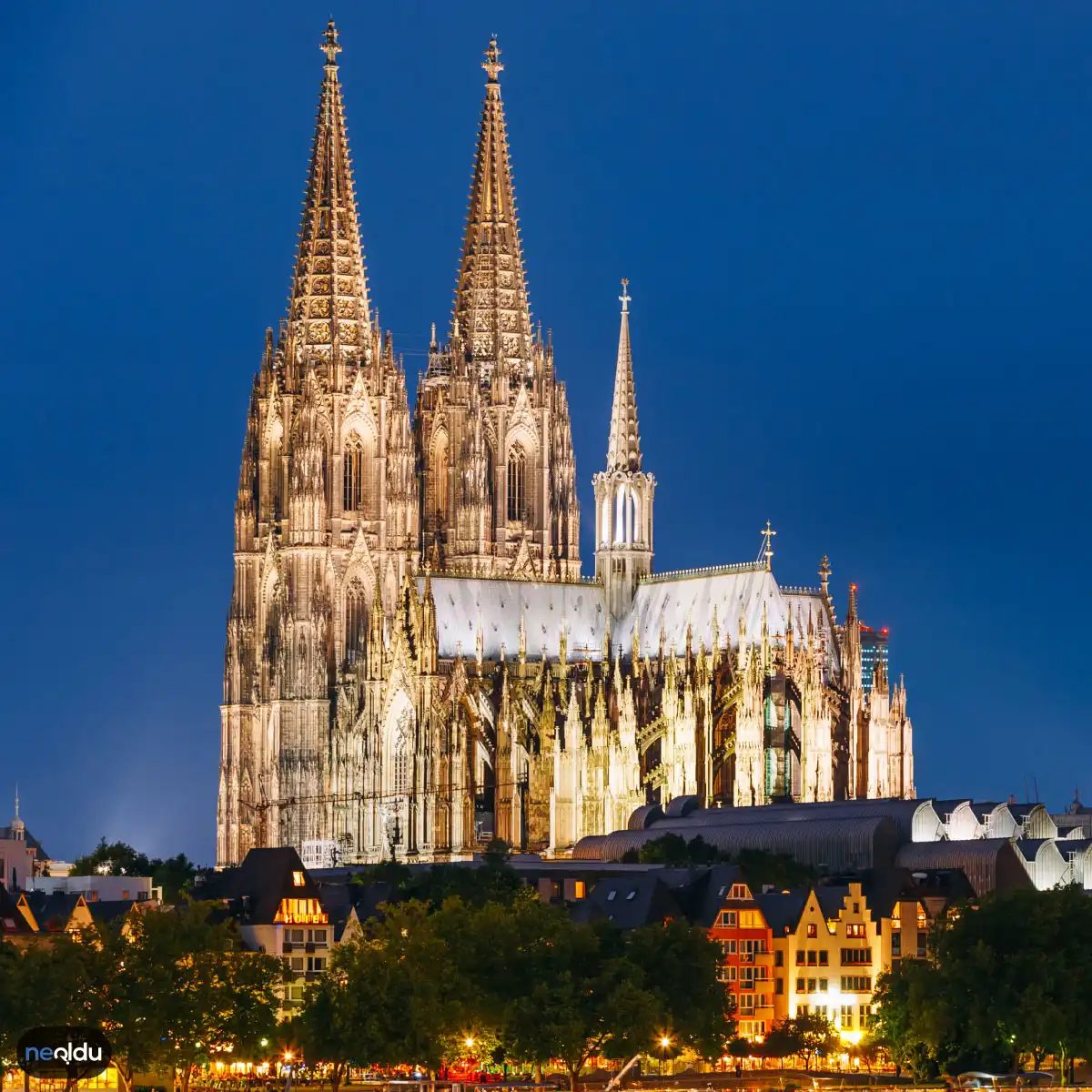
Let’s get straight to the point. You cannot visit Cologne without standing in the shadow of the Kölner Dom. This isn’t a suggestion. It’s a rule of travel.
The cathedral is a masterpiece of High Gothic architecture that took nearly six centuries to complete. Construction began in 1248. It stopped in the mid-19th century, then resumed with renewed national pride. When you look up, you aren’t just seeing stone. You’re seeing time.
Why does this matter for your trip planning? Because the scale is deceptive. Photos flatten it. Standing at its base makes you feel small. The twin spires pierce the sky at 157 meters. They are visible from almost anywhere in the city center.
What to Actually Look At
Most people take a photo, look at their phones, and walk away. Don’t do that. The Cologne Cathedral has details that reveal themselves only if you slow down.
- The Facade: Notice the intricate carvings. The statues of prophets and kings lining the portals. Each one was crafted by different hands over decades.
- The Interior: Step inside. The light shifts dramatically depending on the hour. The stained glass windows cast colored pools on the floor. The ceiling soars high above, creating an acoustic echo that makes even a whisper sound significant.
- The Treasury: Yes, there’s a museum inside. It houses the Shrine of the Three Kings. It’s a reliquary made of gold and gemstones. It’s opulent to the point of absurdity. Worth the extra ticket price if you have an interest in medieval craftsmanship.
Practical Logistics for Your Visit
Knowing the history is nice. Knowing the logistics is useful.
- Location: It’s right in the middle. The Dom station is literally beneath it. You exit the train, look up, and you’re there. No bus transfers. No taxi rides needed.
- Timing: Go early. Or go late. Midday is crowded with tour groups. If you want to feel the atmosphere, arrive when the bells ring. They chime every quarter hour. The sound vibrates in your chest.
- Cost: Entry to the cathedral itself is free. You don’t need to pay to walk under the arches. However, if you want to climb the South Tower, that costs a few euros. The climb is steep. Narrow stairs. But the view of the city and the Rhine is worth the sweat.
2. Rhein Nehri
Köln katedralinin gölgesinden çıkıp nehre doğru yürü.
Sadece birkaç dakika sürer.
Rhein burada sakin. Geniş. Sessiz.
Gölgede durup suyu dinle. Sesleri dinle.
Bir köprünün altından geç.
Köprü. Su. Gökyüzü.
Hepsi birleşir.
Zaman durur.
Nehir taşır geçmişin ağır yükünü.
Taşır da şimdiki anın hafifliğini.
Su akar.
Sen durur.
Gözlerin nehri takip eder.
Yolculuk başlar.
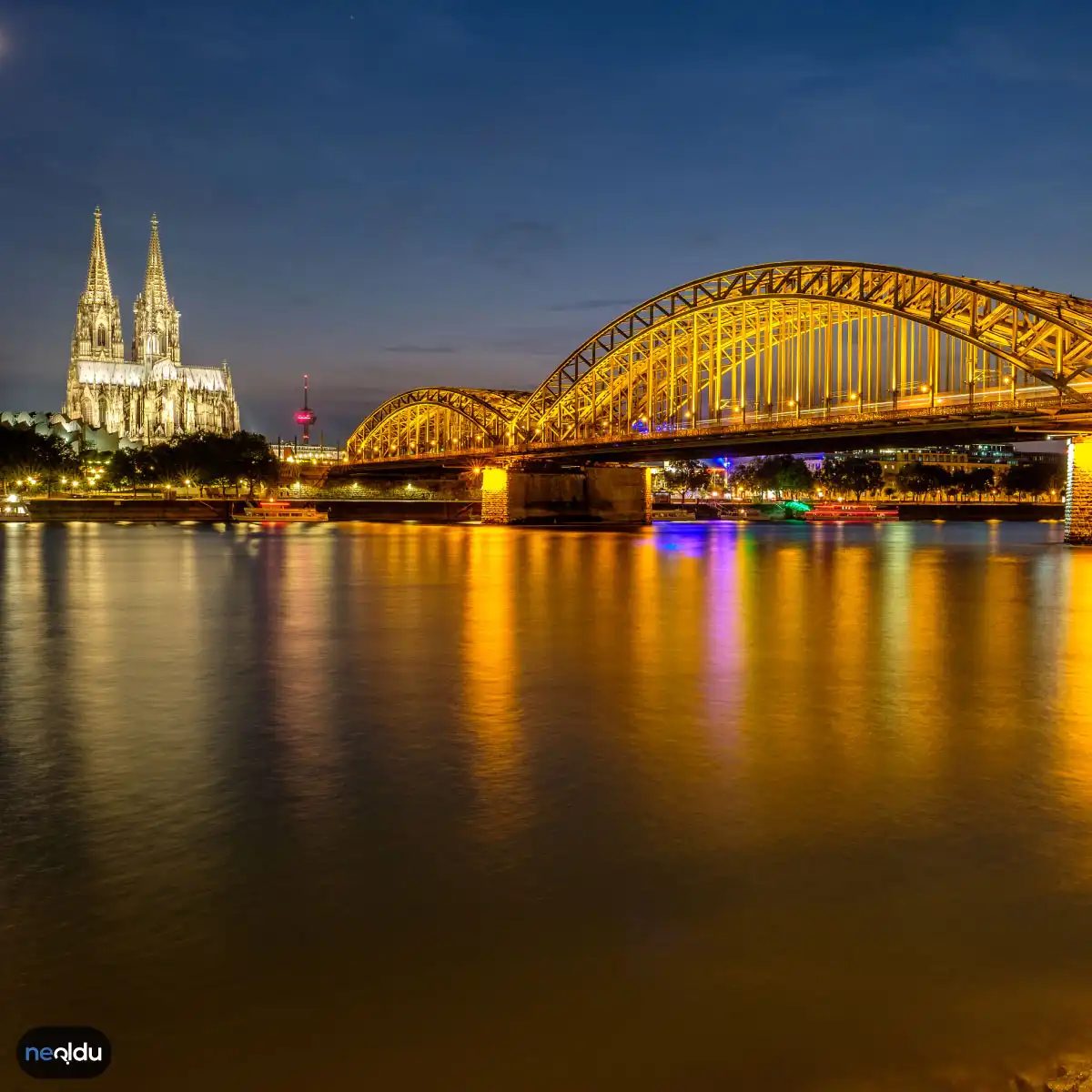

The Rhine doesn’t just run through Cologne. It cuts right through the city’s soul.
You can walk its banks. You can book a boat tour. Or you can just sit on the grass and watch the water move while eating a sandwich. The restaurants lining the quay make it easy to turn a simple afternoon into a meal with a view.
But the real magic isn’t in the water. It’s in the stone.
3. Altstadt (Old Town)
This is where you go to see why people come to Cologne in the first place. The Altstadt is the historic heart of the city. It survived the war. It survived modernization. It still feels like a medieval town, even though many buildings are reconstructions.
The street layout is medieval. Narrow alleys twist off main squares. You’ll get turned around. Good. That’s the point.
Where to start:
Start at Hohe Straße. It’s the main shopping street. Long. Busy. Not particularly pretty. But it connects two key points.
One end leads to the Cologne Cathedral (Kölner Dom). You can’t miss it. It’s the skyline anchor. Gothic architecture at a scale that makes you feel small. The towers are 157 meters high. The interior is vast. The stained glass is dark with age and prayer. Tickets for the dome climb are separate. 5 euros. Worth it if you want to see the city from above. The view is sharp. Clear.
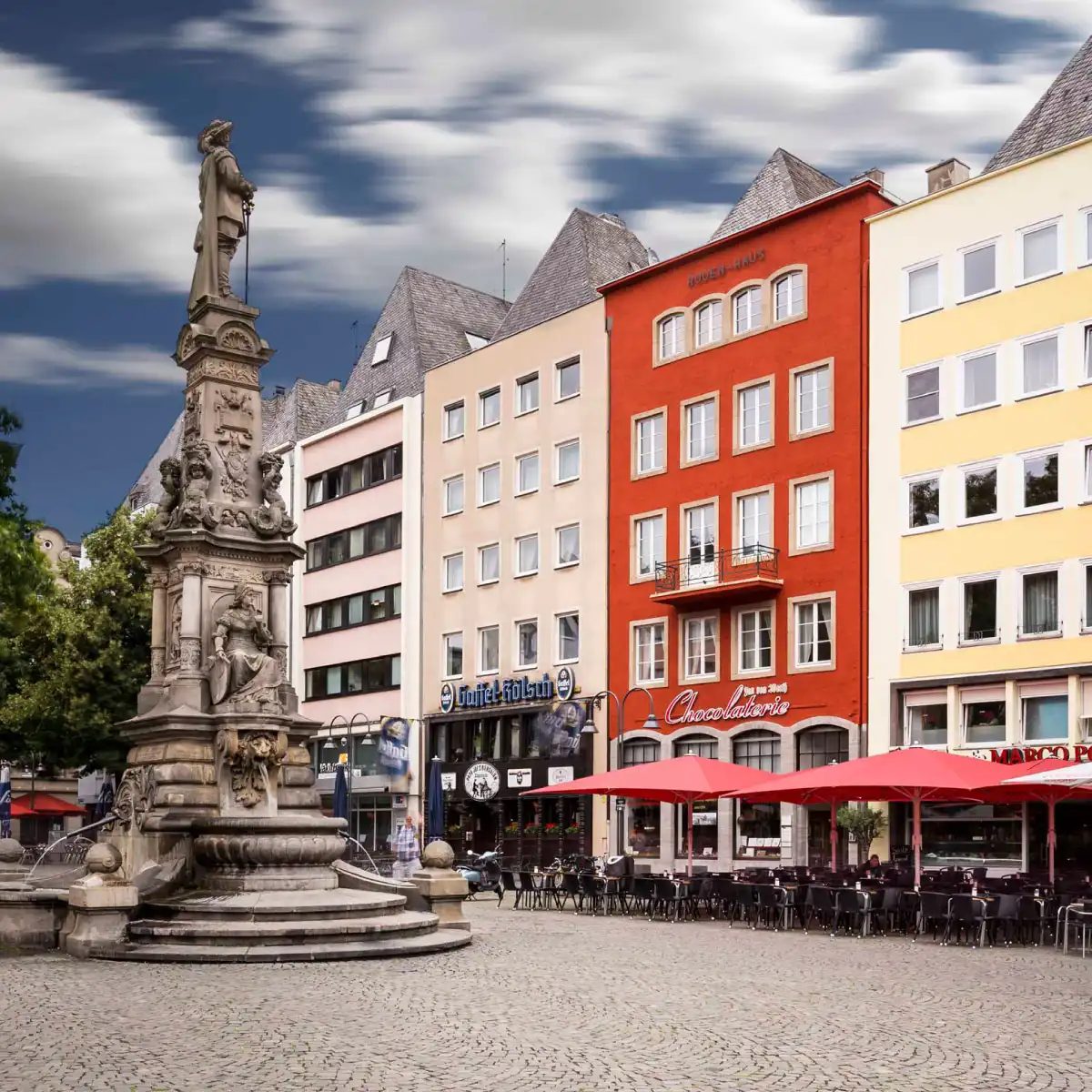
The other end of Hohe Straße leads to Neumarkt. This square is the center of the old town’s social life. It’s paved. Open. Filled with statues and fountains. In summer, the sun hits it hard. In winter, it’s a chill zone.
What to actually see:
Don’t just look at the cathedral. Walk.
- Römerberg : This is the oldest part of the Altstadt. Reconstructed buildings look old. They smell like history (or fresh paint). It’s picturesque. You’ll take photos here. Do it.
- St. Maria im Kapitol : A smaller church nearby. Baroque interior. Quiet. A contrast to the cathedral’s grandeur.
- Kölnisches Stadtmuseum : If you want context. It’s in a building near the cathedral. It explains what happened here. The air raids. The reconstruction. The modern identity. It’s not flashy. It’s necessary.
Logistics:
The Altstadt is walkable. All of it.
- Best time : Morning. Before the tour groups arrive. The light is better for photos too.
- Cost : Walking is free. Museums vary. Entry to the cathedral is free (unless you climb).
- Food : There are bakeries everywhere. Try a Kölsch (local beer) at a traditional brewery. Fritzchen or Sürter are good spots. They serve small glasses. You order by pointing. It’s a ritual. You’ll drink four or five. You’ll be happy.
Why people get it wrong:
They rush the cathedral. They ignore the side streets. The side streets are where the charm is.
- Goldgasse : A narrow lane. Paved with cobblestones. Lined with shops and bars. It
4. Ludwig Müzesi
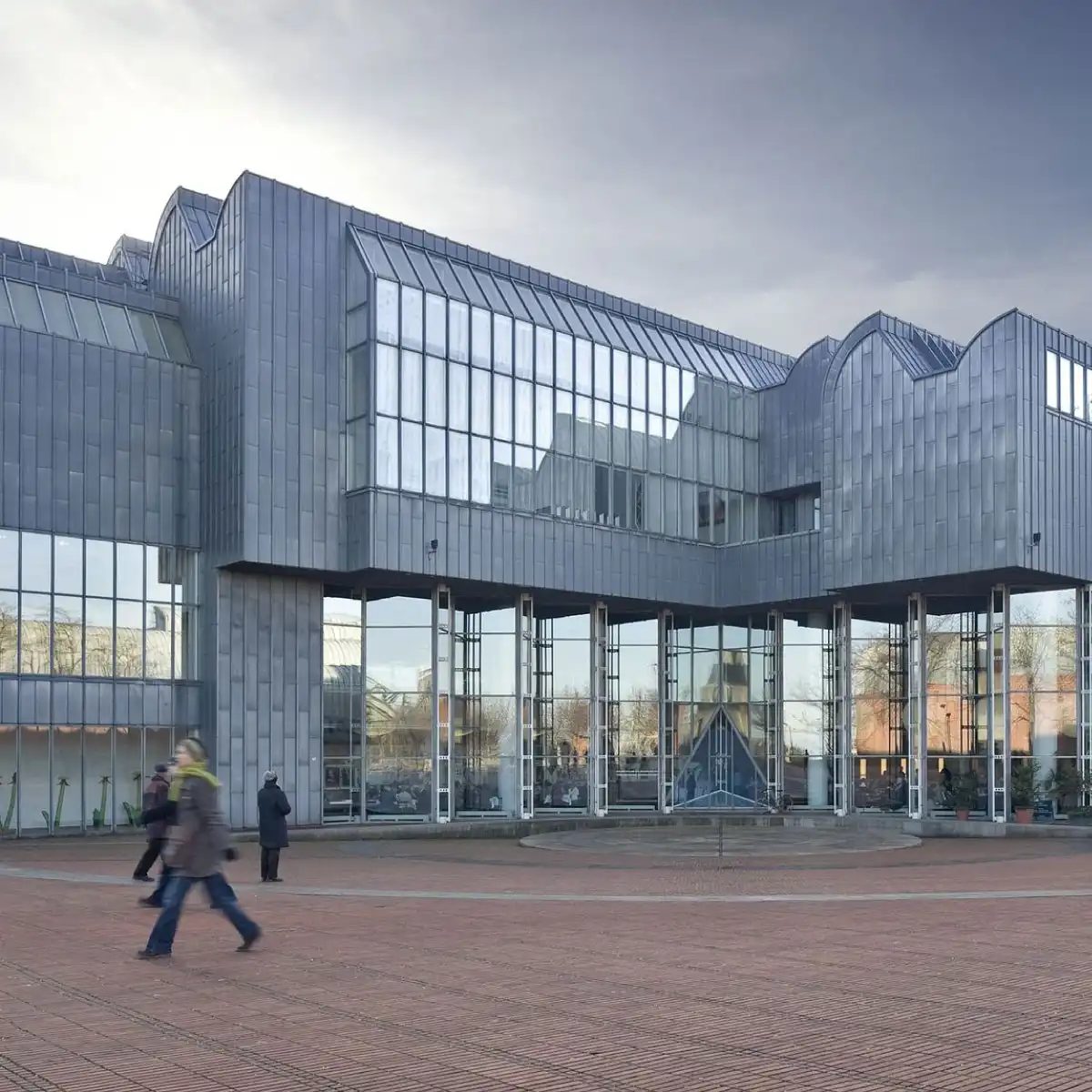
Altstadt’daki dar sokaklara ve renkli evlere alışmışsan, şimdi biraz daha modern bir şok var. Ludwig Müzesi, Gotik katedralin gölgesinde duran bu yapı, klasik sanat müzelerinden çok farklı bir enerji yayar. Burası sadece eserleri sergileyen bir depo değil, 20. yüzyılın en çılgın ve cesur koleksiyonlarından birine ev sahipliği yapıyor.
Köln’de pop sanatı ve modern sanat gezisi yapmak isteyenler için burası duraklaması gereken ilk yer. Günter ve Irmgard Ludwig çiftinin bağışlarıyla kurulan bu müze, özellikle pop sanatı, pop art ve neo-ekspresyonist eserler konusunda dünyanın en zengin arşivlerinden birine sahip. Andy Warhol’ın ikonik portrelerinden, Jean-Michel Basquiat’ın hantal, tutkulu tuvallerine kadar her şey burada.
Nasıl ulaşılır?
Müze, Katedralin hemen karşısında yer alıyor. Altstadt’dan yürüyerek 5 dakikada varabilirsin. Ancak dikkat et, katedralin o devasa taş gölgesi yüzünden bazen giriş kapakları çok net gözükmeyebilir. Ana girişi aramak için biraz dikkatli ol.
Ne görülmeli?
Burada tüm müzeyi gezmek bir sabahı alır. Ama zamanın kısıtlıysa, ilk kata çıkıp pop sanatı bölümüne odaklan. Warhol’ın Marilyn Monroe serisine bakmak her zaman bir deneyim. İkinci kat ise daha ciddi, daha karanlık, daha güçlü. Neo-ekspresyonizm, Almanya’daki sanatçının öfkesini ve duygusal çöküşünü tuvale döküyor. Bu eserleri görmek, Köln’ün sadece şarap ve katedral ile özetlenemediğini hatırlatıyor.
Giriş ücreti ne kadar?
Yetişkinler için bilet fiyatı genellikle 10-12 Euro civarında değişiyor. Çocuklar ve öğrenciler için indirimler var. Müze haftada bir gün kapalı olabiliyor, ziyaret öncesi internetten kontrol etmek akıllıca olur.
Burada bir hediye dükkanı var. Ama oradaki ürünler sıradan değil. Müzenin kendi tasarımları, sanat eseri niteliğinde küçük objeler sunuyor. Bir hatıralık almak istiyorsan, burası daha anlamlı.
Altstadt’daki tarihi atmosferin ardından, bu müze sana Köln’ün başka bir yüzünü gösteriyor. Daha isyankar. Daha canlı. Ve belki de biraz daha gerçek.
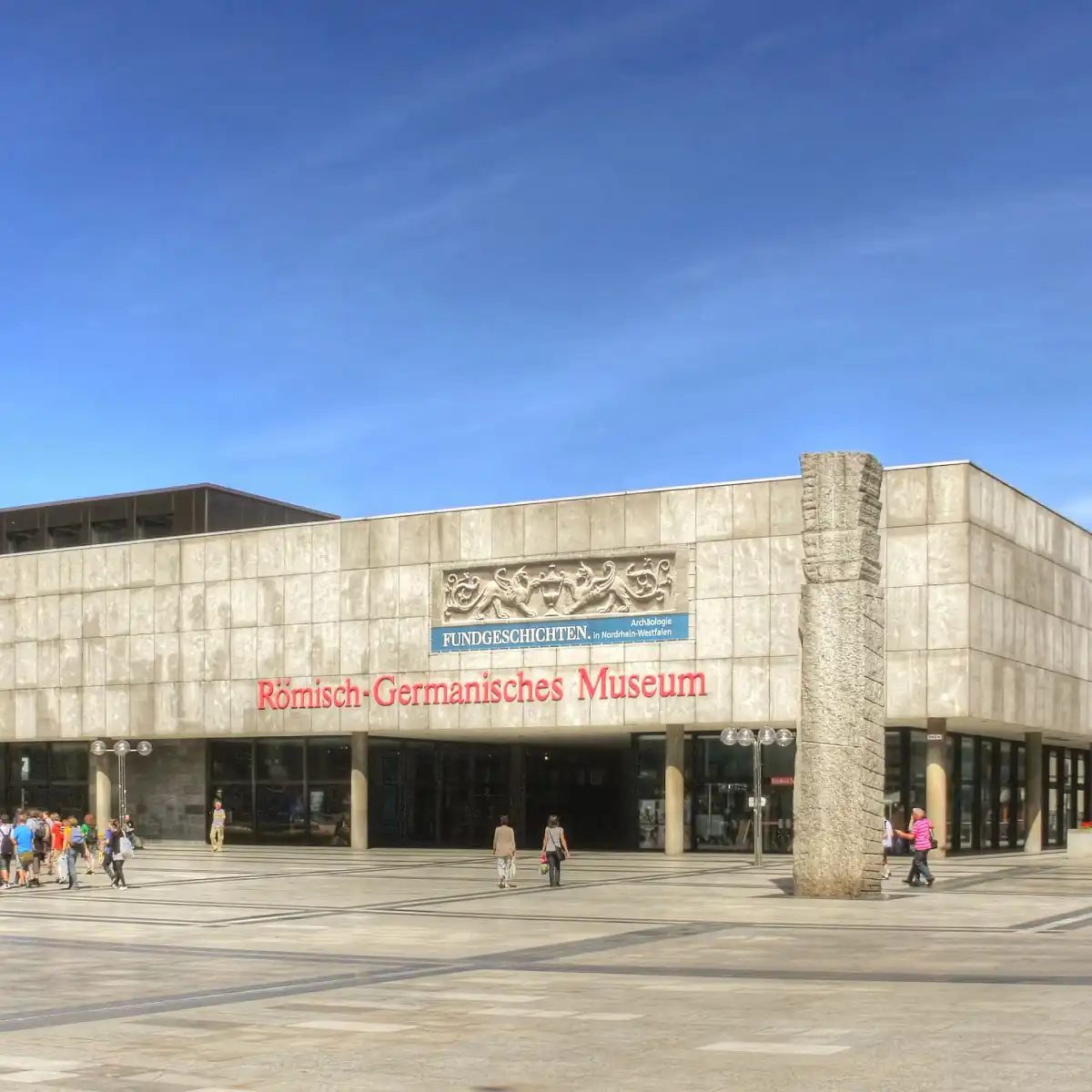
Ludwig Müzesi’ne bir atlayıp, hemen yanı başındaki başka bir devlikte durun. Romano-Germen Müzesi, Köln’ün toprak altında saklı kalmiş ama gözler için sürekli açık bir halkasıdır. Burada modern sanatın karmaşasından uzaklaşıp, binlerce yıl öncesine, Roma eyaletlerinin kalbi olan Colonia Claudia Ara Agrippinensium’a (CCAL) giriyorsunuz.
Bu müze tek başına bir destinasyon olmaktan çok, bir zaman makinesi. Ve en büyük avantajı? Romano-Germen Müzesi girişine ücretsiz veya çok düşük bir biletle girebiliyorsunuz (bazen şehir kartları dahil). Bütçe dostu seyahat planlayanlar için bu, geçmişin kıymetli parçalarını pahalı bir bilet bedeli ödemeden incelemek anlamına gelir.
Underground Mosaics and the Dionysus Mosaic
Müzenin kalbi, yerin yarım metre altında bulunan bir Roma villasının kalıntılarında atıyor. Ama beklenen gibi sadece duvarlar veya kırık vazo parçaları değil. Dionysus Mozaikleri, ziyaretçileri ilk etapta büyüleyen öğelerden.
Renkleri hâlâ canlı. Mor, mavi, yeşil, kırmızı tonları Roma’nın ihtişamını bugüne taşıyor. Bu mozaik, Dionysus’un (yunan mitolojisindeki Bakchos) zaferini ve şarap şenliklerini anlatıyor. Etrafındaki figürler, maskeler ve hayvan tasvirleri o dönemin sanat anlayışını yansıtıyor.
- Ne zaman gidilir? Sabah erken saatler daha sessiz. Öğle üstü turist kalabalığı artar.
- Ne kadar sürer? 45 dakika ile 1 saat arası, mozaikleri yakından incelemek için yeterli.
- Neredeyse? Domshof 20, 50667 Köln.
The Mithras Sanctuary: A Rare Glimpse
Müzenin en benzersiz yanı, sadece Roma dönemi değil, aynı zamanda Mithras tapınağı kalıntılarının da burada sergilenmesi. Mithraizm, Roma askerleri arasında yaygın olan ve ışık tanrısı Mitra’ya adanmış gizemli bir inançtı.
Tapınağın altındaki bu yapı, Köln’deki en iyi korunmuş Mithraeum’lardan biridir. Koyu renkli duvarlar, uzun koridorlar ve ortadaki iki tepe şeklinde tahta banklar… Burası, sıradan bir Roma tapınağından çok, gizli bir cemaatin buluşma noktası gibi. Tarih meraklıları için bu, Roma’nın resmi dinleriyle ilgili olmayan, halkın inanç dünyasını anlamak için bir anahtar.
Practical Tips for Visiting
Köln’de müzeler genellikle Cumartesi ve Pazar günü kapalı veya sınırlı saatlerde açılır. **Romano
The Green Heart of Cologne: Flora und Botanischer Garten
If you’ve spent the morning staring at ancient Roman mosaics in the Romano-Germanic Museum, your eyes might be tired of stone and dust. It is time to switch gears. Head north. The city’s lungs are just a few kilometers away, tucked inside a sprawling park complex that feels worlds away from the heavy history of the Old Town.
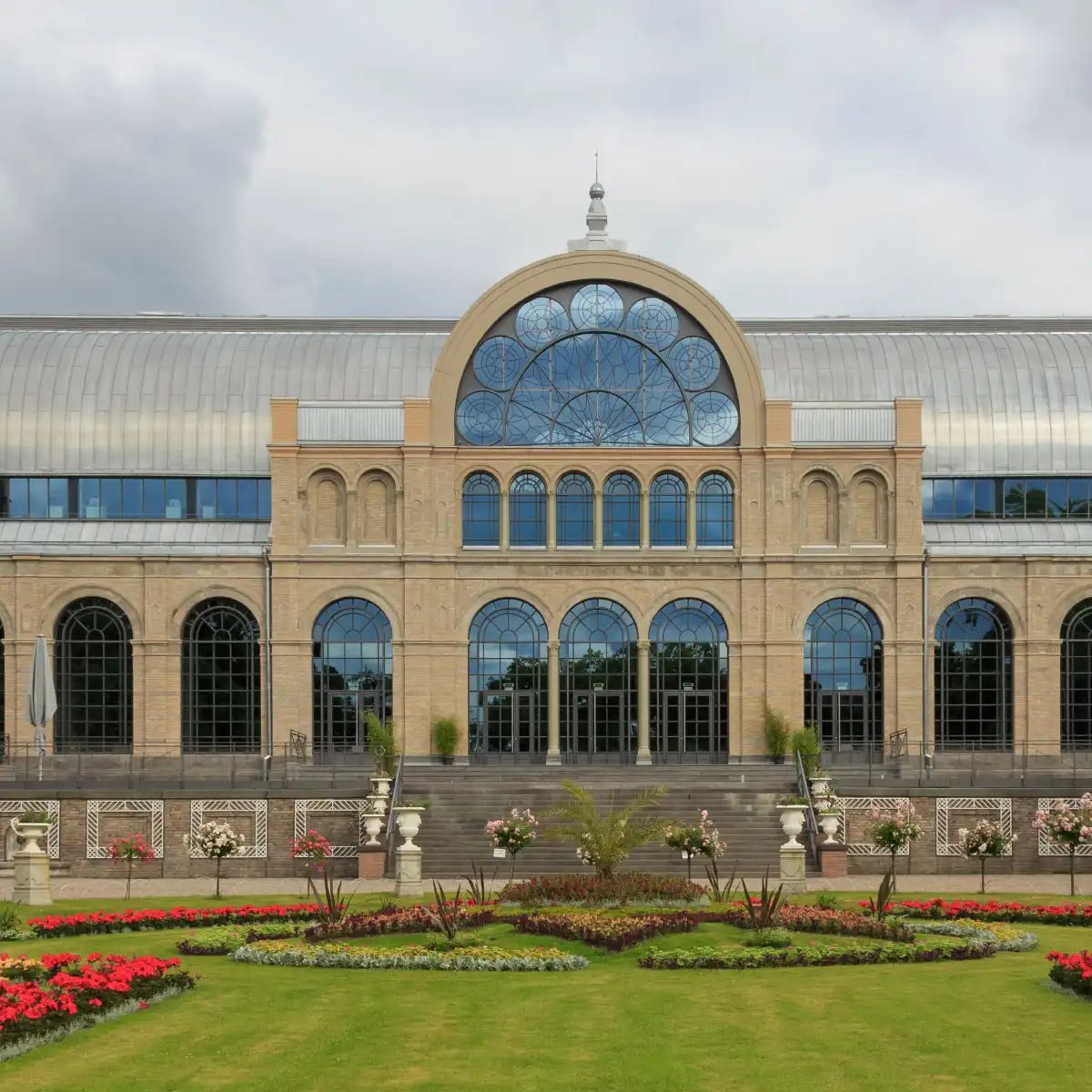
Flora und Botanischer Garten Köln isn’t just a pretty face. It is a serious botanical institution. Established in 1860, it holds the distinction of being one of Germany’s oldest botanical gardens. But calling it “old” undersells its scale. This place covers 22 hectares. That is roughly 54 acres of curated nature. For a traveler planning a day off the beaten path, this is where you come to breathe.
Why Go Beyond the City Center?
Most guidebooks will tell you to stick to the Cathedral and the Rhine Promenade. You will do that. But if you want to understand how modern Cologne manages its urban wildlife and plant diversity, this garden is the answer. It serves as a living laboratory. The collections are not static displays behind glass. They are actively managed ecosystems.
You are not just looking at flowers. You are walking through specific geographic zones. The garden is divided into distinct sections. There is the Alpine section. The Mediterranean area. The Desert house. Each zone replicates a specific climate. It allows for a kind of passive education. You learn about plant adaptation without reading a textbook.
What Is Actually Worth Seeing?
Do not wander aimlessly. The layout can be confusing. Focus on these key areas:
- The Desert House : This is the standout attraction. It houses over 8,000 plants from arid regions around the world. The sheer variety of cacti and succulents is overwhelming. Some specimens are decades old. You can stand next to a 50-year-old agave and realize how slow time moves in the desert.
- The Palm House : A glass structure that feels like a relic from the Victorian era. Inside, it is humid. Thick. The air smells of damp earth and exotic blooms. Ferns drape from the ceiling. It is a sensory shift from the cool stone of the museum you just left.
- The Alpine Meadow : In spring, this section explodes with color. Wildflowers carpet the ground. It is less about individual species and more about the overall effect. A sea of purple and yellow against a backdrop of simulated rock faces.
- The Rose Garden : Cologne is known for roses. The garden dedicates a significant portion of its grounds to them. If you visit in late spring or early summer, the scent is intoxicating. There are over 600 varieties here.
Logistics and Costs
Getting there is straightforward. Take the U-Bahn to the Gürtel station. From there, it is a short walk. The entrance fee is reasonable. Expect to pay around €4 for adults. Children under 18 enter for free. If you are a student, bring your ID. There is a discount.
Timing matters. The garden closes early in the winter months. By 4:00 PM, the gates lock. In summer, you can stay until dusk. The light changes dramatically as the sun
7. Schokoladenmuseum
If your knees are tired from the botanical garden, this is the perfect place to rest them. And your sweet tooth. The Chocolate Museum isn’t just a place to buy truffles; it’s a full sensory immersion into the history, science, and art of cocoa. Located right on the Rhine, it’s a landmark you can’t miss, but skipping it would be a mistake. You’re not just getting a tour. You’re getting a lesson in how chocolate went from a bitter Mayan drink to the creamy bars we know today.
The building itself is striking. A massive copper dome dominates the skyline. Inside, the air smells like roasted cacao beans. It’s intoxicating. You start at the ground floor, where the process begins. See the raw beans. Learn about the fermentation stages. It’s surprisingly technical. Then you move up. The displays get more visual. Interactive screens let you mix your own virtual flavor profiles. It’s engaging for adults and kids alike.
Why It’s Worth the Ticket Price
Most visitors think they know chocolate. They don’t. The museum breaks down the difference between mass-produced candy and artisanal craft. You’ll learn about the specific regions in Ecuador or Ghana that produce the best beans. You’ll taste samples that change your perspective. The tasting room is included in the admission. Don’t skip it. The staff are passionate. They guide you through dark, milk, and white variations. You’ll notice the texture differences immediately.
The view from the top floor is equally compelling. Floor-to-ceiling windows frame the Cologne Cathedral and the Rhine River. It’s a classic postcard shot. But the real value is the depth of the content. It’s not just sugar and fat. It’s anthropology. It’s chemistry. It’s global trade. Understanding that context makes the final tasting so much richer.
Practical Tips for Your Visit
Timing matters here. The museum gets crowded between 2 PM and 4 PM. Arrive right at opening, around 9 AM, to beat the tour groups. You’ll have the space to breathe. And to ask questions without shouting.
What to expect:
– Duration: Plan for 90 minutes to two hours. Rushing through the exhibits misses the nuance.
– Cost: Adult tickets are roughly €15. Children under 6 enter free. Students and seniors get a discount.
– Language: Audio guides are available in multiple languages. English is well-documented.
– The Gift Shop: It’s expensive. But high quality. If you’re buying souvenirs, look for their limited-edition bars. They change seasons.
One critical detail: the elevator to the viewing terrace sometimes closes for maintenance. Check the website before you go. If the elevator is down, you climb 143 steps. It’s a workout. But the view is worth the sweat.
How It Fits Into Your Cologne Itinerary
You’re already near the city center. If you did the botanical garden earlier, this is a good afternoon pivot. The tram stops right outside. It’s a short ride from the main station. Pair this with a dinner in the nearby Heumarkt district. The restaurants there are pricey but excellent. Save money by grabbing a pretzel or a slice of apple
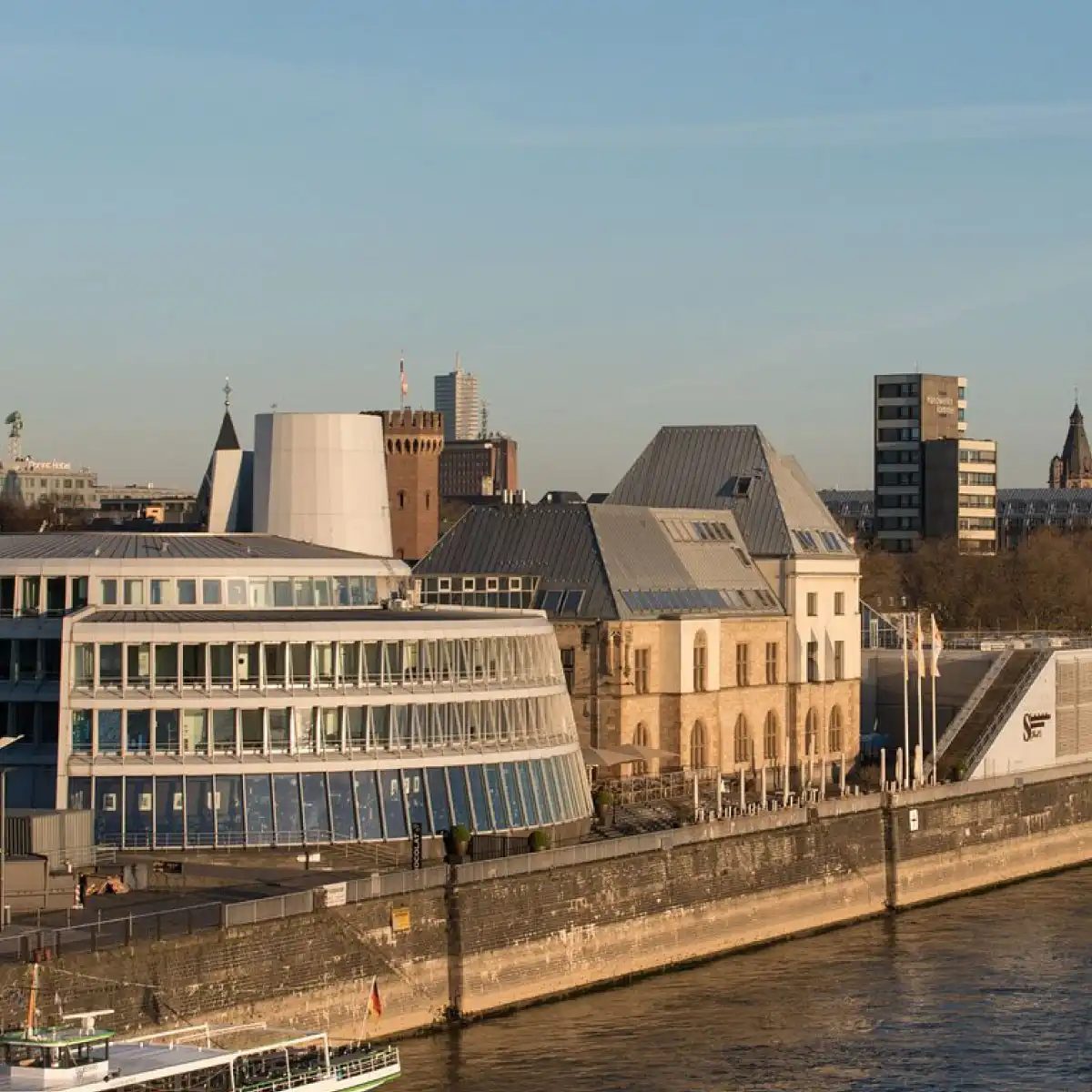
Schokoladenmuseum sadece tatmakla kalmıyor, deneyimi dijitale de taşıyor. Müzenin modern kısmı, temalı bir yolculuğun parçası. Burası sadece bir müze değil. Aynı zamanda bir laboratuvar.
Müze içerisindeki çikolata dükkanında da çeşitli çikolata ürünleri satın alabilirsiniz. Burası, hediye almak isteyenler için ideal. Mutfağın kokusu, binanın geri kalanına sinmiş durumda.
8. Hohenzollern Köprüsü
Bir kıyıdan diğerine geçiş, sadece coğrafi değil. Zihinsel bir geçiş de.
Köln’ün kalbi, Rhein Nehri üzerinde atanıyor. Hohenzollern Köprüsü, bu atanışın ritmini belirleyen ana damar. 1911’de inşa edilen bu demir köprü, İkinci Dünya Savaşı’nda yıkıldı. Sonra yeniden yapıldı. Bugün, 115 metre yükseklikte, kentin sembolü haline geldi.
Kiloluk Kilitlerin Gizemi
Köprüye yaklaşırken ilk dikkat çeken şey metalin soğukluğu değil. Binlerce küçük parçanın oluşturduğu gürültü.
Her kilidin üzerinde bir isim yazıyor. Ya da bir tarih. Ya da bir slogan. Bunlar, sevgi sözleri. Çiftler, aşklarını taşa değil çeliğe kazımış. 2008’de başlayan bu gelenek, köprünün yapısını zorluyor. Yetkililer, kilidi çıkarmayı yasakladı. Bunun yerine, kilidi kırpıp çöpe atıyorlar.
Neden? Çünkü ağırlık artıyor. Her yıl tonlarca ek metal. Köprü, bu yükü taşırken aynı zamanda romantizmi de taşıyor.
Nehir Manzarası ve Şehir Işıkları
Güneş battığında, manzara değişiyor. Işıklar yanıyor.
Nehir, gökyüzündeki yıldızları yansıtıyor gibi. Köprü üzerindeki yürüyüş yolu, dar. İnsanlar birbirine sürtünerek geçiyor. Bu, baskı yaratmıyor. Aksine, bir bağ kuruyor. Yabancı biriyle aynı anda aynı manzarayı izliyorsunuz.
Fotoğraf çekmek için en iyi nokta, köprünün tam ortası. Burada nehir tam karşıdan görünüyor. Sol tarafa bakarsanız, Köln Katedrali’nin silüeti belirir. Sağa döndüğünüzde, modern binaların cam cepheleri parlıyor.
Lojistik ve Erişim
Köprüye nasıl ulaşılır?
Köln Main Station’dan çıktığınızda, 5 dakika yürümeniz yeterli. U1, U3, U4 tramvay hatları da duraklara yakın. Otobüsle gelenler için 124, 140, 141 numaralı hatlar kullanılır.
Ücretsiz. Giriş yok. Kontrol yok.
Anc
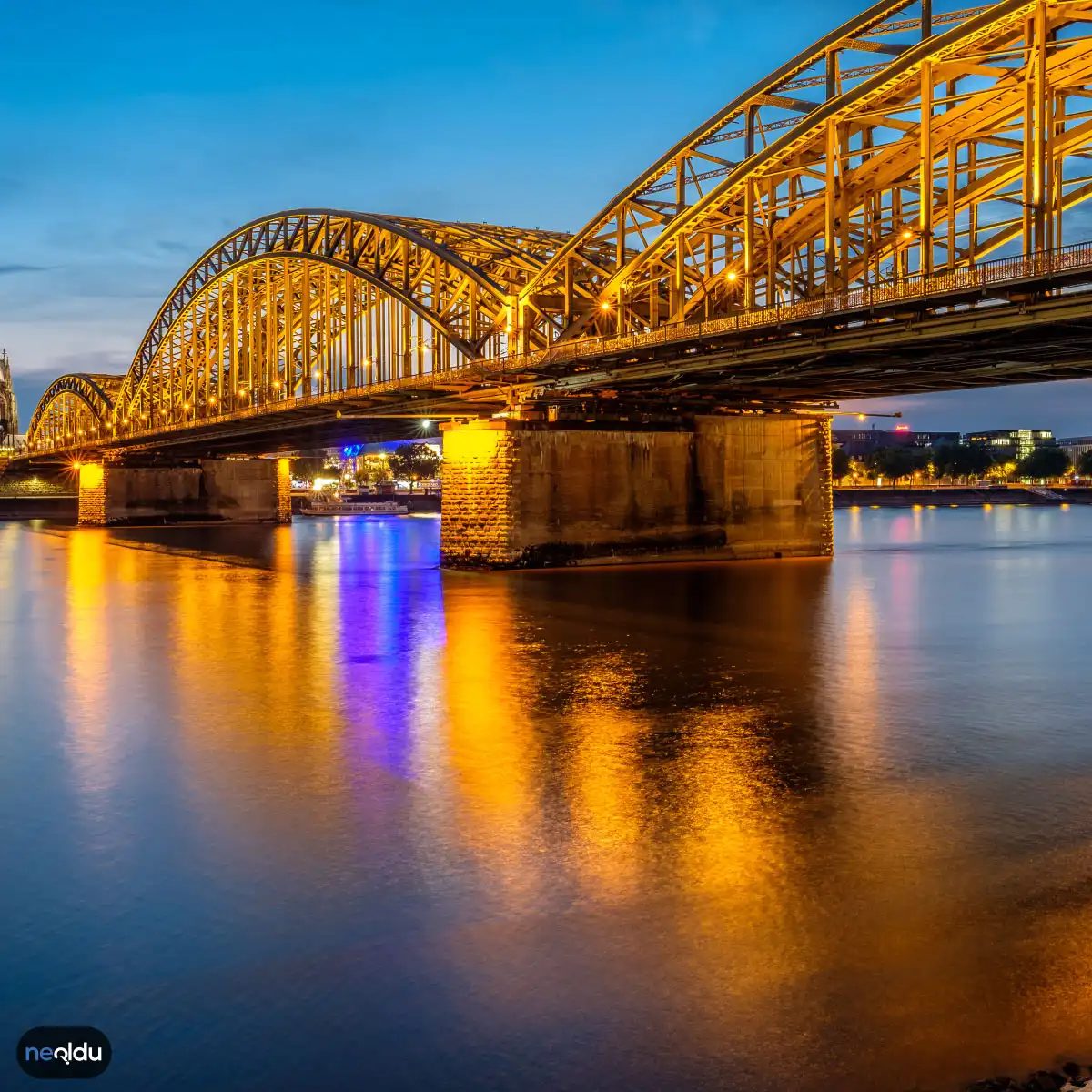
Köln’ün kalbinde Rhein Nehri’nin ortasında yükselen Hohenzollern Köprüsü sadece bir geçiş noktası değil. Burası şehirle aranızdaki mesafeyi sıfırlayan bir eşiğin başlangıcı. Katedralin gölgesinde, duvarlarına binlerce aşk kilitinin çivilendiği bu yapıdan geçerken sola veya sağa bakın. Manzara o kadar net ki, sanki şehri yukarıdan süzülen bir kuş gibi izleyebiliyormuşsunuz hissiyatını veriyor. Yürümek zorunda değilsiniz. Bisiklet kiralayın. Köln, bisiklet şehrini sevenler için cennet. Çamurlu ayaklar yerine, tekerleklerin gıcırtısı altında nehri geçmek çok daha akıllıca bir tercih. Ama dikkat. Köprüden geçtikten sonra hemen sola dönüp katedral cepheden uzaklaşın. Orası turistik tuzaktır. Hedefiniz biraz daha derinde.
9. Schnutgen Müzesi (Schnutgens Museum)
Köln Katedrali’ne olan bu hürmeti, hemen yanındaki Schnutgen Müzesi ile dengelemek zamanı. Evet, ismi Almanya’daki hemen her müzede olduğu gibi biraz ağır geliyor. Ama içeriye girdiğinizde, “neden burada olduğum” sorusunun cevabını saniyeler içinde bulacaksınız. Bu yer, ikonik kiliselerden sıkılanlar için bir kurtarıcı. Köln’de sanat tarihine meraklıysanız, bu müze sıradan bir gezi rotasından çok daha değerli bir durak.
Müze, II. Dünya Savaşı’nda kaybedilen bir koleksiyonun geri kazanımıyla hayat bulmuş gibi bir hissettiriyor. Şimdi orada duran eserlerin çoğu, o dönemden sonra toplanmış. Ama bu, müzenin ruhunu azaltmıyor. Tam tersine. Burası, Orta Çağ’dan Rönesans’a uzanan bir yolculuğun yoğunlaştırılmış hali. İçeride gezinirken zamanın durduğunu hissedersiniz. Duvarlar, o dönemin karanlık ama büyüleyici atmosferini yansıtıyor.
Neden burayı ziyaret etmelisiniz?
Çünkü Köln’deki diğer müzelerin çoğu geniş. Çok geniş. Bu ise kompakt. İki kat arasında dolaşırken, her köşede beklenmedik bir detayla karşılaşırsınız. Alt katta, Gotik heykellerin sert hatları sizi karşılar. Üst kata çıktığınızda ise Renekans sanatının yumuşak tonlarına ve detaylı ahşap oymalara doyarsınız. Özellikle 15. yüzyıldan kalma panolar, dönemin işçilik ustalığını gözler önüne seriyor. Kimse sizinle paylaşmasa bile, bu eser
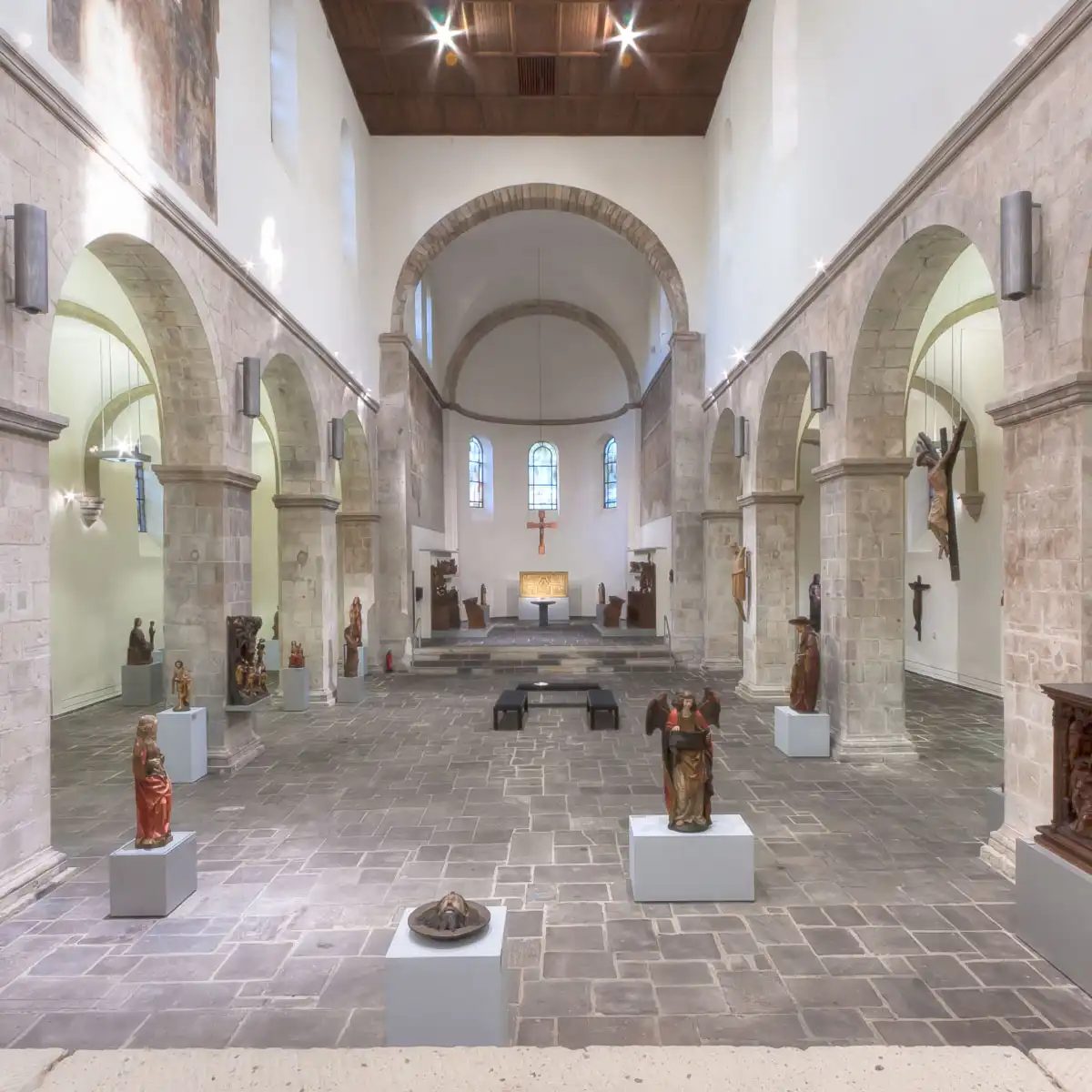
Why the Schnütgen Museum’s Medieval Textiles Still Hold Up
The air inside the Schnütgen Museum in Cologne feels different than in other major German institutions. It’s quieter. More intimate. While many museums across Germany—and indeed, Europe—showcase the usual suspects of Christian medieval art, this place goes deeper. It reaches back further.
We’re talking about textiles and printed works that trace their lineage all the way to antiquity. Yes, antiquity. Not just the height of the Middle Ages, but the roots.
Founded in 1906 by the priest and art historian Joseph Schnütgen, the museum wasn’t an afterthought. It was a deliberate act of preservation. Schnütgen saw what others missed—the value in the woven, the stitched, the printed fragments that survived the centuries. He gathered them. He protected them.
In 2010, the collection moved to a new building. It wasn’t just a relocation. It was a recontextualization. The new space allows visitors to walk through time without the clutter of crowded galleries.
Every year, over 100,000 tourists flood through its doors. Why? The bronze collections are undeniably impressive. They catch the eye. They gleam. But if you look closer, the real story is in the fabrics. The tapestries. The intricate embroidery that has survived fires, wars, and centuries of neglect.
What to Actually See: Beyond the Bronze
Most guidebooks will point you to the bronzes first. They’re shiny. They’re large. They fit on postcards.
But the textiles? Those are the quiet powerhouses.
Consider the St. Gereon tapestry. Or the fragmented liturgical vestments that still hold the weight of their original purpose. These aren’t just “old clothes.” They’re historical documents woven in silk, wool, and gold thread.
How do they survive? Conservation efforts. But also, the sheer beauty of the craft. The detail in the stitching alone demands your attention. It slows you down.
Logistics for the Modern Traveler
The museum sits in the heart of Cologne, near the Rhine. It’s accessible. It’s affordable. But timing matters.
If you visit in July or August, the crowds are thick. You’ll be shoulder-to-shoulder with tour groups. You’ll miss the silence.
Come in November. Or early May. The light is different. The space feels larger. You can actually look at a 12th-century tapestry without someone blocking your view.
Cost? Entry is modest. Around 5 Euros for adults. Students and seniors often get discounts. Children under 18 usually enter free. It’s a small price for direct access to artifacts that most people only see in textbooks.
The Unseen Details
Here’s what most visitors walk past: the printed woodblocks. They’re simple. Unassuming. But they represent a technology shift. A moment when art became reproducible. When images could travel faster than monks.
Why does this matter today? Because it mirrors our current digital age. The shift from unique, handcrafted objects to mass-produced images. The Schnütgen Museum captures that transition. Not just in text, but in object.
The bronze collection gets the headlines. The textiles get the longevity. They’re still here


