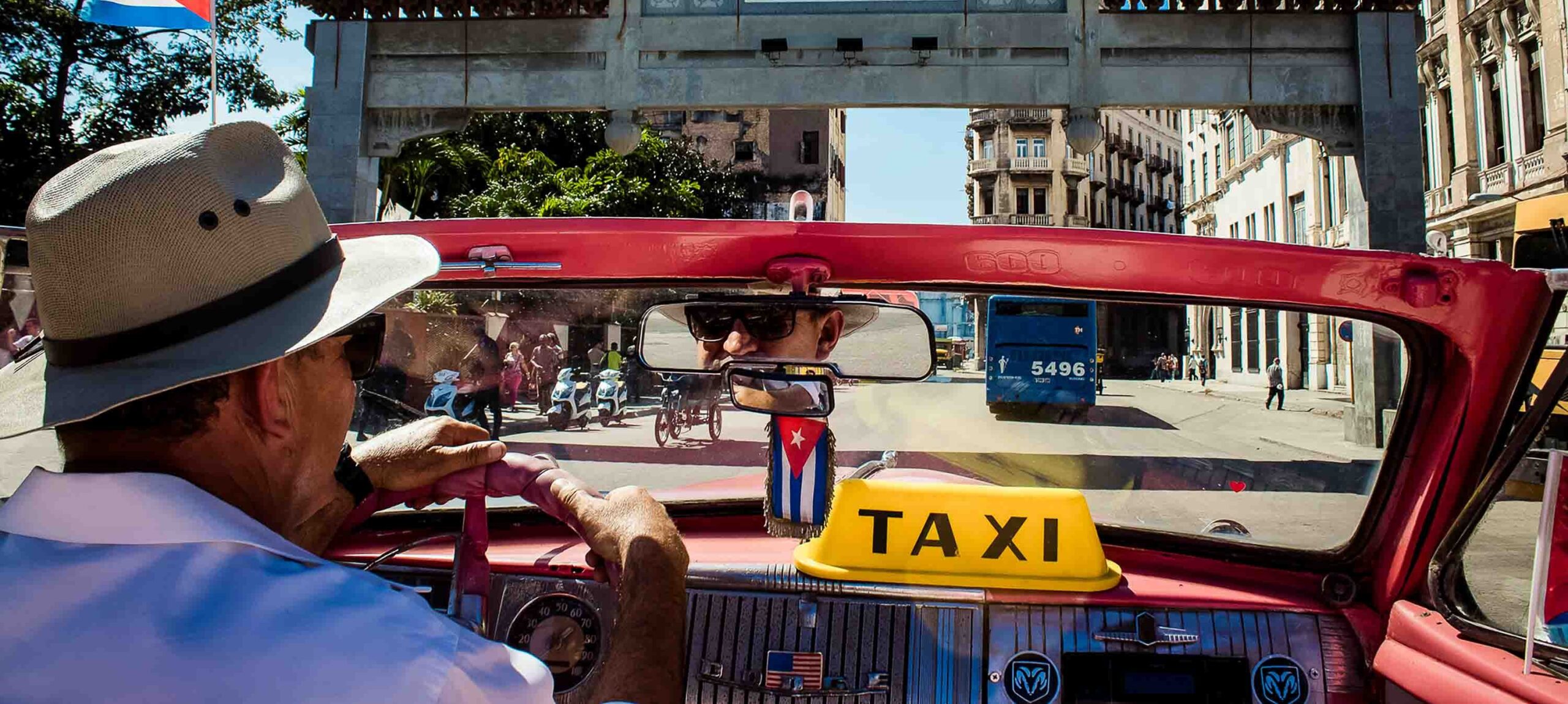
Tania Rodríguez cooks on charcoal now.
She sells clothes. Shoes. Scrap wood found around her house in central Cuba. Next on the chopping block? The fridge. The water tank. She’s going downhill without brakes, she says, surviving only because a Canadian tourist friend she met years ago occasionally tops up her bank card from afar.
Her last paycheck came in February.
It was 6,000 Cuban pesos. About $10 USD. The government offered her a new job—cleaning hospitals for 3,000 peso. She said no. A beach cleaning job popped up, but it required sleeping on-site. Impossible. She has elderly parents to care for. A young child. And with black-market gas costing 60,000 pesoes ($90) for a 20-liter bottle, fire is a luxury.
This isn’t just Tania’s story.
The entire island is suffocating under an oil blockade imposed by the Trump administration in late January. The result? 22-hour daily blackouts. Fuel prices skyrocketing. Water pumps failing because they need electricity, so taps run dry. Hospitals can’t function properly. Medicines vanish from official counters and reappear on the black market. Airlines are fleeing. The UK, Ireland, Switzerland, Australia—all banned non-essential travel. Canada, the historical lifeline for Cuban tourism, pulled its tourists back in February.
“In Cuba, there’s no food; it’s a wage shortage.”
It’s a cliché by now, but true. Shops have stock. People just can’t buy it.
In 2017, tourism generated $3.3 billion for Cuba, roughly 10% of GDP. Up to half a million Cubans relied on that industry, either directly or through tips and side jobs.
Today, Havana feels ghost-like.
Urszula Abolik, who’s visited for a dozen years, went to a poetry reading in Old Havana recently. Two tourists there. Her. And one other.
“I’ve never seen it that quiet,” she says. Artists and dancers still show up, driven by art, but the emptiness of the halls is heartbreaking. She stayed in a B&B that didn’t lose power, took bicycle rickshaws around the city, and sat as the sole foreigner at a packed, solar-powered charanga concert. At the Buena Vista Social Club, the only diner listening to acclaimed pianist José Portillo was her.
The roots go deep
The 2026 crisis didn’t happen in a vacuum.
It sits atop 60-some years of US embargo and internal economic mismanagement. In 2021 alone, the administration added Cuba to the State Sponsors of Terror list, strangling its ability to process international payments. They killed the ESTA waiver for travelers who visited the island after January 2021. The pandemic hammered the economy first, and the subsequent push into state-controlled luxury hotels squeezed out the smaller businesses that kept people alive.
The numbers don’t lie.
Between January and April of this year, visitor numbers dropped 56% compared to the previous year. Peak years saw five million visitors. Now? Silence.
Still, a few die-hards go.
Love Cuba, a UK operator, usually sends thousands there yearly. Now, Damien O’Brien, the CEO, says only 20 a month head to Havana, flying Air Europa and buying specialized insurance despite the Foreign Office warning against “all but essential travel.”
Most major international hotel brands have bailed.
They severed ties with Gaviota, the military tourism arm, to comply with Trump administration ultimatums cutting links to GAESA. This military conglomerate controls huge swathes of the Cuban economy. Without Western brands managing the hotels, the state-owned properties—ringfenced with generators and food supplies—are left stranded.
The 80,000 rooms in the north coast resorts are sitting empty.
Meanwhile, 10 million Cubans pay the price. Paolo Spadoni, a tourism expert at Augusta University, calls the situation “a country left bleeding to death.”
The wage trap
Here is the core of the disaster.
Two-thirds of workers are state employees. The average salary is about 6,930 CUP ($11). Pensions? $4.50 a month for many.
A basket of basic nutritional food costs 14 times that salary.
In 2021, the country merged its dual currency, killing the convertible peso. It triggered massive inflation. Black market rates spiraled. Today, you need nearly 700 pesos to get one dollar illegally, while the official “floating” bureau offers slightly better odds, around 550 to the dollar. But for the grandmother on $4.50 pension? There is no legal way out.
Anne-Marie Flynn ran a B&B in a restored Hershey house near Havana. She lost all 56 bookings for the year. Her four staff members are out of jobs. Her taxi driver friend sold his car just to feed his kids.
“We need to show this clown next door,” she says of Trump, “that we’re still standing. Even with this silent genocide.”
Who goes anyway?
Some say don’t go. Some say you have to.
Kyle Tuna Gairhan, a Memphis chef, runs tours called “Buen Sabor.” He only takes two people at a time now. He focuses on Cuban-owned businesses—hotels, restaurants, markets. He wants the money to stay in the hands of Cubans.
His group, Un Plato Más (One More Plate), serves fusion BBQ-Cuban cuisine to locals for free. It’s part humanitarian aid, part defiance.
He argues the international press misses the nuance. Imports are arriving. Goods exist. The bottleneck isn’t logistics. It’s cash.
On June 18, the Cuban government announced economic reforms to open up the market. High-level talks are ongoing. Stalled.
As one worker put it, the feeling on the street is identical to the grid right now.
You wait for the power. You wait for the policy fix. You never know which comes first. Or if it ever comes back on at all. 🥀