Southwest Florida is often reduced to a single stereotype: a sun-drenched beach destination. However, the region’s identity is far more nuanced. Defined by the Caloosahatchee River, expansive estuaries, and a unique blend of wild preserves and historic estates, this part of the state offers a landscape that is simultaneously untamed and accessible.
For travelers, the challenge is not finding things to do, but choosing how to engage with the environment. Whether the goal is deep relaxation, cultural immersion, or physical adventure, the area provides distinct pathways for exploration. Here is how to navigate Southwest Florida based on your preferred pace.
Path 1: The Restorative Retreat
For those seeking to disconnect, Southwest Florida offers spaces where time appears to slow down. The goal here is not just leisure, but mindfulness through nature.
Start the day with a simple ritual: coffee and art. Local spots like Take Two Coffee provide the fuel, while nearby parks offer the canvas. Bowditch Point Park features 17 acres of Gulf shoreline, perfect for watercolor sketching or quiet reflection. For a more urban yet serene alternative, Centennial Park in downtown Fort Myers offers breezy, green space along the river, creating a low-energy atmosphere ideal for unwinding.
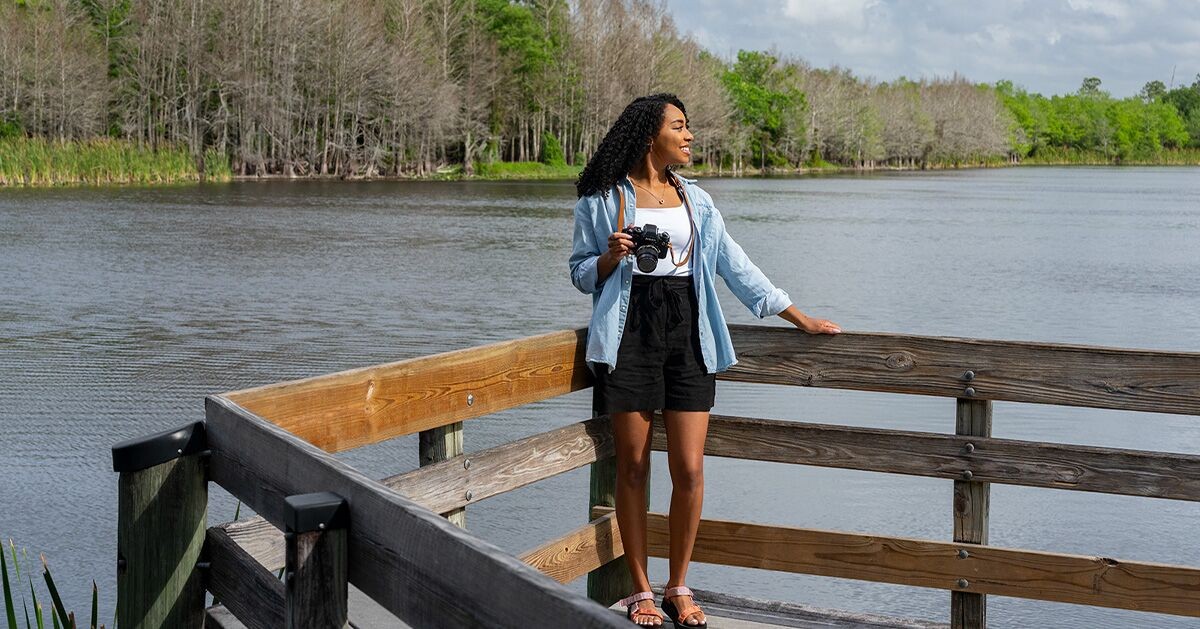
Nature provides the best backdrop for this pace. Harns Marsh Preserve, a 578-acre wetland, serves a critical ecological function by filtering water and mitigating flooding, but for visitors, it is a sanctuary. The four-mile loop trail is flat and meditative, offering sightings of specialized wildlife such as limpkins, snail kites, and double-crested cormorants.
True relaxation in this region often involves leaving the mainland behind.
Consider a boat excursion to Cayo Costa State Park, an island accessible only by water. Here, wind-sculpted dunes and shell-strewn shores create a sense of isolation that is rare in modern tourism. To extend the tranquility, pair the trip with a sunset cruise through Pine Island Sound via Captiva Cruises.
As evening falls, the focus shifts to immersive education. The Calusa Nature Center & Planetarium in Fort Myers offers the state’s only large-dome public planetarium. Its night hikes transform the forest into a living laboratory, where visitors can observe bioluminescence and biofluorescence in real-time—watching lightning bugs blink and salamanders glow under UV light.
To conclude the day, Point Ybel Brewing Company in Fort Myers provides a social yet relaxed endpoint. This small-batch brewery features a rotating tap list ranging from stouts to sours, accompanied by live music and food trucks, offering a casual community vibe without the intensity of a nightlife scene.
Path 2: The Curious Explorer
This path is for travelers who view tourism as a form of learning. Southwest Florida is rich in industrial history, artistic expression, and Indigenous heritage, making it an ideal destination for intellectual engagement.
The journey begins at the Edison and Ford Winter Estates, a 13-acre property that reveals the lesser-known side of two industrial giants. Thomas Edison moved to Fort Myers not just to winter, but to experiment with rubber production. The estate houses the only surviving Edison laboratory and features a banyan tree that is now the largest in the continental United States. It offers a glimpse into these figures as curious outdoorsmen rather than just corporate icons.
Art in Southwest Florida is both public and participatory. The Fort Myers Mural Society has turned the city into an open-air gallery, with self-guided walks showcasing vibrant tributes to local wildlife and history. For a hands-on approach, Arts Bonita in Bonita Springs offers classes in various mediums, including neurographica—a technique that uses guided drawing to reduce stress. For a more intimate cultural experience, Azaleas on the Corner blends botanical aesthetics with wine and art, reflecting the region’s creative spirit.
Culinary craftsmanship also tells a story. The Norman Love Chocolate Salon in Fort Myers presents edible art, with flavors ranging from traditional caramel to complex dark cocoa. Similarly, the Walker Farms Honey “Bee-to-Bottle” tour in North Fort Myers provides insight into the region’s agriculture, allowing visitors to taste local honey and mead while learning about beekeeping.
To understand the deep history of the land, visit Mound Key Archaeological State Park in Estero Bay. Accessible only by boat, this site was the ceremonial center of the Calusa, a maritime Indigenous group. A one-mile trail winds over massive shell mounds, including one that rises 33 feet. Interpretive kiosks provide context for a history that predates European contact by thousands of years, highlighting the sophisticated society that once thrived here.
Path 3: The Active Adventurer
For high-energy travelers, Southwest Florida’s diverse topography—ranging from coastal waters to inland swamps—offers robust opportunities for physical engagement and skill-building.
Fishing here is less about luck and more about local expertise. Charters with guides like Captain John Houston Native Guides utilize deep knowledge of tides and seasons to target species such as snook, redfish, and black drum. For those seeking altitude, Str8up Aviation offers discovery flights where participants can take the controls under supervision. These flights provide a unique perspective on the region’s geography, revealing the intricate network of waterways and wilderness from above.
Water-based adventure is central to the experience. The Great Calusa Blueway is a nearly 200-mile network of mapped paddling routes. Key segments include:
* Tarpon Bay: Winding mangrove tunnels that require skillful navigation.
* Hickey Creek: A route known for turtle sightings and towering ferns.
* Orange River: Paddling beneath moss-draped oaks, with potential manatee encounters.
For a more grounded interaction with nature, the Six Mile Cypress Slough Preserve offers a “Wet Walk.” This experience involves wading through shallow waters in a 3,500-acre wetland, allowing for close-up observation of barred owls, dragonflies, and small fish. It is a physical immersion into the ecosystem, emphasizing the interconnectedness of the habitat.
The quintessential Florida adventure remains the Everglades Day Safari, operating out of Fort Myers Beach since 1991. This comprehensive tour includes an airboat ride through sawgrass prairies, a nature walk among bald cypress trees, and a boat cruise through mangrove wilderness. It provides a condensed yet authentic look at the state’s most famous natural landmark.
History and play can also coexist in adventure. The Mound House Museum, built atop an ancient Calusa shell mound, offers exhibits spanning 2,000 years and demonstrations of ancient tools like the atlatl. For pure fun, Brightwater Lagoon features a resort-style obstacle course with slides and floating challenges, providing a lighthearted end to a physically demanding day.
Conclusion
Southwest Florida defies a single definition. It is a region where ecological preservation meets historical depth, and where relaxation is an active choice rather than a default state. Whether you seek the silence of a wetland trail, the insights of a historic estate, or the thrill of an airboat ride, the landscape adapts to your intent. The key to visiting is not just seeing the sights, but choosing the mode of engagement that aligns with your personal definition of adventure.