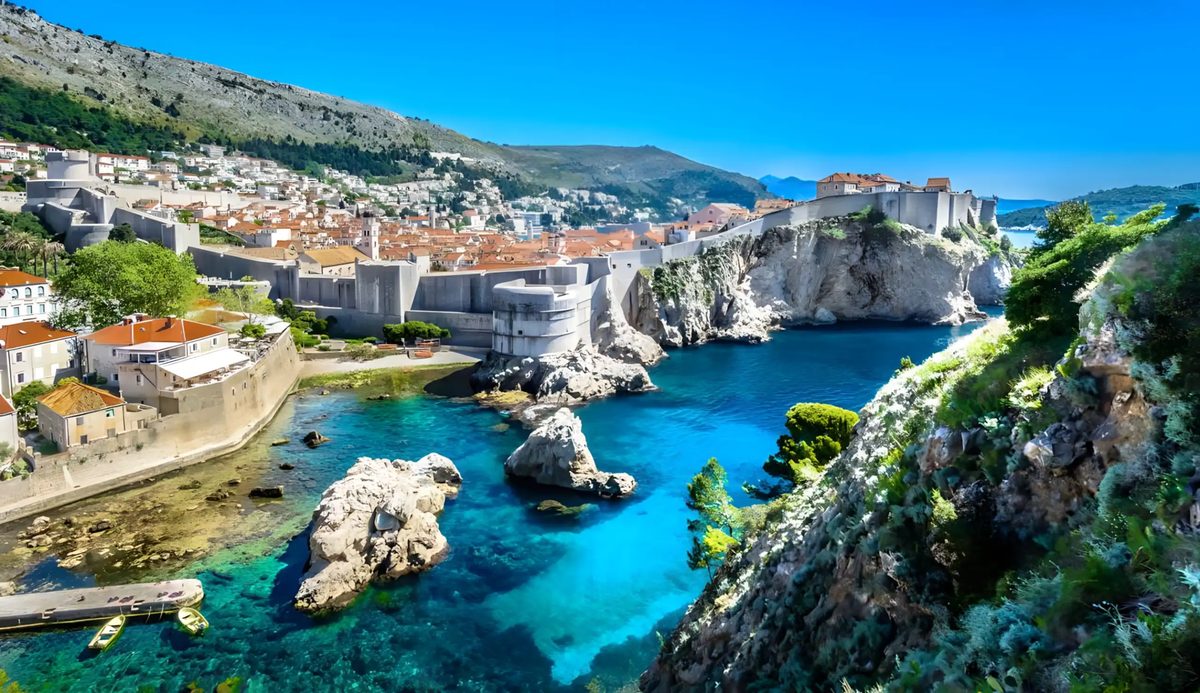
The Balkans offer something the Mediterranean often forgets: wild, clear water mixed with history that actually matters. From the jagged cliffs of the Adriatic to the quieter coves of the Aegean, this stretch of coastline isn’t just postcard-pretty, it’s practical. Prices are lower than Italy or Greece, the crowds are thinner (until August, at least), and the food is honest. If you want a beach break that doesn’t feel like a resort machine, this is where you go.
Dubrovnik sits at the top of the list for a reason. It’s not just a pretty town with walls. It’s a working city where the sea meets stone in a way that feels almost theatrical.
Why Dubrovnik works for a beach trip
You can walk the entire old town in an hour. The walls are real. The views are real. But the beaches? That’s where it gets interesting.
Lokrum Island is the move. Take the 15-minute ferry from the old port for around 6 euros. You’re on a tiny island with a monastery, pine trees, and a lagoon that turns turquoise if the wind is right. No cars. No loud bars. Just water and quiet.
Banje Beach is right on the coast, under the walls. It’s pebble, not sand, but the water is clean and the swim is short. Good for a quick dip after sightseeing.
Balekari Beach is the far one, connected by a long, shady walkway. It feels more isolated. The water is deeper. The crowds are slightly less intense.
Food here is seafood-first. Grilled octopus, black risotto, white fish. Expect to pay 15-25 euros for a decent main. Drinks are cheaper than you’d expect.
Timing matters. June and September give you warm water without the August crush. July is hot and packed. November is quiet but cold.
“Dubrovnik is not just a destination, it’s a transition between land and sea, where every stone seems to remember the tides.”
This is the baseline. The rest of the Balkan coast follows similar patterns: clear water, local food, and a rhythm that respects your time.
Adriyatik’in kıyısındaki bu taş şehir, sadece bir turistik destinasyon değil, Hırvatistan’ın en iyi korunmuş orta çağ dokusunu barındıran bir açık hava müzesi. UNESCO Dünya Mirası listesindeki yerini, gotik kuleleri, surları ve dar sokaklarıyla hak ediyor. Game of Thrones izlediyse, şu an aklınızda belki de King’s Landing var. Dubrovnik, dizinin ana çekim mekanı olduğu için, hayranlar için adeta bir set ziyareti sunuyor.
Dubrovnik’e Gidilecek Gerçek Nedenler
Kalabalıkların arasından sıyrılıp gerçekten ne göreceğinizi merak ediyorsanız, detaylar önemli. Deniz berrak. Adriyatik’in o masmavi tonu, plajlarda kaybolmak için ideal. Şehir merkezinin nabzı ise geceleri atıyor; kafeler, barlar ve restoranlar sürekli hareketli.
Doğa tutkunları içinse iş başka. Çevredeki adalar ve milli parklar, şehir gürültüsünden kaçmak isteyenler için sessiz sakin köşeler sunuyor.
Eski Şehir ve Surlar: Zorunlu Durdur
Eski Şehir’in kalbi Stradun Caddesi. Burada yürümek, Onofrio Çeşmesi’nin karşısında durmak, Sponza Sarayı’nın detaylarını incelemek kaçınılmaz.
Ama asıl deneyim surlarda.
Dubrovnik’in en ikonik yapısı olan şehir surlarında yürüyüş, panoramik bir bakış açısı sunuyor. Adriyatik’in maviliği ile kırmızı çatıların kontrastı, fotoğraf çekenler için altın bir saat.
Lokrum Adası: Şehre 5 Dakika, Başka Bir Dünya
Tekneyle kısa bir yolculuk sonrası Lokrum Adası’na adım atıyorsunuz. Botanik bahçeleri, Benediktin manastırı ve sakin plajlarıyla, şehirdeki enerjiden arınmanın en hızlı yolu bu.
Banje Plajı da listede. Dubrovnik’in en popüler noktalarından biri, güneş ve deniz için standart ama işlevsel bir adres. Su sporları sevenler için dalış, şnorkel ve yelken seçenekleri mevcut.
Budva, Karadağ: Adriyatik’in Diğer Yüzü
Hırvatistan’daki bu yoğun enerjiden sonra, sınırın diğer tarafına geçmek mantıklı olabilir. Budva, Karadağ’ın kıyı şeridindeki en hareketli noktalarından biri.
Kısa bir feribot veya araba yolculuğuyla Budva’ya ulaşmak, tatilin ritmini değiştirebilir. Burada da tarih, deniz ve gece hayatı var ama atmosfer biraz daha farklı. Budva’nın eski şehri, Dubrovnik’e göre daha küçük ama kendi kendine yeten bir yapıda.
Karadağ’ın sahil şeridi, Hırvatistan’la aynı denize bakıyor ama fiyatlar ve kalabalık yoğunluğu konusunda farklı bir deneyim sunuyor. Budva, özellikle yaz aylarında genç turiste yönelik bir çekim merkezi.
Budva’da Neler Var?
Stari Grad (Eski Şehir), dar sokak
Budva’da geceler nasıl yaşanır
Budva, gece 12’den sonra gerçekten uyanır. Budva’da gece hayatı, sabah 6’ya kadar süren uzun bir maraton gibidir. Bars ve kulüpler, özellikle Haziran’dan Eylül’e kadar her köşede sıralanır. Buraya “sadece plaj” için gelip geceyi boş geçirmek, potansiyelin yarısını kaçırmak demektir.
Kulüpler çoğunlukla Eski Şehir’in girişinde, ana caddede yoğunlaşır. Müzik genelde elektronik, hip-hop ve pop karışımıdır. Giriş ücretleri haftaya göre değişir; hafta içi bazen ücretsizken, cumartesi geceleri 50-100 Euro arası talep edilebilir.
“Budva’da gece, gündüzün devamı değil, farklı bir dünya. Alkol fiyatları İtalya veya Fransa’ya kıyasla çok daha makul.”
Ertesi gün baş ağrısını önlemek için su içmeyi unutmayın. Barlarda tek bira 2-3 Euro, kokteyller ise 5-8 Euro civarındadır. Bu fiyatlar, Batı Avrupa standartlarının çok altındadır.
Hangi plajlar gerçekten değere?
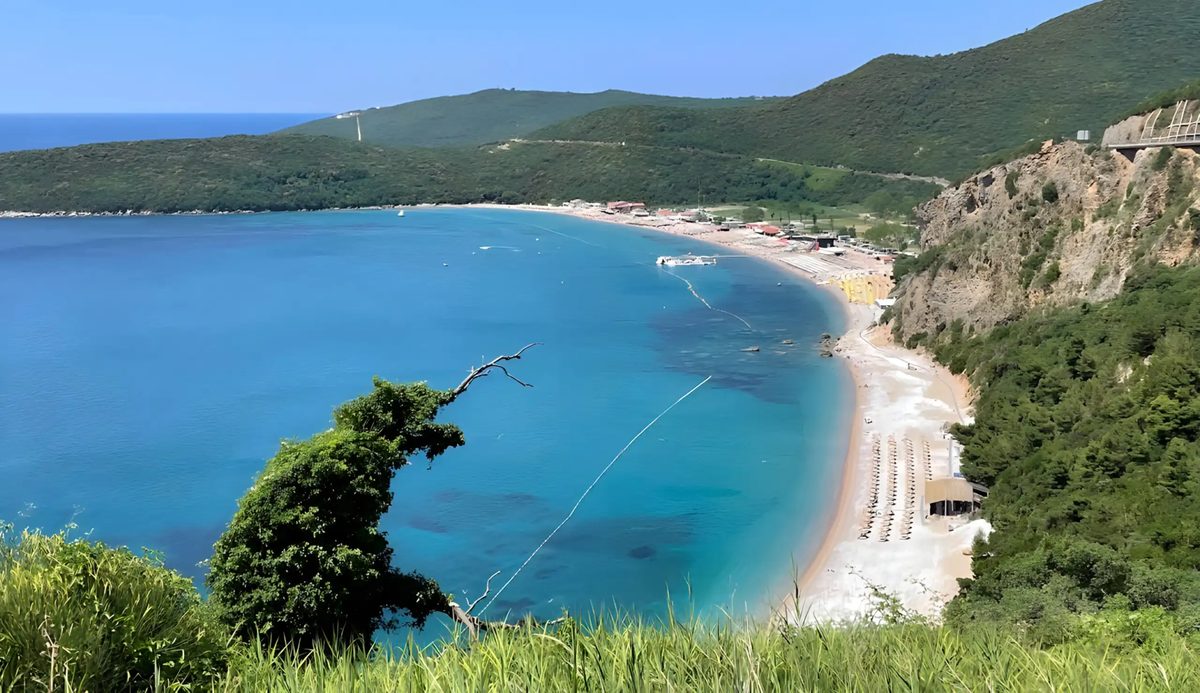
Budva Rivierası, kilometrelerce uzanan altın kumsallara sahiptir. Ancak her kumsal aynı değildir. Doğru seçimi yapmak, deneyimin kalitesini belirler.
Jaz Plajı : Budva’nın en ikonik plajıdır. Taş duvarlar, şezlonglar ve denize bakan kafelerle çevrilidir. Daha kalabalık, daha sosyal bir atmosferi vardır. Şezlong ve şemsiye kiralama genellikle 10-15 Euro arasıdır. Denizi sığ ve temizdir, aileler veya kalabalık gruplar için idealdir.
Mogren Plajı : Jaz’ın hemen ilerisinde, daha sakin ve doğal bir alternatiftir. Kaya ve kum karışımıdır. Su sporları için daha uygun bir derinliği vardır. Burada şezlong kiralama biraz daha ucuz olabilir, yaklaşık 8-12 Euro. Daha az kalabalık, daha huzurlu bir ortam arayanlar için Mogren tercih edilmelidir.
Plajlara gittiğinizde güneş kremi ve havlu şart. Yaz ortasında, özellikle Temmuz ve Ağustos’ta, Budva çok kalabalık olur. Sabah erken saatlerde gitmek, hem güneşten korunmak hem de daha rahat yer bulmak için akıllıca bir hamle.
Eski Şehir’de kaybolmak neden önemli?
Stari Grad, yani Eski Şehir, Budva’nın kalbidir. Dar, taş döşeli sokakları, Orta Çağ surları ve deniz manzaralı kafeleriyle, modern Budva’dan bambaşka bir dünyadır.
Burada yapacak bir şey “planlama” değil, “kaybolma”dır. Surları yürüyün, küçük dükkan
Ohri: Europe’s Oldest Lake and the Balkan Gem You’re Overlooking
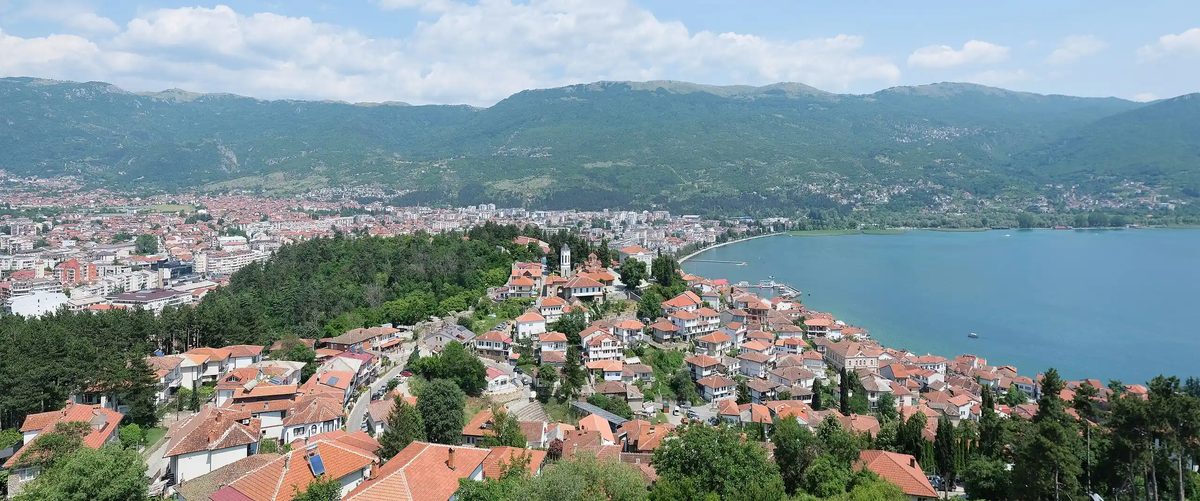
If your itinerary for the Balkans stops at Dubrovnik or Santorini, you’re missing the quiet pulse of the region. Ohri in North Macedonia sits in the southwest, hugging the shore of Lake Ohri. This body of water is not just pretty; it is ancient. Geologists date it to around 3 million years, making it one of the oldest lakes in Europe. The water clarity is startling, often described as crystalline, and the depth is significant for a freshwater body.
Why does this matter for your trip? Because the city itself is a UNESCO World Heritage site. The streets are narrow, paved, and cluttered with history from Roman, Byzantine, and Ottoman eras. You are walking through layers of time here.
Practical Logistics and Costs
Ohri is not a budget hack, but it is significantly cheaper than its Greek or Croatian neighbors. A mid-range hotel room might run you $60-$90 a night. Food is the highlight. You are here for the fish. The local restaurants serve fresh catches straight from the lake. Expect to pay $15-$25 for a main plate. The currency is the Macedonian Denar, but Euros and cards are widely accepted in tourist areas.
The town is walkable. You do not need a car to see the main sights, which saves you the headache of Balkan parking.
What to Actually Do in Ohri
1. Take a Boat Tour on Lake Ohri
The shoreline is fragmented by bays and peninsulas. A boat tour lets you see parts of the lake you can’t reach by foot. Look for tours that include a swim stop. The water is cold, but refreshing.
2. Hike to Samuil Fortress
This is the symbol of the town. It sits on a hill overlooking the lake and the old town. The view is panoramic. Go early in the morning to avoid the heat and the crowds. The stone walls are old, crumbling in places, but the vantage point is worth the climb.
3. Visit Sveti Naum Monastery
Located at the southern end of the lake, this is a major religious site. It is larger than the local churches and has a complex of buildings, including a museum and a monastery. It is quieter than the city center. If you want to understand the spiritual history of the region, this is where you go.
4. Swim at the Lake Beaches
Yes, you can swim in a lake. The water quality is high. There are pebble beaches and some paved areas. It is less crowded than the Adriatic coast.
5. Eat Fish
Do not skip this. The local cuisine centers around freshwater fish. Ask for the daily catch. It is simple, fresh, and different from the saltwater fish you are used to.
Why Ohri Beats the Big Names
The atmosphere is slower. There are fewer tourists than in Dubrovnik. The streets are less commercialized. You can find a quiet café overlooking the water without fighting for a table. The cultural mix is real, not staged. Orthodox churches stand next to Ottoman-era architecture. It is a place for walking, eating, and watching the water change color as the sun sets.
Is it perfect? No
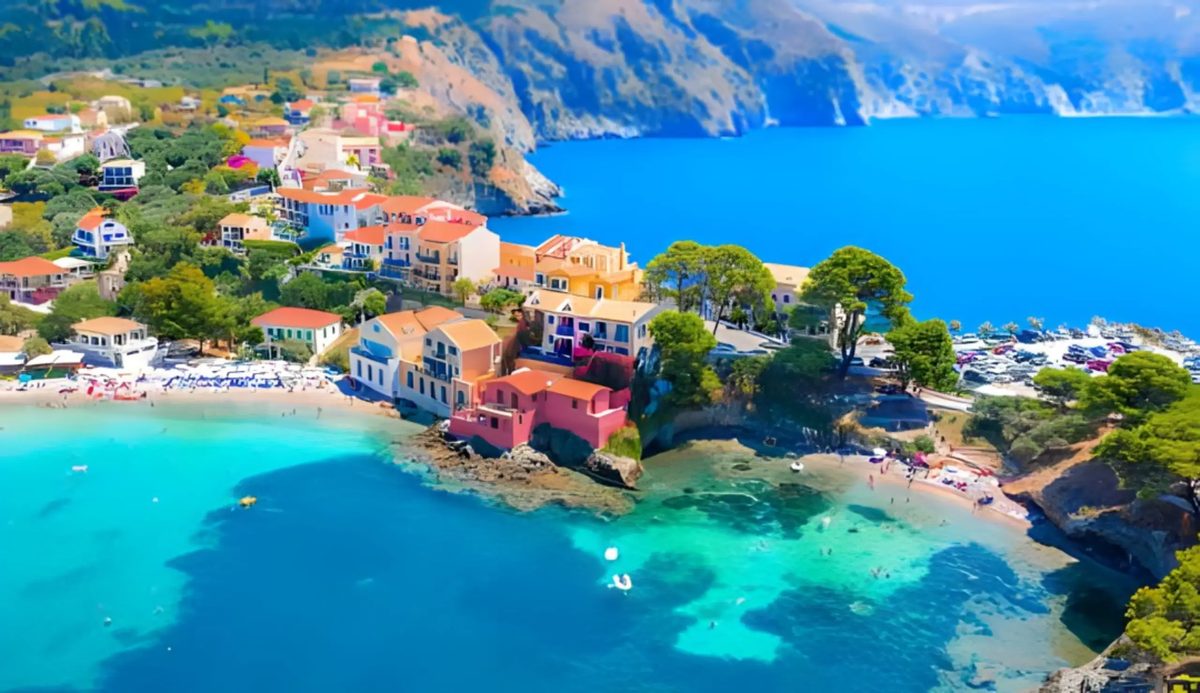
Kefalonya, İyon Denizi’nin en büyük adalarından biri ve “Kaptan Corelli’nin Mandolini” filmi sayesinde dünya çapında tanınıyor. Masmavi suları, yeşil dağları ve tarihi köyleriyle bu ada, hem hareketli tatil arayanlar hem de doğada huzur bulmak isteyenler için ideal bir durak. Yunan adaları genelde pahalıdır, ama Kefalonya konaklama ve yeme içme konusunda bütçenizi zorlamaz. Bu da onu, lüks olmadan kaliteli bir tatil yapmak isteyenler için cazip kılar.
Myrtos Plajı: Kristal Berraklığında Sular
Kefalonya’nın en ünlü plajı Myrtos’tur. Kristal berraklığında su, kum ve etrafı saran yeşillikler, onu dünya genelindeki en güzel plaj listelerine sokmuştur. Güneşlenmek için burası bir cennet gibi görünse de, gerçek deneyim suyun içinde yüzmekle başlar. Myrtos, sadece bir plaj değil; adanın doğal güzelliğini özetleyen bir vitrin. Şelaleler, mağaralar ve birbirinden güzel koylarla çevrili bu nokta, fotoğrafçılar için de vazgeçilmez bir durak.
Melissani Mağarası: Tekne Turuyla Eşsiz Bir Deneyim
Melissani Mağarası, gölün içinde yer alır ve tekne turuyla gezilir. İçeri girdiğinizde, suların altındaki kayalıklar ve suyun ışık yansımaları eşsiz bir doğal güzellik sunar. Bu mağara, Kefalonya’nın gizli kalmış hazinelerinden biri. Tekne turu kısa sürer ama etkisi uzun süre kalır. Eğer ada turu planlıyorsanız, Melissani’yi asla atlamayın.
Fiskardo Köyü: Venedik Mimarisinin İzleri
Fiskardo, Venedik mimarisinin izlerini taşıyan şirin bir köydür. Renkli evler, dar sokaklar ve tarihi dokusu, sizi başka bir zamana götürür. Kefalonya’nın kültürel mirası, Venedik ve Osmanlı dönemlerinden kalma yapılarla zengindir. Fiskardo, tarihi yapıları keşfetmek ve yerel atmosferi hissetmek isteyenler için mükemmel bir durak. Akşam saatlerinde köyün sokaklarında yürümek, günün yorgunluğunu unutturur.
Antisamos Plajı: Su Sporları İçin İdeal
Antisamos Plajı, dalış, şnorkelle yüzme ve kano gibi su sporları için idealdir. Eğer sadece güneşlenmek yerine suyun keyfini çıkarmak istiyorsanız, burası doğru adres. Antisamos, aktif tatil arayanlar için güvenli ve uygun bir ortam sunar.
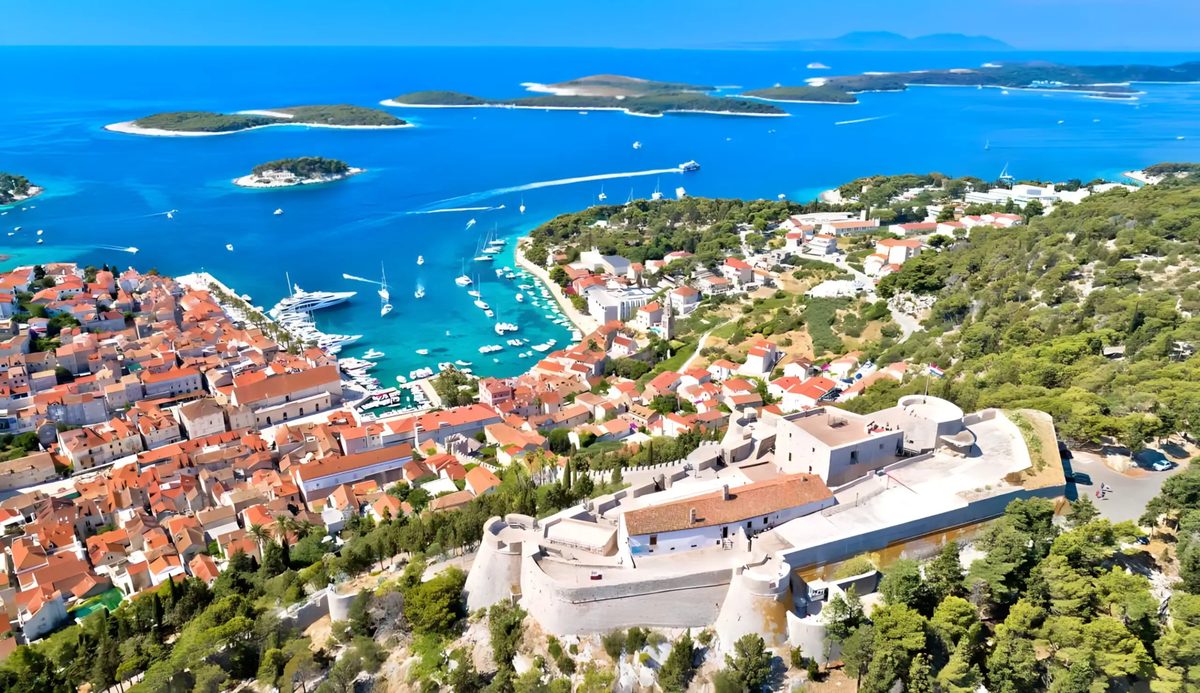
Hvar’ın çekiciliği sadece suyun renginden kaynaklanmıyor. Ada, Adriyatik’in en gösterişli yuvalarından biri. Lüks yatlar, şık butik oteller ve gece 04:00’e kadar devam eden partilerle tanınıyor. Genç gezginler ve ünlüler için bir manyetik alan gibi. Ancak bu gürültünün hemen yanında, taş evlerin sıralandığı dar sokaklar ve görkemli bir kale duruyor. Tarihi merkez, ziyaretçiyi kendine çekiyor. Çevresindeki koylar ve plajlar ise güneşlenmek veya deniz sporları yapmak isteyenler için biçilmiş kaftan.
Hvar’ı bu kadar popüler kılan ne?
Burası sıradan bir tatil adası değil. Adriyatik’in en şık duraklarından. Lüks yatların yanaştığı iskeleler, butik mağazalar ve hareketli gece hayatı ile öne çıkıyor.
Doğal güzellikleri de göz ardı edilemez. Lavanta tarlaları, zeytin ağaçları ve çam ormanları adanın her köşesini kaplıyor. Deniz o kadar berrak ki, kristal gibi. Doğa severler için de ideal bir nokta.
Tarihi doku, Hvar Kasabası’nda hayat buluyor. Dar sokaklarda kaybolmak, Venedik mimarisinin izlerini taş evlerde görmek ve yerel lezzetleri tatmak için mükemmel bir ortam.
Gece hayatı, özellikle yaz aylarında doruk noktasına ulaşıyor. Sayısız bar, kulüp ve restoran, geceyi doyasıya yaşamak isteyenleri bekliyor. Sadece oturup içmek değil, dans etmek, müzik dinlemek, sosyal olmak için burası.
Aktiviteler çeşitliliği de yüksek. Dalış, şnorkelle yüzme, yelken, tenis ve bisiklet gibi sporları yapabilirsiniz. Su sporları tutkunları için dalış, şnorkelle yüzme, yelken ve su kayağı seçenekleri mevcut.
Hvar’da mutlaka yapılması gerekenler
Hvar Kasabası’nı keşfetmek, günün en önemli kısmı. Dar sokaklarda yürümek, tarihi yapıları görmek ve yerel lezzetleri tatmak için ideal.
Pakleni Adaları’na tekne turu, unutulmaz bir deneyim. Hvar’a yakın mesafede bulunan bu adalar, gizli koyları ve plajlarıyla tekne turu için harika bir seçenek.
Lavanta tarlalarında fotoğraf çektirmek, adanın simgesi haline geldi. Unutulmaz anılar biriktirmek için en iyi yerlerden biri.
Şarap tadımı, Hvar’ın bir başka yüzü. Yerel şarap imalathanelerini ziyaret ederek, adanın meşhur şaraplarını tadabilirsiniz.
Su sporları, adanın bir diğer cazibesi. Dalış, şnorkelle yüzme, yelken ve su kayağı gibi aktivitelerle gününüzü hareketli geçirebilirsiniz.
6. Neum
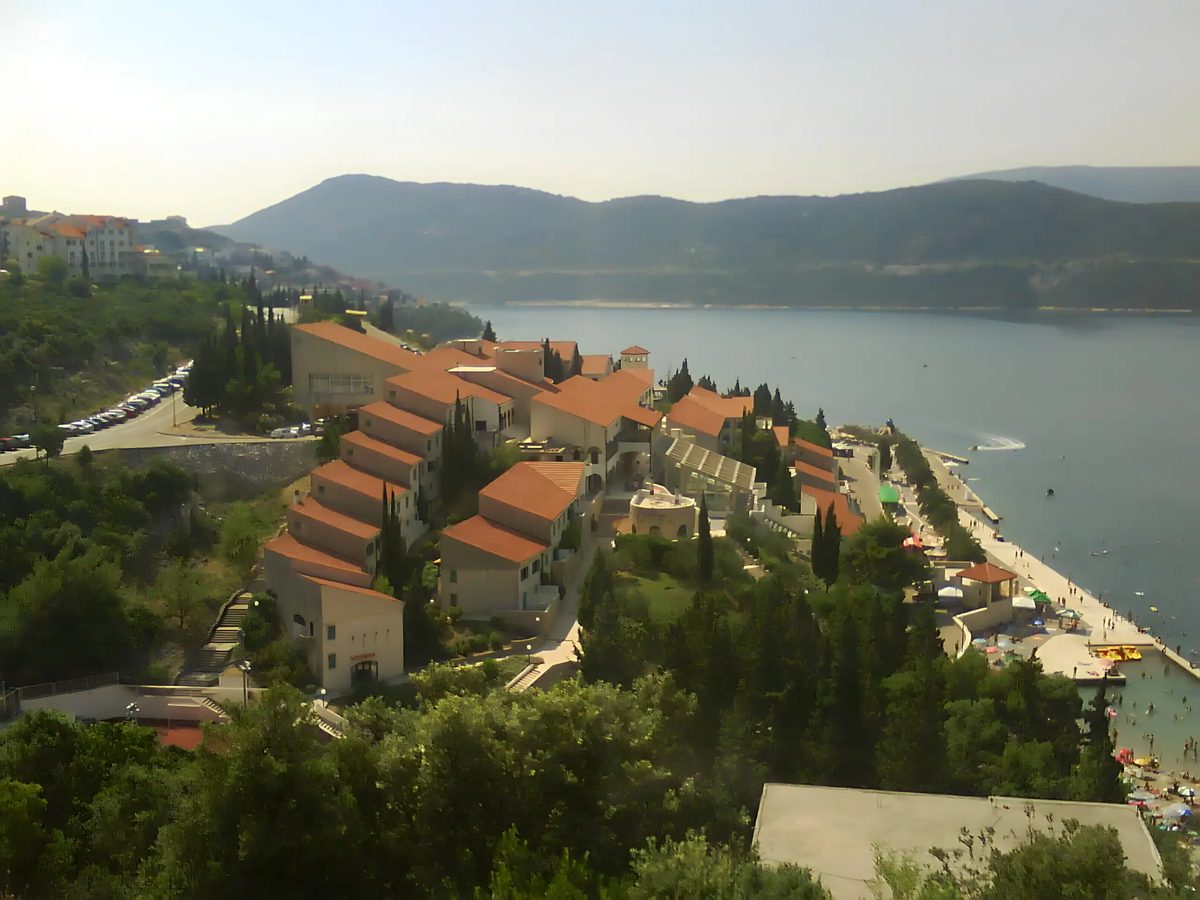
Adriyatik’in En Ucuz Deniz Kıyısı: Neum
Balkanlar’da denize girmek istiyorsanız ama Hırvatistan’ın yüksek fiyatlarını karşılamayı düşünmüyorsanız, listenizin üstüne Neum’u koyun. Bosna-Hersek’in Adriyatik Denizi’ne açılan tek deniz şehri olan bu yer, haritada küçük bir nokta gibi görünüyor ama suyu o kadar berrak ki, Hırvatistan’daki kalabalık plajların bir kısmını arkanızda bırakma cesaretini verir. Neum, Hırvatistan’ın iki tarafında sıkışmış, sınırlı bir bölge. Bu coğrafi durum, şehri hem stratejik hem de turistik açıdan ilgi çekici kılıyor.
Kalabalıktan kaçmak istiyorsanız, Neum tam da size göre. Şezlong kiralama ücretleri ve restoran fiyatları, komşu ülkedeki karşılıklarına göre çok daha makul. Burada “premium” tatil aramak yerine, temiz su, basit konfor ve sessizlik arıyorsanız, bütçeniz rahat eder.
Neum’da Neler Yapılır ve Ne Beklenmeli?
Neum’a giden birinin aklındaki ilk soru genellikle suyun kalitesi ve plajların durumu oluyor. Adriyatik’in bu köşesinde su, şeffaf ve serin. Uzun kumsal şeritleri, özellikle yaz ortasında kalabalıktan şikayet etmeyenler için ideal. Şezlong kiralayıp gün boyu yatmak, buranın standart ritmi.
Deniz, sadece yüzme için değil; dalış için de iyi bir zemin. Adriyatik’in zengin deniz yaşamı, Neum sularında da kendini gösteriyor. Eğer dalış lisansınız varsa, yerel turlarla batıkları ve kayalıkları keşfetmek mümkün. Tekne turları ise kıyıdaki küçük koylara ve adalara açılmak için pratik bir seçenek. Bu turlar genellikle sabah erken başlar, öğleden önce geri döner.
“Neum, Hırvatistan’ın gürültüsünden uzak, sınırları dar ama denizi geniş bir sığınaktır.”
Tarihi dokuyu tamamen göz ardı etmeyin. Şehrin sembolü Kraljica Jelena Kalesi (Queen Jelena Fortress). Bu kale, 19. yüzyıldan kalma bir yapı ve günümüzde bir otel olarak kullanılıyor. Harabeler arasında dolaşmak, şehrin geçmişine dair bir fikir veriyor. Çevredeki küçük kiliseler de kısa gezintiler için uygun.
Doğa severler için Neum’un çevresi, dağlar ve ormanlarla çevrili. Ravno Gölü, şehir merkezinden kısa bir mesafede, huzurlu bir kaçış noktası. Bisiklet veya yürüyüş için patikalar mevcut. Yazın sıcak saatlerinde dağlık alanlara tırmanmak, denizin tuzluluğundan arınmak için iyi bir fikir.
Yemek konusunda yerel mutfağı deney
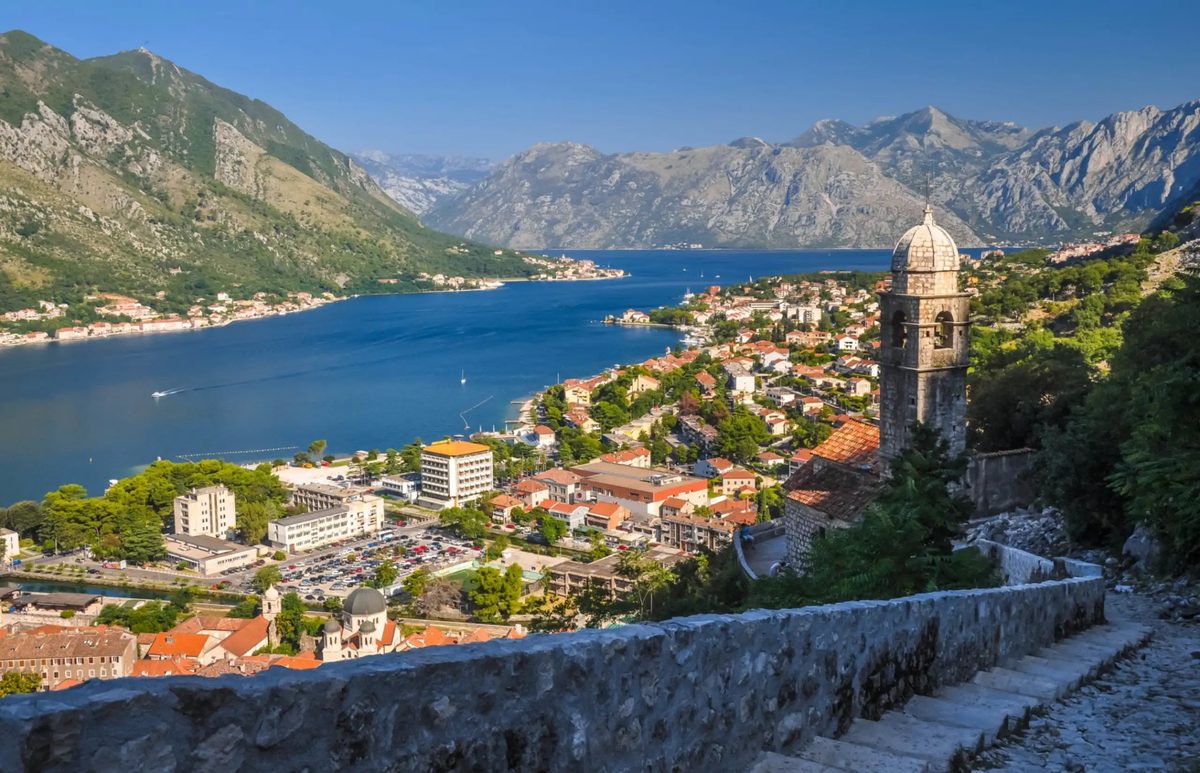
How to see the Bay of Kotor without getting lost in the crowds
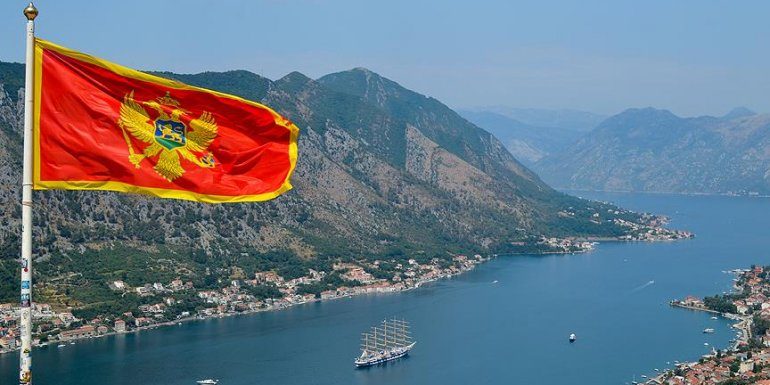
The Bay of Kotor isn’t just a pretty postcard. It is a UNESCO World Heritage site, a fjord-like inlet in southwest Montenegro, and a place where the water is so clear you can see the bottom from a boat deck. If you are looking for a way to escape the noise of typical Mediterranean summer, this is it. The cliffs rise steeply. The towns are old. The vibe is slower.
You do not need a guide to understand why this spot works. You just need to walk.
Why the Bay of Kotor deserves a spot on your itinerary
Most travelers skip Montenegro for Croatia or Greece. That is a mistake. The bay offers a mix of natural and cultural heritage that is rare.
- St. Tryphon Cathedral in Kotor Old Town. It sits right in the center. The interior is simple but the location is dramatic.
- The City Walls. You can walk the entire perimeter. It takes a few hours. The view from the top looks down on the entire valley.
- Our Lady of the Rocks. Located off Perast, this small island has a church built on top of rocks in the sea. It is a pilgrimage site. You reach it by boat. The ride is short but the history is deep.
- Tivat Marina. This is the modern side. Yachts line the docks. It is not rustic. It is sleek. You can see how the region handles luxury tourism alongside its ancient roots.
The water is crystal clear. That is not marketing fluff. It is a fact. Snorkeling is easy here because visibility is high.
Which towns should you prioritize?
You have three main stops. Kotor, Perast, and Tivat. Each does something different.
Kotor is the heart. It is the most famous. It is also the most crowded if you go during peak season. Stick to the narrow streets. Avoid the main tourist traps selling cheap souvenirs if you want to feel the real town. The stone houses and churches feel like a time machine.
Perast is quieter. It is a small fishing village. The main draw is the island of Our Lady of the Rocks. If you only have time for one boat ride, make it this one. The scenery is unique. You will not find this kind of geological formation anywhere else in the Adriatic.
Tivat is different. It is modern. The marina is full of large yachts. It is a good place to watch the sunset from a deck if you prefer comfort over history.
How to take a boat tour of the Bay of Kotor
You do not need to charter a private yacht. There are regular boat tours that operate daily from Kotor and Perast.
- Cost: Basic group tours usually range from €20 to €50 per person depending on the duration and what is included.
- Duration: Most tours last between three and five hours.
- What to expect: You will stop at hidden coves. You will get a chance to swim in the water. The water is cold in early summer and warm in late summer. Bring a towel.
- Swimming stops: The water is clear. You can see fish and the rocky bottom. It is one of
Saranda: Arnavut Rivierası’nın en iyi saklanan sırrı
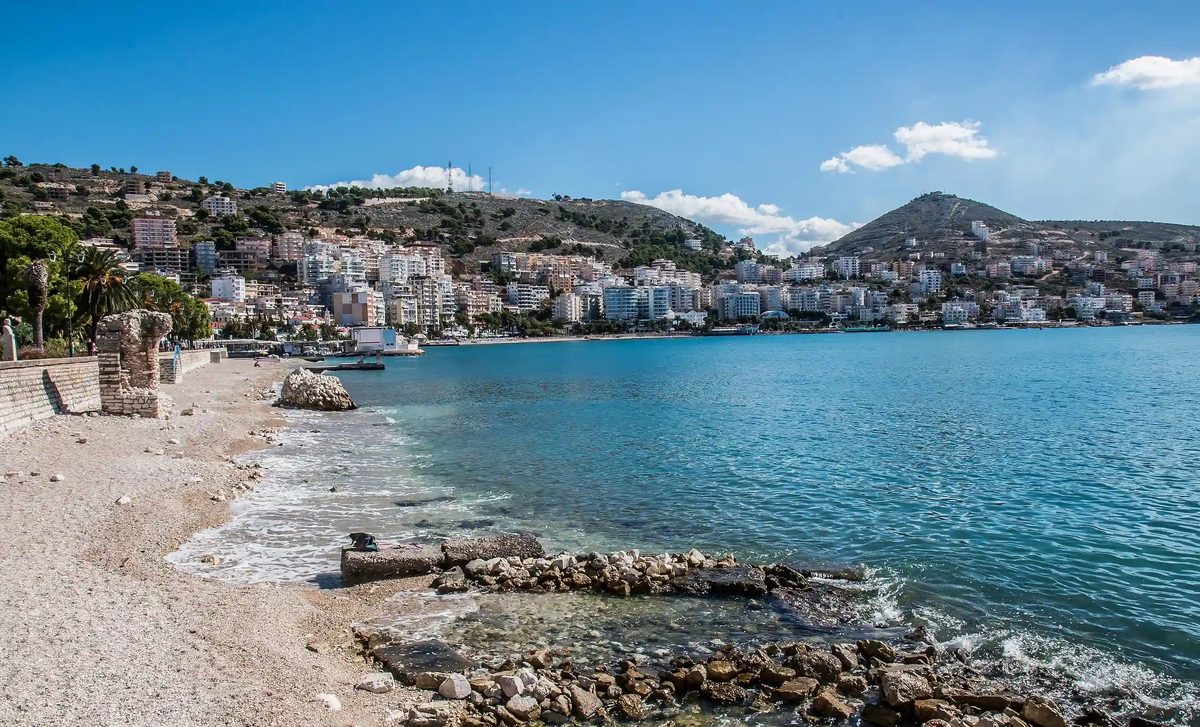
Saranda, Arnavut Rivierası denince akla gelen ilk yer. İyon Denizi kıyısında, güney Arnavutluk’un en hareketli ve renkli şehri. Peki, Saranda’da bir Balkan turu planlarken ne beklemelisiniz? Cevap basit: berrak su, altın kum, ucuz fiyatlar ve gece yarısı hâlâ açık barlar.
Burası, diğer Avrupa destinasyonlarıyla kıyaslandığında bütçenizi yormaz. Konaklama ve yeme içme için ödediğiniz parayla Yunan adalarında ya da İtalya kıyılarında alacağınız hizmetin çok daha fazlasını alırsınız. Bu, Saranda’yı özellikle bütçe odaklı gezginler için cazip kılar.
Butrint: UNESCO listesindeki antik hazine
Şehrin asıl yıldızı, Butrint Antik Kenti. Burası sadece bir arkeolojik sit alanı değil, aynı zamanda bir UNESCO Dünya Mirası. Makedonya ve Yunanistan sınırına yakın olan bu bölge, tarihin katmanlarını görsel olarak hissedebileceğiniz nadir yerlerden.
Butrint, tarih boyunca birçok medeniyete ev sahipliği yapmış, bu yüzden kalıntılar arasında yürürken binlerce yıllık bir hikâyenin parçası oluyorsunuz.
Amfitiyatro, tapınak temelleri ve çevresindeki doğal bitki örtüsü, bölgeye mistik bir hava katıyor. Antik çağdan kalma yapılar, günümüzde korunmuş halde ve ziyaretçilere açık. Eğer antik tarihe ilginiz varsa, Saranda’ya gittiğinizde buraya gitmemek büyük bir eksiklik olur.
Ksamil Adaları: Kristal berraklığında bir gün
Saranda’dan tekneyle kısa bir sürede ulaşılan Ksamil Adaları, bu bölgenin en fotojenik noktası. Su, o kadar berrak ki, plajın altındaki kumu metrelerce uzaktan görebilirsiniz. Beyaz kum ve turkuaz su kombinasyonu, tam bir Akdeniz kartpostalı.
Tekne turu, genellikle sabah erken saatlerde başlar. Günü burada geçirmek, su sporları denemek ve yerel restoranlarda taze deniz ürünleri yemek için idealdir. Dalış, şnorkelle yüzmek ya da sadece güneşlenmek… Seçim sizin. Su sporları için jet ski gibi seçenekler de mevcut, ancak Ksamil’in asıl cazibesi o sakin, berrak suda yüzmek.
Gece hayatı ve pratik detaylar
Saranda’nın gece hayatı, yaz aylarında patlar. Sahil şeridi boyunca uzanan barlar, restoranlar ve kulüpler, geceyi geçirmek için sayısız seçenek sunar. Şehir, gece yarısından sonra bile canlı kalır. Bu, Arnavut Rivierası’nın diğer, daha sakin köylerine göre büyük bir fark
Why Korčula beats the crowds
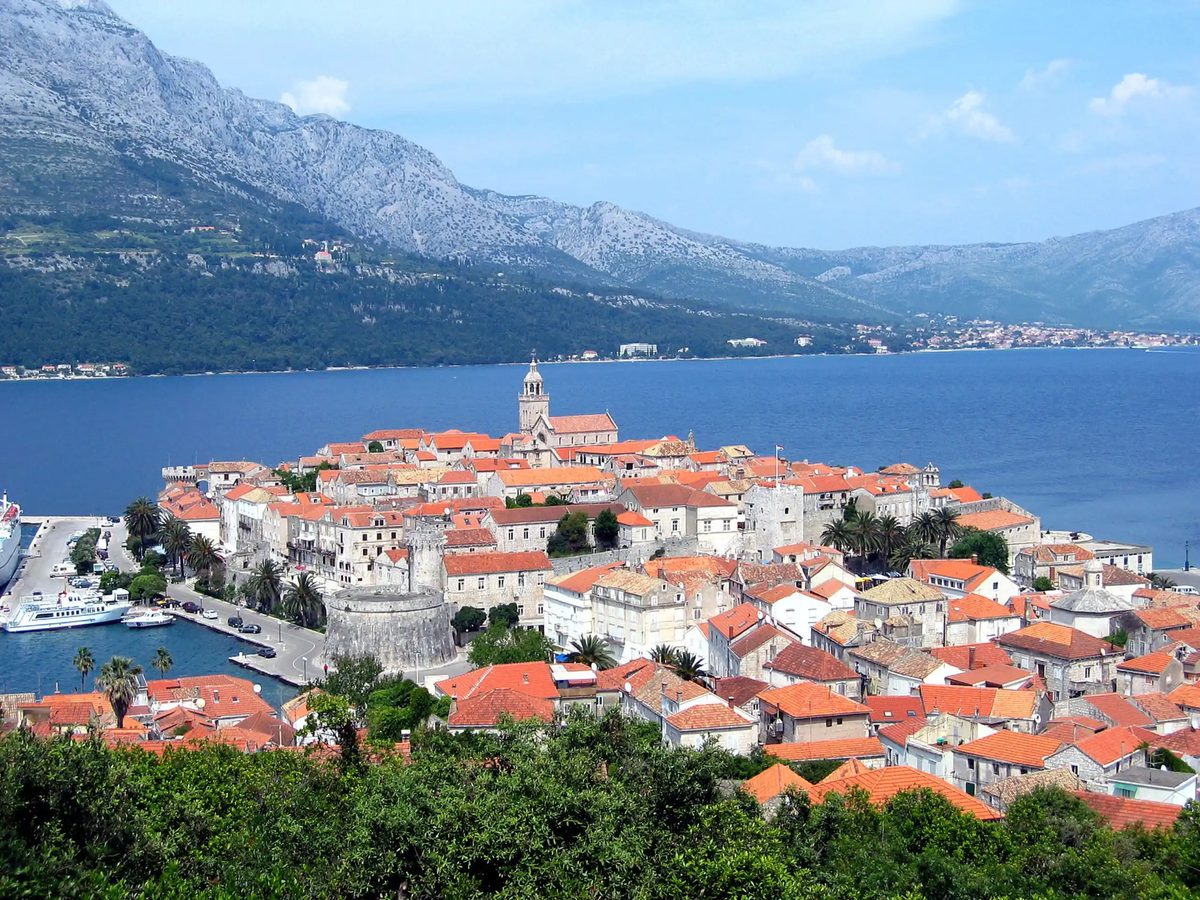
You know Dubrovnik is packed. You know Split gets loud. Korčula sits just off the Dalmatian coast and keeps its head down. That is exactly why you should go. It is the birthplace of Marco Polo, a fact that sticks to the town like salt on a wound. The narrow streets are paved, the stone houses are old, and the walls are high enough to make you feel like you stepped into a different century.
The air smells like pine trees and grilled fish. The water is that specific shade of blue you only see in the Adriatic. It is quiet. Not dead quiet, but calm. If you hate crowds, this is your escape. You can swim, dive, or just sit on a wall and watch the boats go by. The food is simple. Fresh catch, local olive oil, good wine. No frills. That is the point.
What to actually do on the island
Do not just walk through Korčula town. Lose yourself in the maze of narrow streets. Find the Marco Polo House. It is not a museum with a plaque. It is a house. Walk the city walls. The view is worth the walk.
Take a boat to Badija Island. It is small. It has a Benedictine monastery and untouched beaches. You will need a boat tour because you cannot get there by car. It is worth the trip. The silence out there is different from the silence on the main island.
Go to Vela Luka. It is a fishing village, but it is also a wine hub. You will see vineyards on the hills. You will smell the grapes. Talk to the locals. They know more about their wine than any guidebook.
Wine tasting without the pretension
Korčula makes wine. It is not a tourist trap. The local wineries are family-run. You can visit them. You can taste the wine. You can buy a bottle. It is cheaper than in the big cities. The Vrdac grape is local. It is not Pinot Noir. It is not Cabernet. It is Korčula. Drink it.
Water sports and the deep blue
The sea around the island is clear. You can see the bottom from the shore. Snorkel in the coves. There are spots where the water is shallow and warm. Diving is popular here. The reefs are interesting if you like marine life. If you are not a diver, take a sailing lesson. The winds are steady. You do not need to be an expert to enjoy it.
Logistics and costs
Getting there is easy. You can fly to Dubrovnik and take a bus. It takes about an hour. You can also take a ferry from Split. It is slower but cheaper. Rent a car if you plan to drive around the island. The roads are narrow but scenic. Parking in the town center is limited. Book a hotel early if you are going in July or August. Prices are reasonable compared to Dubrovnik. A room with a sea view will cost more than one facing the street. Eat at local taverns, not the restaurants on the main square. The food is better and the prices are lower.
Where to stay and when to go
Spring and early autumn are the best times to visit. The weather is warm but the crowds are
Why Tassos beats the crowded Greek islands for a quiet, affordable escape
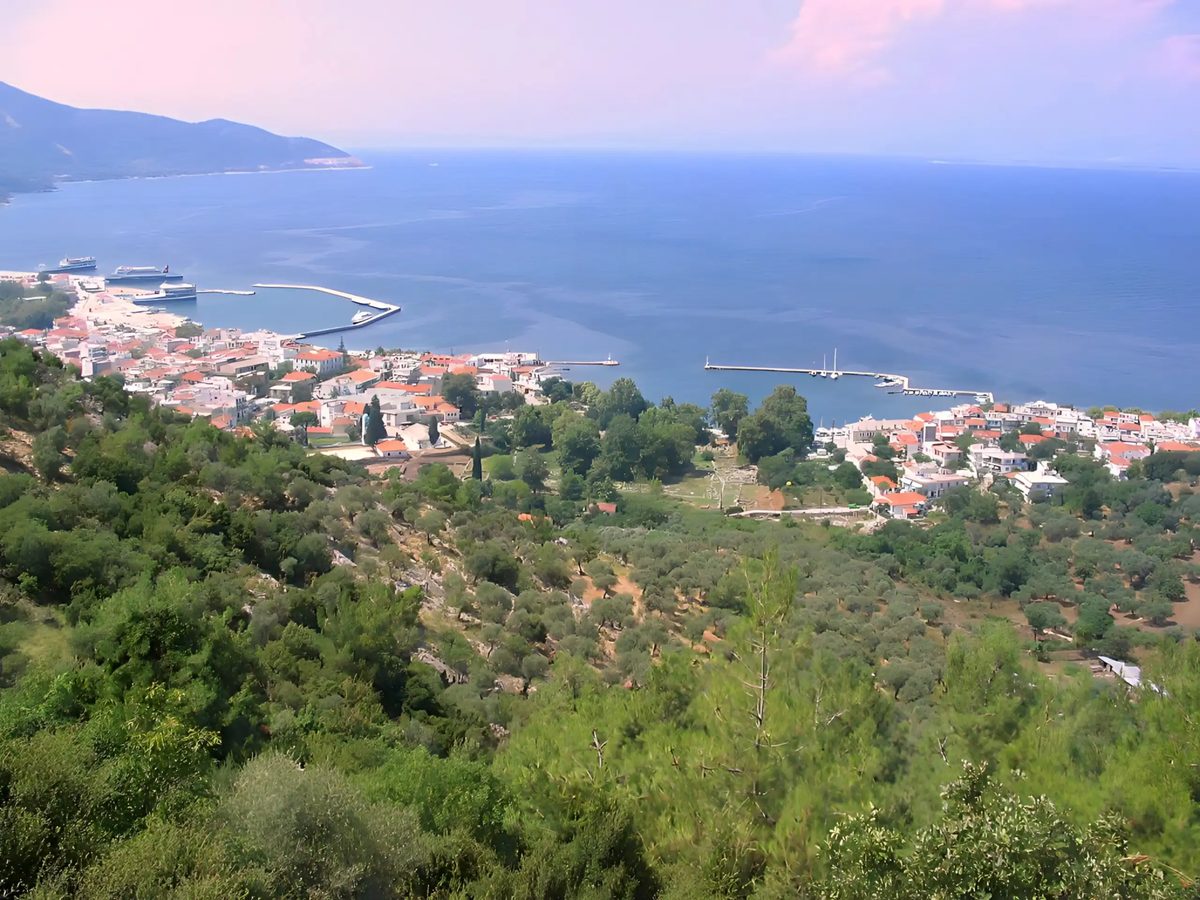
Tassos sits in the northern Aegean, close enough to Turkey that the logistics feel easy. The water is clear. The sand is gold. The forests stay green even when everything else dries out. You don’t go there for a nightlife circuit. You go because the island keeps its noise level down.
The price tag is lower than the neighboring hotspots. Accommodation costs less. Food prices are friendlier. That makes it a practical choice if you want genuine Greek island vibes without the premium price tag.
Where to stay and what to do in Limenas
Limenas is the biggest town on the island. It has a pulse. Restaurants serve fresh seafood. Shops line the streets. Evenings get lively without turning chaotic.
If you want a base that feels connected but not overwhelming, stay here. You get access to services and food without driving far.
Golden Beach for families and shallow water
Golden Beach is the most famous shoreline. The sand is soft and golden. The water stays shallow for a long stretch. Children can wade without fear.
It’s not the most secluded spot. It’s the most accessible. If you’re traveling with kids, this is where you start.
Diving at Makriamos to see real marine life
Makriamos Beach is different. The underwater ecosystem is dense. Divers see fish and coral structures that look untouched. The surface is calm, which makes entry easy.
You need a dive certification or a guided session. The visibility is good. The marine life is the draw here, not the beach furniture.
Aliki for history and traditional architecture
Aliki is a village, not a resort. It has an ancient port. The buildings show traditional Greek construction. You can walk the streets without hitting a souvenir shop every ten meters.
This is where you feel the island’s past. The architecture isn’t renovated for tourists. It’s lived-in.
Mountain biking routes through the green interior
The island has trails. The terrain is hilly. The forests provide shade. If you ride, bring your own gear or rent locally. The paths wind through pine and maquis.
It’s not a race circuit. It’s a way to see the island’s interior without a car. The views are worth the effort.
The island doesn’t try to impress you with scale. It wins on clarity. The water, the quiet, the cost. You leave with sunburn and a sense that you actually rested.
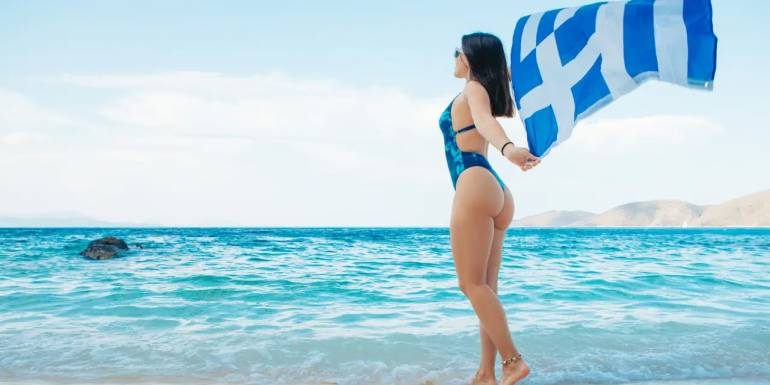
Why Crete’s beaches still beat the crowds in September
Most guides tell you to visit Greece in August. You should probably listen, then ignore them. The heat index in Heraklion climbs past 40°C, the sea turns warm enough to skip a towel, and the ferry queues stretch back into the parking lot. September changes the math. The water stays around 26°C, the air drops to a manageable 29°C, and the midday sun loses that aggressive sting. If you are looking for specific beach destinations in Crete that balance access, quality, and value, the southern coast wins.
Malia gets a bad reputation. It is loud. It is commercial. But walk ten minutes past the main strip toward the south, and the vibe shifts. The sand here is fine, white, and mixed with small pebbles. You can rent a sunbed for around 15-20 euros for the day, which includes a towel and a table. It is not cheap, but it is predictable. The beach stretches for kilometers, so you can always find a quiet patch. The water is calm because the bay is protected. For families with small children, this is one of the safest spots on the island. The shallows extend far out, making it easy to wade.
Where to go if you want clear water and fewer tourists
Head west. Agia Pelagia sits between two larger towns. The water here is remarkably clear, even in late summer. The beach is smaller than Malia, which means it fills up by 11 AM. Go early. The sand is light-colored and soft. There are fewer bars directly on the sand here, so you will walk a bit to get a drink. That trade-off buys you quiet. The sea bed slopes gently, so there are no sudden drop-offs.
Chersonas offers something different. It is a long, narrow strip of beach connected to the mainland by a sandy neck. The water is shallow for a long way in, making it ideal for swimming without getting wet. The sand is coarse. It feels like walking on gravel, which some people love and others hate. The main draw is the atmosphere. It feels more local, less packaged. You will see more Cretan families than backpackers. The coffee costs less. The vibe is slower.
How to get to the best beaches without renting a car
You do not need a car for the main destinations. Buses run from Heraklion to Malia, Agia Pelagia, and Chersonas frequently. The journey takes 45 to 60 minutes depending on the stop. Tickets cost roughly 3-5 euros. Buy them from the bus driver or at the station. Keep cash. Some drivers do not take cards.
If you are staying in Heraklion, the public transport is reliable enough. The buses run every 30 minutes during peak hours. Miss one, wait half an hour, take the next. No stress. For Agia Katerina, which is further west, the bus ride is longer, around 90 minutes. The beach there is more secluded. It has a rocky edge that provides natural shade. The water is deeper sooner, so it is better for strong swimmers.
Which beaches have the best facilities for families
Malia and **Ag