Ekotourism isn’t just a buzzword. It’s a framework. One that ties conservation, local welfare, and sustainable travel together. When you practice it, environmental, economic, and social sustainability take center stage. You aren’t just passing through. You’re participating.
The core principles are strict. First, environmental sensitivity. Activities are designed to minimize harm to the natural world. Second, local participation. Communities aren’t just spectators. They are involved in planning and execution. They benefit economically and socially. Third, respect for cultural values. The goal is preservation. Not just observation. Fourth, education and awareness. Travelers gain knowledge. They build environmental consciousness.
What does this look like on the ground?
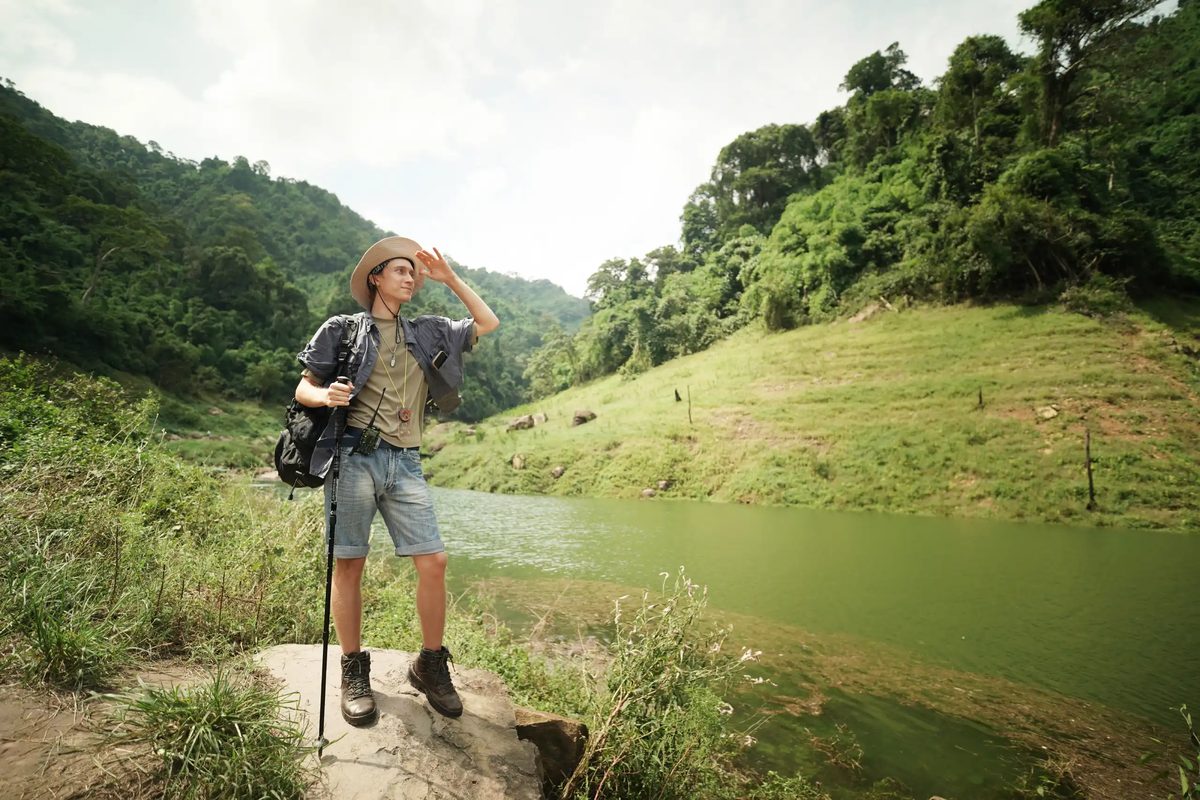
It’s hiking through untouched valleys. Cycling along quiet coastlines. Bird watching at dawn. Camping under stars far from city lights. Kana and rafting in rushing rivers. Caving into unknown depths. And interacting with locals. Not as tourists. As guests.
Turkey offers a rich landscape for this type of travel. Its diverse regions hold numerous natural areas and cultural values suitable for eco-tourism. The question isn’t whether you can find it. It’s where to start.
Here are some of the most compelling eco-tourism routes to consider for your next trip.
The Wild West: Kaçkar Mountains
If you want rugged terrain, look west to the Kaçkar Mountains. This isn’t a casual walk. It’s serious trekking. The landscape is dramatic. Sharp peaks. Glacial lakes. Verdant meadows.
Why go here?
The biodiversity is staggering. You’ll find endemic plant species. Rare bird populations. The infrastructure supports low-impact tourism. Homestays are common. You eat local food. You stay in family-run guesthouses. Your money stays in the village.
Logistics:
Best visited between June and September. The trails can be muddy. Waterproof gear is non-negotiable. Guide services are available but not always necessary for experienced hikers. However, hiring a local guide supports the community directly.
Cost:
Moderate. Accommodation is affordable. Food costs are low. Gear rentals can add up if you don’t have your own.
The Green Heart: Sakarya Nature Park
Need something closer to Istanbul but still wild? Sakarya Nature Park fits. It’s dense forest. Thick canopy. Cool air.
What to do:
Cycling is huge here. The trails are well-marked. You can rent bikes in nearby towns. Bird watching is excellent in spring. The park is a sanctuary for many avian species.
Who is it for?
Families. Weekend warriors. People who want nature without the weeks-long commitment. It’s accessible. You can do a day trip. Or stay overnight in one of the designated camping areas.
Practical tip:
Check weather forecasts closely. Sudden rain is common in forested areas.
The Coastal Edge: Western Black Sea
The Black Sea coast is often overlooked by international tourists. But it’s a goldmine for eco-tourists. Lush vegetation. Steep cliffs. Ancient forests.
Key activities:
Hiking along the coastal trails. Visiting local tea plantations. Learning about the unique culture of the region. The food is
Kaçkar Mountains: The Alpine Backbone of the Black Sea
Kaçkar Dağları Milli Parkı isn’t just a destination; it’s a statement. Established in 1994, this massive 390,341-hectare expanse in Turkey’s Black Sea region is where the coast meets the clouds. You aren’t coming here for a lazy beach day. You are coming for the alpine drama. Glacial lakes. Jagged peaks. Forests that drop away into mist. It is arguably the most rugged part of the Turkish landscape.
If you are looking for Kaçkar Dağları Milli Parkı hiking routes, you have options that range from “stroll in the meadows” to “technical mountaineering.” The park is an ecotourism powerhouse. Hiking. Camping. Rock climbing. Even winter sports. And rafting.
The Big Hikes
Don’t expect paved paths. You are walking on dirt, rock, and sometimes mud. The most famous trails demand respect.
- Ayder Yaylası to Gelintülü Şelalesi: This is a crowd-pleaser but still strenuous. You pass through lush meadows before hitting the thundering cascade.
- Ayder Yaylası to Huser Yaylası: This connects two major highland pastures. It’s long. It’s exposed. The views are endless.
- Zilkale: This isn’t a hike to a view. It’s a hike to a ruin. The medieval castle sits on a peak, accessible only by trail. The climb is steep. The history is real.
Where to Pitch Your Tent
You don’t need a luxury resort here. You need a flat spot and a good weather window.
- Ayder Yaylası: It’s developed. There are guesthouses if you want hot showers after a hard day. It’s also the best base for starting hikes.
- Huser Yaylası: More remote. Quieter. Better for true isolation.
- Pokut Yaylası: A solid middle ground. Good access, good scenery.
Beyond Walking
If your legs need a break from the incline, the mountains offer other ways to engage with the terrain.
- Climbing: Kaçkar Dağı (3,937 m) is the main event. It’s a serious climb. Not for beginners. Sümela Manastırı is nearby, but that’s more about the approach than the rock face itself. Ayder offers smaller, technical routes for local climbers.
- Skiing: Yes, in the Black Sea region. Ayder, Huser, and Pokut have pistes. The snow can be heavy and wet. Pack accordingly.
- Rafting: The water here is fast. Fırtına Deresi is the classic spot. Çoruh Nehri and Artvin Çayı provide more extended, river-long adventures. The rapids are genuine.
Yedigöller: Seven Lakes, One Quiet Escape
Move west from the Kaçkars, and the landscape softens. Yedigöller Milli Parkı in the Black Sea region feels like a different planet. Established in 1965, this 1,655-hectare pocket is all about water and forests. Seven lakes. Waterfalls. Dense pine canopies.
It’s quieter than Kaçkar. You aren’t here for adrenaline. You’re here for perspective.
Hiking the Lakes
The trails here are well-marked compared to the wilder north. You can walk around the lakes or hike between them.
- Büyükgöl Tabiat Parkuru: The large lake. The trail circles it and climbs slightly for a vantage point.
- Küçükgöl Tabiat Parkuru: Smaller. More intimate. The water is often clearer.
- Seringöl Tabiat Parkuru: A bit further out. Requires a longer walk to reach. The isolation is worth the effort.
Camping and Photography
You can camp right by the water. Büyükgöl, Küçükgöl, and Seringöl all have designated spots. It’s simple. Basic. Perfect.
For photographers, the light here is tricky but rewarding.
- Deringöl and Balık Gölü are less visited than the main three. The silence is louder there.
- Misty mornings are the golden hour. The lakes reflect the surrounding peaks and forests in a way that feels staged, but it’s not. It’s just geography.
Bird Watching
The lakes are a sanctuary. Büyükgöl, Küçükgöl, Seringöl, Deringöl, and Balık Gölü attract a variety of species. Bring binoculars. The waterfowl are easy to spot. The raptors are harder. If you wait long enough, you’ll see them.
Kazdağları: The Northern Aegean Wild
Shift focus to the Marmara Region. **Kazda
Beyond the Rocks: Cycling, Canyons, and High-Altitude Adventures
You’ve seen the balloons. You’ve walked the valleys. But Kapadokya’s true magic isn’t in the air—it’s in the dust. If you’re looking to trade your hotel room for a rental bike or a pair of hiking boots, the region rewards the effort.
The hiking trails here aren’t just scenic; they are geological time capsules. Ihlara Valley is the crown jewel. It’s a long, narrow canyon carved by the Melendiz River, lined with over a hundred rock-cut churches. The climb back out is steep, but the shade from the pine trees makes it bearable. For something more intimate, Güvercinlik Valley offers a quieter path. The name means “Pigeon Valley,” and the air here is filled with the cooing of thousands of birds nesting in the soft tuff rock. If you want solitude, head to Zemi Valley. It’s less traveled, rugged, and gives you that feeling of being the only person on Earth.
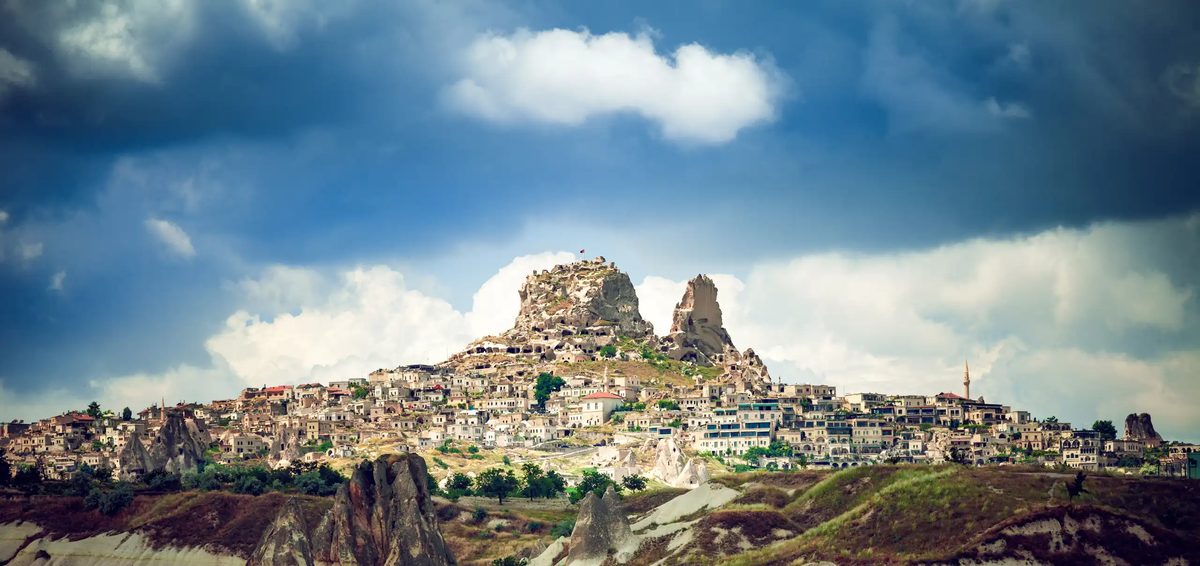
Cycling here requires a different mindset. The terrain is undulating, rocky in places, and demanding. Don’t expect smooth pavement. The route from Ürgüp to Göreme is a classic. It winds through vineyards and past fairy chimneys, offering constant visual rewards. The Göreme to Uçhisar loop takes you past the highest point in the region, Uçhisar Castle, a massive volcanic rock fortress. It’s a short but intense climb. Meanwhile, the Avanos to Zelve route is flatter but scenic, passing through the heart of the pottery-making district before dropping into the Zelve Open-Air Museum.
ATVs add a layer of adrenaline. The Ürgüp to Göreme track lets you kick up dust and see the landscape from a driver’s seat. The Göreme to Uçhisar ride is more technical, navigating steep inclines and rocky outcrops. The Avanos to Zelve ATV tour is a favorite for beginners, offering a gentle introduction to the off-road terrain without too much risk of getting stuck.
Horseback riding connects you to the region’s pastoral history. The trails in Ihlara Valley and Güvercinlik Valley are well-trodden. The rhythm of the horse’s gait slows down your breathing. You notice things you’d miss in a car—the texture of the rock, the smell of wild thyme, the way the light hits the canyon walls at dusk. Zemi Valley offers a more rugged ride, perfect for those who want to feel the terrain under their feet.
Island Life and Wine Trails
Bozcaada isn’t just a destination; it’s a mood. Located in the Çanakkale Strait, this island is a masterclass in slow travel. UNESCO recognition helps, but the real draw is the pace. You come here to drink wine, eat fresh fish, and walk.
Cycling around Bozcaada is the best way to see it. The roads are quiet, flanked by vineyards and olive groves. The Wine Vineyards Route takes you past the cellars of local wineries like Salur and Kavaklıdere. It’s a sweet loop, literally and figuratively. The Historic Sites Route connects the island’s forts and old houses, offering glimpses into its Ottoman and Greek past. The Beach Route is less about sightseeing and more about stopping whenever you see water.
Walking is equally rewarding. The path from Ayazma Beach to Sulubahçe Village is a coastal trail. The sea is always with you. The walk from Bozcaada Castle to Habbele Beach offers panoramic views of the strait. It’s steep in parts, but the history at the castle makes the sweat worth it. The Lighthouse to Polente Lighthouse hike is a bit longer, winding through the island’s interior before emerging at the coast.
For water lovers, Bozcaada is a snorkeler’s dream. Ayazma Beach has clear, shallow waters. Habbele Beach is quieter, with rocky outcrops perfect for spotting sea life. Sulubahçe Beach is serene, with fine sand and calm waves. If you’re into diving, Akvaryum Koyu (Aquarium Cove) is a must. The underwater topography is fascinating, with caves and arches. The Shipwreck dive site
8. Cunda Adası: Zeytinyağı ve Tarihi Sokaklar
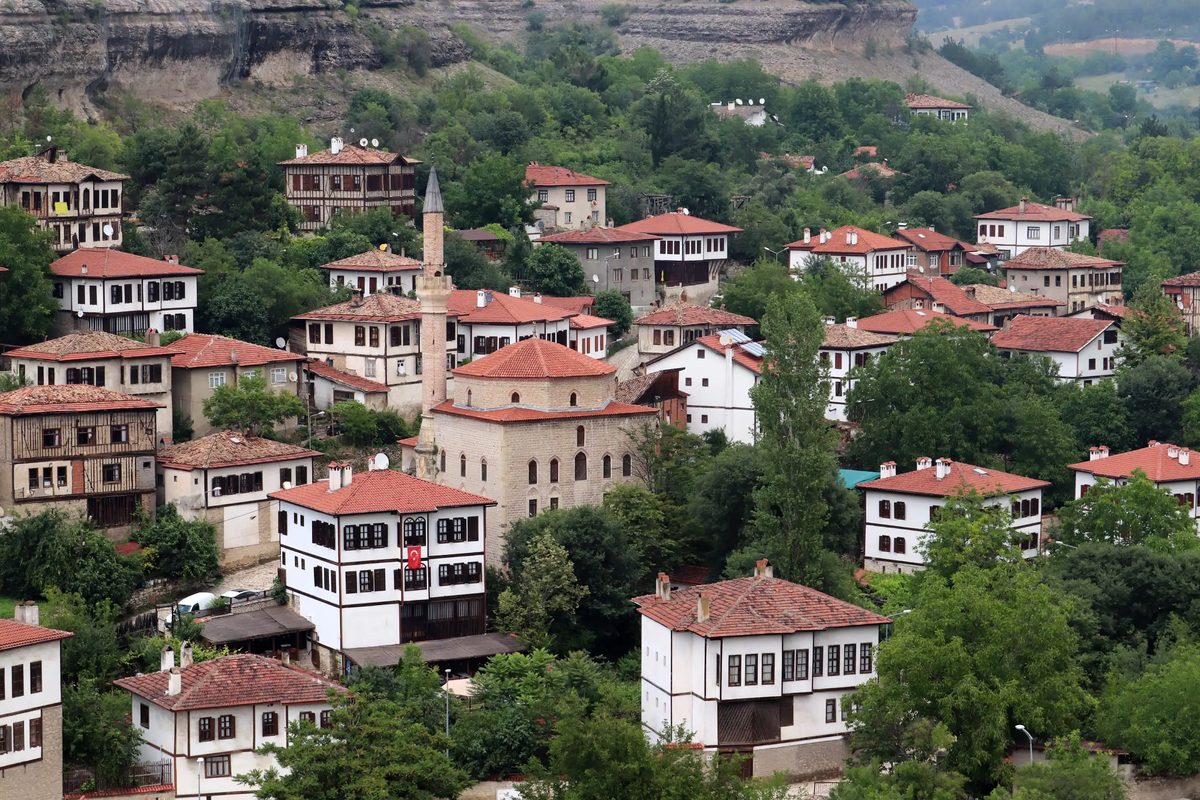
Aliağa’nın kıyısından küçük bir feribotla geçiyorsun. Rüzgar kokusu değişir. Tuzlu ve taze. Cunda Adası, Marmara’nın en eski Rum mahallelerinden biri. Buradaki evler tek katlı. Bazıları restore edilmiş, bazıları ise çürümeye terk edilmiş. Ama hepsi karakter sahibi. Dar sokaklar. Taş döşeli yol. Yürümek için tasarlanmış bir yer burası.
Eğer bisikletle gitmeyi tercih edersen, trafiği unutursun. Sahil şeridi boyunca pedal çevirebilirsin. Veya tepelere tırmanıp Şeytan Sofrası’na ulaşabilirsin. Manzara muhteşem. Ama dikkat et. Asfalt olmayan yollar var. Lastiklerin geniş olsun.
Nereye gitmeli?
Şeytan Sofrası’ndan gün batımını izle. Tepeköy’daki dar sokaklarda kaybol. Tarihi kent merkezinde zaman durmuş gibi. Burada yürüyüş yapmak tek seçenek. Araçlar girişte kalıyor veya izinli.
Ne yenmeli?
Zeytinyağı. Adanın adı bu yağla anılır. Salatalar buranın zeytinyağıyla yapılır. Çok farklı. Deniz ürünleri de şart. Gril balıklar. Taze.
Ve tabii ki şarap. Cunda şarapları yerel üretime dayalı. Tadına bak.
El yapımı sabunlar. Hediyelik eşit gibi görünür ama gerçekten kaliteli.
Doğa gözlemi:
Kıyılar. Tepeköy’ün zirvesi. Şeytan Sofrası.
Kuşları izlemek için erken saatler. Sabah 6 ile 9 arası.
Yerel ürünler:
Zeytinyağı.
Cunda şarapları.
El yapımı sabunlar.
9. Nemrut Dağı Milli Parkı
Geçiş yapman zor. Van’ın kuzeybatısına, Adıyaman sınırına… Yol uzun. Asfalt sona erdiğinde çamur başlar. Ama varış noktası buna değiyor. Nemrut Dağı. Krater gölü. Tepesindeki mezar.
Burada yürüyüş yapmak bir hobi değil, bir dayanıklılık testi. 2150 metre rakım. Havada oksijen az. Nefes nefese kalırsın. Ama tepeden görünüm…
Gökyüzü mavi. Krater suları yeşilimsi. Etrafı çam ormanları.
Bisiklet için uygun mu? Hayır. Yol yok. Yol denilen şey, tek geçişlik toz yolu. Bisikletini sırtında taşıyacaksın. Veya parkurda izin verilen araçlarla git.
En popüler yürüyüş rotaları:
– Krater Gölü Yürüyüşü
– Nemrut Krateri Kenarı Yürüyüşü
– Çamlık Yürüyüşü
**
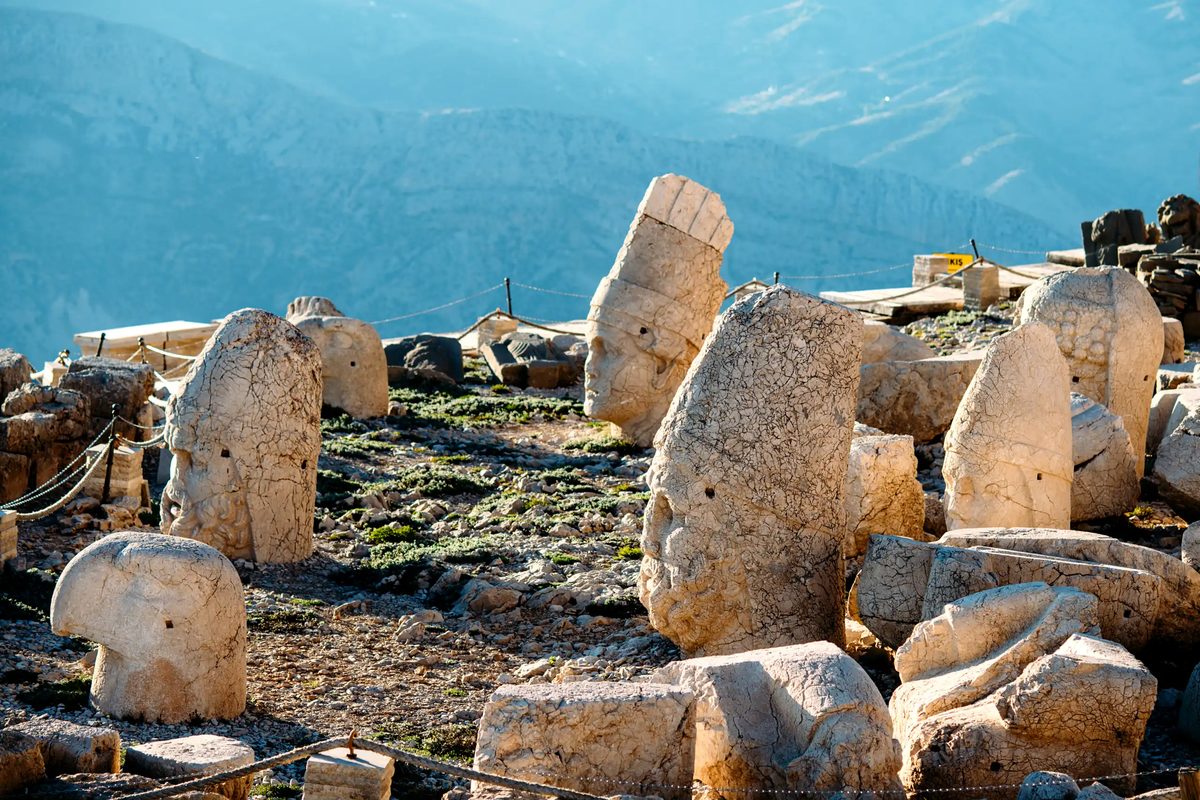
Nemrut Dağı: History at 2,150 Meters
Forget the beach clubs for a moment. Head to Adıyaman. The real show is Nemrut Dağı Milli Parkı, sitting in the remote hills of Kahta. It’s not just a park; it’s a graveyard of gods. Established in 1988, this UNESCO site sits on a mountain that feels like it’s scraping the bottom of space. The air gets thin. The silence gets loud.
You aren’t just hiking up a trail here. You are climbing into antiquity. The park covers the peak of Mount Nemrut and the ancient city of Arsemia nearby. The statues? Giant heads. Colossal limbs. Some weigh over six tons. They’ve been lying around for two millennia, weathered by wind and time.
The Climb
Most people try the Nemrut Dağı Zirve Yürüyüşü (Summit Hike). It’s steep. It’s exposed. Start early. The sunrise here is worth waking up at 4 AM for. The light hits the stone heads and turns them gold. The sunset is just as dramatic, but the temperature drops fast once the sun dips.
If you want to mix history with the climb, do the Arsemia Antik Kenti Yürüyüşü. It’s lower elevation. You see the ruins before you hit the summit. It grounds you.
How to Navigate the Terrain
You can cycle parts of this area, but don’t expect paved paths all the way up.
* Nemrut Dağı Milli Parkı Sahil Bisiklet Turu : Mostly flat, near the base. Good for a warm-up or a chill evening ride.
* Arsemia Antik Kenti Bisiklet Turu : Rugged. You’ll see the old city walls.
* Cendere Vadisi Bisiklet Turu : Follows the valley floor. Scenic, but rocky.
Where to Look
Don’t just look up. Look around.
* Nemrut Dağı Zirvesi : The summit. Obviously.
* Arsemia Antik Kenti : The ancient city ruins below.
* Cendere Vadisi : A gorge that cuts through the landscape. Great for spotting birds or just breathing.
Take Home
You can’t take the stones. But you can buy local goods in Kahta or back in Adıyaman town.
* Adıyaman kahvesi : Strong. Local roast.
* Besni üzümü : Grapes from the region. Sweet.
* Gerger yemenisi : A specific type of pasta or grain found only here. Try it.
Bafa Gölü: Water and Stones
Move west to the Aegean region. Bafa Gölü Milli Parkı in Söke, Aydın. Established in 1994, this place is quieter. Slower. It’s on the UNESCO tentative list for a reason—the ecosystem is fragile, the history dense.
The lake itself is a brackish body of water, separated from the sea by a spit of land. To the north, you see the ruins of ancient Latmos. To the south, the mountains rise. It’s stark. Beautiful in a desolate way.
Birding and Boating
This is a birdwatcher’s dream. The Bafa Gölü Kuş Cenneti is active year-round, but spring brings migrations.
* Kapıkırı Mevkii : A specific spot where the water meets the shore. Good for spotting herons.
* Gölmarmara Mevkii : Another key observation point.
You must take a boat tour. The only way to truly see the scale of the lake and the hidden coves. Rent a small boat or join a guided tour. The water is still. The reflection of the mountains is perfect.
Cycling and Walking
The roads around the lake are flat but dusty.
* Bafa Gölü Milli Parkı Sahil Bisiklet Turu : Follows the shoreline.
* Kapıkırı Mevkii Bisiklet Turu : Shorter loop.
* Gölmarmara Mevkii Bisiklet Turu : Connects the observation points.
Walking is better if you want to get close to the ruins.
* Bafa Gölü Milli Parkı Yürüyüş Parkuru : General circuit.
* Kapıkırı Mevkii Yürüyüş Parkuru : Near the bird sanctuary.
* Gölmarmara Mevkii Yürüyüş Parkuru : Through the reeds.
Local Flavors
The soil here is rich.
* Zeytinyağı : Olive oil from the surrounding groves.
* İncir : Figs. Dried or fresh.
* Bal : Honey. Beekeeping is huge here.
Abant Gölü: Pine Trees and Clean Air
North, past Ankara, into Bolu. Abant Gölü is a glacial lake surrounded by dense pine forests. It’s cool here. Even in summer. The air is crisp, clean. It’s an eco-tourism hub because it’s well-managed and accessible.
The lake itself is small but deep. The forests around it are old. The silence is different here—birdsong and wind in the pines.
Activities
You can hike, bike, boat, or ride horses.
* Abant Gölü Turu : Hike around the lake rim. Views of the water and forest.
* Gölcük Tabiat Parkı Yürüyüşü : A nearby nature park. Similar vibe, slightly different terrain.
Biking is popular on the fire roads.
* Abant Gölü Turu : Loop around the lake.
* Gölcük Tabiat Parkı Bisiklet Turu : Into the forest.
* Yedigöller Milli Parkı Bisiklet Turu : If you have a car, drive to Yedigöller (Seven Lakes) nearby. It’s a different park, but worth the trip for cycling.
Watch for Birds
- Abant Gölü Kuş Cenneti : The lake itself.
- Gölcük Tabiat Parkı : The forest edge.
Boats and Horses
Rent a rowboat. It’s peaceful. Or rent a horse. Riding along the tree line is a classic Bolu experience.
Camping
There are designated camping areas. Bring your own gear. It’s cold at night. Don’t underestimate the temperature drop.
Köprülü Kanyon: Adrenaline and Stone
South to Antalya. Köprülü Kanyon Milli Parkı is carved by the Köprüçayı River. Established in 1973, this is one of Turkey’s oldest national parks. The canyon is deep. The walls are high. The water is turquoise.
This is an adventure spot. If you want to relax, go elsewhere. If you want to paddle, hike, or explore caves, this is it.
Rafting
The Köprüçayı is one of the best rafting spots in Turkey. The rapids are exciting but manageable for beginners. Season is April to November. Book a guide. Don’t try this alone.
Trekking
The trails are rugged.
* Köprülü Kanyon Milli Parkı Turu : General hike.
* Tazı Kanyonu Yürüyüşü : A side canyon. Steeper.
* Güver Uçurumu Yürüyüşü : Near the eagle cliffs. Views down into the gorge.
Caves
Explore the underground.
* Altinbesik Mağarası : A large cave system.
* İnsuyu Mağarası : Another significant cave.
Camping
You can camp near the river. It’s loud—the water never stops roaring. It’s immersive.
Dilek Yarımadası: The Peninsula of Wishes
Back to the Aegean, near Kuşadası. Dilek Yarımadası Milli Parkı was established in 1966. It’s an old park. It covers the entire peninsula. You have beaches, mountains, and wetlands all in one place.
The flora is Mediterranean. Scrubland, pine, cypress. The fauna includes wild boar and deer.
Hiking
The terrain varies from flat coast to steep mountain.
* Dilek Yarımadası Milli Parkı Turu : Long hike. Coastal and inland mix.
* Büyük Menderes Deltası Yürüyüşü : Near the delta. Flat. Wet.
* Saklıkent Kanyonu Yürüyüşü : Wait, that’s inland. This might be a confusion in some guides, but sticking to the peninsula, the coastal trails are key.
Biking
- Dilek Yarımadası Milli Parkı Sahil Bisiklet Turu : Along the beach.
- Büyük Menderes Deltası Bisiklet Turu : Through the wetlands.
- Saklıkent Kanyonu Bisiklet Turu : Again, inland. Stick
Akyaka’daki sabahları kuş sesleri kaldırır. Azmak Nehri’nin sakin suları ile Akbük Koyu’nun turkuaz dalgaları arasında sıkışıp kalmak istersiniz. Burada kuş gözlemciliği sadece bir hobi değil, bir duruş biçimi. Teleskobunuzu hazırlayın. Sarıbaşlı kartal mı, yoksa nadir görülen bir su kuşu mu? Her an sürpriz.
Rüzgar esince sırtınızdaki kite şişer. Akyaka kitesurf plajı, Türkiye’nin rüzgar koridorlarında öne çıkıyor. Üstünüzü ıslatmak istiyorsanız, burası doğru adres. Rüzgar koşulları makul olduğunda, fiyatlar da rakiplerine göre makul kalıyor.
Nehirde yelken açmak daha yavaş, daha derin. Azmak Nehri’nde tekne turu ile ormanın gölgesine girersiniz. Işığın suya düşüş açısı değişir. Doğal güzelliği keşfetmenin en sakin yolu budur. Eğer çadırınızı yanınıza almayı severek, Akyaka’da kamp yapmak size doğayla iç içe bir tatil imkanı sunar. Çam ağaçlarının kokusu arasında uyumak, şehir gürültüsünden kopmanın en kesin yoludur.
16. Göcek Koyları
Fethiye’nin hemen bitişiğinde, Muğla’nın kalbi atıyor. Göcek koyları, ekoturizm arayanlar için adeta bir sığınak. Deniz berrak. Atmosfer korunmuş. Burası kalabalık turizmten uzak, huzur arayanların buluşma noktası.
Tekne kiralamanız şart. Göcek koylarını keşfetmenin en iyi yolu tekne turu ile mümkün. Kendi gidişatınızı belirleyin. Dilerseniz koyların doğal güzelliğini izleyin, dilersen berrak denizin serinliğini içinize çekin. Saatler burada farklı akar.
Yürümek isteyenler için rota net. En popüler yürüyüş rotaları şunlar:
- Göcek Koyları Turu
- Kelebekler Vadisi Yürüyüşü
- 12 Adalar Yürüyüşü
Kelebekler Vadisi’nde tozlu yollar, 12 Adalar’da ise mermer gibi beyaz kayalar sizi bekliyor. Zorlu ama ödüllü tırmanışlar.
Suda kalmak istiyorsanız, kano ve deniz bisikleti ile Göcek koylarını gezmek ideal. Kürekleri suya daldırın. Hareket yavaş, manzara büyük. Su altı dünyasına inmek içinse Göcek koyları, zengin su altı faunası ile dalış yapmak için ideal. Mercanlar
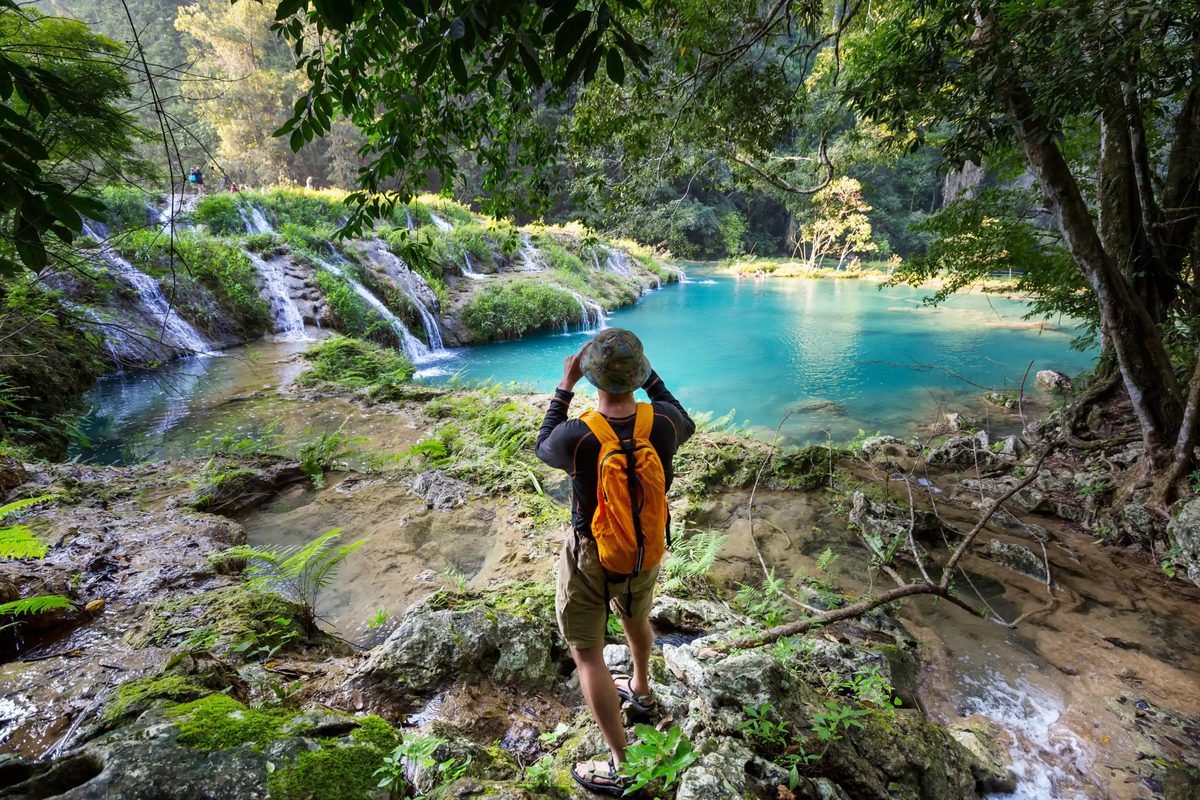
Forget the beach resorts for a moment. You’re here for the raw stuff. The places where the map ends and the trail begins. Turkey isn’t just sun and sand. It’s a vertical playground with rivers that demand respect and caves that smell like ancient history.
If you’re planning a trip that involves getting your hands dirty or your heart rate up, you need to know where the water flows and where the earth opens up. Here is the practical guide to the wilder side of the country.
Rivers That Demand Respect
The Çoruh River in the northeast is not for beginners. It is one of Turkey’s longest rivers, but its character is all about power. This is a top-tier destination for rafting and canoeing. The rapids are real. The scenery is equally unforgiving—steep valleys and historical sites cling to the banks, offering views that most tourists never see. You’ll need a guide. You’ll need gear. But the adrenaline hit is worth it.
Further east, the Euphrates (Fırat) offers a different kind of thrill. It’s less about white-water chaos and more about the majesty of the water itself. Boat tours here are the best way to navigate its length. Fishing is a major draw, but the cultural weight of the river is heavier. You are floating past centuries of history. The banks are lined with ruins and villages that have watched the river change shape for millennia.
For those who want action without necessarily needing expert-level skills, the Dalaman River is the sweet spot. It is one of the most popular rafting spots in the country because it caters to all levels. Beginners can handle the milder sections; experts can find the kick they need in the deeper gorges. The landscape is the real selling point here. You are paddling through pine forests and deep canyons. The air smells like resin and wet rock. It is vivid, green, and loud.
Waterfalls: Power and Scale
Moving to the southwest, the water takes on a different shape.
Düden Waterfall in Antalya is iconic. It is one of the most visited in the country, which is a double-edged sword. It’s crowded, yes. But you cannot ignore the mechanics of it. The waterfall drops into a cave behind it. Walking through that cave is a unique experience. You feel the mist. You hear the roar from all sides. It is a natural cathedral.
If you want space and scale, head to Manavgat Waterfall. It is one of the widest in Turkey. The sheer volume of water is impressive. The surrounding area is developed for tourism, which sounds bad until you realize it means amenities. There are picnic areas. There are walking trails that wind through the greenery. It is accessible. It is lush. It is ideal for a day trip where you want nature without sacrificing comfort.
For the hikers and campers, look north to Rize. Uçansu Waterfall is one of the highest in the country. The journey there is part of the attraction. You are trekking through dense forested areas. The air is cooler here. The sound of the water is constant. It is a prime spot for camping if you bring your own gear. It is quiet. It is remote. It is exactly what you need to reset.
Caves: Time Capsules and Mineral Wonders
Caves in Turkey are not just holes in the ground. They are archives.
Karain Cave near Antalya is a deep dive