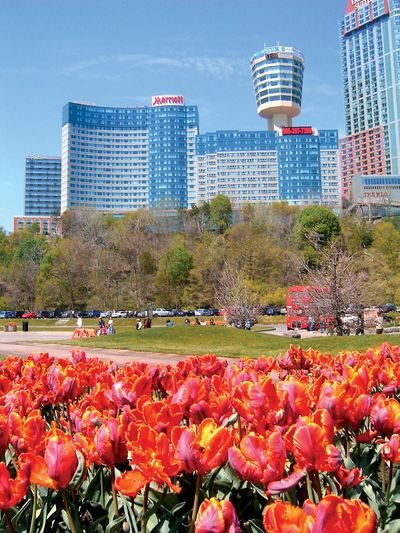


Most people think they know Niagara Falls. They picture the roaring cataract, the mist, maybe a clipper boat ride. And sure, that’s half the story. But if you’re standing in the city of Niagara Falls in Ontario, you’re looking at a completely different angle of the same phenomenon.
Here is the thing about location. It matters. A lot.
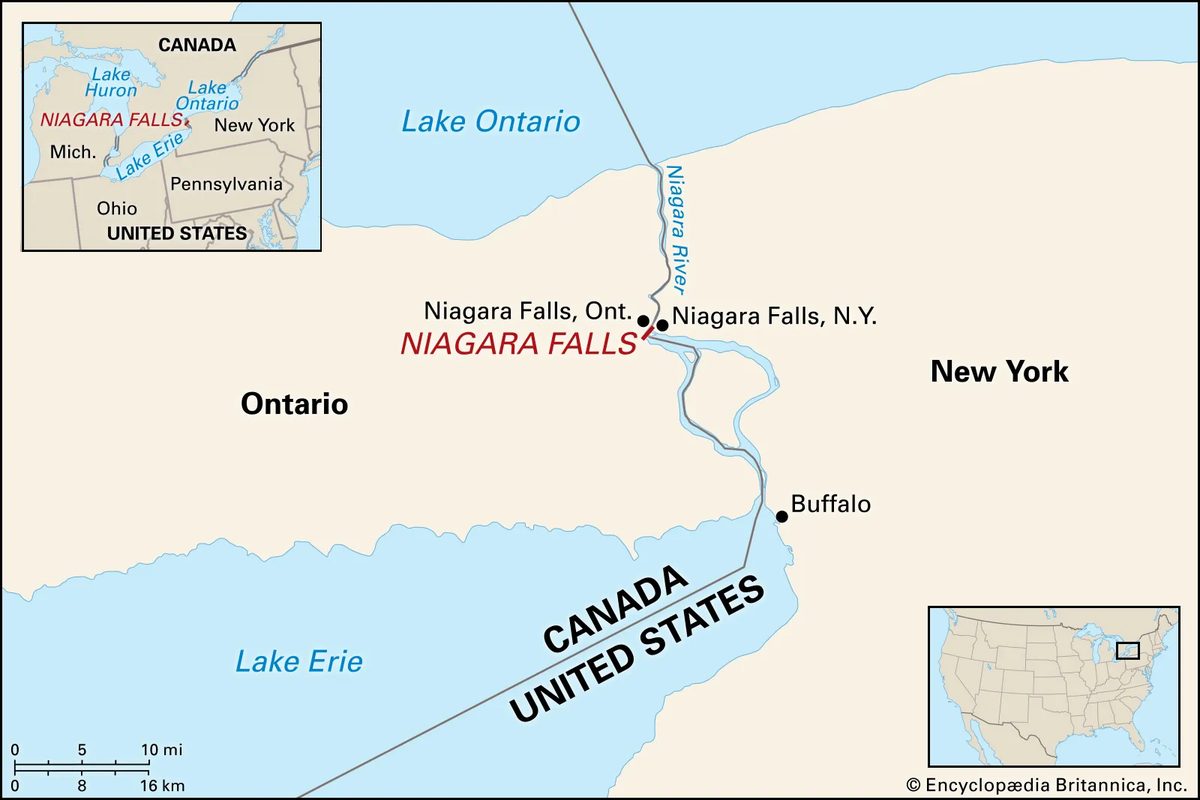
The city of Niagara Falls is a regional municipality in southeastern Ontario, Canada. It sits right on the west bank of the Niagara River. Directly across from it? Niagara Falls, New York. Yes, the US city shares the name. It’s confusing until you get there. Then it makes sense.
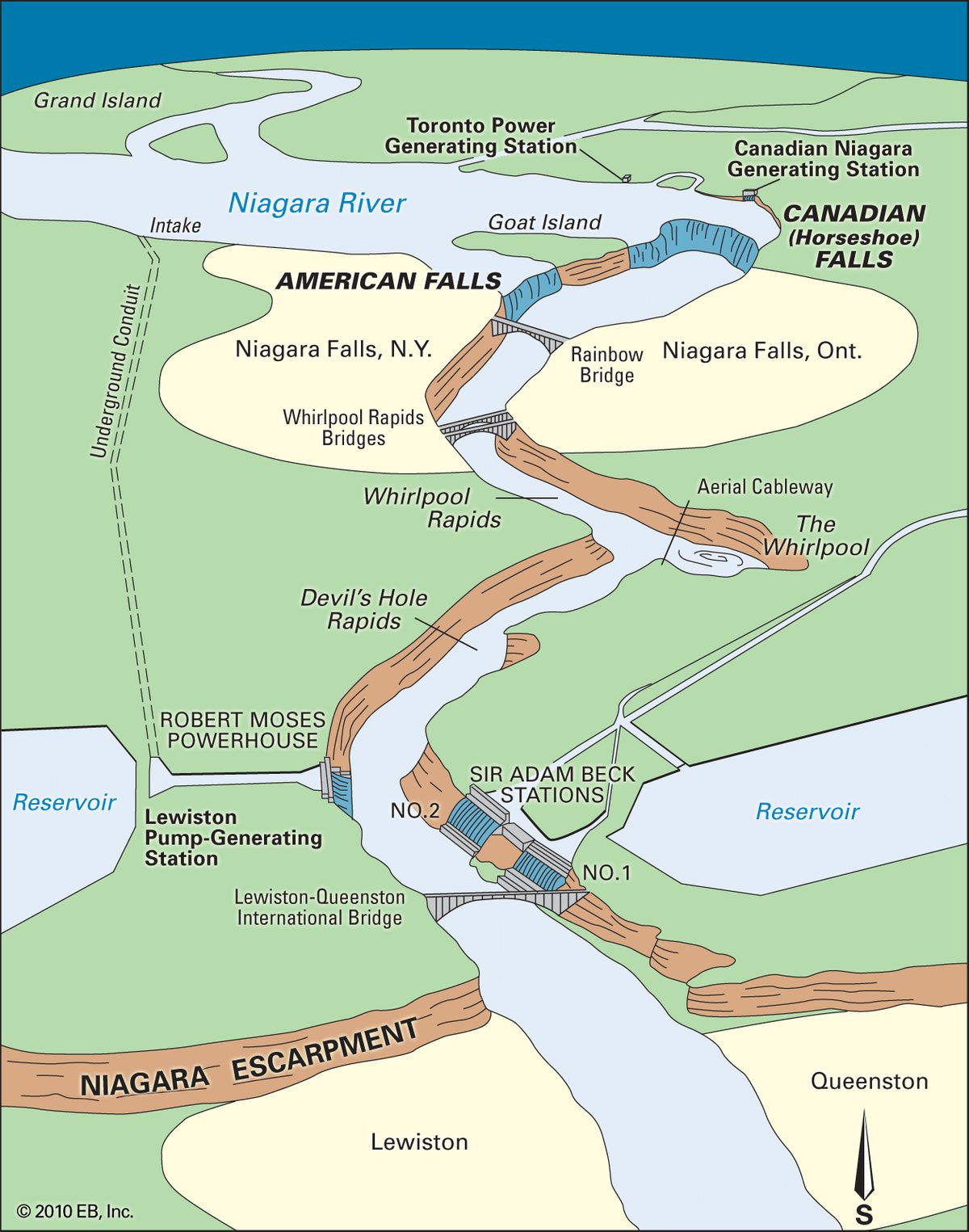
Standing in Canada, you get the full frontal view of Horseshoe Falls. The massive curve of water dominating your视野. It’s powerful. It’s wet. It’s loud. The US side? You see the American Falls and Bridal Veil Falls from a more direct, but slightly less dramatic, perspective. You lose the curve. You gain a different kind of intimacy with the rock face.
Logistically, you need a passport. Both sides require it now, even for land border crossings. Don’t show up with just a driver’s license. You will get stuck. Or worse, you’ll have to turn around and waste a day.
The bridge connecting them? The Rainbow Bridge. It’s walkable. It’s free to cross on foot. But lines can be long. Summer weekends? Plan for an hour or more. Go early morning. Or late at night. Or just avoid the peak tourist hours if you can.
Costs differ too. Canada tends to be slightly cheaper on dining and lodging outside the immediate tourist trap zones. The US side has its own charm, more spread out, with fewer high-rise hotels right on the water in some areas. But the view from the Canadian side? Unbeatable for the classic postcard shot.
So, which side is better? That’s the wrong question. The right question is: what do you want to see?
If you want the thunderous, sweeping arc of water crashing down, you book the Canada side. If you want to walk along the edge, touch the water (metaphorically, usually), and see the falls from closer to the base, the US side has its merits.
But let’s be honest. Most first-timers start in Canada. The infrastructure is tighter. The hotels are closer. The restaurants are within walking distance of the main attractions. It’s easier.
You’ll pay for that ease. Prices in Niagara Falls, Ontario, are inflated. Expect to pay premium rates for a room with a view. Or compromise on the view and save money. It’s a trade-off.
The river itself is the connector. And the divider. It’s beautiful, cold, and relentless. It doesn’t care about borders. It just flows.
Your trip planning should start with that reality. Decide which perspective you prefer. Then book accordingly. Don’t assume you can easily hop back and forth. It takes time. It takes paperwork. It takes patience.
What’s genuinely worth seeing? The journey across the river. The view from the Canadian side of the Horseshoe. The walk along the Niagara Parkway. The sheer volume of water. It’s not just a
Beyond the Falls: Why St. Catharines is the Real Heart of the Niagara Region
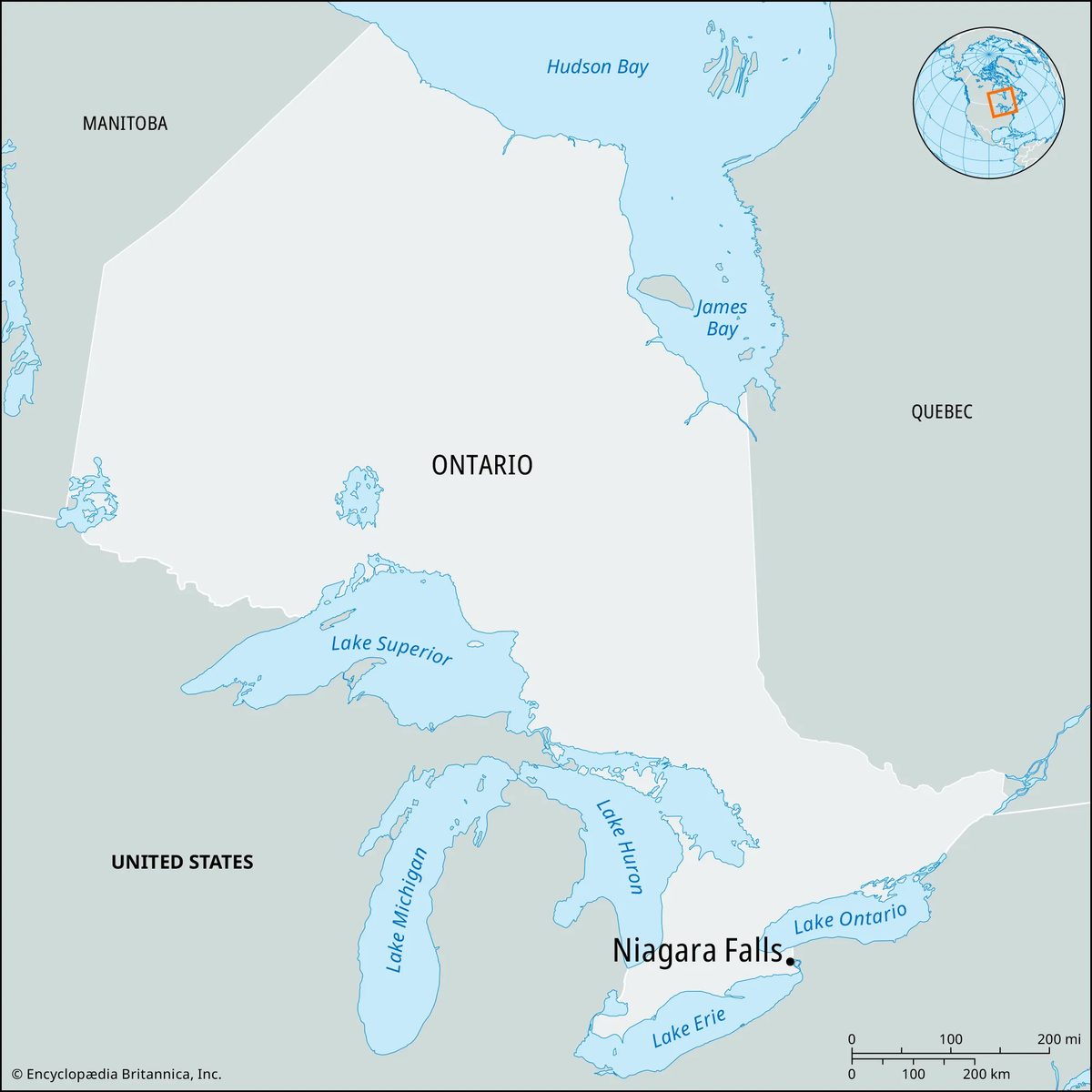
You think you know Niagara. You see the mist. You hear the roar. But you’re probably standing in Canada, looking across the water. The real story isn’t just the water. It’s the city that grew in the shadow of it. St. Catharines.
It started slow. The city was originally named Elgin in 1853. Then it changed to Clifton. Finally, in 1881, it settled on St. Catharines. A lot of names for one place. A lot of reinvention. The spark? The first suspension bridge across the Niagara gorge, finished in 1855. Without that bridge, this wouldn’t be a city. It’s a gateway.
In 1963, things got bigger. St. Catharines merged with Stamford Township. The area grew twelve times its original size. Overnight, it went from a town to a major player. Now, it’s the anchor of the St. Catharines–Niagara metro area. The population sits around 83,000. The metro area? Closer to 400,000 people.
How St. Catharines Powers the Region
Look at the map. The Niagara Falls cataract is the headline. It’s a tourist magnet. Everyone goes there. But here’s the thing nobody tells you: those falls are also a powerhouse. Literally.
The falls are a major source of electrical power for Ontario. The city isn’t just watching the tourists. It’s using the energy. That power fuels an industrial engine. St. Catharines manufactures electrochemicals. Fertilizers. Abrasives. Refractories. It’s heavy stuff.
But it’s not just factories. You’ll find silverware. Cereals. Machinery. Sporting equipment. Paper goods. Food products. It’s a diversified industrial center. And it’s all connected to the other side.
Why You Should Cross Over
Three bridges connect St. Catharines to Niagara Falls, New York. The Rainbow Bridge. The Whirlpool Rapids Bridge. They’re not just concrete and steel. They’re customs ports. They’re logistics hubs.
Crossing over changes the trip. You go from looking at the falls to working near them. Or shopping. Or exploring a different side of the border. The bridges make the region one unit. Two countries. One economy. One experience.
Where to Find Green Space in the City
Most travelers stick to Queen Victoria Park. It’s pretty. It stretches along the river bank above and below the falls. It includes the Oakes Garden Theatre, established in 1904. It’s historic. It’s beautiful.
But the park is just the start. The city has room. Space. It’s not cramped. You can walk. You can breathe. You can see the water without the crowds pressing in.
When to Go and What to Pack
Summer is peak season. The crowds come. The bridges get busy. The hotels fill up. If you hate lines, go in spring or fall. The colors are better in fall. The air is crisp. The costs are lower.
Bring layers. The mist from the falls is cold. Even in July. Wear waterproof