Forget the polished postcards of Paris. Roubaix doesn’t ask for your attention. It just sits there, industrial, unapologetic, and stubbornly alive in the Nord department of northern France. Tucked just northeast of Lille, this city on the Canal de Roubaix feels closer to Brussels than the French Riviera. And honestly? That’s the point.
Most travelers skip it. They rush through the Hauts-de-France region, eyes fixed on grand châteaux or coastal cliffs. But if you want to understand how France actually rebuilt itself after the wars, you start here. Near the Belgian frontier, Roubaix merges with Tourcoing in the north, creating a dense, gritty urban sprawl that pulses with a different kind of energy.
How a Textile Town Became a Modern Hub
Roubaix isn’t young. It earned its first manufacturing charter back in the 15th century. For centuries, it fought for its place in the global economy. By the late 18th century, after a long struggle, it secured the same textile privileges as Lille. Suddenly, it could manufacture any woolen goods the English were producing. That decision changed everything.
The population exploded. From a modest town, it tripled to 25,000 in the early 19th century. By the time World War I rolled around, more than 122,000 people called this woolen capital home. It was a powerhouse. Then came the occupation. Germans held the city in both World War I and World War II. The scars remained. The industry crumbled after the second war.
So what did they do? They didn’t surrender to decay. They refurbished the city center. They rebuilt residential areas. They pivoted.
What to See in Roubaix Today
The wool mills are mostly gone, replaced by a surprising mix of old brick facades and modern tech. The Lille urban agglomeration now swallows Roubaix and its suburbs, but the local identity remains sharp. You won’t find endless souvenir shops. Instead, you’ll find companies setting up headquarters here. You’ll find the Eurotéléport, a European satellite communications center that hums with data instead of spinning yarn.
The population has settled around 95,600 (as of 2014 estimates), down from the nearly 97,000 recorded in 1999. It’s stable. It’s real.
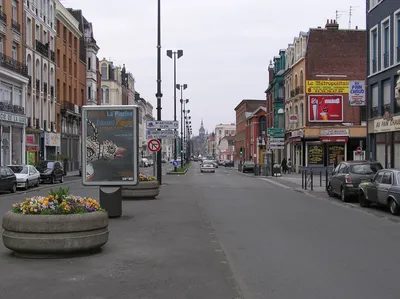
Walking through the refurbished districts, you see the effort. The architecture tells a story of survival. The narrow streets, once choked with textile workers, now host cafes and small businesses. It’s not pretty in the traditional sense. It’s textured. It’s lived-in.
The decline of an industry doesn’t mean the death of a city. It just means the next chapter is harder to write.
You don’t come to Roubaix for the view. You come because it works. Because it refuses to be forgotten. Because it’s a place where the industrial past meets a digital present without the usual tourist filter.
If you’re planning a trip to northern France, don’t just pass through. Stop. Walk the Canal de Roubaix. See how a city rebuilds itself from the ground up.