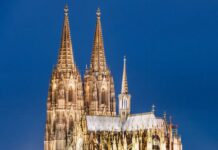
Munich feels like Germany’s southern soul. It’s not Berlin’s gritty intensity. It’s not Cologne’s cathedral-shadowed vibe. It’s Bavarian. Rich. Deliberate. With 1.5 million people calling it home, this is Germany’s third-largest city but it punches way above its weight class. It’s the capital of Bavaria. The economic engine of the country. And yes, it’s where the Nazi party first took root—a dark chapter that still shadows the city’s modern narrative. But today? It’s about beer gardens, Gothic spires, and walking streets that smell like pretzels and ozone.
The currency is the Euro. The language is German. The service sector? Robust. If you’re planning a trip here, you’re not just visiting a city. You’re entering a cultural ecosystem.
Marienplatz: The Heartbeat of the City
Start at Marienplatz. You can’t miss it. It’s the big one. The main square. Since 1158, this has been the city’s central hub. Mornings are quiet. Afternoons? Chaos. Beautiful, curated chaos.
Millions of tourists flood this space every year. Why? Because it’s the node of the entire public transport network. Trams. U-Bahn. S-Bahn. Everything converges here. Stand in the center. Look up.
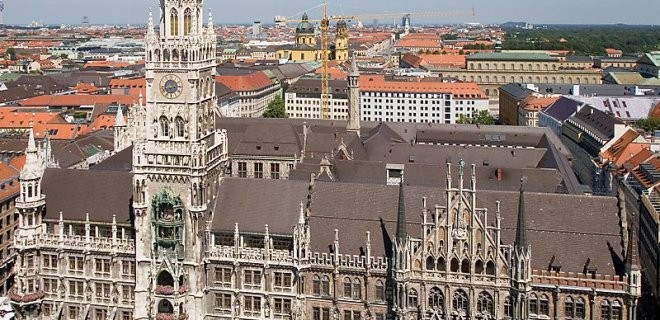
The Neues Rathaus (New Town Hall) dominates the eastern side. Gothic Revival architecture on steroids. The Glockenspiel is the main draw. Every morning at 11 AM (and 5 PM in summer), the figures dance. Kings. Dancers. The jousting tournament. It takes two minutes. You’ll wait twenty. It’s worth it.
Surrounding buildings are historic. Heavy stone. Dark wood. They lean in toward the square like spectators at a play. This is where you orient yourself. Every other “best things to do in Munich” list starts here. For good reason.
Museums and History: Digging Deeper
Munich isn’t just a postcard. It’s a repository.
The Bavarian State Painting Collections are massive. Old Masters. Modern art. If you’re into the classics, start at the Alte Pinakothek. If you’re into the weird and new, hit the Pinakothek der Moderne. Both are top-tier.
But let’s talk about the heavy hitters.
- The Deutsches Museum : The world’s largest museum of science and technology. It’s huge. You need two days minimum. Or one very long, caffeine-fueled day.
- BMW Welt and Museum : Car enthusiasts. This is your Mecca. The architecture is futuristic. The cars? Iconic. It’s free to walk around the Welt. The museum costs money. Worth every cent if you care about engineering design.
- The Haus der Kunst : Contemporary art. Big exhibitions. Often controversial. It’s a great contrast to the traditional museums.
History here isn’t buried. It’s integrated. The Dachau Concentration Camp Memorial Site is about 30 minutes by S-Bahn (S2). It’s not a “tourist attraction” in the fun sense. It’s a solemn, mandatory visit. Go early. Go
Why Nymphenburg Palace is the Best Baroque Escape in Bavaria
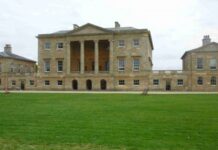
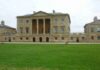
If you want to see real scale, you skip the cramped city centers and head west to Nymphenburg Palace. It isn’t just a building. It is a sprawling Baroque statement that dominates the landscape. Southern Germany’s largest palace complex doesn’t beg for attention. It commands it.
The architecture tells a story of shifting tastes and ambitious rulers. You aren’t just looking at walls. You are walking through the work of some of the most famous architects of the era. Agostino Barelli laid the groundwork. Enrico Zuccalli added his Italian flair. Then came Giovanni Antonio Viscardi. Joseph Effner later stepped in to refine the interior, pushing the style toward late Baroque and early Rococo.
How to Navigate the Complex
The grounds alone can eat up a half-day. The park stretches out for miles. You can rent bikes. You can hike. Or you can just get lost near the Pagodenburg, a smaller pavilion that looks like it belongs in a fairy tale rather than a royal estate.
Inside the main residence, the rooms are decorated to impress. Gold leaf. Mirrors. Ceiling frescoes that make you look up until your neck hurts. The Marstallmuseum (Stable Museum) is a surprise. It houses the royal carriages. Seeing the massive state coach from 1613 is worth the ticket price alone. It reminds you that before cars, movement was status.
Practical Details for Your Visit
- Location: West of Munich city center. About 20 minutes by tram or bus from downtown.
- Cost: Entrance to the palace rooms is around €8. The park is free.
- Best Time: Late spring or early autumn. Summer crowds can overwhelm the narrow corridors.
- What to See: The Hall of Mirrors. The Gallery of Beauties. And the extensive gardens, which are manicured to perfection.
The history here is heavy. The Wittelsbach family ruled here for centuries. Their influence shaped Bavaria. Now, you walk their halls. You see the same floors. You see the same light filtering through the high windows. It feels less like a museum and more like a paused moment in time.
Most tourists rush through Munich’s Marienplatz. They grab a pretzel and move on. Nymphenburg demands more. It asks you to slow down. To look at the stucco work. To notice the way the gardens are laid out to draw the eye toward the horizon.
The architecture is complex. The history is layered. You might not catch it all in one visit. That’s fine. The palace will be there. The gardens will change with the seasons. And the story of the people who built it remains unfinished.
Construction on the palace began in 1664, though the main structure wasn’t finished until 1675. That date is just a marker. Expansion didn’t stop. It trickled on for decades, reshaping the complex into something far larger than its original footprint.
Where French Baroque Influences Appear
The most striking architectural shifts happened in the early 18th century. Specifically, between 1700 and 1730, the additions leaned heavily into the French Baroque style. This wasn’t a subtle nod to continental trends. The design choices were explicit. You can see it in the sweeping curves, the ornate detailing, and the sheer scale of the new wings. It was a deliberate statement of power and taste, mirroring the courts of Versailles but adapted to local tastes.
If you are planning a visit, look for the contrast. The older sections feel sturdier, more grounded. The additions feel lighter, more theatrical. Walking through these halls is like walking through a timeline of European aesthetics.
Deutsches Museum (Alman Müzesi)
Shift gears now. Leave the palatial grandeur behind and head to Munich’s museum island. The Deutsches Museum isn’t just a repository of old objects. It is a massive, sprawling complex dedicated to science and technology. It claims to be the largest of its kind in the world.
The sheer volume of exhibits can be overwhelming. There are over 30,000 items on display. From early aviation models to interactive physics experiments. You could spend days here. And you probably will.
Key details for travelers:
- Location: Islands in the Isar River, easily accessible from the city center.
- Cost: Expect to pay around €12 for adult entry. It is reasonably priced for what you get.
- Timing: Plan for at least four to six hours. A quick walk-through misses the point.
- Logistics: The museum is huge. Wear comfortable shoes. The grounds are extensive.
Why go? Because it demystifies how things work. It isn’t dusty glass cases. It is hands-on. You can climb into old aircraft. You can see how a steam engine actually moves. It appeals to the curious mind, regardless of age.
The transition from palace to museum is stark. One celebrates the excess of aristocracy. The other celebrates human ingenuity. Both are worth seeing. Just don’t try to do both in one day. You will exhaust yourself. Prioritize.
Neuhaus is a town that doesn’t just sit on the edge of the Bavarian Alps—it leans into them. Perched at 1,200 meters, the air is thin enough to make you aware of your own breath. You don’t stumble here by accident. The road up from Garmisch-Partenkirchen is a winding ribbon of asphalt that tests your suspension and your patience in equal measure.
Most tourists miss Neuhaus. They head straight for the Zugspitze or the Neuschwanstein castle, chasing the postcard versions of Germany. But Neuhaus offers something quieter. Something real. The village itself is a cluster of timber-framed houses, their paint faded by decades of sun and snow. The streets are narrow. Cars struggle to pass each other. It forces you to walk. To look up.
Why Neuhaus Matters for the Solo Traveler
The population hovers around 1,200. In the winter, it swells with skiers. In the summer, hikers take over. But the core remains steady. There is no Uber. No delivery apps. If you want coffee, you go to Cafe Berggeist. If you want beer, you go to Gasthaus Sonne. The cost? A pint runs about €4.50. A meal? €15 to €20 if you avoid the tourist traps near the entrance.
“Neuhaus isn’t about the destination. It’s about the silence between the sounds.”
Why go? Because the Alps here aren’t a backdrop. They’re the protagonist. The Eibsee lake sits below the Zugspitze, its waters so clear they look like glass. You can rent a rowboat for €6 an hour. Sit there. Watch the water. The silence is heavy. It presses against your ears.
How to Get There and What to Pack
Rent a car in Munich or Garmisch. The drive takes about two hours from Munich. Leave early. The roads get congested by 10 AM. In winter, chains are mandatory from October to April. Check the status of the mountain roads daily. The Zugspitze cable car runs every 15 minutes in peak season. The ticket is €48 round-trip. Expensive? Yes. Worth it? If you want to stand at the highest point in Germany and look down on three countries, absolutely.
Pack layers. The temperature drops 10 degrees once you pass the tree line. A windbreaker is non-negotiable. Even in July. You’ll regret it if you don’t.
The Hidden Trails Most Guides Skip
Everyone hikes the main trail to the Eibsee. It’s paved. It’s easy. It’s boring. Cut left after the lake, toward the Höllental gorge. The trail is rugged. Roots trip you. Rocks shift underfoot. But the view from the Zugspitzplatt plateau is unmatched. You see the jagged teeth of the Alps stretching toward Austria and Italy. The air is crisp. The silence is absolute.
Bring snacks. There are no shops on the high trails. A granola bar and water cost more than you think when you’re three hours from the nearest village. The hike takes about 4 hours round-trip. Start before sunrise if you want the light to hit the
The Neo-Gothic Tower That Isn’t a Church
If you are standing in Marienplatz and you tilt your head back until your neck aches, you are looking at the heart of Munich’s administrative power. Technically, this is the New Town Hall, or Neues Rathaus. For first-time visitors, however, it is almost always mistaken for a cathedral. The confusion is understandable. The structure screams Gothic.
Construction started in 1867. It took forty-two years to finish. That is a long time to build anything in the middle of a busy city center. The doors finally opened in 1909.
The architect, Georg von Hauberrisser, decided to go big. Very big. The building dominates the square. It is built in a Neo-Gothic style that rivals the finest cathedrals in Germany. But this is not a place of worship. It is a place of bureaucracy.
The scale is intimidating. The main tower reaches 85 meters into the air. The entire complex spans 9,159 square meters. Inside, there are 400 rooms. You could walk through those halls for days and never see them all. The total height of the structure is listed as 80 meters, though the tower itself pushes past that limit.
Tourists flock here for one reason: the view. And the clock.
The Glockenspiel on the tower is famous. It winds up every day. At 11 AM and 12 PM, the figures move. It is theatrical. It is loud. It is the main event in Marienplatz.
“The New Town Hall is the most visited site in Munich, not because of politics, but because of its sheer vertical dominance over the old square.”
Practical Details for Your Visit
You do not need a ticket to look at the building. You just need to be there during the hour. If you miss the chimes, you have waited an hour. Come back.
Climbing the tower is an option. It is steep. It is narrow. But the view over the city rooftops is worth the effort. You see the Frauenkirche in the distance. You see the English Garden stretching out like a green lung.
The location is central. You walk out of Hauptbahnhof (the main train station) and you are there in ten minutes. It is the easiest mistake to make if you think you have found a church.
The English Garden: A Different Kind of History
İngiliz Bahçesi
While most visitors flock to the Marienplatz, locals know the real breathing room lies in the English Garden. It’s not just a park; it’s a 3,700-hectare lung in the middle of Bavaria. The elevation sits at 512 meters above sea level, offering a slightly cooler, calmer vibe than the city center. The layout mimics 18th-century English landscape gardens—winding paths, sprawling lawns, and dense tree cover that makes you forget you’re in a metropolitan hub.
There’s a river running through it. The Eisbach wave attracts surfers year-round, a surreal sight for anyone expecting a peaceful stroll. But if you want to escape the crowd, head away from the surfers. The pathways stretch for miles. You can walk. You can bike. There are designated zones for games and quiet relaxation. It’s where Munichis go to decompress.
BMW Museum
Just a short walk or tram ride from the garden’s edge stands the BMW Museum. It’s not just a showroom. It’s an architectural statement. The building itself, with its inverted pyramid shape, draws the eye upward. Inside, the focus isn’t just on the cars you see on the road today. It’s on the engineering history.
The exhibits trace the evolution of the brand. You see the early prototypes. The racing models. The electric concept cars. It’s a chronological journey through industrial design. The ground floor houses the permanent collection, highlighting milestones like the BMW 328 and the iconic 2002. Upstairs, temporary exhibitions often dive into specific design philosophies or sustainability efforts.
Logistically, it’s easy to pair with the park. Walk off the picnic in Isenheimer Park. Take the U3 line one stop to Odeonsplatz or walk the 10 minutes along the river. The museum offers guided tours, but the self-guided audio tour is sufficient for most. You can spend 90 minutes here easily. If you’re an automotive enthusiast, double that time.
Costs are standard for Munich attractions. Adults pay around 10 euros. Students and seniors get a discount. It’s worth it if you appreciate the mechanics behind the metal. The view from the top floor, looking out over the park and the city skyline, is the real highlight. You see the green expanse of the English Garden below. The contrast between the sleek, metallic future in the museum and the natural, green present in the park is striking.
Don’t miss the cafe on-site. It’s overpriced, yes, but the coffee is decent. And the location? Unbeatable. You’re in the heart of Munich’s modern identity.
The BMW Museum isn’t just a warehouse for old metal. It opened in 1972 with a specific mission: to display the company’s history since its 1916 founding. The building itself is a modernist landmark in Munich. It draws roughly 250,000 visitors a year. If you are an enthusiast of vintage automobiles, skipping this stop is a mistake. The architecture here is as iconic as the cars inside.
Visiting the BMW Welt and Museum Complex
Most travelers group the museum with the adjacent BMW Welt, a futuristic gateway that serves as both a showroom and event space. Located in the Olympiapark district, this complex is a hub for automotive culture.
Why visit the BMW Museum in Munich?
You aren’t just seeing shiny chrome. You are tracing the evolution of German engineering. The collection features vehicles produced after 1916. This includes the prototypes that defined the brand’s identity. The layout encourages a chronological journey. You start with the early aviation engines—BMW began as an aircraft engine maker—and move into the first motorcycles. Then, the cars.
How to plan your visit:
The museum operates daily. However, booking tickets online is essential during peak tourist seasons. Standby lines can stretch for an hour. The audio guide is highly recommended. It provides technical details that casual observers might miss. Entry fees apply, but the experience justifies the cost for anyone interested in industrial design.
Logistics and timing:
Munich’s public transport makes access easy. Take the U3 or U6 subway line to the Olympiazentrum station. It’s a short walk from there. Plan for at least two hours inside. The museum is not large, but the density of information is high. Combine your visit with a trip to the BMW Welt for a comprehensive understanding of the brand.
Neuschwanstein Castle: A Fairytale Detour
Leaving the industrial sleekness of Munich behind, you head into the Bavarian Alps. The goal is Neuschwanstein Castle. This is not a museum. It is a ruin of a dream. King Ludwig II commissioned it in the 19th century. He never lived to see it completed. Today, it sits perched on a rugged hill. It looks like it was plucked from a Disney storyboard.
Who is Neuschwanstein Castle for?
It is for the dreamer. And the hiker. And the person who doesn’t mind crowds. The castle is the most visited site in Germany. The visual payoff is undeniable. The white turrets against the green alpine backdrop create a postcard-perfect scene. But the reality of the visit involves logistics.
How to get to Neuschwanstein Castle:
You cannot drive right up to the gate. Private cars are parked in a large lot outside the village of Schwangau. From there, you have options.
- Shuttle Bus: The most popular route. A short ride up the hill.
- Hike: A 30-minute walk through the forest. The path is well-marked. The air is crisp. The view improves with every step.
- Horse-drawn carriage: For those willing to pay a premium. It adds a layer of historic authenticity.
When to visit:
Avoid July and August
Where to Eat in Munich: The Real Guide Beyond the Beer Garden
Munich doesn’t just feed you. It overwhelms you. And that’s the point.
You walk into a Biergarten, sit on a shared bench, and suddenly you’re eating like a local. But if you’re looking for specifics—if you want to know exactly what to order to avoid looking like a total tourist—here is the breakdown. Forget the generic advice. Focus on these spots.
Donisl
This isn’t your typical tourist trap. Located near the Hauptbahnhof, Donisl is where Munich locals go when they want serious Bavarian food without the inflated prices of Marienplatz. The air smells like roasting meat and fresh bread. It’s loud. It’s warm. It’s exactly what you need after walking around in the cold.
“The Schnitzel here is massive. You won’t leave hungry.”
What to order:
– Wiener Schnitzel: Breaded veal cutlet. Crispy on the outside. Juicy inside. Don’t overcook it.
– Breze: A pretzel bun. Soft. Salty. Perfect for dipping into stews or sandwiches.
– Weisswurst: White sausage. Served with sweet mustard and a Breze. Eaten before noon. That’s the rule. Break it, and you’re breaking tradition.
Price range: Moderate. You’ll pay around €15–€25 for a full meal with a beer. Worth every euro.
Timing: Go early. Or late. Lunch rushes are real. Wait times can stretch to 30 minutes during peak hours.
Logistics: It’s close to the train station. Easy to find. Hard to miss the line.
Gasthaus Schumann
If Donisl is for the crowd, Schumann is for the quiet connoisseur. Located in the Schwabing district, this spot feels like stepping into a 19th-century painting. Dark wood. Dim lighting. The clink of porcelain. It’s atmospheric. Maybe too atmospheric for some. But the food? Unmatched.
What to order:
– Schweinshaxe: Roasted pork knuckle. Crispy skin. Falling-off-the-bone meat. Served with potato dumplings.
– Apfelstrudel: Apple strudel. Warm. Cinnamon-spiced. Topped with vanilla sauce.
Why go here: It’s less crowded. More intimate. Better for conversation.
Cost: Slightly higher than Donisl. Expect €20–€30 per person.
When to visit: Dinner. The lunch crowd here is thinner.
Schneider-Keller
You can’t talk about Munich beer without mentioning Schneider. This is a brewery tavern. Not a restaurant. Not a café. A place where you drink beer and eat heavy food. The ceiling is low. The tables are wooden. The beer is cold.
What to order:
– Weizenbier: Wheat beer. Cloudy. Yeasty. Refreshing.
– Obatzda: A cheese spread. Made with Camembert, butter, and paprika. Served with pretzels.
How to navigate: You
If Munich’s beer halls are the heart, Donisl is the soul. Located just off the main square, it feels like a step back into a time when dining was about comfort, not pretense. The decor is plain—wooden tables, simple fixtures. But the food? It’s the reason you’re here.
Donisl serves up classic Bavarian dishes with a level of care that most places miss. The staff isn’t just functional; they’re genuinely kind. That hospitality matters when you’re hungry after a day of walking. The kitchen crew knows what they’re doing. You won’t find fusion experiments here. You’ll find honest, heavy, delicious food.
Address: Weinstraße 1, 80333 München
Phone: +49 89 2429390
Why Hofbräuhaus Still Matters
Now, you can’t talk about Munich without the elephant in the room: Hofbräuhaus.
It’s massive. It’s touristy. It’s everywhere in guides. So why go? Because it’s the original. The beer hall dates back to 1589. That’s not just old; it’s historical. The air inside smells of yeast and roasted meat. It’s loud. People sing. Strangers sit at long communal tables. It’s chaotic.
For many travelers, it’s a bucket-list checkbox. For others, it’s a disappointment. The food is heavy. The beer is strong. But if you want to experience the scale of Bavarian hospitality, this is where it happens.
Location: Platzl 9, 80331 München
Hours: Usually 9 AM to midnight, but check for seasonal changes.
The Logistics of Drinking There
Getting in is easy. Getting a seat isn’t.
- Go Early: If you want a table without fighting for it, arrive before 11 AM or after 2 PM.
- Share Tables: You will sit with strangers. It’s part of the experience. Don’t be shy.
- Order in Bulk: They prefer large orders. One beer might not be enough.
- Cash is King: While cards are accepted more often now, cash speeds up payment at these crowded counters.
What to Actually Eat
Skip the fancy stuff. Stick to the basics.
- Weißwurst: White sausage. Traditionally eaten before noon. It’s mild, pork and parsley.
- Schweinshaxe: Roasted pork knuckle. It’s a leg. It’s crunchy on the outside, tender inside. You need a knife.
- Obatzda: A spicy cheese spread. Dip your pretzel in it. It’s rich. It’s salty. It pairs perfectly with the beer.
Is It Worth the Hype?
Maybe. Maybe not.
The food isn’t Michelin-starred. The service is fast, not personal. But the atmosphere is unmatched. There’s no other place in the world quite like it. If you can handle the noise and the crowds, you’ll remember it. If you prefer quiet intimacy, skip it and find a smaller Gasthaus.
Munich is full of options. Hofbräuhaus is just one. But it’s the most famous for
Acquarello Restoran
Hofbräuhaus’taki gürültüden ve yorgunluktan kurtulmak için doğru adrestesiniz. Münih’in kalbinde, bu kutsal bira salonundan sadece birkaç adım uzakta, Avusturya’nın en iyi restoranlarından biri olarak kabul edilen Acquarello sizi bekliyor. Burası sadece yemek yenen bir yer değil, aynı zamanda şehrin en prestijli mutfak deneyimlerinden birini sunan bir mekan.
Adres: Sendlinger Str. 18, 80331 München
Tel: +49 89 5529 2988
Acquarello, Avusturyalı şef Alfred Winter’in imzasını taşıyor. Menüde geleneksel Avusturya lezzetleri ile modern tekniklerin buluştuğu görürsünüz. Özellikle et yemekleri konusunda uzmanlaşmış bu restoran, narın ve sulu bir deneyim vadeder. Rezervasyon yapmak neredeyse zorunludur çünkü yerler sınırlıdır. Özellikle akşam yemekleri için en azından bir hafta önceden plan yapmalısınız.
Restoranın atmosferi, Hofbräuhaus’un aksine daha sakin ve zarif. Ahşap detaylar, sıcak ışık ve şık dekorasyon, romantik bir akşam yemeği veya önemli bir iş yemeği için idealdir. Servis titiz ve dikkat çekicidir.
Menüde dikkat çekenlerden biri, özellikle hazırlanan ve sunulan sığır eti yemeklerdir. Şefin özenle seçtiği malzemeler, damak tadınıza hitap eder. Ayrıca, şarap listesi de oldukça kapsamlıdır. Avusturya ve Almanya’nın en iyi şaraplarını bulmak mümkündür.
Acquarello’ya giderken, Hofbräuhaus’tan yürüyerek ulaşmak en mantıklı seçenektir. Sendlinger Strasse üzerinden ilerleyerek birkaç dakika içinde restorana varabilirsiniz. Bu yakınlık, iki farklı Münih deneyimini aynı gün içinde yaşamak isteyenler için mükemmel bir fırsat sunar.
Yemeğin fiyat aralığı orta-üst seviyededir. Ancak sunduğu kalite ve deneyim göz önüne alındığında, bu fiyatın haklı olduğunu söyleyebiliriz. Özellikle özel günlerinizde veya Münih’te kalıcı bir anı biriktirmek istediğinizde tercih edilebilir bir lokantadır.
Acquarello, sadece lezzetli yemeklerle değil, aynı zamanda sunduğu hizmet kalitesiyle de öne çıkar. Personel, müşterilerine karşı ilgili ve bilgili olup, ihtiyaç duyulan her konuda yardımcı olur. Bu detaylar, restorana olan deneyiminizi bir üst seviyeye taşır.
Münih’te yemek denilince akla gelen ilk yerler arasında Hofbräuhaus ve Acquarello yer alır. Bu iki mekan, şehrin hem geleneksel hem de modern yüzünü temsil eder. Birini seçmek zorunda kalmadan, her ikisini de deneyimleyerek Münih’in mutfak kültürünü daha
It was a toss-up for many in 2003, but Münih Restoran Raporu readers drew a line in the sand. They voted this spot as the city’s fourth most popular restaurant and the only Italian in the area to earn a Michelin star. The menu changes daily, which is good news if you hate predictability. You get the best of Italian cuisine mixed with surprises like coffee sabayon with chocolate soufflé or roasted beef with celery purée.
Marstall Restoran
**
Augustinerkeller Restoran
You do not come here for a quick bite. You come for the ritual of it. The Augustinerkeller is not just a restaurant; it is a destination for serious eaters in Munich. If you are looking for a high-grade dining experience that prioritizes composition and flavor above all else, this is where you prepare yourself. The menu is not a list of dishes. It is a curated journey.
What to order when you arrive
The specials change, but the commitment to quality remains static. You will see pepper sauce dishes that are rich and complex. Do not ignore the mussel carpaccio. It is raw, fresh, and demands attention. Then there are the safran-spiced vegetables. Saffron is expensive. It is used sparingly here. The vegetables do not overpower the spice. The spice elevates the vegetables.
For the main event, look for the lobster-turbot fricassee. It is a heavy dish. It requires a slow meal. It pairs well with the venison if you are feeling ambitious. The venison is gamey. It is not for the faint of heart. It is for those who like their meat with a story.
“This is not food for speed. It is food for presence.”
The logistics of eating here
Location matters. The restaurant sits at Lindberghstraße 4, 80939 München. It is in the Schwabing district. You can walk here. You can take the U-Bahn to Theresienstraße and then walk about ten minutes. The air changes as you get closer. It smells of yeast. It smells of wood smoke. It smells of old money and newer trends.
Call ahead. The phone number is +49 89 31205529. Do not rely on walk-ins. The tables are filled by people who know where the good food is. They know the staff. They know the wine list. If you show up without a reservation, you will be standing on the sidewalk. You will be cold. You will be hungry. You will leave.
Why this place works
It works because it does not try to be everything. It does not have a kids’ menu. It does not have a happy hour that undermines the price point. It is serious. The pepper sauce is not an afterthought. It is the backbone of several dishes. The mussel carpaccio is not just garnish. It is a statement.
The safran-spiced vegetables are bright. They cut through the richness of the lobster-turbot fricassee. The venison stands on its own. It does not need to hide behind heavy sauces. It is tender. It is flavorful. It is what you expect venison to be.
When to go
Go in the evening. The light is different. The mood is different. The staff moves differently. They are not rushed. They are not frantic. They are precise. This is a place for conversation. It is a place for thinking. It is a place for remembering.
You will spend more here than at a standard biergarten. You will spend less than at a Michelin-starred temple of silence. It is a middle
The Augustinerkeller: Where Munich’s Elite Actually Drinks
If you want to see Munich the way the locals and the powerful do, skip the tourist traps near Marienplatz and head to Augustinerkeller. It is one of the city’s oldest and most beautiful beer gardens, and the atmosphere is thick with history.
The place has 5,000 seats. In the summer? They fill up. Fast. This isn’t just a pub; it is a VIP lounge for politicians and the local elite. If you see a suit sitting next to a guy in lederhosen, you are in the right spot.
The restaurant stays open year-round, so weather is never an excuse to stay indoors. Inside, you get polished wood decor that feels warm and traditional. You order Bavarian specialties, but the real draw is the Augustiner Helles. It is widely considered the best pilsner in the city. Drink it in a wooden glass. It tastes different.
Address: Arnulfstraße 52, 80335 München, Deutschland
Phone: +49 89 594393
Where to Stay in Munich: 5 Hotel Picks
Munich is a top-tier destination. It is popular with tourists from everywhere, including many from Turkey. But finding the right base can be tricky. The city is efficient, expensive, and spread out.
I have pulled together five specific hotel recommendations. These are not random picks. They are places that work for different budgets and travel styles. Here is where you should look.
Anna Hotel
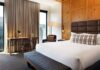
If you are chasing a vibe that sits right at the intersection of high fashion and contemporary cool, skip the generic chains. Head straight to Anna. The design choices here aren’t just aesthetic; they are intentional. We are talking about rooms bathed in deep chestnut tones and touches of metallic gold that pop against the lime green hallways. It is a bold color story that actually works.
Inside, you get spacious quarters. No cramped corners here. Every single room comes with sleek, iron-style luggage racks and—crucially—a complimentary minibar. Who doesn’t appreciate a free drink upon arrival? Down on the ground floor, the bar and restaurant are polished enough for a late-night cocktail but comfortable enough for a proper dinner. They serve nightly, so you don’t need to hunt for food in the city center after a long day of exploring.
It isn’t cheap. You are looking at roughly €1000 for a stay. But if you are paying for atmosphere, logistics, and style points, this is the place.
Location: Schützenstraße 1, 80335 München, Germany
Contact: +49 89 599940
Antares Hotel
A second look at the Schwabing stay
The two-star rating feels like a misnomer here. It’s not that the amenities are lacking. It’s that the value is surprisingly high. You get clean rooms. You get plenty of sun. Standard inclusions like a minibar and a TV are present, but it’s the small details that stick. Gummi bears on the pillows. A bathtub. A rare luxury in many European cities where shower-only rooms are the norm.
The location is the real selling point. Schwabing is Munich’s answer to a lively neighborhood. It’s not just a place to sleep. It’s a place to live, temporarily. The hotel sits between the Universität metro station and Odeonsplatz. That’s central. It’s right in the thick of it.
Restaurants and cafes line the streets. English Garden is a short walk away. The Old Town is close enough to walk but far enough to feel distinct. You aren’t trapped in a tourist trap. You’re embedded in the city’s rhythm.
Address: Amalienstraße 20, 80333 München, Germany
Phone: +49 89 2800200
Price: 800 €
Asam Hotel
Asam Hotel: Quiet luxury in the Hackenviertel
If you want space, look toward the Hackenviertel. It’s quiet here. The streets are calm. You aren’t in the tourist trap of Marienplatz. You’re in a residential slice of Munich that actually feels lived-in. That’s why the Asam Hotel fits so well.
It sits right in that pocket of peace. The rooms are not small. They feature marble bathrooms. Real stone. And they overlook the garden. Not a view of another hotel wall or a busy street. A garden. If you are tired of the noise, this is your spot.
The Logistics
Address: Josephspitalstraße 3, 80331 München, Germany.
Phone: +49 89 90170821.
Price: Around 700€. Yes, it’s steep. But you are paying for the atmosphere. For the silence. For the marble.
“If you are looking for a spacious and peaceful place, you must add the Asam Hotel to your list.”
It’s not just a place to sleep. It’s a retreat. The Hackenviertel is historic. The architecture is striking. You can walk from here to the English Garden in about twenty minutes. Or just stay in and read by the window.
Carlton Hotel
Now we move on. The Carlton.
Carmen Otel
If the Carlton feels like a museum of luxury, Carmen is the place you go when you actually want to sleep. Located just a short hop from the city center, it targets the same modern, culturally hungry demographic, but with a vibe that is distinctly more relaxed.
The hotel prides itself on service. Not the stiff, white-glove kind. But the kind where they know your name and your coffee order before you ask. There is a restaurant on-site that serves up meals worth planning a dinner around. The bar? It’s the spot to kill time before a night out in Munich. It’s not just a lobby with chairs. It’s a living room for strangers.
Address: Fürstenstraße 12, 80333 München, Germany
Phone: +49 89 3839630
Price: 500 €
The quiet inner courtyard is the main draw here, especially when you’re tucked away from the city noise. But let’s be realistic. You are also less than ten minutes on foot from Westpark. That is a significant perk for anyone who wants green space without booking a trip into the suburbs.
The location sits on a bit of a hinge. It is close enough to the S-Bahn and the Autobahn to make commuting or day trips easy. But proximity to heavy traffic isn’t always a comfort. This hotel manages to balance that by keeping its atmosphere serene. You get the logistics of a major transport hub without the constant roar.
Food options are handled through a restaurant offering international dishes and an Indian buffet. It’s not a gourmet destination, but it is practical. You can eat well without leaving the premises. For some travelers, that convenience is worth the premium price.
Then there is the cost. At 400€ per night, you are paying for that silence and the address. Is it worth it? Depends on what you value. If you need a base in Munich that feels detached from the chaos but still connected to the grid, this is a solid choice. If you are looking for budget luxury, look elsewhere.
Address: Hansastraße 146, 81373 München, Germany
Phone: +49 89 7431411
Rate: 400€