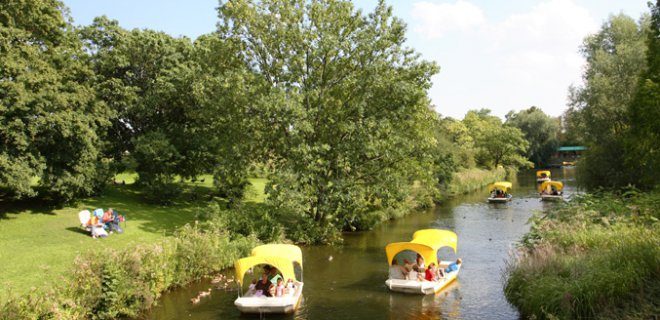
Forget the crowded museums for an hour.
Head to Mannheim’s green heart.
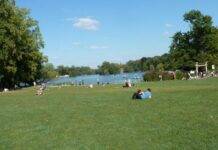
Luisenpark isn’t just a park. It’s a 41-hectare masterpiece.
Located in the heart of the city, this is the place locals go to breathe. It’s not run for profit. It’s a non-profit organization dedicated to nature. The result? A space that feels untouched by commercialism.
You can’t see it all in one glance.
The park was gifted to the city in stages. Work began in 1892. It finished in 1903. Over a decade of landscaping created something unique. A Japanese garden stands shoulder-to-shoulder with French-style formal beds. It’s a clash of styles that somehow works.
What’s actually there?
A large lake where you can rent rowboats. The water is calm. The reflections are perfect.
Picnic tables scattered under ancient trees.
Flowers in colors that seem too bright to be real.
The park houses a zoo. And an aquarium. You can see species from around the world without leaving Germany. It’s not a theme park. It’s educational. It’s quiet.
“A veritable green paradise waits for visitors.”
Why go?
Because it’s rare.
Most urban parks are small patches of grass. Luisenpark is an ecosystem. It hosts dozens of animal species. Birds. Fish. Insects. Even larger mammals in the zoo section.
Timing matters.
Visit in spring. The flowers explode in color. Visit in autumn. The Japanese garden turns fiery red and gold. Summer? Hot. But the shade helps. Winter? Barely visible, but peaceful.
Logistics are simple.
It’s in Mannheim. Easy to reach by tram. Walk in. Wander out.
Don’t rush.
The value isn’t in checking boxes. It’s in sitting by the lake. Watching a boat glide by. Listening to the birds.
This isn’t just sightseeing.
It’s therapy with a view.
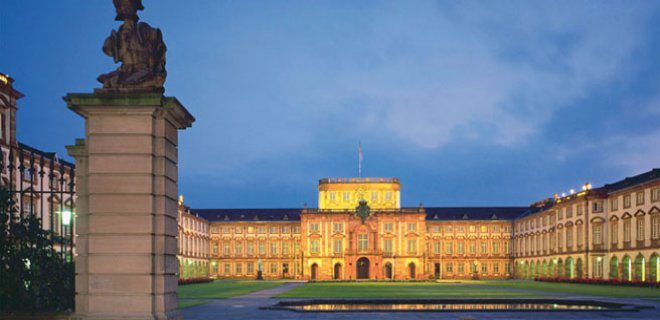
The Mannheim Palace isn’t just a building; it’s a statement in brick and stucco. Built in the shape of a giant U, this Baroque beast dominates the city center. For centuries, it served as the residence for the Electors of the Palatinate, a time when local rulers wanted their power visible from every corner of the city. Today, it’s no longer a palace for princes. It’s home to the University of Mannheim, meaning students are more likely to be seen rushing between lectures than attending royal balls.
The architecture is massive. The facade is symmetrical, imposing, and undeniably beautiful. But look closer. The interior design was meticulously planned during the 18th century, featuring grand halls and intricate details that spoke to the wealth of the Electors. That wealth didn’t protect the structure from history, though. World War II dealt significant damage to parts of the complex. Restoration efforts have been ongoing for decades, piecing together the fragments to return the palace to its former glory. Now, it stands as the city’s primary landmark. You can’t miss it. You can’t really forget it.
Why the Palace Layout Matters for Visitors
If you’re planning a visit, understanding the layout helps you navigate without getting lost in the sheer scale of the place. The U-shape creates three distinct wings. The main central block faces the city, while the two side wings extend backward, enclosing a massive courtyard.
Most tourists head for the Imperial Apartments (Kaiserappartements ). These rooms are restored to reflect the opulence of the 18th century. Think chandeliers, gilded frames, and furniture that hasn’t moved in three hundred years. It’s a snapshot of aristocratic life. The cost is reasonable for a historical site of this caliber, usually around 5 to 7 euros for general admission, though prices can fluctuate based on special exhibitions or seasonal rates. Check the university’s official site for current tickets.
Timing is everything. The palace is open daily, but crowds peak between 10 AM and 2 PM. If you want to photograph the facade without a sea of tourists in the frame, go early in the morning or late in the afternoon. The light hitting the yellow and white stucco is particularly striking during the golden hour.
Beyond the Main Gate: The Jesuit Church Connection
Right next to the palace, almost as an extension of the same power structure, stands the Jesuit Church (Jesuitenkirche ). It’s not part of the university tour, but it’s impossible to ignore. Built in the early 18th century, this baroque church shares the same architectural DNA as the palace. If you liked the symmetry of the palace, you’ll appreciate the verticality of the church.
The church served the Jesuit community that lived in the palace complex. It’s a reminder of how religion and politics were intertwined in the Palatinate. The interior is less cluttered than the palace apartments, but the frescoes on the ceiling are breathtaking. They depict biblical scenes in soft pastels and dramatic shadows.
Getting there is straightforward. Exit the main palace gate, walk straight down the Schlossstraße. The church is on your right. It’s a short walk, maybe
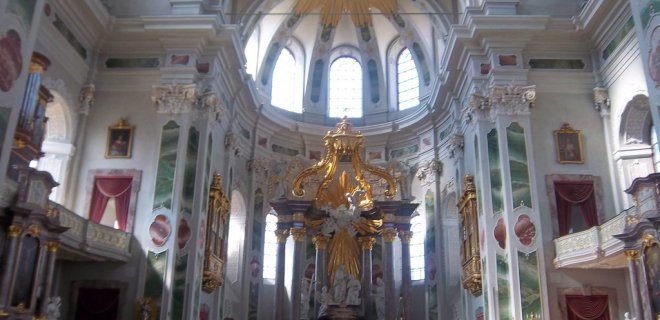
Mannheim’deki ruhun kalbinde, Jensuit Kilisesi yer alıyor. Yapımı 1733 ile 1756 yılları arasında sürdü. Bu uzun süre, binanın karmaşıklığını ve önemini gösteriyor. Mimari dehası, İtalyan usta Alessandro Galli ’ye ait. Galli’nin çizgileri, taşın kemiklerine işlendi.
Peki ya kubbeler? O parlayan küreler, Barok tarzın zirvesi. Yapımı Paul Edgell ’e ait. Edgell heykellerle de oynadı. Kilisenin içindeki figürler, o dönemin ruhunu yansıtıyor. Heykel sanatçı, dokuya ve ışığa hakimdi.
Tarih, bu binaya kolay kolay izin vermedi. 1906’da, 300. yıl dönümü yaklaşırken, kapsamlı bir restorasyon yapıldı. Taşlar temizlendi, detaylar canlandırıldı. Ama asıl test, savaş geldiğinde geldi.
II. Dünya Savaşı’nda, Almanya gökyüzünden vuruldu. İngiliz ve Amerikan Hava Kuvvetleri, Mannheim’i hedef aldı. Jensuit Kilisesi, bombaların tam ortasındaydı. Kubbe kısmı ağır hasar aldı. Çökme tehlikesi vardı.
Ama yıkılmadı. Savaş bittiğinde, onarım başladı. Hasar, orijinaline uygun şekilde tamir edildi. Eskiye döndü. Ama eskisinden daha güçlü, daha bilinçli bir haliyle.
Bugün, turistlerin en çok ilgi gösterdiği mekanlardan biri. Neden? Çünkü tarih burada nefes alıyor. Barok’un ihtişamı, savaşın izleriyle harmanlanmış. Ziyaretçiler, sadece görüp geçmiyor. Duygulanıyor.
Mannheim Teknoloji Müzesi’ne Geçiş
Kiliseden birkaç adım öteye, başka bir dünyaya giriyorsun. Mannheim Teknoloji Müzesi. Burası, geçmişin tozlu raflarında değil, gelecekle yüzleştiğin yer. Teknoloji, sadece cihazlar değil. İnsanlığın merakının somut hali.
Mannheim’de gezerken, bu iki nokta arasında bir köprü kur. Barok’un zarafeti ile endüstriyel devrimin gücü yan yana. Bu karşıtlık, şehrin DNA’sı.
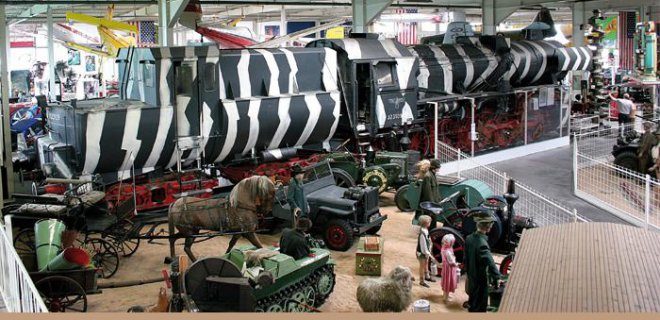
Industrial Heritage: A Timeline of Technology
If you are looking for a place that visually chronicles the leap from hand-craft to heavy machinery, this museum is your destination. It functions as an archive of industrial and technological evolution, offering a tangible timeline that most visitors miss in standard city tours.
The institution opened its doors between 1982 and 1990. It was designed with younger demographics in mind, yet it has steadily grown in appeal over the decades. The crowd keeps growing.
What You Will See Inside
Stepping through the entrance feels less like entering a gallery and more like boarding a time machine. The journey begins at the dawn of the Industrial Revolution. You move forward through decades, watching artifacts shift from simple tools to complex systems.
The exhibits are specific and grounded. You will find:
* Clockmaking mechanisms – showing the precision engineering that started it all.
* Paper production tools – industrial presses that changed how information was spread.
* Weaving equipment – large looms that powered early factories.
* Various machines – mechanical devices that highlight the rapid adoption of technology.
The curation is so effective that the experience resembles watching a fast-forwarded documentary on Germany’s technological surge. It captures the pace of innovation without the noise.
Yavuz Sultan Selim Mosque
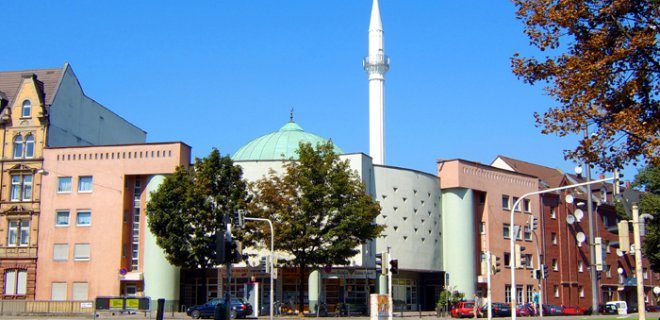
Mannheim’de ne yapmalı? Sadece barok sarayları ve modern sanat müzelerini mi gezmek gerekir? Cevap hayır. Şehrin ruhunu anlamak için, 1993’te inşaatına başlanan ama yapım süreci iki yıl süren Yavuz Sultan Selim Camii ’ni görmeniz şart. Bu, bölgedeki en büyük iki camiden biri. Modern mimari çizgileriyle dikkat çeken yapı, Hubert Geibler ve Mehmet Bedri Sevinçsoy’un imzasını taşıyor.
Neden buraya gitmelisiniz? Çünkü sadece ibadet için değil, mimari bir deneyim için de değerli. Caminin 30 metrelik minaresi Mannheim silüetine hakim. İnşa süreci, bölgedeki Müslüman cemaatinin kendi girişimleri ve çabaları sayesinde mümkün oldu. Bu detay, yapının sadece taş ve beton değil, toplumsal bir birliktelik ürünü olduğunu gösteriyor.
Yavuz Sultan Selim Camii’nde İbadet Deneyimi
Şehirde yaşayan Müslüman nüfusun gözbebeği haline gelen bu camide ibadet etmek, ayrı bir his. Ziyaretçiler için pratik tavsiye: Mannheim gezinizde programınıza mutlaka ekleyin. Sadece dışarıdan fotoğraf çekmek yetmez. İçerinin sakinliğini, modern tasarımın getirdigi ferahlığı ve ibadet atmosferini yaşayın.
Kunsthalle Mannheim
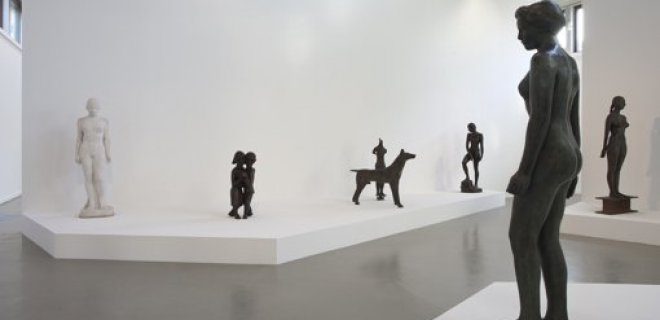
Modernist masterpieces in the heart of the city
You are looking for a museum where modern art collections are displayed. The most prestigious works of German and international modernism are found here. Paintings from the 19th and 20th centuries belong to important names like Friedrich, Dahl, Sisley, Pisarro, Heckel, and Götz.
The greatest interest, however, undoubtedly lies in seeing the sculptures by artists such as Belling, Bosslet, Brancusi, Rosso, Degas, and Marini. Since this is one of the contemporary art museums in Germany with the broadest collections, you must visit this institution.