Uruguay is often the South American destination people don’t know they want to visit until they’re already there. It’s small. Just under 180,000 square kilometers. Sandwiched between the massive economies of Argentina and Brazil, it doesn’t shout for attention. It whispers.
The capital, Montevideo, holds about a third of the country’s 4 million people. It’s the place where you land, where the rhythm is slower, and where the coffee is strong. The official language is Spanish, though the local accent has a lilt that takes a day or two to catch. The currency is the Uruguayan Peso. You’ll need it.
Why Uruguay Stands Out
This isn’t just another beach destination. Uruguay was the first country to implement an eight-hour workday. It has a literacy rate of 99%. It produces some of the best wine in the hemisphere. Locals drink 67,000 tons of it annually. That’s a lot of wine.
The climate is temperate. Summers are warm. Winters are cool, but rarely freezing. This makes it a viable year-round destination, though timing matters if you care about the beach.
Visa-free travel is a huge plus for many nationalities. You can show up with a passport and start exploring. No red tape. Just open roads and white sand.
Casapueblo: The White Fortress on the Cliff
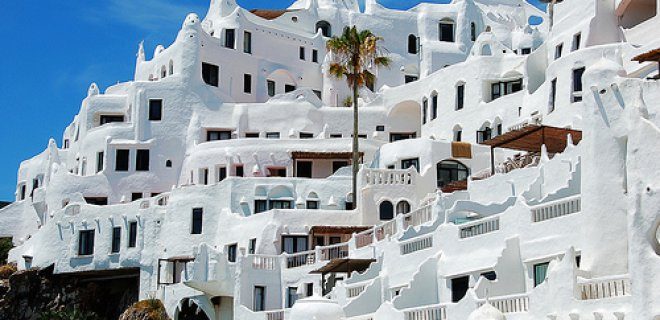
If you go to Punta del Este, you will hear about Casapueblo. It’s not just a hotel. It’s a manifesto in concrete.
Located in Punta Ballena, about 13 kilometers from Punta del Este, it clings to the cliffs like a barnacle made of white limestone. The architect was Carlos Paez Vilaro. He started it in 1960 as a summer house and art studio. He never stopped building it.
It took 36 years to complete.
Today, it’s a museum. A gallery. A cafe. A hotel. And a pilgrimage site for anyone who loves brutalist-meets-folk architecture. The views of the Atlantic are brutal in their beauty. You can stay here. You can eat here. You can wander the labyrinthine halls where Vilaro’s paintings cover every wall, floor, and ceiling.
It is Uruguay’s most famous tourist spot for a reason. It feels ancient. It feels new. It feels like nowhere else.
Where to Go Next
Beyond the coast, Uruguay unfolds into rolling hills and estancia lands. But for first-timers, the coast is the hook. Punta del Este offers luxury and nightlife. Montevideo offers history and culture. Colonia del Sacramento, a short ferry ride away, offers cobblestone streets and Portuguese colonial ghosts.
What to Eat
Uruguayans love meat. Specifically, beef. Asado is not just dinner. It’s a ritual. You’ll find ribs, chorizo, and morcilla (blood sausage) everywhere. Pair it with local wine. Malbec from the nearby Argentine border is common, but Uruguayan Tannat is the star. It’s bold. It’s tannic. It’s perfect.
Seafood is also key. Locro, a hearty stew, is a winter staple.
The Heartbeat of Montevideo
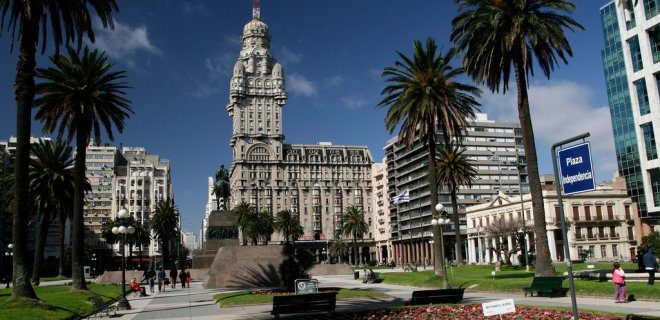
Plaza Independencia isn’t just a square. It’s the pulse.
Settled in the second quarter of the 19th century, this historic plaza sits right at the center of Montevideo. If you are navigating the city, this is where you start. The layout itself tells a story of shifting tastes. The original design came from the famous architect Carlo Zuchhi. But by the 1860s, Bernardo Poncini stepped in. He tweaked the design. He added changes that gave the space its current form.
You walk through it and you feel the weight of history. Government buildings line the perimeter. Administrative offices. Civil society headquarters. They watch over the square. Statues stand guard too. Many of them. They commemorate the figures who shaped the nation.
The space is designed for people. Paved walkways cut through. Trees provide shade. Benches offer places to sit and watch the world go by. It’s not just a monument. It’s a living room for the city.
For anyone asking how to plan a trip to Montevideo, this plaza is mandatory. It’s the anchor. From here, you can see the Casa Polaca. You can see the Arch of the City. You can see the old customs house. The views shift depending on where you stand.
“Plaza Independencia is the political, administrative, and social heart of Montevideo.”
It’s easy to skip. It’s just a square, right? No. It’s the best place to orient yourself. The energy changes throughout the day. Morning light hits the statues. Evening brings crowds and street performers.
If you’re looking for best places to visit in Montevideo, this is number one. It’s central. It’s accessible. It’s free.
The surrounding area buzzes. Cafes spill out onto the pavement. Locals read newspapers. Tourists take photos. The contrast between the neoclassical architecture and the modern city life is striking. You hear the traffic. You smell the coffee. You see the river in the distance.
Why does it matter? Because it connects the past to the present. The buildings aren’t ruins. They’re still in use. The people still gather here. It’s not a museum. It’s a meeting place.
Want to know what to see in Montevideo? Start here. Walk the perimeter. Count the statues. Find the bench with the best view. Then keep walking. The rest of the city unfolds from this point.
The Hand Rising from the Sand
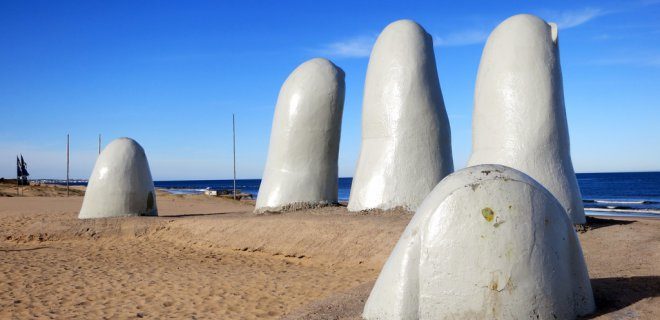
The landscape at Brava Beach shifts abruptly. You are walking on soft dunes, the Atlantic wind tugging at your clothes, when a massive, rusted structure breaks the horizon. It is not a rock formation. It is a hand. Or rather, the upper half of one, emerging from the sand like a prisoner breaking free.
This is the Mano de Punta del Este.
Located in Uruguay’s upscale resort town of Punta del Este, this monument is impossible to miss. It dominates the skyline, visible from miles away if you know where to look. But the approach matters. You don’t just stumble upon it. You seek it out on the wilder edge of the coast, far from the manicured sands of the main tourist strips.
The artist is Mario Irarrázabal, a Chilean sculptor with a taste for the dramatic. He finished the piece in 1982, during a period when Uruguay was politically turbulent. The hand’s origin is debated. Some say it symbolizes the desperate grasp for freedom during the military dictatorship. Others argue it is simply an aesthetic response to the desert-like terrain of the peninsula. Irarrázabal himself remained cryptic, letting the image speak. That ambiguity is part of its power.
The locals call it Los Dos (The Two). Why? Because the original plan was for a pair of hands. Two hands rising from the sand, palms facing each other. But the second one never materialized. The funding ran out? The artist lost interest? Or did he realize that one hand, reaching up with such lonely intensity, was more potent? Now there is only one. A solitary, six-fingered giant (yes, it has six fingers, a deliberate choice by the artist) standing guard over the beach.
Visiting requires a bit of logistics. It is not in the city center. You need a car or a taxi to get to Brava Beach. Once you are there, the hand sits on a slight rise above the shoreline. The sand around it is firm, packed by the wind and the feet of tourists. There is no ticket booth. No guided tours. Just you, the wind, and the steel.
The material is Corten steel, which rusts naturally. Over the decades, it has turned a deep, burnt orange. It matches the sunset here perfectly. If you visit in the late afternoon, the light hits the fingers just so. The shadows stretch long across the dunes. The contrast between the organic curve of the fingers and the industrial texture of the metal is striking.
Is it worth the detour? Absolutely. It is one of Uruguay’s most recognized icons. But don’t expect a museum experience. It is raw. It is exposed. The beach can be windy. The sand gets everywhere. And the hand itself? It looks tired. Like it’s been waiting for a long, long time.
You might find yourself staring at it for five minutes. Or five hours. The scale is deceptive. From the ground, the fingers look human-sized. But step back. Look up. The thumb alone is taller than a two-story house. The wrist disappears into the dunes, buried in the earth. It feels less like a statue and more like a geological event that happened to take human form.
There are no benches nearby. You stand on the sand. You squ
Finding the Artist in Ciudad Vieja
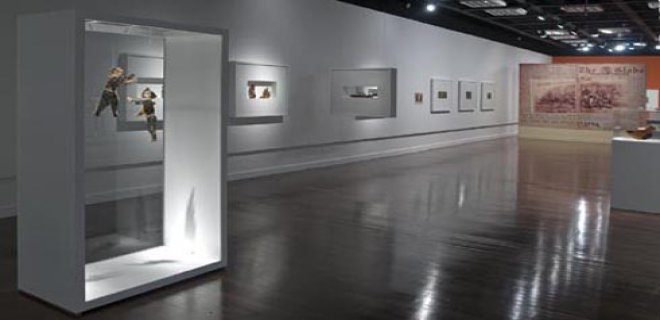
If you are wandering through the cobblestone streets of Montevideo ’s historic Ciudad Vieja district, you will likely stumble upon a building that doesn’t scream “museum” from the outside. But inside, the Torres Garcia Museum holds the keys to understanding the artistic soul of Uruguay. This isn’t just a repository for dusty artifacts; it is the former home and studio of Joaquin Torres-Garcia, the man who put Uruguayan art on the global map.
The museum operates on a simple premise but delivers a complex experience. You are walking through the spaces where he lived, worked, and eventually passed away in 1949. The city finances the institution, which keeps admission relatively accessible and ensures the preservation of a massive collection that includes paintings, drawings, original writings, and extensive archives. But here is the real draw: the furniture. He didn’t just move in; he designed the very pieces you sit on. The eclectic mix of objects reflects his eclectic mind.
Why does this place matter? Because Torres-Garcia wasn’t just a local hero. His connection to Pablo Picasso and the European avant-garde is well-documented within these walls. Seeing sketches that bridge the gap between Montevideo and Paris changes how you see the city’s culture. It shifts from a colonial outpost to a genuine hub of modernist innovation.
The museum attracts roughly 100,000 visitors annually, which sounds like a lot until you realize how spread out the city’s cultural offerings are. You won’t feel swarmed. The flow is quiet. The portraits painted by Torres-Garcia themselves hang alongside works by his contemporaries, creating a dialogue across decades.
Practical details for your itinerary:
- Location : Deep in the heart of Ciudad Vieja. You can walk here from most central hotels in under 15 minutes.
- Cost : Since it is municipally funded, check the current day-pass rates, but expect it to be one of the most affordable cultural stops in the city.
- Timing : Allow at least 45 minutes. The collection is dense, and the architecture is part of the exhibit.
- What to look for : Don’t just glance at the canvases. Look at the objects and furniture. His aesthetic was total—every surface was an opportunity for art.
It’s easy to skip this for the newer galleries in the Pocitos neighborhood. Why? Because they are shinier. But if you want to understand the structural integrity of Uruguayan creativity, you start here. The archives reveal how he fought to maintain his identity while embracing international trends. That tension is palpable in the quiet halls.
You leave feeling like you’ve peeked behind the curtain. Not just of a museum, but of a mindset. The city outside still looks the same. The traffic still honks. But now you see the lines differently.
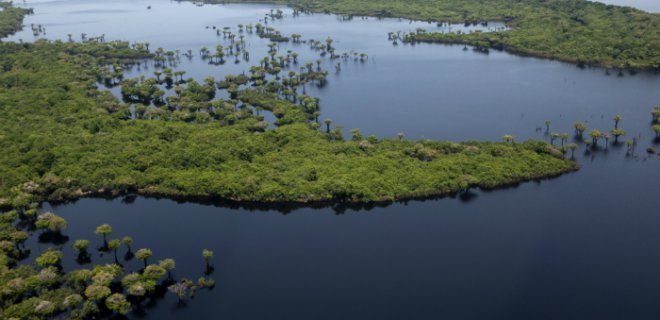
The Rio Negro: Hydropower Hub and Fishing Destination
If you’re charting a course through Uruguay ‘s interior, the Rio Negro dominates the landscape. It doesn’t just wind through the country; it defines it. Originating in the mountainous regions of southern Brazil, this river carves a 750-kilometer path before emptying into the Uruguay River. The journey is punctuated by man-made wonders: a series of dams and hydroelectric plants that generate much of the region’s power.
But looking at the water reveals more than just engineering. The Rio Negro is a haven for anglers. Its waters are teeming with diverse fish species, making it a prime spot for fishing activities in Uruguay. Travelers often head here not just for the scenery, but to cast a line. The reservoirs created by the dams offer calm, deep waters that are ideal for both novice and experienced fishermen.
The Rio Negro transforms from a wild mountain stream into a structured resource, balancing energy production with recreational potential.
For the traveler, the river offers a stark contrast to the coastal resorts. It’s industrial yet natural. You’ll see barges moving goods, hydroelectric towers standing tall against the sky, and locals waiting patiently by the banks with rods in hand. It’s a working river, but one that has successfully pivoted to become a tourist destination in Uruguay.
Visiting requires a bit of planning. The best spots for fishing often require local knowledge or guides, especially if you’re targeting specific species. The dams themselves are engineering feats worth a photo stop, but the real draw is the water. Bring your gear. Check the local regulations. The fish are there. The question is whether you’ll catch anything.
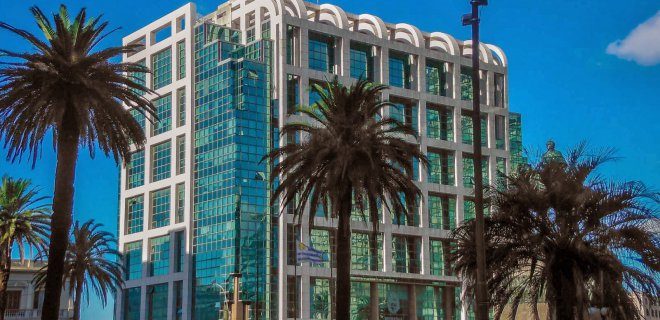
The Executive Tower: Montevideo’s Vertical Landmark
If you’re walking through the Centro district, you can’t miss the Executive Tower. It’s one of those buildings that demands attention, mostly because it’s been through a few lives. Construction started in 1965, wrapped up in 1973, but then… nothing. For over a decade, the 35-meter, 12-story structure sat empty, a concrete ghost haunting the skyline.
It wasn’t until 1985 that it finally saw use as the workplace for the President of Uruguay. But the real makeover happened later. In 2008, architects stepped in to give it a new soul. They didn’t just renovate; they blended classic elegance with modern lines, creating a hybrid style that fits surprisingly well in the capital.
Today, it’s not just an office block. It’s a symbol. Montevideo’s skyline is defined by a few key silhouettes, and this tower is firmly in that club. When you’re planning your walk around the government quarter, take a moment to look up. The contrast of the older architectural bones with the newer, sleeker additions tells a story of a city constantly rewriting itself.
“The blend of classic and modern architecture gives the tower a unique presence that anchors the surrounding neighborhood.”
Why does this matter for your trip? Because it’s a easy, free anchor point for your itinerary. You don’t need to pay for a tour. Just find the Plaza Independencia area and walk toward the waterfront. The tower stands as a reminder that even abandoned projects can become icons if given the right vision. It’s sturdy, historic, and impossible to overlook.
Next time you’re in Uruguay, keep an eye out for how public buildings evolve. This one went from stalled construction to presidential hub to modern landmark. It’s a practical lesson in urban resilience, disguised as a skyscraper.
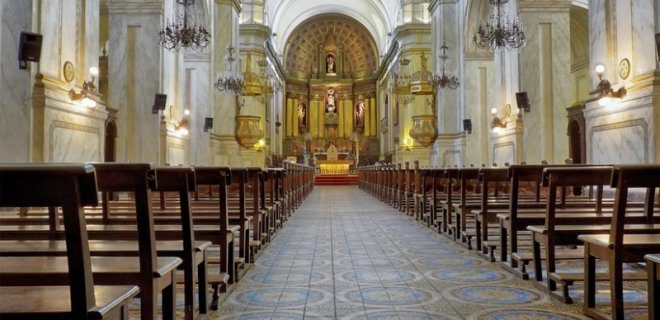
The Weight of History in Ciudad Vieja
It sits right in the heart of Ciudad Vieja, dominating the skyline with a presence that feels heavier than its brick and stone. This is the Montevideo Metropolitan Cathedral, a structure that doesn’t just occupy space but defines it. If you are looking for the spiritual anchor of the city, this is it. Built in 1804, the cathedral stands as one of the most significant examples of Neo-Classical architecture in all of Uruguay.
The choice of brick over marble or granite gives it a distinct, grounded character. It’s not flashy. It’s solid. You walk in, and the silence hits you. The interior is vast, echoing with the footsteps of centuries. Dedicated to Saints Philip and James, the cathedral serves as the seat of the Roman Catholic Church in the region. It’s not just a tourist stop. It’s a living, breathing entity.
Why does it matter? Because it survived. It has been through political shifts, social changes, and the slow erosion of time. Standing there, you can feel the weight of those years. The architecture is clean, precise, and unapologetically classical. Columns rise to support the ceiling. Light filters through high windows. It’s a study in restraint.
Visitors often ask where the best time to visit is. Morning is best. The light is soft, the crowds are thin. You can actually hear yourself think. Afternoon brings heat and noise. Stick to the early hours. You’ll get more out of the space, and the photos will be better.
Is it worth skipping other sights to see this? No. But you shouldn’t leave Montevideo without stepping inside. The cathedral is a mirror of the city itself: dignified, complex, and enduring. It demands respect. Give it that.
Juncal Adası: Uruguay’ın Saklı Cenneti
Canal de Camacho’nun sularıyla Uruguay’ın kıyı şeridini ayıran Juncal Adası, coğrafi olarak izole bir dünya. Adanın boyutları şaşırtıcı derecede kompakt. Yaklaşık 5 km uzunluğa ve 2 km genişliğe sahip. Bu ölçüler, adanın tek bir gün içinde yaya olarak keşfedilebileceği kadar küçük, ancak yeterince büyük olması nedeniyle sakinlik vaat eden bir yapıya sahip olduğunu gösteriyor.
Buradaki bitki örtüsü sadece güzel değil, aynı zamanda oldukça yoğun. Ağaçlar ve çalılar, adanın iç kısımlarını serin bir gölgeyle kaplarken, kıyı şeridinde durum biraz daha farklı. Sular, birçok balık türüne ev sahipliği yapıyor. Bu da sadece manzara izlemekle kalmayıp, suyun içindeki hayatı da gözlemlemek isteyenler için doğal bir akvaryum sunuyor.
Juncal Adası’nın en büyük kozu, kumsallarının temizliği ve havasının kalitesi. Uruguaylılar için bu ada, yılın en yoğun tatil döneminde bile kaçış yapabildikleri nadir noktalardan biri. Komşu ülkelerden gelen ziyaretçiler de benzer bir arzuyla buraya akın ediyor. Tertemiz hava, sadece ciğerleriniz için değil, zihinsel bir reset için de gerekli.
Neden herkes bu adayı bilmiyor? Belki de ulaşımın biraz zorluğu, belki de reklamının az yapılması. Ancak sonuçta, Juncal Adası, Uruguay’ın turistik haritalarında tam anlamıyla parlayan bir yıldız olmaktan çok, gözden ırak duran bir mücevher gibi. Kumsallarında vakit geçirmek, kuş seslerini dinlemek ve sakinliği hissetmek istiyorsanız, burası tam size göre.
Hazır mısınız? 🏝️
Estevez Palace: Inside the President’s Former Home
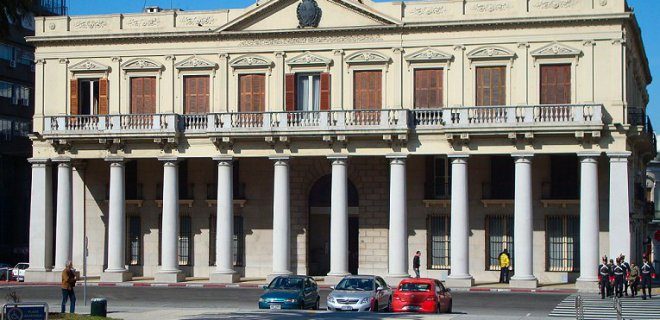
If you are wandering the cobblestone streets of Montevideo’s old quarter, the Estevez Palace is impossible to miss. Its neoclassical facade stands out, but don’t just snap a photo and walk on. This isn’t just another government building; it is the residence of the President of Uruguay, a role it still holds today.
The structure has a specific origin story that shapes what you see now. Built rapidly between 1873 and 1874, it was designed in a strict classical style that screams 19th-century power. But here is the twist that makes it worth your time: while the current president lives there, the palace also functions as a museum for the public.
What You Will Actually See
You might expect grand halls filled with gold leaf and dynastic portraits. Instead, you find a curated collection of handmade artifacts and historical artifacts linked to Uruguay’s past state presidents.
The museum aspect is distinct because it focuses on the personal and political legacy of the nation’s leaders through tangible objects. It’s not a sprawling estate with endless gardens. It is an intimate look at how Uruguay’s executive power has been exercised over the last century.
Why It Matters for Your Itinerary
This is one of the most important historical sites in Montevideo. If you are planning a trip to Uruguay, skipping this place means missing a core piece of the country’s political identity.
Key details for visitors:
* Location: It sits in the heart of Montevideo, making it easy to combine with a walk through the Ciudad Vieja.
* Value: It offers a rare glimpse into the private lives of public figures in a country with a stable democratic history.
* Atmosphere: The classical architecture provides a quiet, dignified contrast to the busier tourist spots nearby.
The palace serves as a bridge between the official duties of the current administration and the historical narrative of the nation. It is a place where history is not just displayed but actively housed.
Does a president’s home need to be a museum? In Uruguay, the answer is yes, and it works better than you might think. The collection isn’t overwhelming. It is focused. You walk through rooms that feel lived-in yet preserved, looking at objects that tell the story of leadership without the usual pomp.
For many travelers, the appeal lies in the simplicity. No long lines. No expensive tickets. Just a direct line to the country’s past. It is a small stop, but it anchors the historical weight of the capital. You leave with a clearer sense of how Uruguay views its own history.
The city moves around you. The palace stays still. And that contrast is what makes the visit stick.
Solis Tiyatrosu: Montevideo’nun Tarihi Kalbi
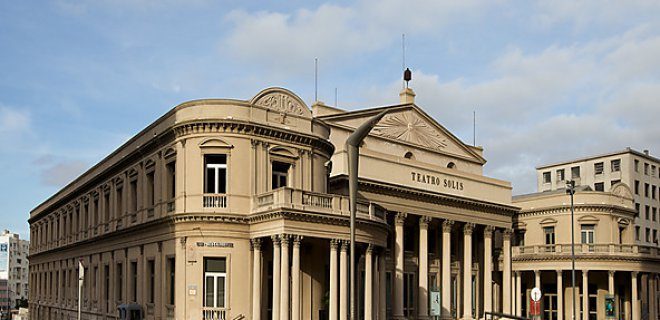
Montevideo’da bir tiyatro arıyorsanız, rota Solis Tiyatrosu olmalı. Şehrin kalbi sayılan Plaza Independencia ’da durur. 1856’da inşa edildi. O tarihten beri Uruguay’ın en eski tiyatro binası unvanını koruyor. Sadece bir yapı değil. Kentin kültürel hafızası.
İçeri girdiğinizde kendinizi başka bir dünyada bulursunuz. 1998 ile 2004 yılları arasında kapsamlı bir yenilemeden geçti. Eski ihtişamı geri getirildi. Şimdi çok değerli tiyatro oyunlarına ev sahipliği yapıyor. Biletleri erken alın. Doluyor.
Plaza Independencia’nın hemen yanında. Gezinirken ayağınız buraya uğrayacaktır. Dışarıdan bile görkemli. İçerisi ise bir zaman makinesi. Tarih meraklıları için vazgeçilmez.
“19. yüzyılın ruhunu 21. yüzyılın konforuyla yaşayabileceğiniz nadir mekanlardan biri.”
Ne zaman giderseniz gidin, mimari detaylara bakın. Tavanlardaki freskler, oyma ahşaplar… Her köşesi bir hikaye anlatıyor. Montevideo’nun en ikonik mekanlarından biri. Kaçırmayın.
Colonia’daki lüks sığınak: Spa Hotel La Reserve
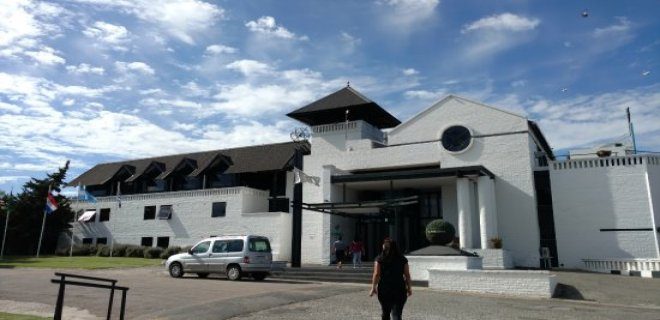
Cesur kararlar verme vakti geldi. Uruguay’ın en eski kasabası Colonia del Sacramento’da, denizin tuzlu kokusu burnunuza dolarken huzur arıyorsanız, Spa Hotel La Reserve listede ilk sıralarda olmalı. Burası sadece bir otel değil, şehrin kalabalığından kaçıp kendinizi şımartmak için tasarlanmış bir kaçış noktası.
Otel, sahilden sadece 50 metre uzakta konumlanmış. Bu mesafe, sabahları güneşi deniz kenarında karşılayıp, akşamları ise plajdan dönerken soğuk bir havlu veya sıcak bir kadeh şarapla kendinizi ödüllendirebileceğiniz ideal bir uzunlukta. 5 yıldızlı statüsüne rağmen, 7.5 ortalama puanıyla çok iddialı değil; daha çok “güvenli, konforlu ve estetik” arayan gezginler için tasarlanmış.
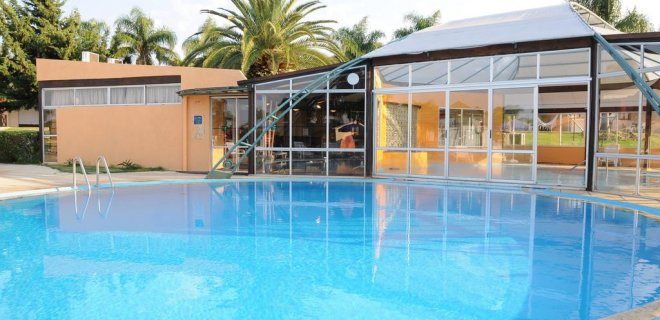
İçerisinde hem açık hem de kapalı yüzme havuzları bulunuyor. Hava koşulları ne olursa olsun, yüzme ihtiyacınızı karşılayabilirsiniz. Ücretsiz wifi altyapısı ise modern yolcuların vazgeçilmezi olan iş görüşmeleri veya sosyal medya kontrolleri için sorunsuz bir şekilde çalışıyor.
Tam donanımlı bir spa ve sağlıklı yaşam merkezi sunması, bu oteli sadece uyumak için değil, dinlenmek ve enerji toplamak için de çekici kılıyor. Colonia’nın dar sokaklarında kaybolmak yerine, günde bir iki saat buradaki termal suların veya masajlarının keyfini çıkararak kendinizi yeniden inşa edebilirsiniz.
Why Arapey Oasis Termal Hotel is the Best Thermal Spa Hotel in Uruguay
Most travelers looking for best thermal spa hotel in Uruguay end up in Colonia del Sacramento, but the real relaxation isn’t in the city center. It is about forty minutes north, near the town of Arapey. The water there isn’t just warm. It is mineral-rich, sourced from deep underground, and famously good for your skin and joints.
The Arapey Oasis Termal Hotel sits right on the edge of this experience. You aren’t driving to a spa after a day of sightseeing. The thermal pools are five meters from your room. Five meters. You can step out of your air-conditioned suite, walk two steps, and dive into water that feels like a heavy, warm hug.
The property is a four-star setup. It doesn’t pretend to be a luxury palace. It is practical. It is comfortable. It is built for people who want to soak, not for people who want to be served champagne by a butler. The guest score sits at an 8.5. That is solid. It means the basics are done right. The beds are good. The Wi-Fi is free and works. The location does the heavy lifting.
What You Get for Your Money
The price range is broad. Expect to pay between 56 € and 290 € per night.
The lower end gets you a standard room. It is clean. It is functional. It has air conditioning, which is non-negotiable in a Uruguayan summer. The upper end gets you more space, perhaps a better view of the wetlands, or a larger balcony. But the core experience remains the same. The thermal water is included. You aren’t paying extra to touch the good stuff.
The pool area is dominated by two large swimming pools filled with the thermal water. There are hydrotherapy jets too. If you have a sore back, the jets will find it. They will massage it. You might hate them for a second, then love them. There is a full spa on-site for massages and treatments if you want to go beyond the water. But honestly? The water is the main event.
Is It Worth the Trip?
Colonia del Sacramento is a beautiful colonial town. It is walkable. It has cobblestones and old forts. But it is crowded. It is busy. The heat can be oppressive.
Arapey is different. It is quieter. The air is fresher. The landscape is flat, grassy, dotted with wetlands. It feels remote, even though it is only an hour from Montevideo or two hours from Buenos Aires by ferry and car.
The Arapey Oasis Termal Hotel is the gateway to this. You stay here, you soak, you sleep, you repeat. If you want nightlife, this isn’t it. If you want a quiet, restorative break, it is ideal. The proximity to the thermal sources is the selling point. Most spas have to pipe the water in. Here, it is literally at your doorstep.
Practical Details
- Address: Juan Manuel Blanes 104, Colonia del Sacramento. Yes, the postal address says Colonia, but the physical location is closer to Arapey. Don’t let the address confuse your GPS. Follow the signs for A
Frontier Hotel Rivera: A High-Score Stay in the Border City
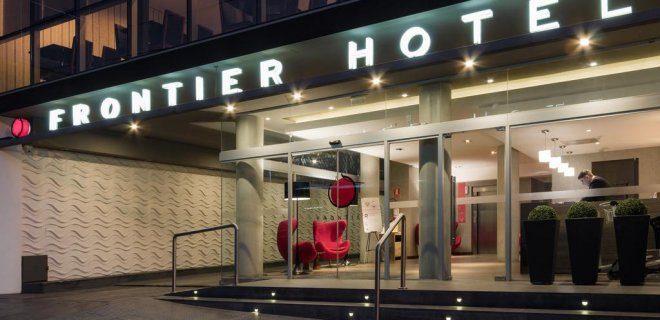
If you are looking for a place to crash in Rivera with a track record that speaks for itself, Frontier Hotel Rivera is worth a hard look. It sits right in the heart of the Uruguayan border city, separated from Brazil only by a few blocks and a river. For travelers trying to decide where to stay while navigating the Uruguay-Brazil border crossing, this spot offers a reliable base.
The hotel has earned a 9.4 out of 10 in visitor ratings. That is not a typo. In a hospitality industry where scores often hover around the 7s and 8s, a 9.4 signals something specific: consistency. Whether you are a solo backpacker or a couple on a weekend getaway, the consensus here is overwhelmingly positive. It carries a 4-star designation, which usually implies a certain standard of comfort and service that smaller hostels or budget motels simply can’t match.
You get what you pay for with the amenities. There is a fitness center on-site, which might seem small for a border town, but it is a welcome addition for those who refuse to let their workout routine slip up during travel. More importantly, there is a sunbathing terrace. Rivera can get hot, especially in the summer months. Stepping out onto that terrace after a long day of wandering the Mercado de la Frontera or crossing back into Brazilian territory offers a quiet moment to decompress.
Connectivity is handled with free Wi-Fi. This is standard now, but in many South American border towns, free internet is either spotty or non-existent. Having stable access allows you to book your next leg of the journey, translate signs, or just video call home without hunting for a café.
Logistics matter here. The hotel offers paid private parking. If you are renting a car to explore the surrounding salt flats or drive further south toward Salto, knowing you have a secure spot to leave your keys is a huge relief. Street parking in Rivera can be hit-or-miss, and security is always a concern for travelers leaving valuables in the vehicle.
As for the rooms, they are equipped with flat-screen TVs that include satellite channels. It is a small detail, but after a day of navigating chaotic bus terminals or border queues, settling in to watch a familiar show or catch the news is a genuine comfort. The bed quality and room cleanliness likely contribute to that high 9.4 rating, even if the online description doesn’t explicitly list thread counts or mattress brands.
Price Range:
You should expect to pay between €71 and €141 per night. This places it in the mid-to-upper range for Rivera. It is not a luxury resort, but it is certainly not a dorm bed. You are paying for the reliability, the location, and the verified guest satisfaction. If you are on a tight shoestring budget, you might find cheaper options, but you likely won’t find the same level of consistent service or private parking convenience.
Is it the only place to stay in Rivera? No. But if you want a no-nonsense, highly-rated 4-star experience with good amenities and a terrace to escape the heat, this is a strong contender.
You are in Trinidad. The heat is still clinging to the asphalt from the afternoon sun. You need a place to drop your bags before the evening hits. You are looking for somewhere central, somewhere with a pool to cool off, and somewhere that actually delivers on its promises.
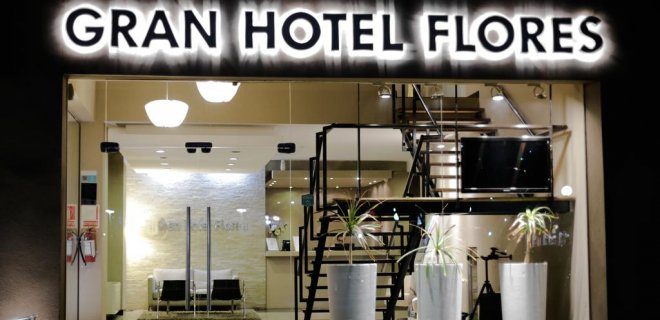
This is where Gran Hotel Flores enters the picture. It sits right on Constitution Square. Not a block away. Not a ten-minute walk through back alleys. Right there. In the heart of the city center.
The price tag for a night here ranges from €68 to €162. That is a wide spread. Why such variance? Seasonality. Demand. Room type. But even at the higher end, you are paying for location and a specific kind of comfort. At the lower end, you are gambling on availability but still getting a solid 4-star experience.
Why the 9.7 Score Matters
Most hotels in Uruguay boast about their service. Gran Hotel Flores has a user rating of 9.7 out of 10. That is not just “good.” That is exceptional. It suggests that the minor friction points you expect in travel—slow check-ins, noisy neighbors, cold showers—are practically nonexistent here.
The rooms are quiet. You will appreciate that. Trinidad is not a party hub like Punta del Este. It is a sleepy colonial town. But even so, a good night’s sleep is valuable. Each room has its own private bathroom with a shower. Climate control (A/C) is standard. In a region where humidity can make the air feel like soup, having a reliable thermostat is not a luxury. It is a necessity.
The Amenities: What You Actually Get
There is a swimming pool. It is on-site. You do not need to hike across town to find one. There is also a restaurant. You can eat dinner without getting back in the car. Breakfast is included. This is often the dealbreaker for travelers. Do you want to spend your morning hunting for coffee and pastries, or do you want to eat within the hotel and start your day on your terms?
Wi-Fi is free. In many parts of Uruguay, connectivity can be spotty outside of major cities. Here, it is reliable. You can stream, you can work, you can share your photos. It is not a gimmick. It is a working utility.
The Logistics of Staying Here
Address: 337, Ituzaingó, 40000 Rivera, Departamento de Rivera, Uruguay.
Phone: +598 4624 0476.
If you are planning a trip to Rivera, you are likely crossing over from Brazil. Rivera is the Uruguayan side of the border town that shares a name with its Brazilian neighbor, Rivera (Brazil). It is a border state. The vibe is different. Less frantic than Montevideo. More laid-back.
Gran Hotel Flores is your anchor in Trinidad, which is the capital of the Rivera department. Trinidad is not a tourist trap in the traditional sense. You will not find thousands of visitors swarming the streets. You will find locals. You will find history. You will find the Constitution Square, where the hotel is located.
Is It Worth the Price
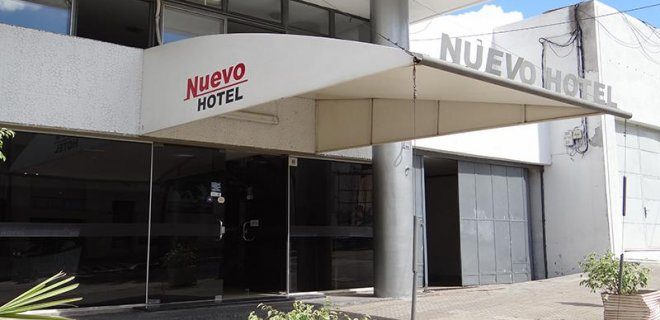
If you are navigating the rigid grid of Rivera, Uruguay, and want a place that actually feels like a hotel rather than a converted house, this is the one. We are looking at Nuevo Hotel Rivera, a property that has somehow squeaked past the usual budget-hotel mediocrity to earn a staggering 9.1 out of 10 from guests. That is not a rounding error. That is serious praise in a market where “excellent” is often just code for “the bed was made.”
The Rivera Connection and Stadium Proximity
The hotel sits at a practical distance from the city’s main pulse: the Atilio Paiva Olivera Stadium. It is exactly 1.3 kilometers away. For a traveler watching their step count or their wallet, that is the sweet spot. You are close enough to walk it off in fifteen minutes if the wind is at your back, but far enough away that the roar of a football crowd won’t keep you awake at 2 AM.
The location is not just about the stadium, though. Rivera is a border city, a place where Portuguese spills over into Spanish at the local bakery. Staying here puts you in the thick of it without being crushed by it.
What You Actually Get for the Price
The room specs are standard, but executed with care. You get air conditioning (non-negotiable in July, highly desirable in January), a private bathroom, and satellite TV. It sounds generic until you realize that in many Uruguayan motels, the AC is an afterthought and the bathroom shares a hallway. Here, the privacy is real.
Then there is the free Wi-Fi. In Uruguay, internet can be spotty outside the major cities of Montevideo and Punta del Este. Rivera is good, but a hotel that guarantees free, reliable Wi-Fi is a lifeline for remote workers and anyone who needs to check flight statuses without hunting for a café outlet.
The Breakfast Factor
The article mentions a buffet-style breakfast. In budget hotels, this is often where the rubber meets the road. Is it just stale bread and instant coffee? Or is there actual tostadas, queso fresco, and strong café con leche? The high rating suggests the latter. Travelers in Uruguay will tell you that breakfast is the most important meal of the day, especially when you are planning to cross the border into Brazil for lunch.
Cost vs. Value
The price range is listed as 58 € to 153 € per night.
Let’s break that down. At 58 €, you are getting a steal. That is less than a night in a mid-range hostel in Barcelona. At 153 €, you are paying for peak season or a larger suite. But considering the 9.1 rating, even the higher end feels justified. You are paying for the silence, the cleanliness, and the fact that the receptionist actually speaks enough English to help you when the bus schedule is wrong.
Who Should Book This?
This is not for the luxury seeker. There are no marble lobbies or room service menus. But if you are in Rivera to explore the northern frontier, to visit the Museo del Chamarra,
Av Gral Artigas, 60008 Guichón, Paysandú departmanında bulunan bu mekanın kapılarını aralamak için +598 4742 2213 numarasını çevirmeniz yeterli. Uygun bütçeli bir gezi planlıyorsanız, gecelik 33 € ile 55 € arasındaki fiyat bandı, cüzdanınızı yormadan konforlu bir gece geçirmenizi sağlar. Bu fiyat aralığı, Uruguay’ın daha pahalı başkenti Montevideo’ye kıyasla oldukça cazip duruyor.
Uruguay’da ne yenir?
Uruguay mutfağı tahıl ağırlıklıdır. Uruguaylıların vazgeçemediği yiyecek ise ettedir. Konserve sığır eti üretimiyle dünyanın en meşhur ülkesi olan Uruguay için bu kesinlikle kaçınılmaz. Özellikle parilladas dedikleri ızgara et restoranlarına çok sık rastlayacağınız ülkede İtalyan göçünün bunda etkisi büyüktür.
Atlantik kıyılarında deniz mahsullerinin ağırlıkta olduğu bir menüyle karşılaşabilirsiniz. Ülke mutfağında en çok tercih edilen balık ise barlam balığıdır.
Bodega Bouza
Kendi ülkesinin mutfağını ele alan bu restoran, vejetaryen dostudur. Bodega Bouza, sizlere öğle yemeği, gece eğlencesi ve içecek hizmeti vermektedir. Ücretsiz wifi ve tüm içkileri bulundurmaktadır.
Bodega Bouza, pazar günleri hizmet vermemektedir. Diğer günler ise 09:00 – 19:00 saatleri arasında hizmet vermektedir.
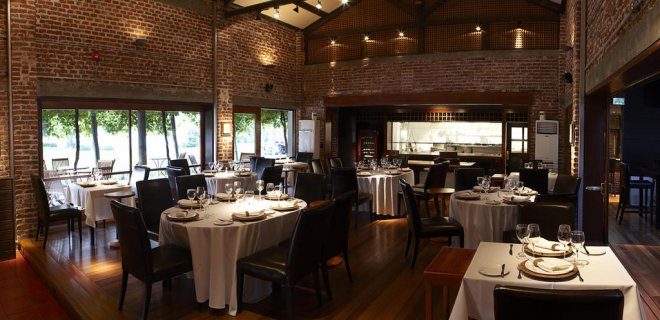
Francis Restaurant: Seafood with a Twist
If you are looking for a meal that doesn’t take itself too seriously, head to Francis Restaurant. It’s one of those places where you can grab a bite at lunch, settle in for dinner, or just kill time with drinks late into the night. The vibe is relaxed, the menu leans heavily on fresh seafood, but don’t worry if you’re not eating fish. They are genuinely vegetarian-friendly, which is a rare and welcome treat in coastal towns that tend to ignore anyone without an appetite for shellfish.
The Logistics:
* Location: Cno. de la Redención 7658, 12500 Montevideo, Uruguay. Note that while the name often pops up in Punta del Este guides, this specific address is in Montevideo. If you are in Punta del Este, double-check if there is a similarly named spot or if this is a branch, but for this specific listing, you are headed to the capital.
* Phone: +598 2323 4030
* Hours: They keep it simple. Open every single day. Lunch runs from 12:00 to 15:30. Dinner kicks off at 20:00 and goes until 00:00.
Why does the timing matter? Because in Uruguay, dinner at 8 PM is early. By midnight, the kitchen is still open, which fits the late-night rhythm of the city. Whether you are a night owl or just hate being rushed out of a good meal, this place accommodates both.
“Vegetarian-friendly seafood spot in Montevideo that stays open late.”
It’s not fancy. It’s not trying to be. It’s just solid food, reliable hours, and a menu that respects different diets. If you are wandering around Cno. de la Redención, stop in. You’ll eat well, and you won’t have to compromise on what you want to put on your plate.

La Pulperia: A Vegetarian-Friendly Bite in Montevideo
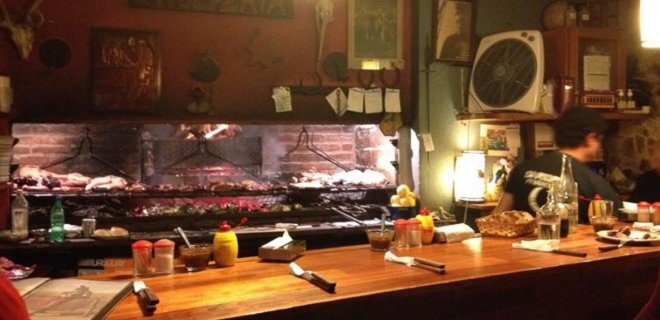
Finding good plant-based options in Uruguay can feel like a scavenger hunt, but La Pulperia on Luis de la Torre 502 changes the game. It’s not just a side note on the menu; the restaurant leans into South American cuisine while keeping things firmly vegetarian-friendly.
The vibe shifts depending on when you show up. You can grab a quick lunch, settle in for dinner, or stay for late-night drinks.
Hours to know:
– Closed Mondays
– Sundays: 12:00 – 16:00
– Other days: 19:00 – 00:00
Plan around the Sunday window if you want daytime food. For dinner, the clock starts at 7 PM. Call ahead at +598 2711 8603 to save a seat.
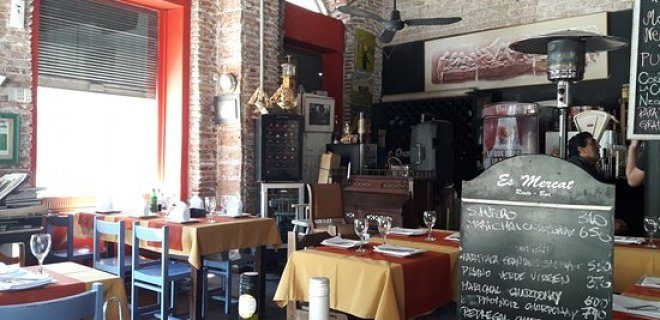
Es Mercat: Spanish Flair in Montevideo
If you are craving authentic Spanish flavors but keep your plate plant-based, Es Mercat in Montevideo is your answer. Located at Lagunillas, 11300 Montevideo, this spot bridges the gap between traditional Iberian cuisine and modern vegetarian dining.
Why Es Mercat?
Most Spanish restaurants don’t cater to vegetarians, but Es Mercat makes it a priority. You can enjoy hearty, flavorful meals without compromising your dietary choices.
When to Visit:
– Lunch: Midday hunger? They serve a full menu.
– Dinner: Evening cravings? They are open for dinner too.
What to Expect:
– 🥗 Vegetarian-Friendly: Entirely suitable for vegetarians.
– 🍷 Full Bar: A wide selection of drinks to accompany your meal.
– 📞 Contact: +598 2710 8657
Pro Tip:
Call ahead or visit during off-peak hours to avoid crowds. The location is easy to find, and the vibe is relaxed.
“Spanish cuisine meets vegetarian excellence.”
Logistics:
– Address: Lagunillas, 11300 Montevideo, Uruguay
– Phone: +598 2710 8657
Bottom Line:
Es Mercat is a must-visit for vegetarians and foodies alike. It’s a place where flavor doesn’t come at the expense of your values.
Enjoy your meal! 🌱🇪🇸
Colón 1550, 11000 Montevideo, Uruguay
+598 2917 0169
Uruguay’a Ne Zaman Gidilir?
Uruguay ılıman bir iklime sahip. Bu cümle, gerçekte ne anlama geliyor? Yaz ayları sıcak, kışlar nemli ve rüzgarlı. Seyahat planını buna göre yapmazsan, pişman olabilirsin.
Turist akını Aralık’tan Mart’a kadar sürer. Bu dönem, ülkenin en yoğun ziyaret edildiği zaman dilimi. Özellikle sahil kasabalarında yoğunluk artar.
Şubat ayı deniz kenarında hayatın durduğu bir zaman. Sokaklar dolup taşar. Ocak ayı ise en kalabalık dönem. Herkes sahile akın eder.
Sıcaklıklar 30 derecenin üzerine çıktığı yaz mevsiminde, her şey daha canlıdır. Ama daha sıkıdır. Otel rezervasyonları zamanında yapılmalı.
Kış ve bahar ayları farklı bir atmosfer sunar. Genellikle yağışlı geçer. Nisan-Mayıs veya Eylül-Ekim gibi ara dönemler, kalabalıktan kaçanlar için daha uygun.
Sıcaklık daha düşük olur. Rüzgar daha çok eser. Ama şehri gezmek daha keyiflidir. Otel fiyatları düşer.
Uruguay’a gitmek için en iyi zaman hangisi? Cevap, ne aradığına bağlı.
Deniz ve güneş istiyorsan, Ocak veya Şubat seç.
Sakinlik ve keşif istiyorsan, Mayıs veya Ekim dene.
Sıcak hava, nemli havaya dönüşebilir. Yanında şemsiye bulundurmak mantıklı.
Uruguay’a Nasıl Gidilir?
There is no direct flight. You will need to transfer.
The most common routes run through Europe or Latin America. Frankfurt in Germany is a major hub. Madrid in Spain is another. From Istanbul, you look to these European gateways. Or you can fly via Miami, Panama City, or Bogotá.
Here is the catch. It changes everything about your trip planning.
If you transit through Latin American countries, you often do not need a visa. It’s straightforward. But cross the Atlantic to the US or Canada? That’s different. You need a visa. Even if you are just changing planes. Even if you stay airside.
Frankfurt is trickier. You don’t need a full Schengen visa. But you do need a specific transit visa for the airport. It’s a small detail. One you might miss.
How to Choose Your Route
So, which way should you go?
It depends on your passport. It depends on your patience.
For travelers from Turkey, the easiest path usually avoids the US entirely. A flight through Madrid or Paris keeps things simple. You land in Europe. You wait. You board the plane to Montevideo. No extra paperwork. No risk of being denied boarding because of a missed visa stamp.
Miami is fast. The flights are frequent. But the US visa requirement is a hard barrier. If you don’t have one, do not book it. You will be stuck.
Cost and Timing
How long does it take?
Expect 20 hours. Maybe 25. Direct flights are nowhere near 20 hours because they don’t exist. Add layover time. A 3-hour stop in Frankfurt adds up. A 6-hour stop in Madrid might let you stretch your legs.
Cost varies wildly.
A round-trip ticket from Istanbul to Montevideo (MVD) can range from $800 to $1,500 depending on the season. Fly in the shoulder months. April or October. Avoid July and August. That’s peak winter in the Southern Hemisphere. Prices spike. Weather is cold and wet.
What to Pack
You’re going to Uruguay. It’s not the Caribbean.
Pack layers. Even in summer. The wind off the Rio de la Plata is sharp. It cuts through thin jackets.
Bring a universal adapter. Uruguay uses Type C and Type I plugs. The voltage is 220V. Your laptop charger probably handles it. Your hair dryer? Not so much.
The Final Leg
Once you land in Carrasco International Airport (MVD), the city is 15 minutes away. Taxis are safe. They are metered. Agree on a price if the meter isn’t running. Ride-sharing apps work too.
The drive is short. You’ll see the ocean on one side, the city on the other. It’s not glamorous. It’s functional. That’s Uruguay for you.
You made it. No visas lost. No flights missed. Just a long day of sitting in an airport.
Now you’re here. What’s next? The beaches? The wineries? The colonial towns? That’s up to you. The plane ticket was just the first step.

Why Uruguayan Carnivals Matter More Than You Think
February hits different in Montevideo. The air feels heavier, charged with something you can’t quite name until the drums start. This is when Las Llamadas takes over. It’s not just a party. It’s a cultural heartbeat that pulls the entire city into the streets. If you’re planning a trip, timing is everything. Miss this window, and you miss the soul of the country.
The festival happens every February. Right now. If you’re reading this in the wrong month, you’re already late. But if you’re looking ahead, mark your calendar. The energy is concentrated in the Sur and Palermo neighborhoods. These aren’t just random streets. They’re the stage.
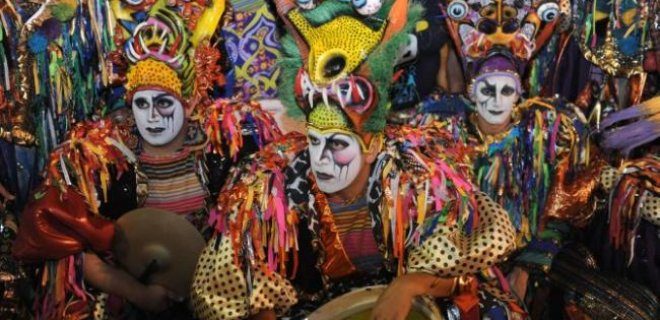
You’ll see dancers in costumes so bright they hurt to look at. The colors clash intentionally. It’s chaotic. It’s beautiful. Musicians carry drums the size of small cars. The sound doesn’t just enter your ears. It vibrates in your chest. You feel it in your teeth.
It reminds people of Brazilian carnivals. Sure. But that comparison sells it short. Las Llamadas has a rhythm all its own. It’s slower in some ways. More deliberate. Less about spectacle, more about presence. The drums dictate the pace. The dancers respond. There’s a call and response that has lasted for over a century.
Why do tourists flock here? Some say it’s the music. Others say it’s the costumes. But the real draw is the participation. You don’t just watch. You’re pulled in. Someone hands you a mask. A drum. You’re part of the flow. It’s hard to refuse.
April and September bring other festivals. They’re worth noting. But February is the peak. The Sur district gets packed. Parking is impossible. You walk. Or you take a taxi and walk the last block. The crowds are thick. Dense. You bump shoulders with strangers who become friends by the end of the night.
The drums are the key. Large drums. Hand-carved. Skins stretched tight. When the band starts, the silence breaks. It doesn’t fade out. It shatters. The sound rolls down the street. It echoes off the colonial buildings. It mixes with the laughter and the shouting.
Costs? Entry is free. Always. You don’t need a ticket. You just need to show up. Bring water. The humidity spikes when thousands of people are packed into a square. Wear comfortable shoes. Your feet will thank you. Or they’ll hurt. Either way, you keep moving.
What’s genuinely worth seeing? The main parade route. The intricate masks. The specific drumming patterns passed down through generations. Don’t just look at the front. Look at the faces. The concentration. The joy. It’s raw. Unfiltered.
If you’re asking which neighborhood is best, it’s Palermo. It’s slightly less chaotic than Sur. You can still hear the drums. You can still feel the energy. But you might find a corner to breathe. A bench to rest. A place to watch the procession pass without being swept away.
The lights are low. The music is loud. The night feels endless. You’ll leave with dust on your shoes. A ringing in your ears. A memory that won’t fade
The final stretch: navigating the high-altitude reality
You are at 4,200 meters. The air is thin enough to make a conversation feel like running up stairs. This is the last major camp before the summit push, and the logistics here are less about hiking and more about survival.
Most trekkers assume the difficulty spikes only at the very top. It doesn’t. It spikes when you realize how little oxygen your body can process. Base Camp is where you acclimatize. Advanced Base Camp (ABC) is where you prepare to die if you rush it. Do not rush.
The route from BC to ABC is a slog over the Khumbu Icefall. It is a chaotic river of ice, shifting daily. Ladders cross crevasses. It is dangerous. It requires fixed ropes. It requires guides who know exactly which ladder is stable today. If you are trekking independently, you are taking a massive risk here. Most reputable agencies mandate Sherpa support for this section.
Why the Khumbu Icefall dictates your itinerary
The Icefall is not just scenery. It is the primary bottleneck of the entire Everest Base Camp trek. It moves roughly half a meter per day. The route changes. Every day, the Sherpas rebuild the path with aluminum ladders.
This creates a strict timeline. You cannot leave early. You cannot arrive late. If a storm hits, the route closes. You wait. This is why acclimatization rotations are non-negotiable. You climb high, sleep low. You go from BC to Lobuche, then back to BC. Then you push higher to Gorak Shep. Your body needs to adjust to the partial pressure of oxygen.
Skip the rotations, and you risk Acute Mountain Sickness (AMS). Symptoms include headache, nausea, and confusion. In this environment, confusion is fatal. You need altitude sickness medication, like Diamox, but only if prescribed by a doctor. Water is key. Drink three liters a day. Even if you are not thirsty. The air is so dry you dehydrate without noticing.
Logistics at Advanced Base Camp
ABC sits at the foot of the icefall. It is a cluster of tents. No permanent structures.
- Costs : A standard permit for foreign nationals is $3,000. This covers the government fee, the Khumbu Pasang Lhamu Rural Municipality entrance fee, and the TIMS card. Do not skimp here. Rangers check permits at multiple points.
- Timing : The main climbing seasons are spring (April-May) and autumn (September-October). Spring is preferred. The winds are calmer. The snow is more stable.
- Gear : You need a sleeping bag rated to -20°C. Temperatures at night drop sharply. The tents are thin nylon. The cold seeps in.
Transport to the trailhead is the first logistical hurdle. You fly into Lukla. The Tenzing-Hillary Airport is one of the most dangerous in the world. Short runway. Mountainous terrain. Unpredictable weather. Flights are canceled daily. Build buffer days into your itinerary. Expect delays. If you miss your flight, you miss your window.
What is genuinely worth seeing
Beyond the danger, the trek is spectacular. The views are not just background; they are the point.