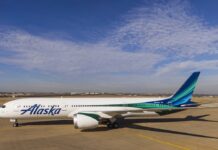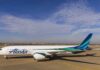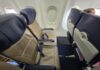
United Airlines’ highly anticipated Boeing 787-9, featuring the carrier’s new premium cabin interiors and a special 100th-anniversary livery, has encountered significant operational setbacks shortly after its debut. While the aircraft represents a major milestone for the airline, its first week of service was marred by two separate maintenance incidents, raising questions about the reliability of new fleet integrations.
A Rocky Start for the Inaugural Flight
The aircraft, registered as N61101, made its commercial debut on April 22, 2026, launching United’s new long-haul route between San Francisco (SFO) and Singapore (SIN). The inaugural flight, UA1, operated smoothly, completing the 16-hour, 31-minute journey and landing in Singapore on the morning of April 24.
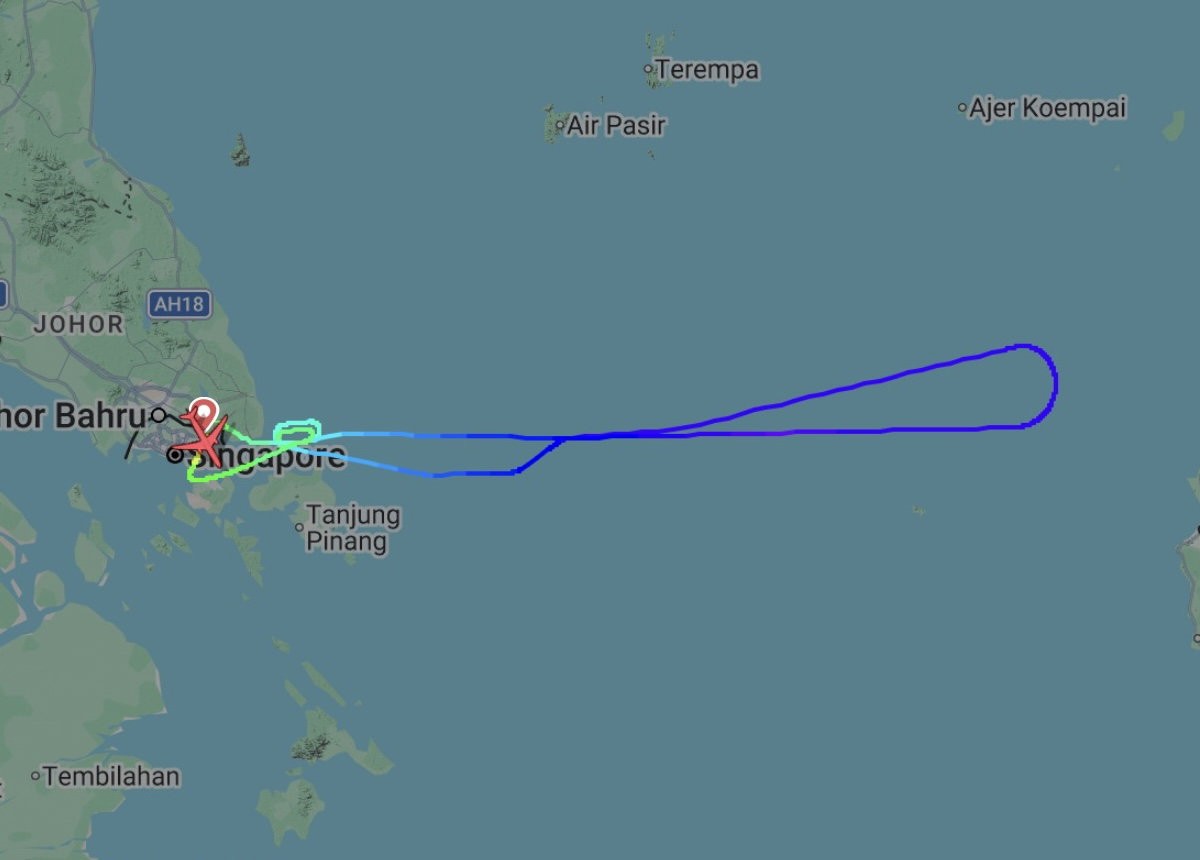
However, the return leg proved problematic. As flight UA2 departed Singapore for San Francisco, the crew detected an electrical smell shortly after takeoff. Prioritizing passenger safety, the pilots decided to abort the flight and return to Singapore, landing safely after approximately 1 hour and 50 minutes.
Grounded for Maintenance and Testing
Following the diversion, the aircraft was not immediately returned to service. On April 25, N61101 was ferried empty back to San Francisco as flight UA3968, a journey that took 15 hours and 5 minutes. Upon arrival, the plane was grounded for three days for necessary maintenance checks.
After the maintenance period, the aircraft underwent a 48-minute test flight around San Francisco on April 28 (flight UA4196). Once cleared by maintenance crews, the plane re-entered domestic service with the following itinerary:
* April 28: Flew from San Francisco to Houston (IAH) as UA2047.
* April 29: Returned to San Francisco as UA487.
* April 29: Flew back to Houston as UA2498.
Despite this brief return to operation, the reliability issues persisted. On the evening of April 29, flight UA382 from Houston to San Francisco was canceled due to maintenance issues, marking the second significant disruption for the aircraft in just a few days.
Context: Is This Bad Luck or a Pattern?
While the specific technical causes for these incidents have not been publicly disclosed, the timing raises interesting questions for aviation observers.
- New Interiors and Wiring: N61101 is the first United 787-9 equipped with the airline’s new cabin interiors. While the seats and components are certified, the integration of new wiring and systems could theoretically contribute to electrical anomalies, though this remains speculative.
- Industry Precedent: This situation mirrors challenges faced by other carriers during fleet transitions. For instance, American Airlines experienced severe maintenance issues with its new 787-9s last year, primarily involving engines and door alignment. While the causes may differ, it highlights that inducting new aircraft often involves a “shakedown” period where reliability dips before stabilizing.
Key Takeaway: Two major disruptions in the first week of service for a flagship aircraft are statistically unusual and suggest either unfortunate timing or underlying integration challenges.
Conclusion
United Airlines’ new Boeing 787-9, intended to showcase the carrier’s modernized premium experience, has faced immediate operational headwinds. With an electrical diversion and a subsequent maintenance cancellation within days of launch, the airline must resolve these technical issues to ensure the aircraft meets passenger expectations. The coming weeks will be critical in determining whether this was an isolated incident or part of a broader pattern for the new fleet.