While major global hubs like Tokyo, London, and Berlin dominate the headlines of the music industry, a different kind of record-breaking phenomenon is happening in Australia. Melbourne has officially become the record store capital of the world per capita.
With 119 independent outlets, the city boasts 5.9 record stores for every 100,000 residents—surpassing the density of the world’s most famous musical metropolises. But this isn’t just a statistical quirk; it is the result of decades of cultural isolation, a fiercely independent spirit, and a community that refuses to let music remain a mere digital commodity.
A History of “Doing It Ourselves”
The roots of Melbourne’s vinyl obsession lie in its geography. Being a 25-hour flight away from major music markets like New York or London created a unique challenge: for much of the 20th century, the latest international releases simply didn’t arrive in Australia.
This distance birthed a “DIY” (Do It Yourself) mentality. To hear what was happening in the world, locals had to find it themselves. This led to the rise of “gray market” import stores in the 1950s and ’60s—trailblazers who bypassed major label restrictions to bring obscure jazz, soul, and rock to eager fans.
“We were often at the whim of what labels wanted to release here,” says Dave Reitman, owner of Licorice Pie records. “So we had these real trailblazers importing obscure releases from all over the globe.”
These early importers didn’t just sell discs; they acted as cultural conduits. By importing thousands of German “krautrock” records or rare American soul, they cultivated a uniquely diverse and deep musical palate that remains a hallmark of the Melbourne sound today.
The Ecosystem: More Than Just Retail
Unlike many cities where record stores are mere retail points, Melbourne’s shops function as vital community hubs. The city has developed a symbiotic ecosystem that supports the entire lifecycle of music:
- Local Production: The city is home to two vinyl pressing plants, allowing independent artists to produce small, local runs.
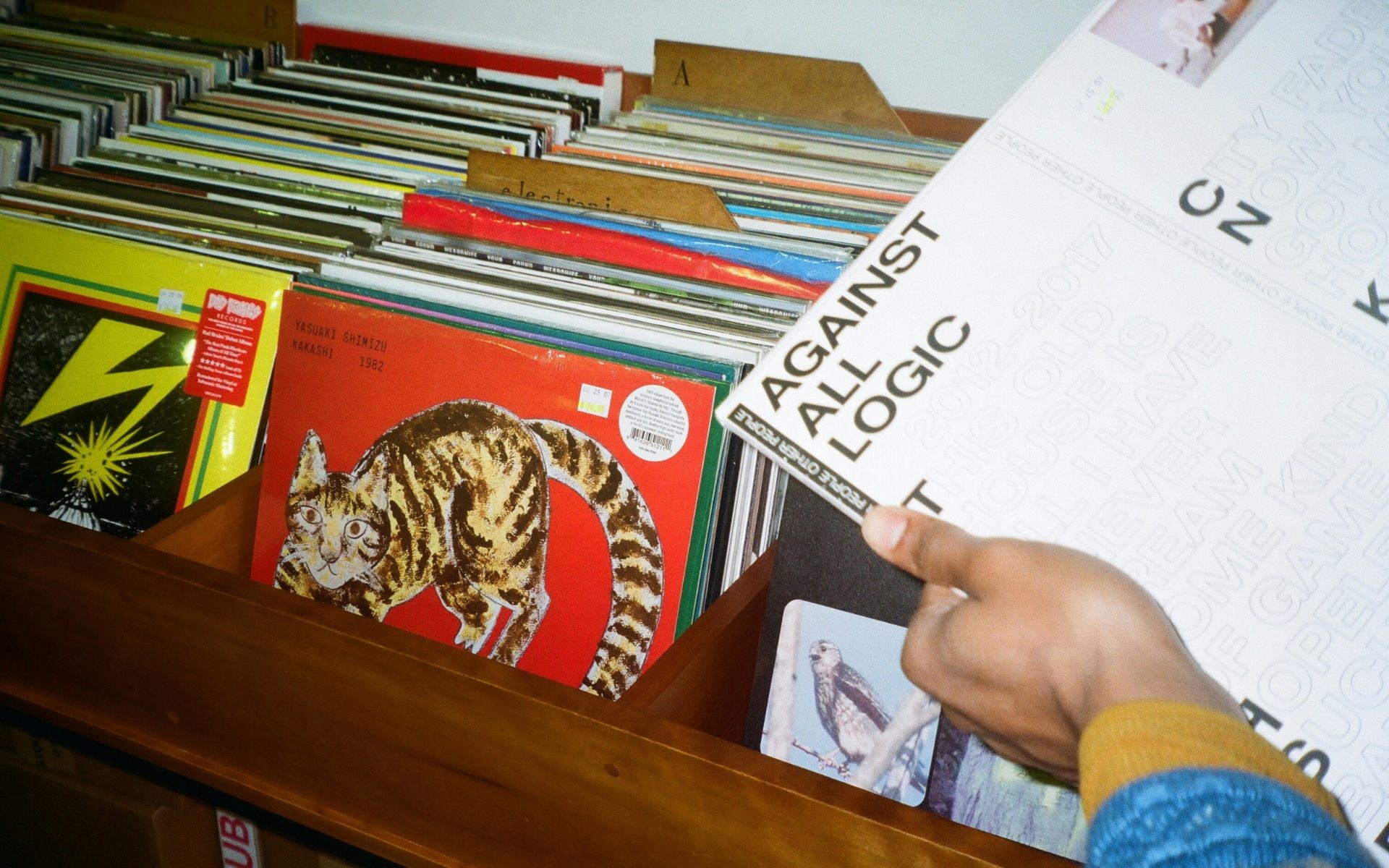
- Curation over Volume: Rather than overwhelming customers with endless crates, Melbourne’s shops pride themselves on “the dig”—doing the hard work of finding high-quality, rare gems so the listener doesn’t have to.
- Community Radio: Stations like 3RRR and PBS FM act as the connective tissue, championing the same independent labels and local artists found on shop shelves.
- Social Spaces: Stores like Northside Records serve as meeting points where musicians, DJs, and fans congregate, turning commerce into social connection.
This ecosystem ensures that 25% to 50% of the vinyl on Melbourne’s shelves is local music, creating a self-sustaining loop of creativity and consumption.
The Pandemic Pivot and the Human Connection
The global resurgence of vinyl—driven by a desire for something tangible in a digital age—was accelerated by Melbourne’s experience during the COVID-19 pandemic. As the city endured some of the world’s longest lockdowns, music stores became more than shops; they became essential lifelines.
During periods when live music venues were shuttered, record stores offered a rare form of human interaction. For many, a brief conversation with a shop owner about a new release was their only social contact. This deepened the cultural significance of the record store, transforming it from a place of transaction to a place of meaningful human connection.
The Future: Defying the Algorithm
In an era where streaming services rely on AI-generated playlists and mathematical algorithms to dictate what we hear, Melbourne’s record stores offer something revolutionary: the human recommendation.
The city’s retailers aren’t just selling plastic; they are sharing passion. This selfless approach is evident in the way shop owners collaborate rather than compete, even producing annual “Diggin’ Melbourne” maps to help enthusiasts navigate the city’s dense musical landscape.
Conclusion: Melbourne’s status as a vinyl powerhouse is not an accident of economics, but a triumph of community. By turning geographic isolation into a driver for independence, the city has created a resilient, human-centric music culture that defies the digital tide.