You think you know Sicily because you’ve seen the beaches of Taormina or the ruins of Agrigento. You haven’t. Not really. That’s the coastal performance. The real island is inland. It lives in the shadow of Etna, where the air smells of sulfur and orange blossom and history is layer upon layer. Enter Paternò.
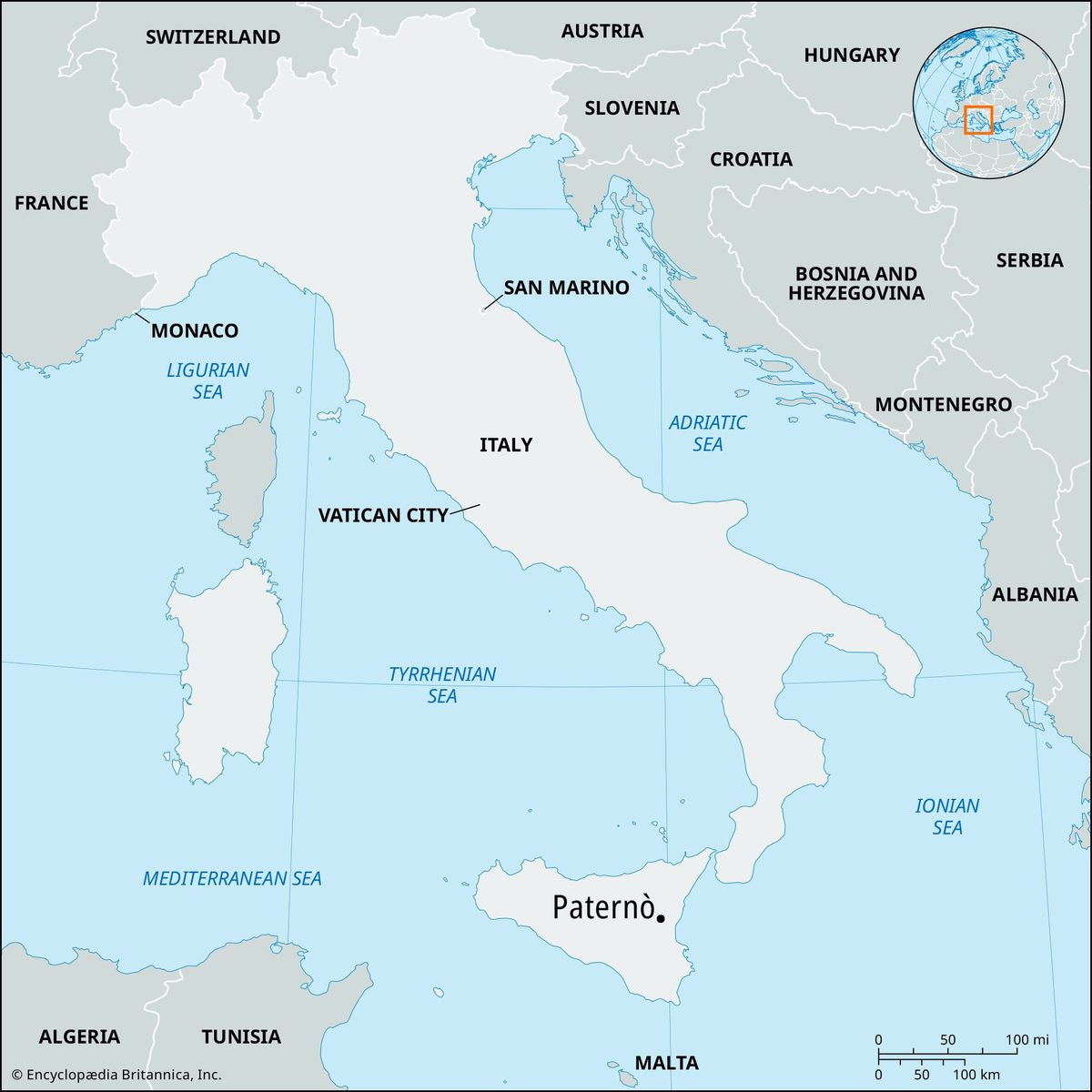
Located at the southwestern foot of Europe’s most active volcano, this town doesn’t just overlook the Simeto River; it clings to the landscape with a stubborn, medieval grip. Located northwest of Catania, Paternò feels less like a tourist trap and more like a place that has survived by being useful. And it is.
The city is located on the site of Hybla Major (or Hybla Geleatis), an ancient Sicilian settlement that preceded Greek colonization. But don’t let the ancient name fool you into thinking this is a quiet archaeological dig. Paternò has scars. During World War II, it was badly damaged by Allied bombing. The damage was serious. It was rebuilt. It always rebuilds. That resilience is baked into the stone.
The castle that watches over the valley
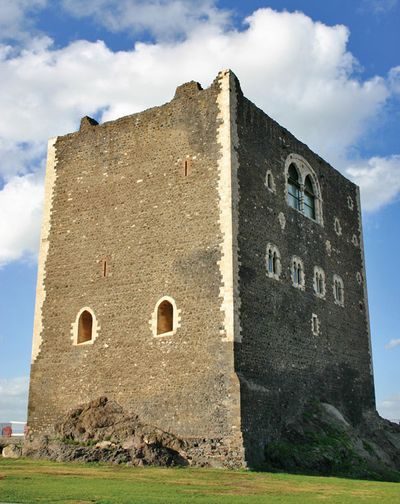
The castle cannot be missed. It dominates the skyline, a massive Norman structure that has seen centuries of upheaval. It was originally built in 1072 or 1073 during the Norman Conquest, but was rebuilt in the 14th century. This is not a flimsy ruin you peer at through a fence. It is a restored fort that still holds its own.
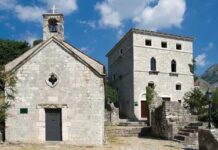
Walking through its gates feels like stepping into a timeline. The architecture is stark, defensive, and imposing. But take a closer look. There are several medieval churches around the castle. They are hidden and often overshadowed by a larger fortress, but they carry the spiritual heartbeat of the community. These are not just tourist attractions; they’re part of the town’s living fabric.
Behind the Ruins: Hot Springs and Citrus Groves
So why go? Why trade the sunny coast for an inland city?
Because Paternò is a holiday resort in the true sense of the word. It’s not about lounging in a luxury cabana. It’s about hot mineral springs. This water has been drawn for centuries and is believed to cure diseases you didn’t know you had. It’s a slower kind of tourism. You come for history, but you stay for the water. The air here is different. Dryer. Cleaner.
The surrounding land is agricultural gold. Citrus fruits and grapes are grown in the fertile plains near the Simeto river. You will find vineyards that extend to the base of the volcano. If you’re planning a trip, don’t just drive through. Stop. Taste the local wine. It is earthy, complex and shaped by volcanic soil.
Logistics for the independent traveler
Let’s be practical. How do you get there? Catania is the nearest major hub with its own airport and train station. From there, it’s a short drive or bus ride northwest. Paternò is well connected, but does not shout for attention. That’s the point.
Population h