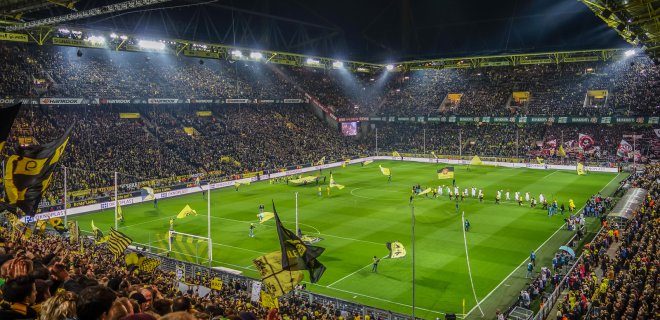
If you are planning a trip to Germany, skip the generic tourist traps. Go straight to Dortmund. Specifically, go to Signal Iduna Park. It is not just a stadium. It is a cathedral. For soccer fans, it ranks near the top of the holy trinity of footballing experiences, alongside Anfield and San Siro.
Opened on April 2, 1974, the arena has hosted Borussia Dortmund since day one. The capacity is massive. 81,359 seats. Nearly every match sells out. The atmosphere is thick. It vibrates in your chest. If you are in Dortmund, you miss out on the real Germany if you do not watch a Bundesliga match here at least once.
The Yellow Wall Experience
The main draw is the South Stand. Locals call it the “Yellow Wall.” It holds 25,000 standing ticket holders. That is the largest standing terrace in Europe. It is a sea of yellow shirts and flags. The noise is deafening. It is a unique architectural feat that modern stadiums rarely attempt. You stand shoulder to shoulder with strangers who become brothers in song by halftime.
Logistics and Timing
Getting there requires planning. The stadium is located in the Dortmund-Hombruch district. Take the U45 light rail from the main station. It takes about 20 minutes. Arrive early. The pre-match rituals are part of the show. Fans gather at the public squares nearby. Food stalls pop up. The city transforms into a festive zone.
Match days vary. Check the Bundesliga schedule for Dortmund’s home games. Prices fluctuate. A standard seat might cost between €40 and €70. Standing tickets on the South Stand are often cheaper but harder to get. Buy them weeks in advance through official channels. Tickets are rarely available at the gate on match day.
Beyond the Match
If you cannot catch a game, a stadium tour is the next best option. You get access to the locker rooms. You walk onto the pitch. You hear the history of the club. The tour lasts about an hour. It costs around €17 for adults. It is worth it for the insider view of the dressing room where legends have prepared for battle.
The area around the stadium, known as the Westfalenpark, is nice for a stroll. But the magic happens inside the gates. You do not just watch soccer there. You participate in it. The energy is relentless. It leaves you breathless. And then you walk out into the cool night air, ears still ringing, wondering how any other stadium compares. They never do.

From Brewing History to Modern Art
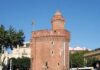
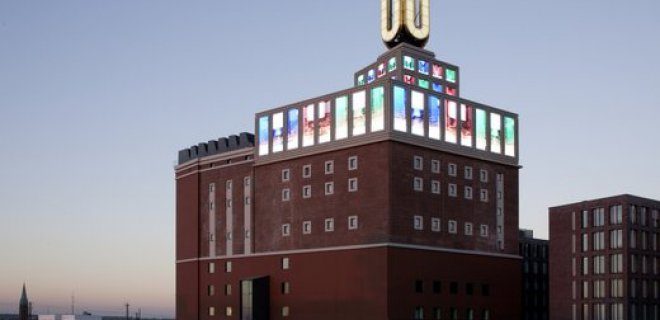
The U-Kasteel isn’t just a quirky name. It translates literally to “U-Castle,” and if you look up at the very top of the building, you can actually see the giant letter U protruding from the roofline. It’s a visual anchor that defines the structure.
Built between 1626 and 1627, this brick edifice holds a weird claim to fame. It was Dortmund’s first skyscraper. That sounds like an exaggeration until you realize the city was mostly low-rise timber and half-timbered houses back then. A four-story brick structure was practically a tower. Originally, it served a much more practical purpose: beer storage. The cool, stable temperatures of the basement and lower floors were perfect for keeping the local lager crisp before the industrial refrigeration era.
Fast forward to 2010, and the building got a new identity. It became the home of the Ostwall Museum. This isn’t your grandfather’s dusty history museum. The Ostwall focuses on 20th-century and contemporary art. The collection is heavy on expressionism and modernism, with a strong emphasis on the relationship between art and science. You’ll find installations that challenge how we process information, alongside traditional paintings and sculptures.
Walking through U-Kasteel today means navigating a building that is literally layered with history. You’re standing where 17th-century brewers once stored their product, now surrounded by 20th-century avant-garde critiques of society. The contrast is jarring. And that’s the point. The museum doesn’t hide its industrial roots; it builds on them.
Rombergpark Botanik Garden
Leaving the art and history behind, you step into greenery. The Rombergpark is Dortmund’s answer to the classic European botanical garden, and it’s significantly larger than you’d expect from a post-industrial city. Spanning over 20 hectares, it’s less about manicured flower beds and more about massive, curated ecosystems.
The garden is divided into distinct zones, each telling a different story about plant life. You’ll find a Japanese garden with koi ponds and stone lanterns that feels worlds away from the Ruhr valley’s steel past. There’s a desert house housing cacti and succulents that defy the German climate outside. And then there are the traditional flower beds, which explode with color depending on the season.
Spring is the peak time. If you visit in April or May, the tulip and daffodil displays are intense. But the real draw is the sheer scale. It’s easy to lose half a day here without feeling rushed. The paths are well-maintained, and the signage is clear, making it accessible even if you don’t speak German.
“The garden is not just a collection of plants; it’s a spatial experience that changes with every step.”
The cost is reasonable for what you get. A standard adult ticket runs around €4.50 to €5.50, depending on the season and if you’re adding the greenhouses. Children under 18 often get in free or at a steep discount. It’s affordable enough that you can make it a daily outing during a longer stay.
Logistically, the park is accessible via local transport. The tram lines 403 and
The Green Heart of Dortmund: A Walking and Cycling Paradise
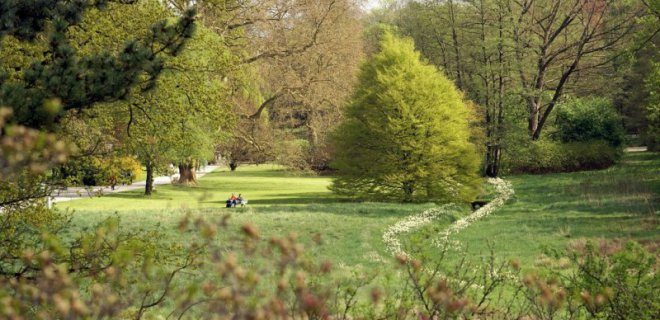
It started with an old family name. The Romberg clan, one of Dortmund’s most established lineages, laid the groundwork between 1818 and 1822. They didn’t just plant trees. They built a legacy. Today, that estate is known as Rombergpark Botanik Bahçesi, and it stands as the city’s most popular green space.
The transformation wasn’t instant. It took decades of deliberate cultivation. But the real shift happened in 1958. That’s when the botanical garden began importing dozens of different plant species. The result? A dense, vibrant ecosystem that turned the park into Dortmund’s most attractive destination for nature lovers.
You aren’t just looking at scenery here. You are moving through it. The park is designed for movement. Meticulously maintained walking paths cut through the foliage. Dedicated cycling lanes weave alongside them, keeping pedestrians and riders separate and safe. At night, the lighting systems turn the gardens into something else entirely—moody, illuminated, and safe for late strolls.
If you are planning a trip, treat this as a core part of your itinerary. Don’t just drive past it. Rent a bike. Walk the perimeter. See the variety that wouldn’t exist without those 1950s imports. It is less of a static monument and more of a living, breathing lung for the city.
St. Reinold’s Church
The St. Reinold’s Church: A Gothic and Romanesque Landmark in Dortmund
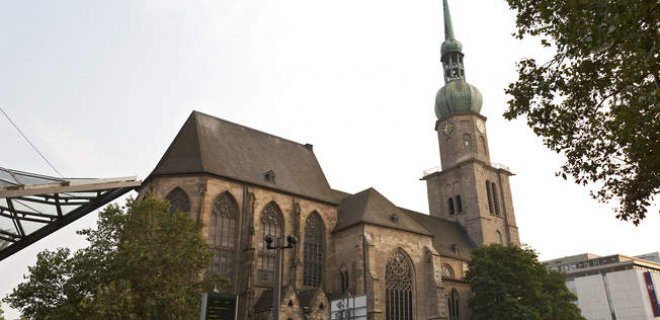
If you are navigating downtown Dortmund, you cannot miss it. Dominating the skyline is the St. Reinold’s Church, a Protestant landmark dedicated to Dortmund’s patron saint. It is not just a place of worship; it is a historical anchor in the city center.
Construction began between 1250 and 1270, resulting in a striking architectural blend. You can clearly see the transition between Romanesque foundations and Gothic upper structures. The original spire reached an impressive 112 meters high. That is a towering presence for medieval Europe.
The church’s visibility from almost every corner of Dortmund makes it an essential stop on any itinerary.
The building’s history is marked by resilience. After centuries of use, it underwent several restorations. However, World War II brought heavy damage. The structure was severely impacted during the conflict. Post-war reconstruction altered its height, bringing it down to 104 meters. Despite this reduction, the restoration respected the original design integrity. The building retains its authentic character while standing as a testament to survival.
For travelers, the approach to the church is as significant as the interior. Its sheer scale commands attention. When you stand in the main square, looking up at that height, you understand why it is the city’s guardian. Do not skip the exterior details. The stonework tells a story of centuries of craftsmanship.
Moving to the Ostwall Museum
After soaking in the history of the church, the logical next step is to explore the city’s military past. The Ostwall Museum is located nearby. This museum focuses on the fortifications of Dortmund, specifically the Eastern Wall (Ostwall).
The Ostwall was a significant defensive system built before World War II. The museum provides context on how these structures were designed and used. It is a niche interest but offers a deeper understanding of the city’s strategic importance during the 20th century.
Visiting both sites in one day is feasible. The church offers a medieval perspective. The Ostwall Museum provides a modern military history angle. Together, they cover a broad spectrum of Dortmund’s identity.
Plan your visit carefully. The church is open for services and tours. Check the current opening hours, as they can vary by season. The museum may have specific entry times. Combining these two locations gives you a complete picture of Dortmund’s evolution from a medieval trade hub to a fortified industrial center.
This pairing works well for a half-day tour. Start with the church for the atmosphere. Move to the museum for the intellectual dive. You will leave with a clear sense of the city’s layered history.
Why the U-Turm in Dortmund is the City’s Art Anchor
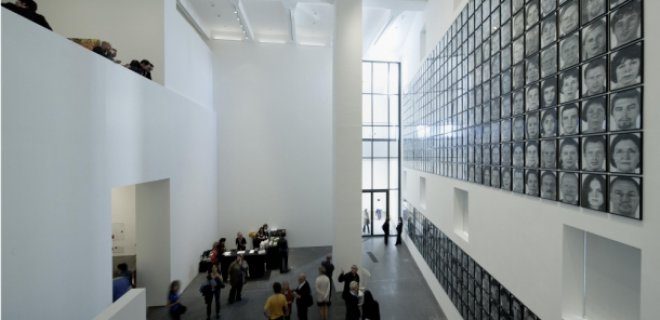
The museum’s story didn’t start in its current home. Established in the 1940s, it spent decades in an older building, operating from 1947 until 2009. That chapter closed. Since 2010, the institution has occupied the Dortmund U-Turm, a distinct landmark that redefines the visitor experience.
This isn’t just a gallery. It’s a storage vault for 20th and contemporary art, housing over 2,500 pieces. The collection spans graphics, drawings, sculptures, and photographs. You will find works by heavyweights like Salvador Dali and Pablo Picasso on display. Their sketches offer a glimpse into the minds of giants, preserved in the cold air of the tower.
Visiting the Dortmund U-Turm art museum provides a stark contrast to the usual white-cube aesthetic. The verticality of the space forces a different kind of engagement with the art. It’s not just about seeing; it’s about navigating the height. The collection’s focus on modern movements means the atmosphere feels less like a relic and more like a pulse.
For travelers planning a stop in North Rhine-Westphalia, this is a specific pivot point. The location matters. The tower itself is an industrial icon repurposed for culture. Inside, the density of the collection—2,500 items—is staggering. Most smaller regional museums cap their permanent displays far lower. Here, the sheer volume of graphic works allows for rotating exhibits that keep the content fresh.
Who should go? Art enthusiasts who appreciate the raw energy of the 20th century. Photography buffs. Anyone tired of the same old historic sites. The U-Turm offers a vertical journey through modernity. It’s a practical addition to a Dortmund itinerary, especially if you’re already exploring the city’s industrial heritage. The shift from the old building to the tower in 2010 wasn’t just a move. It was a statement. The art is still 20th-century focused. But the setting? That’s pure 21st-century adaptation.