The saga ends not with a fight but a settlement.
After months of email wars, regulatory citations, and a family getting pulled from a plane in Missoula, Alaska Airlines (and Horizon Air) has finally issued a resolution. The airline isn’t admitting it broke the law. But it is writing checks. And returning miles.
For travelers wondering how an argument over passport processing turns into a legal battle, here is the breakdown. This case highlights the friction between rigid DOT definitions of “denied boarding” and the messy reality of document verification delays.
Why The Family Didn’t Qualify For Standard Denied Boarding Compensation
The core conflict started with a flight from Missoula, Montana, to Vancouver. The family had valid documents. But Alaska’s system couldn’t process them quickly enough.
This created a ripple effect.
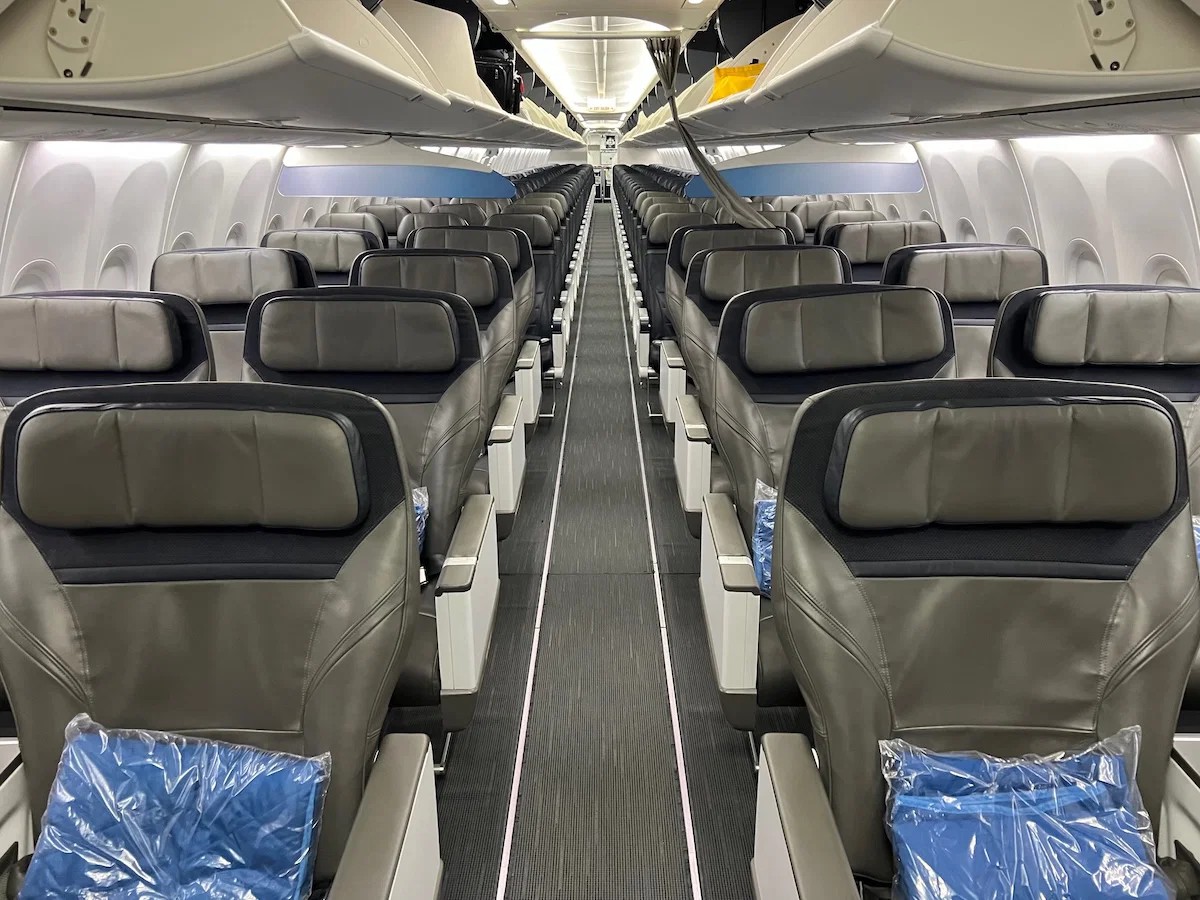
- They missed their original First Class flight.
- They were rebooked on a later flight, but in economy, not First Class.
- The document issue still hadn’t cleared, causing a second delay during boarding.
- Finally, they were removed from the second flight entirely.
The family argued this was involuntary denied boarding. They cited 14 C.F.R. Part 175 (often confused with Part 250 in lay terms regarding oversales). They also cited the Canadian Air Passenger Protection Regulations (APP R).
Alaska Airlines pushed back.
“The circumstances of this event do not meet the constitutional definition of involuntary denied boarding.”
Why? Because the flights weren’t oversold.
Regulatory compensation for denied boarding usually applies when an airline sells more seats than it has available. That’s a revenue decision. This was a processing error. A technical glitch. In the airline’s view, you can’t cite oversale penalties for a paperwork bottleneck.
Did The Captain Remove Them In Retaliation?
This is where the story gets tense.
The family claimed the removal was retaliatory. They said they asked for an employee’s name because they wanted to file a complaint. Then they were kicked off the plane.
Alaska investigated. They talked to the flight attendants. The captain. Station leadership.
The verdict: No evidence of retaliation.
The airline says the removal happened because the interaction escalated. The family had boarding passes with outdated seat assignments. Confusion ensued. The crew viewed the subsequent argument as a refusal to follow instructions.
Under the Contract of Carriage, passengers must comply with crew directions. Safety is the trump card. If the captain feels a passenger is disrupting operations, they can deny transport.
“It was based on the crew’s assessment,” the airline said. Not spite. Procedure.
The Final Settlement Details
So what does the family get?
Alaska doesn’t want to pay the full cost of the replacement Delta tickets. They won’t reimburse the $2,530 spent on Delta.
But they are paying out of goodwill. Here is the math:
- Points Refunded: All Atmos points used for the four First Class award tickets are back in the family’s account.
- Taxes And Fees: Full refund to the original payment method.
- Fare Difference Reimbursement: Alaska calculated their First Class tickets were worth $477 per person. That’s $1,908 total. The family spent $2,538 on Delta. Alaska is covering the difference: $630.
- Goodwill Compensation: Even though they say the Canadian APPR doesn’t apply, they are paying as if it did. That’s $400 per passenger. Four people means $1,600.
Total Cash Payment: $2,230.
Plus four discount codes for future travel.
It’s not perfect. The family still had a ruined day. But it’s a concrete number.
What This Means For Future Travelers
If you hit a snag with document processing, remember this.
The airline may say it’s not their fault. The DOT may agree. But if you persist, and if your case involves significant inconvenience, airlines sometimes negotiate.
Alaska admitted the service failed. They admitted the communication broke down. They even apologized for ignoring an earlier email to the CEO.
Did they admit liability under federal law? No.
Did they pay? Yes.
That’s the gap where most resolutions live. Not in the rulebook. But in the ledger.