We watch the airlines pour cash into first and business class like it’s an endless well. First class gets private suites. Business gets flat beds that rival your bed at home. Then economy happens. And we get… the same sad little bump in the back of the seat. Real innovation rarely trickles down. Until now.
Emirates just unveiled the Emirates U-Dream headrest. The airline is calling it a “game-changing” addition to economy. They say it provides a new level of support and comfort. But let’s cut through the marketing fluff. Is this actually a revolution, or just a padded pillow with a fancy name?
What Exactly Is the Emirates U-Dream?
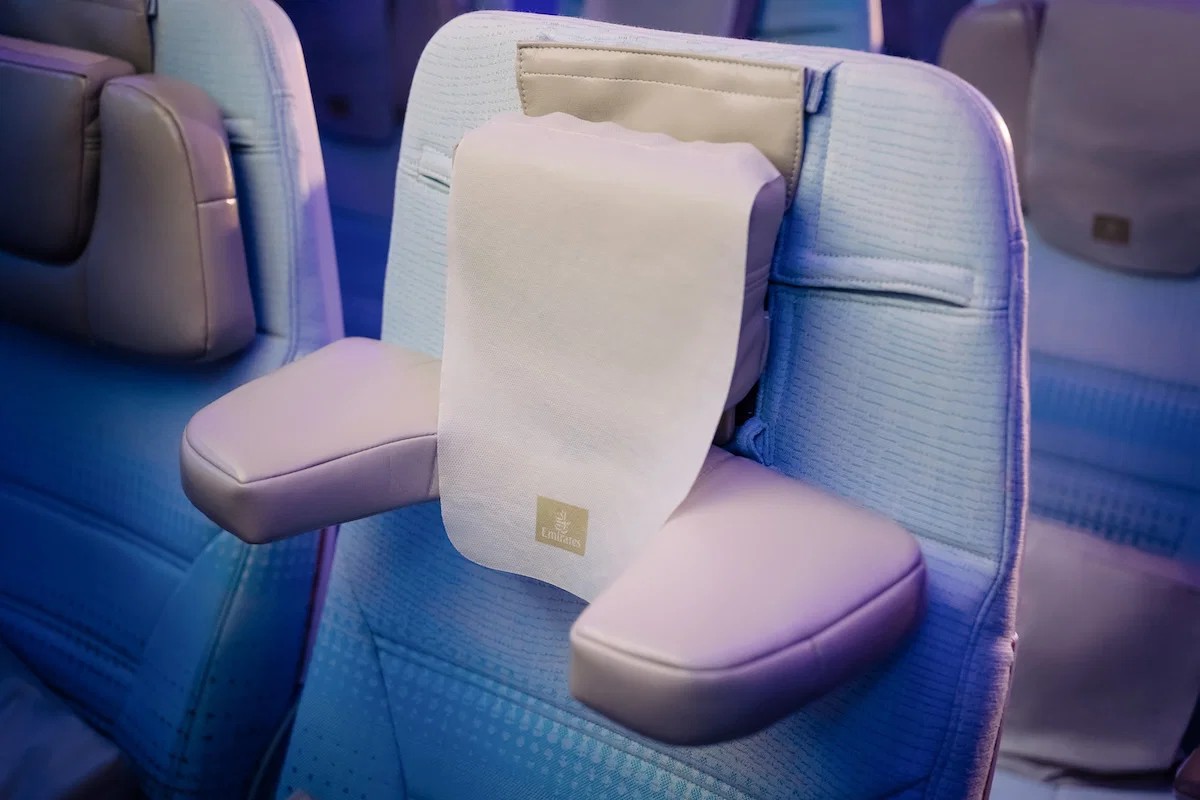
It’s part of the Safran Seats Z400 product line. Don’t let the industrial name fool you. This is a leather, padded headrest designed to stop your head from doing that dreaded mid-air slide.
The design features flexible side wings. You can fold them inwards. They cradle your head and back. The goal? Keep your neck supported during sleep. No more jerking awake because your chin dropped onto your chest.
It’s not static. The headrest moves vertically. It tilts. It adjusts for passengers of different heights and body types. This is personalized comfort, not one-size-fits-all misery.
The Rollout: Where You’ll Find It
The technology isn’t hypothetical. It’s real, and it’s already on the wing.
Currently, three Airbus A350s in the Emirates fleet are equipped with these Emirates U-Dream headrests. Installation is moving fast. The target? All Airbus A350s will have them by the end of the year.
If you’re waiting for a Boeing 777X, that’s coming too. The new jets will include them upon delivery. For the rest of the fleet, the timeline stretches out a bit:
– Airbus A380s: Installation begins in 2027.
– Existing Boeing 777s: Also starting in 2027.
Why Economy Innovation Usually Stalls
Here is the cold, hard truth of airline economics. Airlines have maxed out the real estate they’re willing to sacrifice for comfort. You cannot expand seat width without reducing the number of seats. Fewer seats mean less revenue. In a tight market, that’s a death sentence.
So, when airlines do innovate in economy, it’s usually at the margins. A wider seat pitch by an inch. A slightly better legroom. But the U-Dream headrest is brilliant precisely because it doesn’t touch the seat’s footprint. It works with the existing architecture. It adds value without subtracting capacity.
The Sleep Problem (And Why This Might Solve It)
I haven’t flown in the U-Dream seat yet. But I’ve spent enough hours in economy class to know the single biggest enemy: head roll.
In a window seat, you can rest against the fuselage. Problem solved. In the middle? You’re floating in void space. Your head falls forward. Then sideways. You adjust. It falls again. You wake up frustrated and stiff.
This headrest changes the geometry. By cradling the head, it neutralizes gravity. It mimics the support of a pillow without the bulk. Even current adjustable headrests help. The U-Dream takes that concept and ramps it up. If the side wings actually lock your head in place as effectively as advertised, the difference will be night and day.
Did Tim Clark Deliver on the “Game Changer” Promise?
Emirates President Tim Clark has been hyping up economy improvements for a while. Roughly a year ago, he teased a “game changing” economy seat. He talked about using geometry, load dynamics, and modern tech. He wanted to increase seat height by four or five inches to improve leg and foot comfort.
Regulatory hurdles stalled that specific dream. FAA approvals are a nightmare. You can’t just change a seat’s structure without proving it’s safe in every crash scenario imaginable.
The U-Dream headrest isn’t what Clark originally envisioned. It’s not a full seat overhaul. But it delivers on the spirit of his promise.
“Emirates never rests on its laurels… The U-Dream changes the game for sleep. No more neck pillows needed.”
Clark is betting that comfort isn’t about space. It’s about support. And if you’re sleeping, support is all you really care about.
The Bottom Line
Innovation in economy class is rare. It’s even rarer when it’s genuinely useful. The Emirates U-Dream headrest fits the bill. It’s cost-effective for the airline. It’s low-risk. But for the passenger? It offers a tangible solution to a universal pain point.
Will it make long-haul flights perfect? No. The seats are still relatively close together. The air is still dry. But for anyone who struggles to sleep while flying, this is a significant step forward.
Emirates claims their economy is now the best. That’s a bold claim. But if the headrest does what it promises, they’re closer than you’d think. The rest of the fleet will catch up in 2027 and 2028. Until then, keep an eye on those A350s. And maybe bring a book.