Water isn’t free here.
At least, not when you’re dining in a five-star restaurant in the Italian Dolomites. Italy’s Supreme Court just settled a dispute dating back to 2019, and the ruling is simple: hotels don’t have to serve tap water to their guests. It can feel petty. It probably does. But legally, the hotel won.
Here’s how we got here.
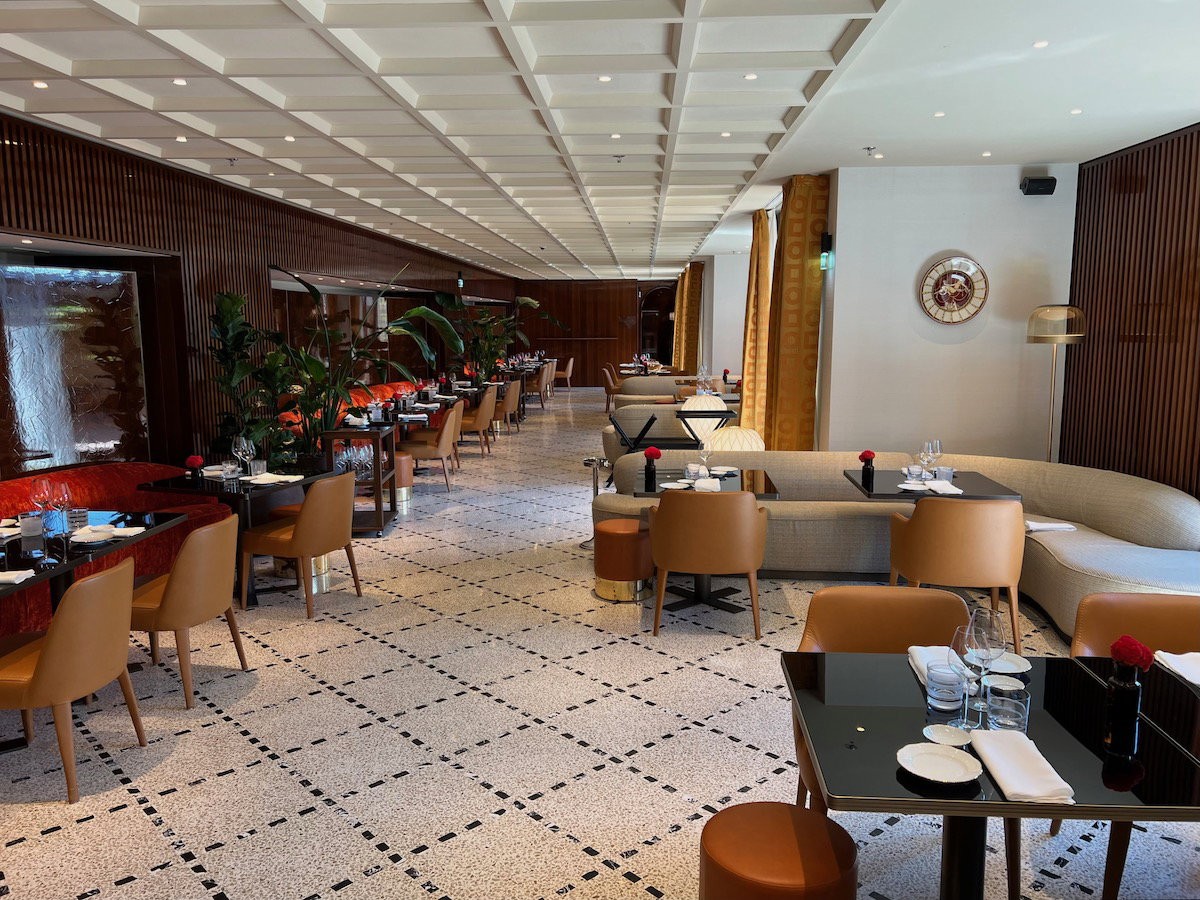
A guest dined at Hotel Sassongher in Corpora. She asked for tap water. The staff said no. Bottled mineral water cost €7. The woman was furious. She argued that water is a “natural resource and a universal human right.” She likened it to sheets on a bed or soap in the shower—basic necessities of a stay. She wanted €2,700 for what she called emotional and economic damage.
The court said no to that, too.
Italian law doesn’t force restaurants to provide free water. Venues can make their own rules. A lawyer for the hotel explained that their policy—like many high-end places—is to serve sealed, bottled water at the table. If the guest wanted running water? The bathrooms had it.
“There is no obligation to supply tap water,” the hotel argued. “Just not at the restaurant.”
This isn’t universal. In England, licensed venues must provide free drinking water upon request by law. It’s a strict requirement. But in Italy, the market decides.
So what do we do about it?
I get the traveler’s anger. I do. Paying for bottled water feels wrong, especially when it’s been transported halfway around the world to reach a table. It’s confusing to pay money for H2O that sits in plastic while tap water flows right down the hall. I respect places that offer filtered house water. It’s cleaner, cheaper, and less wasteful.
But does this mean it should be law?
That’s where my sympathy cools. The traveler called it a human rights violation. That seems like a stretch.
We don’t sue restaurants for charging for bread. Food is essential to life. The UN considers it a human right. Yet no one argues you’re entitled to a free meal just because you walked in the door. Water is different, yes. But the distinction is thin. If you’re thirsty, go to the bathroom sink. Or don’t go to that hotel again.
Is regulation bad?
Not necessarily. I’m fine with England’s approach. I like rules that force businesses to consider waste. But mandating free water in every jurisdiction feels like overreach.
We live in a world of choice. If a policy rubs you the wrong way, vote with your wallet. Leave a review. Walk out. Don’t expect a courtroom victory to change the taste of the wine.
Or the cost of the glass.