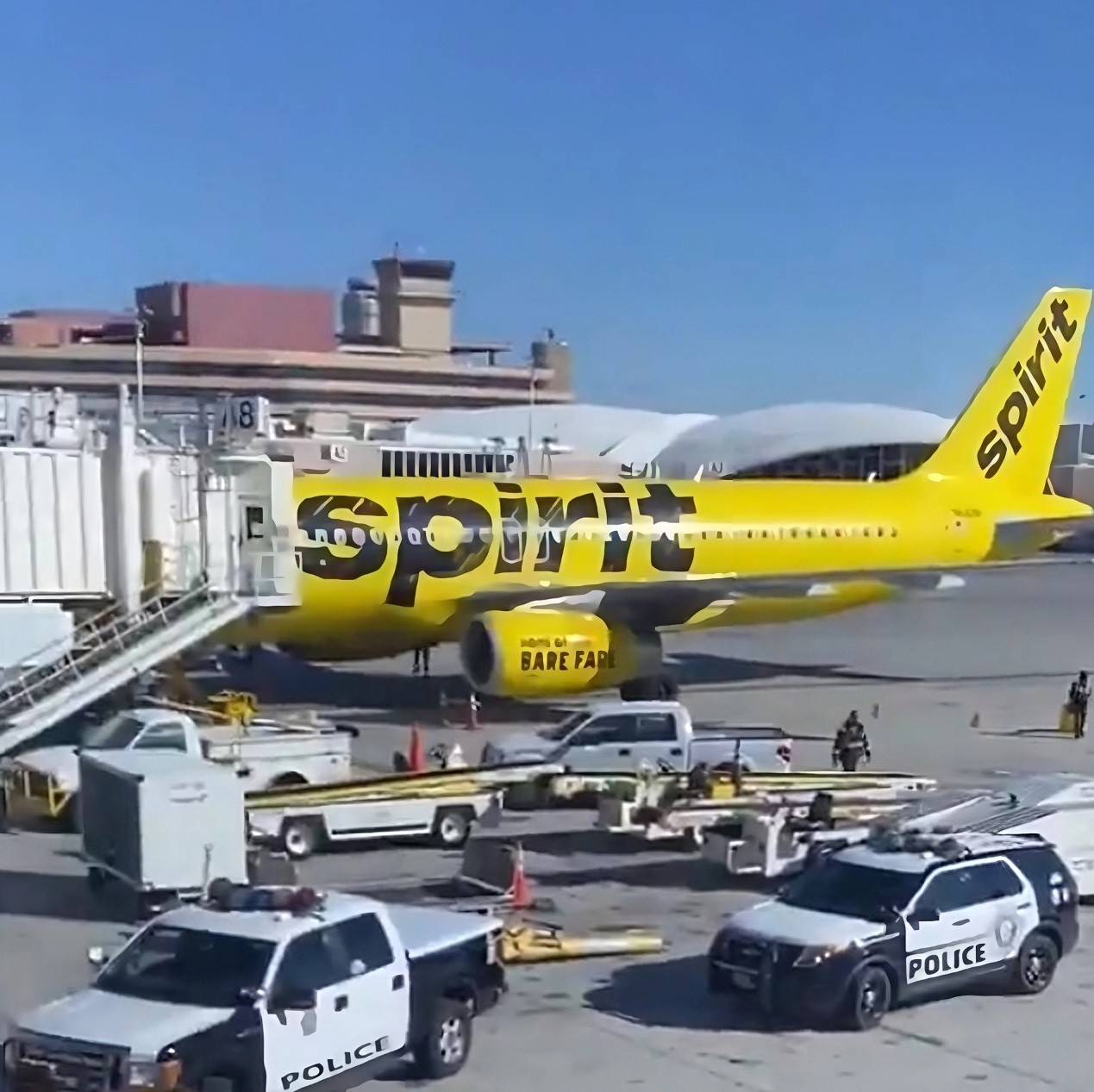
The Trump administration is reportedly moving toward a $500 million bailout for Spirit Airlines, a move that has raised significant legal, economic, and regulatory concerns. The proposed plan involves providing loans to the struggling carrier in exchange for warrants, effectively giving the government an ownership stake in a private airline.
A High-Risk Financial Gamble
Spirit Airlines has struggled with profitability for years, recently emerging from a bankruptcy process without a clear path to long-term stability. The fundamental issue is that private investors are no longer willing to fund the airline’s losses, leaving the government as the “lender of last resort.”
Critics argue that this is a case of “throwing good money after bad.” While Spirit is known for its ultra-low-cost model, a government-subsidized airline creates several market distortions:
– Reduced Competition: While Spirit’s presence keeps fares low, a shrinking or government-dependent airline may not provide the same competitive pressure on other carriers like Frontier.
– Misaligned Incentives: If the government holds an ownership stake, the Department of Transportation (DOT) may face conflicts of interest. For example, when allocating airport slots, the DOT might prioritize Spirit to protect the value of its “investment” rather than acting solely in the public interest.
– Regulatory Interference: There are concerns that the FAA’s ability to act independently could be compromised. If the White House has a financial stake in the airline, inspectors may feel pressured to hesitate when imposing fines or operational restrictions.
The Legal Hurdle: Is it Authorized?
The most contentious aspect of this proposal is its legality. Under the Federal Credit Reform Act, the government cannot extend loans or guarantees to private businesses without specific budget authority granted by Congress.
To bypass this, the administration may attempt to invoke the Defense Production Act (DPA). The DPA allows the executive branch to provide loans to private entities to protect or restore capacity essential to national defense. However, the justification for using the DPA for Spirit Airlines is highly questionable:
– Spirit Airlines accounts for less than 2% of domestic air travel capacity.
– While the administration may argue that Spirit’s collapse would degrade “emergency mobility” or “aviation labor capacity,” these claims are seen by many legal experts as a stretch of the law.
If the administration attempts to use the Treasury’s Exchange Stabilization Fund instead, the legal challenges will likely intensify, as this fund is not intended for corporate bailouts.
Why the Administration is Acting Now
The timing of this move suggests political motivations. The administration appears eager to avoid a high-profile airline failure during its term—particularly one that could be blamed on external factors like fuel costs or foreign policy tensions.
By intervening, the administration seeks to prevent the “chaos” of a Spirit collapse, but the cost is twofold:
1. Direct Cost: A potential $500 million loss of taxpayer funds if the airline fails to turn around.
2. Systemic Cost: The erosion of the rule of law and the precedent of using emergency powers to subsidize failing private corporations.
“Stretching the law to reach a desired outcome violates the fundamental principles of the rule of law, regardless of the intended goal.”
Conclusion
The proposed bailout of Spirit Airlines represents a significant departure from traditional market economics and legal norms. If executed, it risks setting a precedent where the government uses national defense justifications to mask the subsidization of struggling private enterprises.